KFC's Classic Chicken Sandwich outperforms Popeyes in nutritional content, particularly in fat and protein, but trustworthiness of health claims varies.
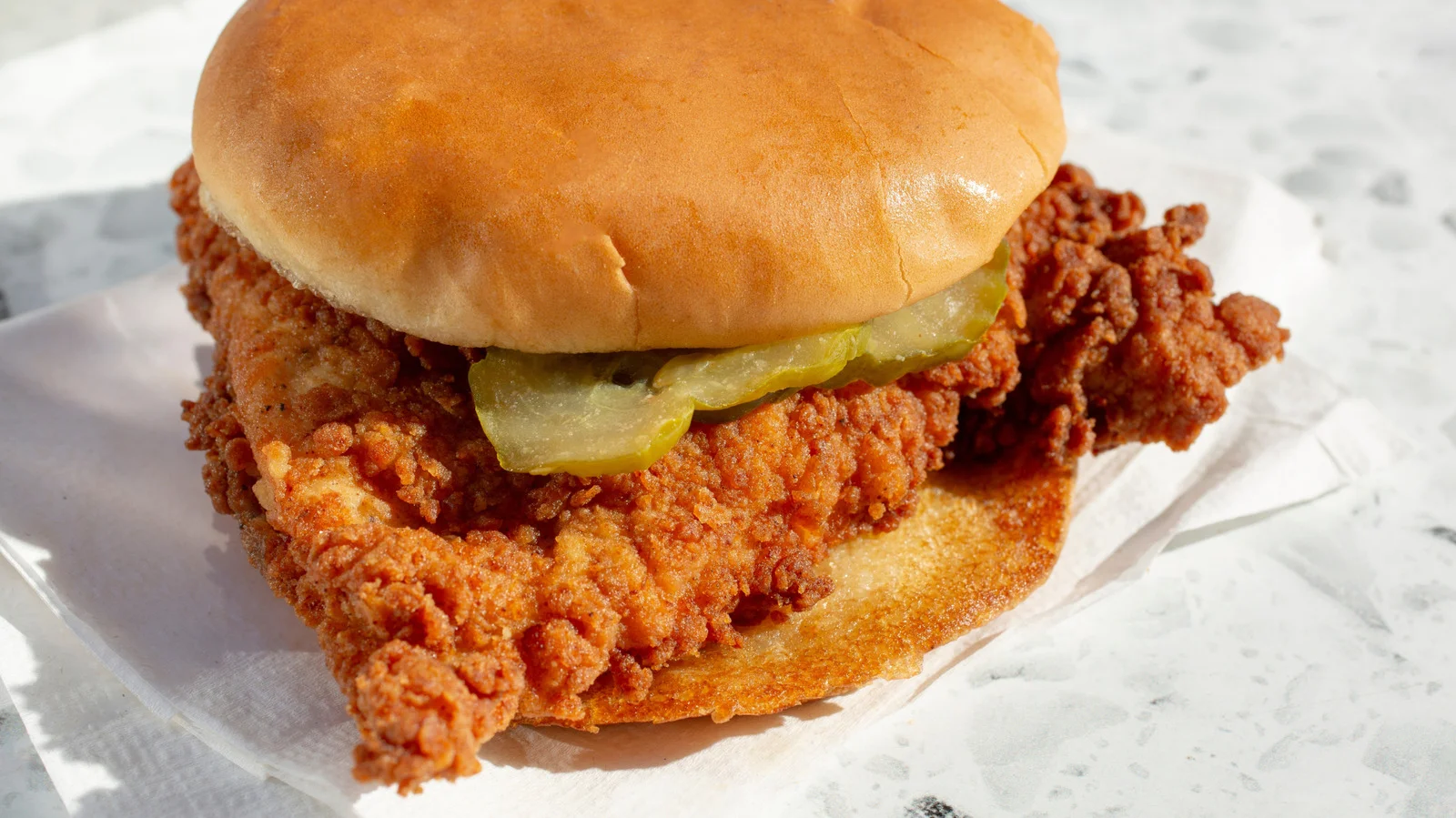
Popeyes sparked a fierce competition in the fast food chicken sandwich realm, with its iconic offering leading the charge. While taste preference tends to favor Popeyes according to testers, a thorough nutritional comparison reveals interesting nuances.
Nutritional Breakdown: KFC vs. Popeyes
When examining the statistics of KFC's and Popeyes' Classic Chicken Sandwiches, similarities abound. Both sandwiches boast pickles and mayonnaise, delivering nearly identical carbohydrate counts — KFC at 49 grams and Popeyes at 50 grams. Cholesterol levels align as well, with both sandwiches containing 90 milligrams, while low sugar and fiber content is a common thread. On the surface, these numbers paint a picture of comparable offerings, but the deeper implications of these stats can influence consumer choices in significant ways.
However, the nutritional analysis tilts in favor of KFC. Not only does KFC's sandwich pack slightly more protein at 34 grams compared to Popeyes' 28 grams, but it also registers lower in caloric intake at 650 calories versus Popeyes' 700. Sodium levels are high for both, but KFC's 1,260 milligrams is a shade better than Popeyes' 1,440 milligrams. High sodium intake is a concern for many consumers, especially those monitoring their blood pressure. High-sodium diets have been linked to a range of health issues, including hypertension, so this difference is more significant than it looks for those trying to make informed dietary choices.
Fat Content and Health Implications
Yet, the standout difference lies in their fat content. KFC's Classic Chicken Sandwich includes 35 grams of total fat, which contrasts sharply with Popeyes’ 42 grams. More importantly, the type of fat matters: KFC's sandwich contains just 4.5 grams of saturated fat, whereas Popeyes’ clocks in at 14 grams. This finding positions KFC as the preferred choice for those mindful of their saturated fat intake, particularly since the American Heart Association recommends limiting it to 13 grams per day for a standard 2,000-calorie diet. Given the increasing focus on heart health in recent years, these numbers could sway health-conscious consumers towards KFC.
Indeed, the American Heart Association's limits are somewhat conservative; U.S. dietary guidelines suggest keeping saturated fat to 10% of daily caloric intake, approximately 22 grams. Regardless, KFC's sandwich showcases a better profile in this category, which might resonate with a growing audience looking for healthier dining options. The ramifications go beyond mere numbers—these choices reflect a shift in consumer expectations regarding transparency and nutrition in fast food.
Evaluating Nutrition Accuracy in Fast Food
While KFC's Classic Chicken Sandwich comes out on top nutritionally, the accuracy of reported nutrition statistics isn't always guaranteed. Discrepancies can arise from factors like cooking methods, ingredient variations, or simple errors. The legal framework allows for calorie counts to deviate by as much as 20%, meaning a sandwich could very well contain up to 100 extra calories without breaching regulations. This inconsistency illustrates a broader issue in the fast-food industry: how can consumers trust the information they receive?
A study revealed that although most calorie counts in restaurants tend to be reliable, a significant portion of menu items might contain unexpected extra calories. For both KFC and Popeyes, these variations remain within the 20% leeway established by the FDA. It's alarming to think that consumers are essentially gambling on their health based on these discrepancies. (And this is the part most people overlook.) You might walk into a fast-food restaurant believing you’re making a healthier choice, only to find out that you’re off by a significant margin.
That said, awareness of nutrition labels correlates with healthier eating practices. Research shows that those rating their diets as "excellent" are more inclined to reference nutrition facts than those who don't prioritize their food choices. Yet, it’s essential to remember that achieving a balanced diet doesn't necessitate a fixation on numbers alone. Nutrition labels can sometimes reinforce unhealthy attitudes toward food. Ultimately, health is individual, and dietary choices should align with personal needs and medical advice. If you're working in this space, advocating for improved transparency might be worth considering.
Future Implications of Fast Food Nutrition
The battle between KFC and Popeyes isn’t just about taste. It's reflective of a larger movement toward health consciousness in fast food. As more consumers prioritize their health, fast-food chains may need to reassess their recipes and nutritional transparency. This shift could lead to more innovative approaches to menu development, as restaurants consider not only flavor but also health metrics that can drive consumers' choices. This dynamic isn't just about competition; it’s about survival in an industry that’s seeing increasing pressure from health advocates and informed consumers.
Considering the trajectory of consumer preferences, we could see fast food chains investing more in transparency and healthier options. They might even start prioritizing ingredient quality, potentially shifting the fast-food offerings from fried staples to baked or grilled alternatives. This evolution could significantly influence market trends and establish new benchmarks for what constitutes a fast-food meal. The ongoing competition in the chicken sandwich category offers a glimpse into this potential future.

Discussion
Sign in to join the discussion.