Mastering Japanese Hot Pot: Tips for an Unforgettable Shabu-Shabu Experience
Published Sep 09, 2026Reads 366By [email protected] (Elizabeth Arnold)
Discover expert insights on crafting the perfect broth and ingredients for an authentic shabu-shabu hot pot experience filled with flavor and tradition.
Unlocking the Art of Japanese Hot Pot
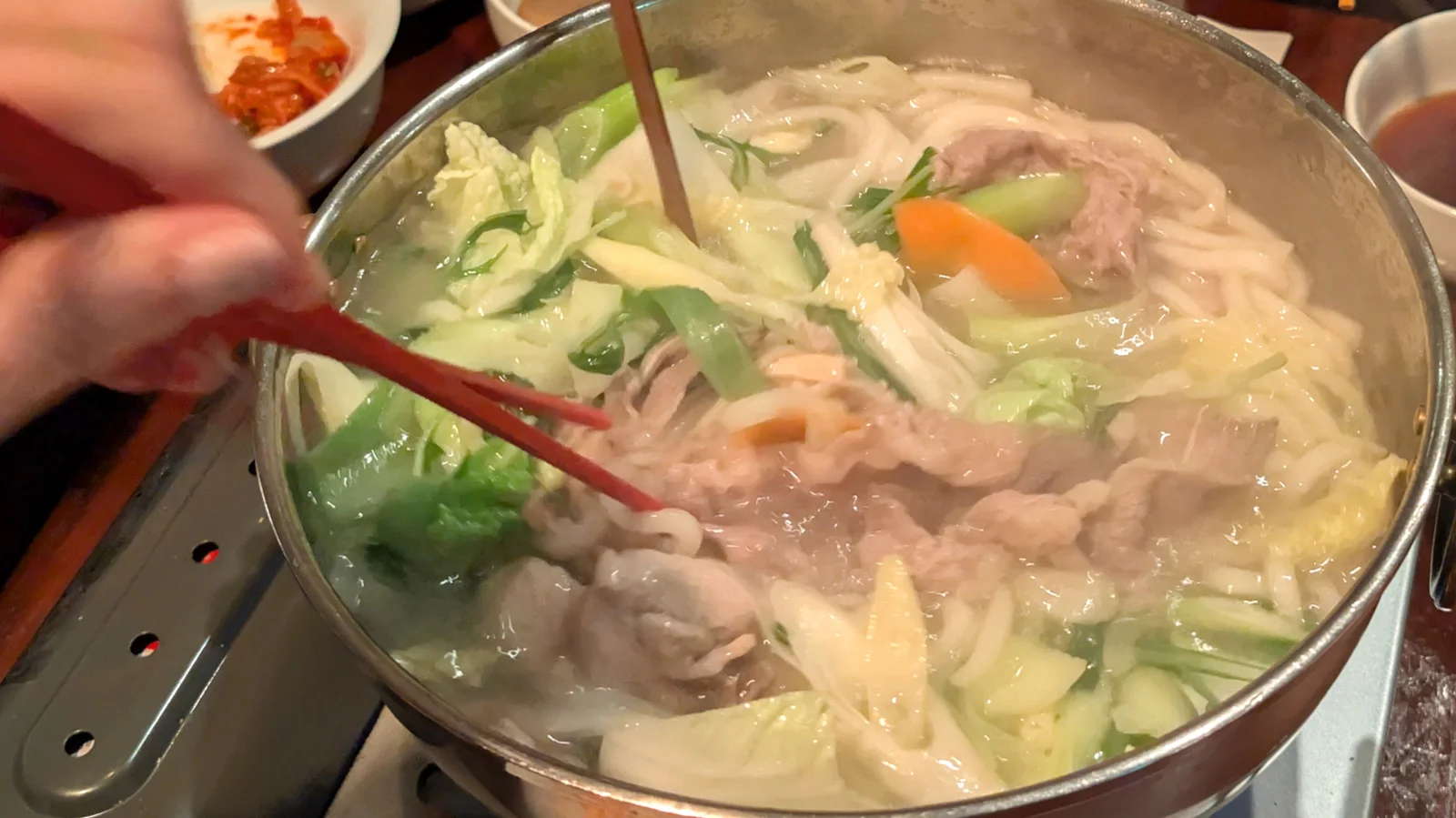
If you're thinking about diving into the vibrant world of Japanese hot pot, there’s a lot more than just boiling some broth and tossing in ingredients. The experience of enjoying this communal dish, known as shabu-shabu, encompasses a series of delicious rituals rooted in tradition and flavor. After all, the right approach can transform a simple meal into a feast of harmonious tastes and textures.
This culinary art invites both novice and seasoned cooks to engage deeply with their food. Imagine sitting down at a low table laden with a bubbling pot of broth, essential ingredients patiently waiting to be cooked to perfection. It isn't just about eating; it's about the experience itself. Chef Kevin Lee—a Food Network champion and a respected name in culinary circles—shares insights that can help anyone navigate this delightful dining experience with ease. His guidance underscores how to select the finest ingredients, craft the ultimate broth, and serve everything to tantalizing effect, ensuring you'll impress even the most discerning foodies around your table.
The Ritual of Shabu-Shabu
The appeal of shabu-shabu lies not just in the food, but in the methodical nature of its preparation and consumption. Each ingredient demands attention; from thinly sliced meats to the freshest vegetables, every bite promises a burst of umami. This immerses you in the cooking process itself, enriching the shared experience with every swish of the chopsticks. But first, it’s vital to grasp a few key rules before diving in—this isn’t just a casual affair; it’s a culinary dance that invites you to savor each moment fully.
The ritual of shabu-shabu typically begins with a choice of broth, which can range from a light, delicate stock to a more robust, spicy base. As the broth bubbles away, diners take turns dipping their chosen ingredients in, watching them transform from raw to deliciously tender. Every participant plays a role—it's not just a meal; it’s a communal activity. The air is filled with laughter and conversation, blending flavors and stories together. The emotional connection formed over shared efforts in cooking holds much of the value here.
But don’t overlook the importance of technique. An understanding of how long to cook each ingredient—timed precisely so it retains its texture and flavor—is essential. That's where Chef Lee’s expertise shines; his insights help culinary enthusiasts avoid common pitfalls and enhance their skills.
Ingredient Selection: The Heart of Hot Pot
So, if you've wondered how to navigate the hot pot scene without feeling like an amateur, worry no more. Choosing the right ingredients can dramatically change the experience. Seasonal vegetables, for instance, not only brighten the dish visually but elevate the flavor profile. Ingredients like bok choy, mushrooms, or even slices of daikon can add depth and intrigue—these should be prioritized to ensure a sensational meal.
What’s more, the significance of slicing techniques cannot be understated. Proteins, for example, should be sliced paper-thin to allow for rapid cooking. The method you use can mean the difference between a tender bite and a chewy challenge. Paying attention to these details reflects a commitment to getting it right and elevates the dining experience tremendously.
Here’s the thing: while you can easily replicate traditional dishes, embracing creativity in your selections adds a layer of excitement. Try incorporating less conventional ingredients, or mix and match flavor profiles among the sauces served alongside. This is a chance for you to express culinary individuality, to experiment and push boundaries.
Creating Memorable Experiences Around the Table
What’s striking is how customizable hot pot can be. It allows each participant to engage with the meal uniquely, tailoring their bowls with selected ingredients and condiments. This communal aspect fosters a sense of togetherness but also places the onus of creativity on the diner. If you're keen on impressing at your next gathering, think beyond tradition; consider bold new combinations and unexpected garnishes.
And this is the part most people overlook: it’s not just a matter of what you throw into the broth, either. The broth itself evolves throughout the meal, growing richer with each added ingredient. With each layer of flavor added, the broth becomes a culinary canvas, and knowing when to ladle that liquid gold into your bowl can be the difference between a lively medley of flavors and a disappointing experience. Timing and selection can create a meal that is simply unforgettable.
The Future of Hot Pot and Its Cultural Significance
Looking ahead, the hot pot trend shows no signs of waning. With the rise of personalized dining experiences, shabu-shabu fits neatly into this realm. It offers diners an opportunity not just to enjoy food, but to participate in an interactive culinary experience.
This shift speaks volumes about modern dining expectations. Increasingly, people prioritize meals that crave interaction and engagement, making hot pot a perfect fit. If you're working in this space, understanding its cultural resonance will help you connect with patrons seeking authentic experiences.
As diners continue to explore and evolve their food preferences, the world of shabu-shabu will adapt. So next time you gather friends or family around a bubbling pot, remember: every choice, from the ingredients to the garnishes, contributes not only to the meal’s flavor but also to the memories made around the table. Where will you take your hot pot next?
Discussion
Sign in to join the discussion.