In-N-Out unveils three key changes for 2026, swapping ingredients for healthier options and promoting accessibility while maintaining menu consistency.
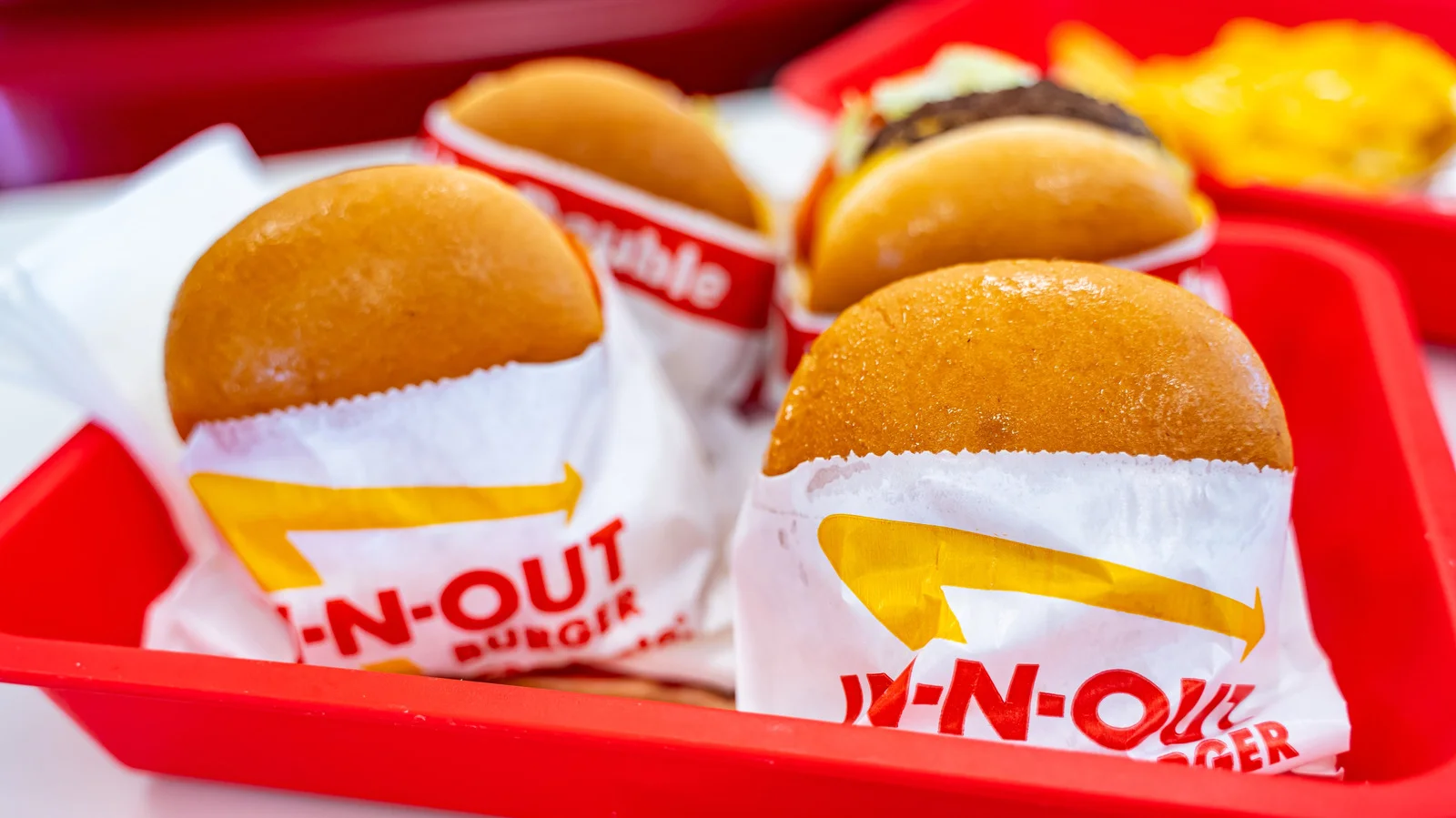
In a landscape where many fast-food chains cling to established recipes, In-N-Out is breaking from tradition with noteworthy menu adjustments set for 2026. The changes reflect a shift toward quality and customer preferences, aiming to enhance the dining experience without overhauling their beloved offerings. This approach illustrates a delicate balancing act: staying true to core customer beliefs while adapting to evolving tastes in the fast-food sector. Fast-food consumers today increasingly prioritize health and quality, and In-N-Out's decision to modify its menu could be seen as a strategic move to capture that demographic.
Ingredient Upgrades for a Healthier Future
Among the most significant shifts is the replacement of iodized salt packets with sea salt. While this may seem minor, sea salt is perceived as a more natural alternative, potentially offering a fresher taste devoid of the slight metallic tang found in traditional table salt. This change taps into a broader consumer trend favoring less processed foods and ingredients perceived as healthier or more gourmet. Alongside this, In-N-Out plans to replace its high fructose corn syrup-laden ketchup with a version sweetened using real sugar, catering to health-conscious consumers wary of more controversial sweeteners. These small shifts could resonate strongly with a segment of the market that's become increasingly knowledgeable about food ingredients.
Bun Changes Targeting Dietary Restrictions
The most prominent update involves alterations to the buns—but only in ten states. In-N-Out will phase out sesame flour in its buns, a move likely designed to alleviate concerns for diners with sesame allergies. While the company hasn't explicitly confirmed that allergy concerns prompted this change, it does enhance accessibility for those affected. This is more significant than it looks; allergen-friendly options are increasingly becoming a requirement rather than an afterthought in many consumer markets, particularly among dining establishments. As restaurants face greater scrutiny over food allergies, In-N-Out’s initiative positions it ahead of many competitors who continue to overlook the needs of a growing demographic.
In-N-Out’s Gradual Evolution
These ingredient changes align with In-N-Out's long-standing dedication to fresh, straightforward fare. CEO Lynsi Snyder had once taken a firm stance that expansion beyond Texas wouldn’t happen; however, the chain is making inroads into new markets, with an office now established in Tennessee and several stores opening there. This blend of commitment to quality and strategic flexibility hints at a broader vision for the future while preserving the essence of what makes In-N-Out so popular. In-N-Out has always thrived on its simplicity, and even these adjustments maintain that core philosophy while pushing into an area that many fast-food companies often falter: listening to their customers. If you're working in this space, you know how vital it is to adapt to changing preferences.
Implications and Future Outlook
What this means for In-N-Out is multifaceted. The culinary landscape is rapidly shifting, and consumer health awareness is now a dominant force. If the company can successfully implement these changes while maintaining its trademark efficiency and service quality, it might not only strengthen its current customer base but also attract new patrons. The growing trend toward transparency in food sourcing and ingredient quality makes this a timely pivot for the organization. A strategic shift like this could genuinely set a precedent for how chains adapt to healthcare-related consumer expectations.
Still, there's a risk. A loyal customer base often has very specific expectations around taste and experience. While some patrons may welcome these shifts, others could see them as unnecessary meddling with a classic formula. Changing the core ingredients in iconic products can lead to backlash, especially from die-hard fans who’ve been loyal to In-N-Out for years. That said, any fast-food brand that can pivot effectively in response to evolving consumer demands often finds itself with a stronger market position than before—a lesson many in the industry are learning the hard way.
And this is the part most people overlook: the balance between change and tradition. In-N-Out has the opportunity to play a crucial role in redefining customer expectations in fast food by leading on health issues while remaining committed to its original values. If executed well, this could catalyze a series of similar shifts in the industry, pushing competitors to step up their game—because nobody wants to be left behind.
In the end, the strategic menu changes by In-N-Out aren't merely about appealing to health trends; they're an astute recognition of the shifting dynamics in consumer expectations. The company's successful navigation of these changes could well serve as a blueprint for others moving forward, clarifying that even in the fast-food sector, you can marry tradition with modern health sensibilities.
Discussion
Sign in to join the discussion.