Covering, watering and insulating roots can help protect vulnerable crops from frost as temperatures fall.
Frost protection comes down to managing two risks: ice damage to plant tissue and rapid temperature loss around the crop. Ice crystals can disrupt fluid movement inside plant cells and damage cell walls, leaving leaves wilted, water-soaked and dark brown. A few targeted steps can help gardeners protect tender vegetables and keep beds productive through cold spells.
Crop tolerance varies. Garlic, broccoli and cauliflower are among the cool-season vegetables that can handle colder conditions. Warm-season crops—including tomatoes, peppers, cucumbers and melons—are more vulnerable; temperatures below 33°F can damage them. The right response depends on the forecast, the crop’s exposure and whether the plant is growing in a bed or a movable pot.
Cover a bed with a hoop house
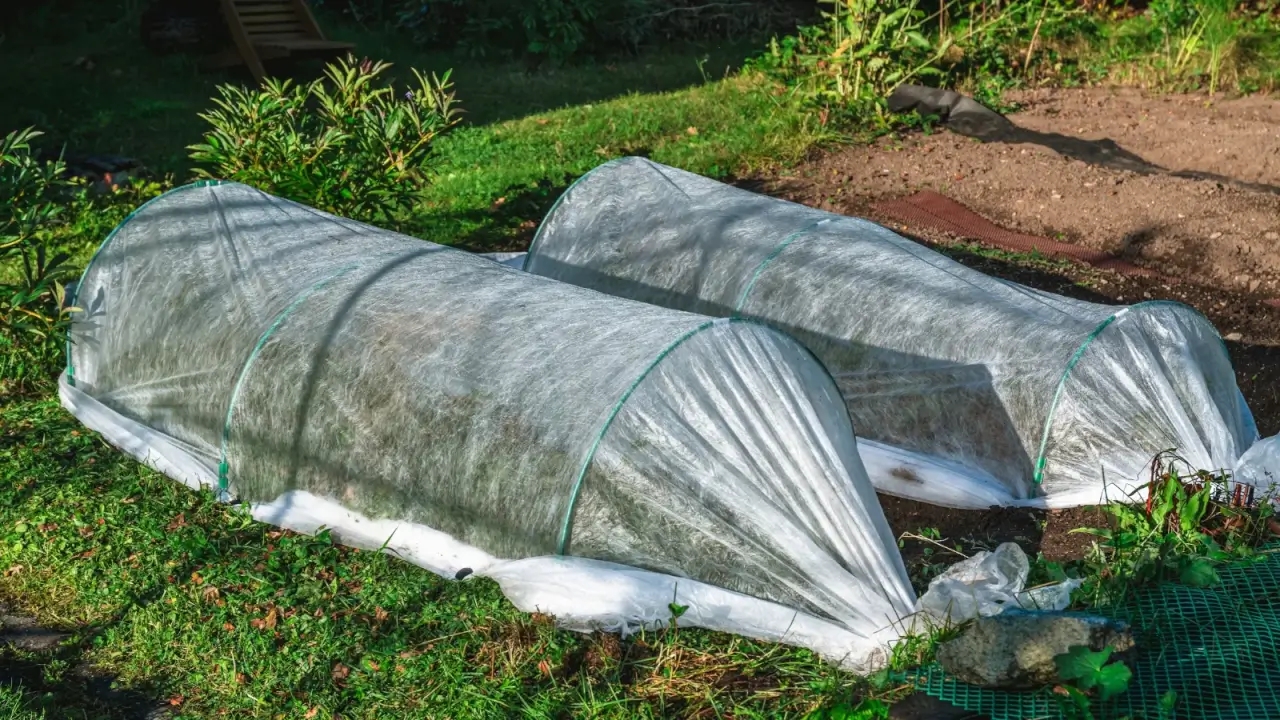
A hoop house creates a sheltered space over a larger garden bed. Hoops made from arched pipes, wire or frames support a covering of thick greenhouse plastic, forming a buffer between the plants and cold air. For gardeners trying to extend a growing season, this setup can protect several rows at once and stay in place as temperatures shift.
Ready-made kits are available through garden centers and online retailers. A homemade version is also possible; the basic design relies on sturdy hoops, a secure frame and plastic stretched over the structure. Before a cold night, check that the covering is anchored so wind can’t lift it and expose the bed.
Water soil before temperatures drop

Moist soil can release heat upward, so watering ahead of an overnight frost may help moderate the temperature around plants. Aim to water during daylight, giving the ground time to absorb the moisture before nightfall. The goal is damp soil, not saturated beds.
If frost is already present before sunrise, a light watering can help the plant adjust as the morning warms. Frozen tissue may be vulnerable to a sudden temperature change: when frost remains on a plant as the sun rises, its cells may not adapt quickly enough and can rupture. A light film of water releases heat gradually as it changes temperature. Use this approach lightly, and focus on timing rather than soaking the foliage or soil.
Use fabric or other covers overnight
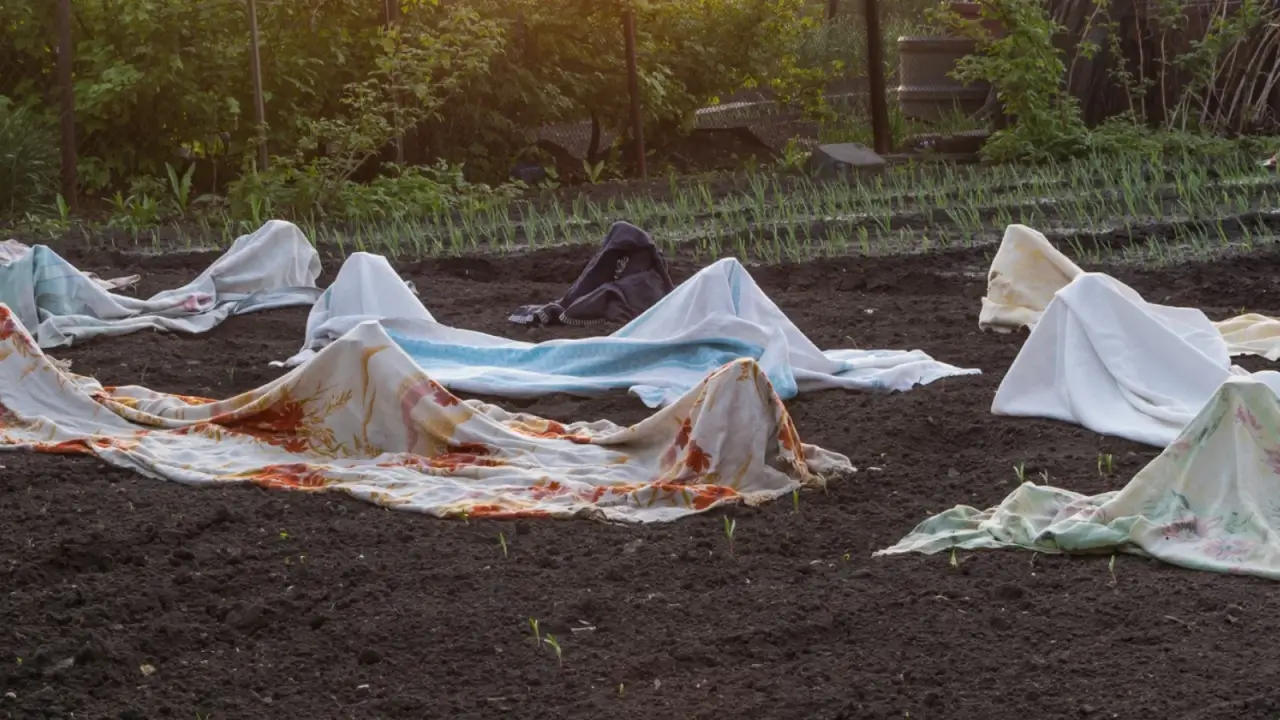
For a light frost, an old sheet, blanket or painter’s plastic can serve as a temporary cover. Drape it over plants in the evening, then secure it to tomato cages or sturdy vines with clips or clothespins. Rocks or bricks around the edges can hold the material down when wind threatens to pull it away.
Keep heavy material from pressing on delicate plants by supporting it with garden stakes. For a stronger frost—roughly six to eight degrees below freezing—a heavier fabric grow cover designed for frost protection is the better choice. Whatever the material, remove it in the morning so plants aren’t left covered after the cold has passed.
Protect individual plants with cloches
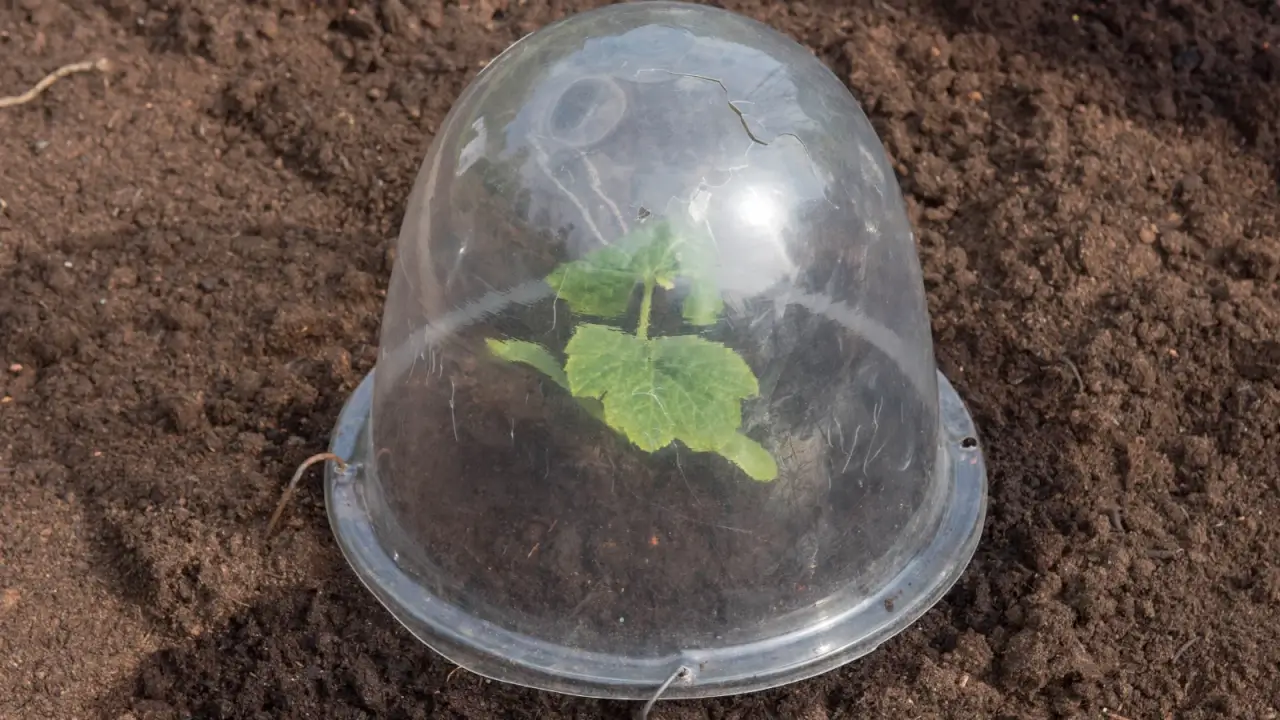
A cloche is a small cover placed over a single plant, useful when only a few crops need protection. Glass or plastic bell-shaped covers work, as do household containers such as milk jugs and soda bottles with their bottoms removed. Buckets and glass jars can also shield individual plants.
These covers can hold heat, which helps overnight but can become a problem as daytime temperatures rise. Remove a cap or otherwise vent the container when conditions warm up. If a cloche has no practical way to vent, wait until late afternoon or early evening to place it and keep an eye on the temperature beneath it.
Move potted or transplantable crops indoors
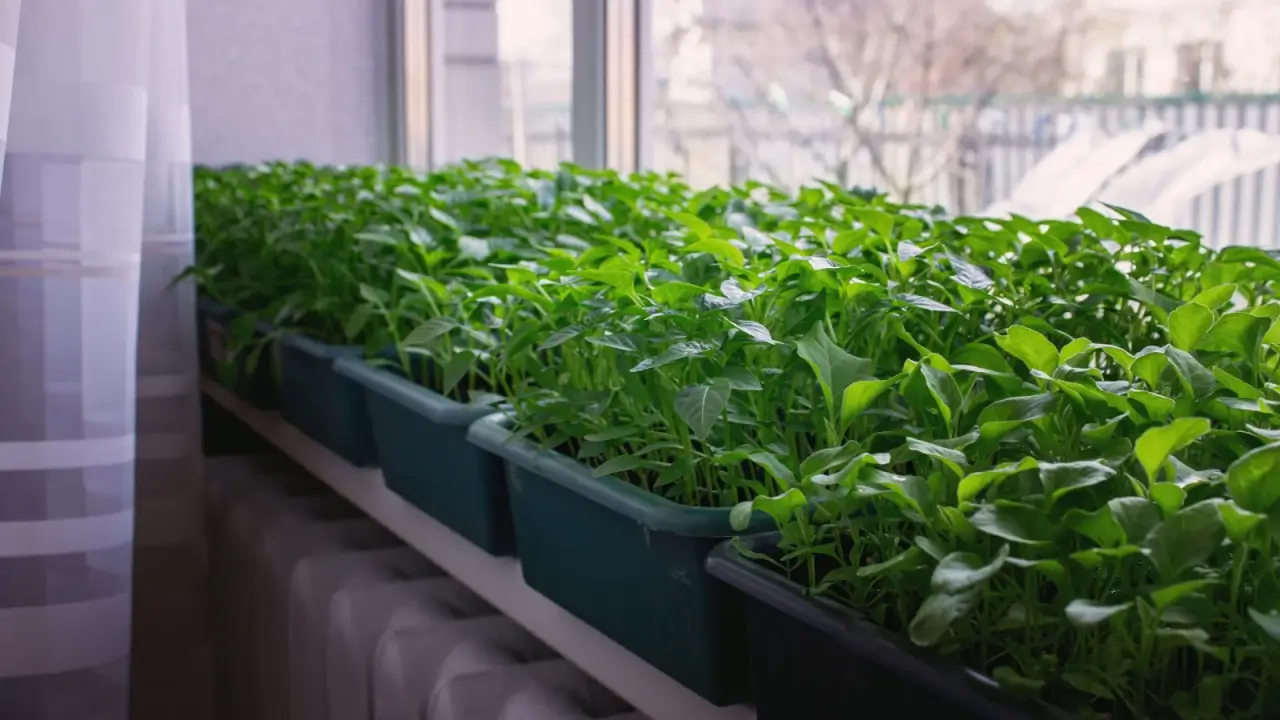
Plants in containers can be brought inside for a cold night, with a home or greenhouse providing shelter. For a crop growing in the ground, transplanting it into a large pot is another option when there’s room to move it indoors.
Dig around the plant with a shovel, leaving a few inches of space so you can lift a block of soil while retaining as much of the root mass as possible. Set the plant into a pot and add soil around it. Preserving the roots during the move gives the crop a better chance of settling into its temporary indoor spot.
Insulate the soil with mulch
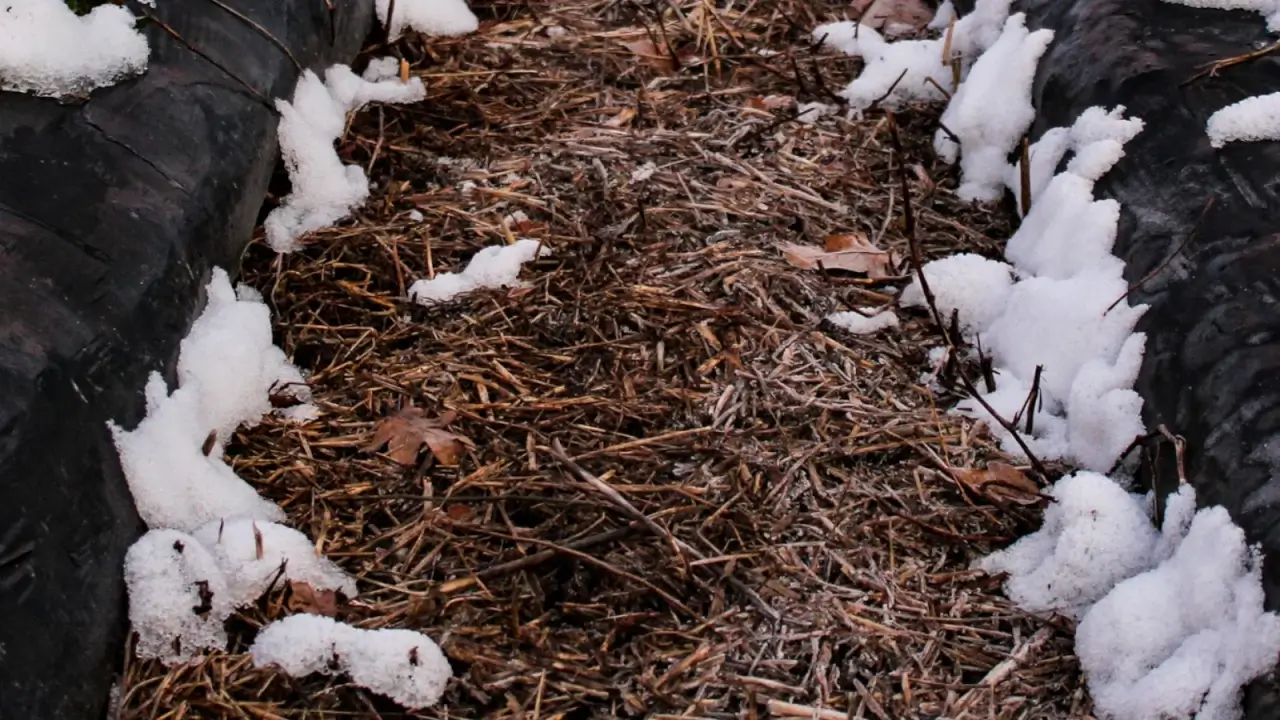
Mulch helps stabilize conditions below the surface by insulating soil and roots during temperature swings. It can also suppress weeds, add nutrients and reduce runoff, making it useful beyond frost protection. A thin layer across the topsoil can help preserve the conditions that support roots and other living organisms in the bed.
Fallen leaves offer an accessible mulch material as autumn progresses. Spread them over the soil around plants to add insulation where it’s needed. Paired with covers for vulnerable foliage, mulch addresses a different part of the problem: protecting the root zone while the air above ground turns cold.
For gardeners facing a forecast frost, the most practical choice depends on the scale of the exposure. Hoop houses can shelter whole beds, cloches and blankets suit targeted protection, and mulch helps buffer the soil. Watering at the right time or moving a plant indoors can add another layer of defense. Matching the method to the crop and the expected cold is the clearest way to carry tender plants through the night.



Discussion
Sign in to join the discussion.