From low light sprouts to heat hungry tomatoes, these eight crops can bring fresh harvests indoors when winter limits outdoor growing.
Winter growing comes down to matching a crop to the light, warmth and space you can provide. Sprouts and herbs ask relatively little; tomatoes, peppers and citrus need long days under strong light and steady heat. That distinction is the useful starting point for deciding what belongs on a windowsill and what needs a grow light.
Low effort: sprouts, herbs and leafy greens
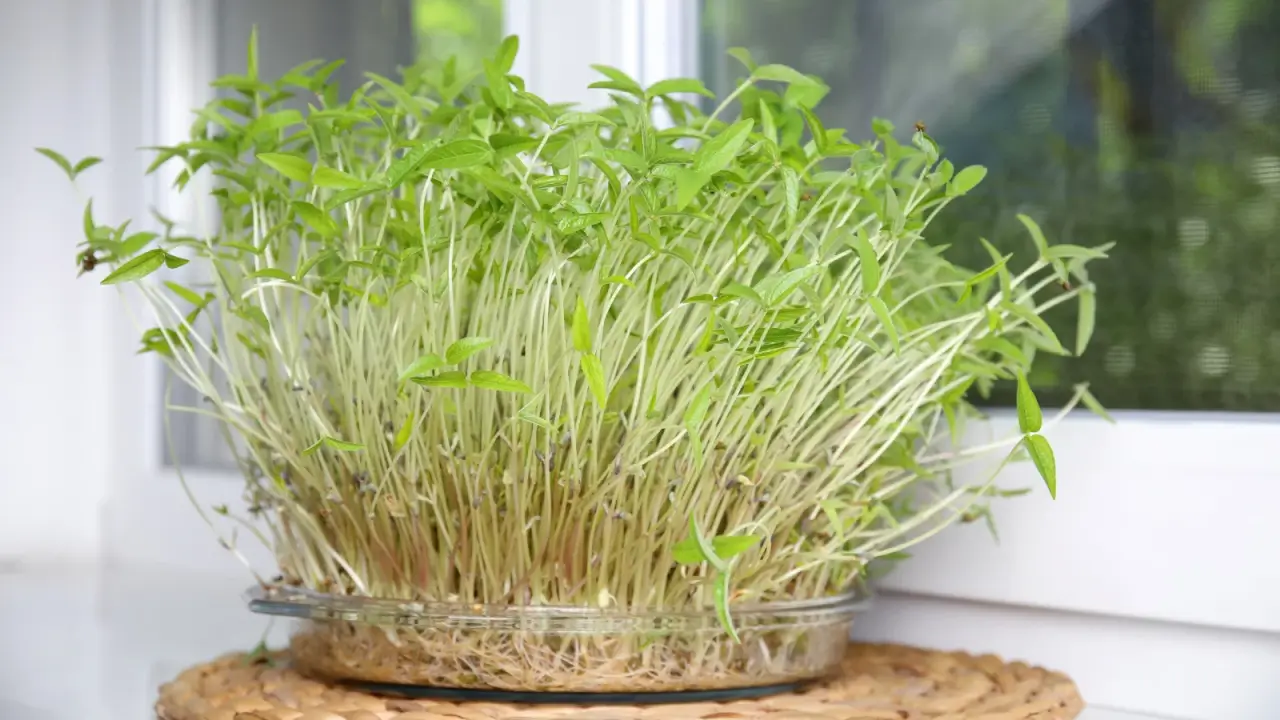
For the simplest winter harvest, start with sprouts. Soak seeds such as mung beans, alfalfa or sunflower for a day or two, then let them germinate in a jar with a perforated lid. Rinse them twice daily. They don’t need direct sun; ordinary room light or indirect window light is enough.
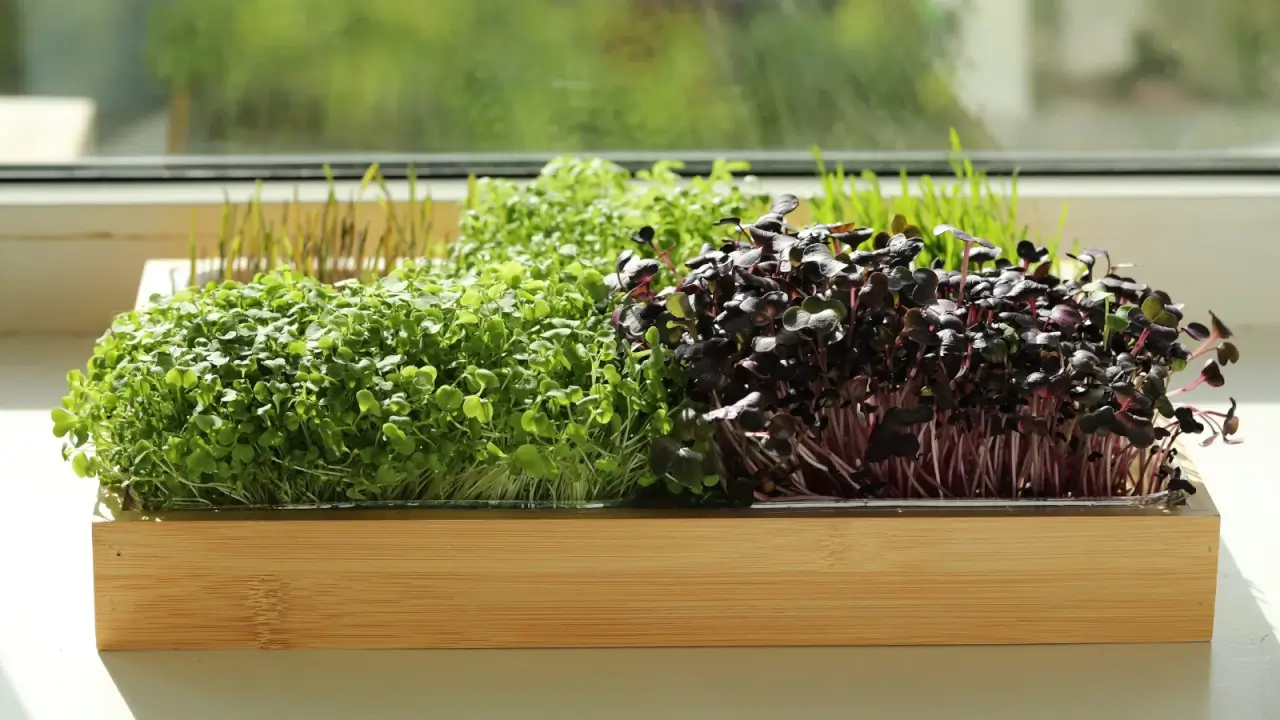
Microgreens take the process one step further: they grow in soil and are cut after their first leaves appear. Soak seeds overnight, scatter them over potting soil in a seedling tray, and keep the surface moist. Snip the shoots just above the soil. Leafy greens, peas, turnips, beets and radishes all work well at this stage.
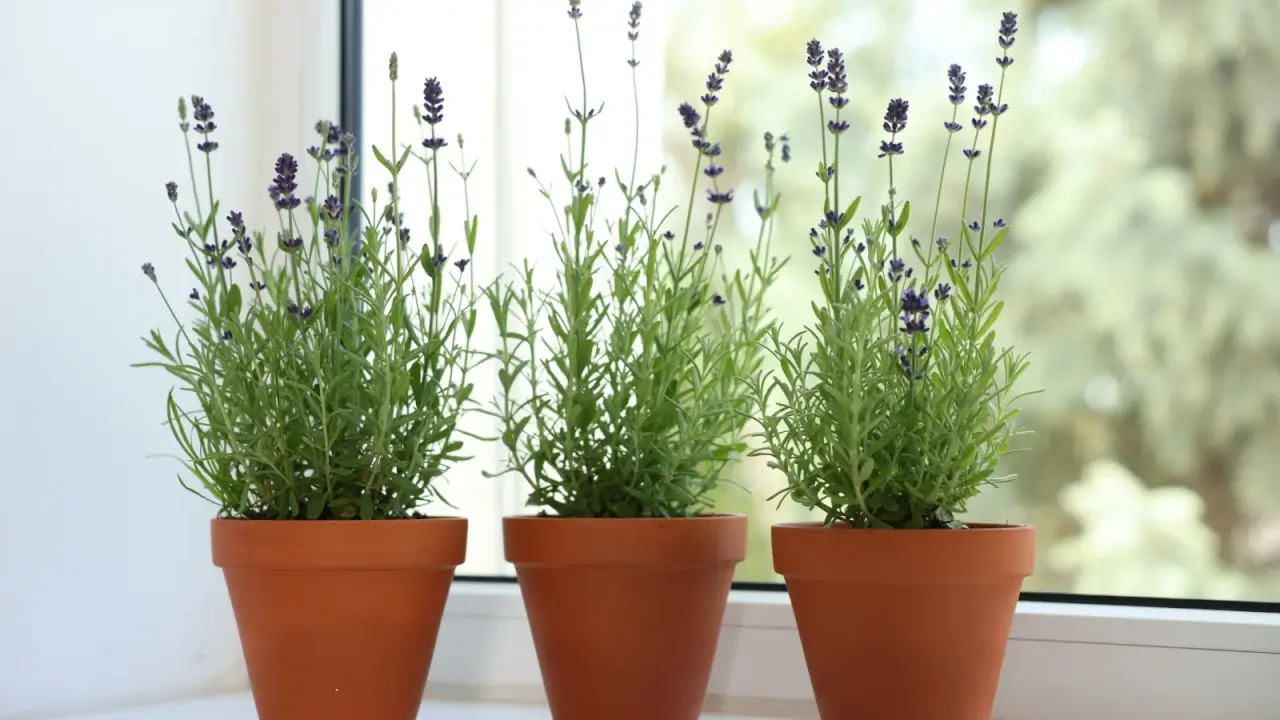
Herbs offer a broader range of flavors with modest space requirements. Basil, oregano, sage, lavender, mint, thyme, rosemary and dill can all grow indoors. Mint handles shade better than the others, though it still benefits from several hours of direct sun each day. Basil and dill need more warmth: keep them where nighttime temperatures stay above 60 degrees.
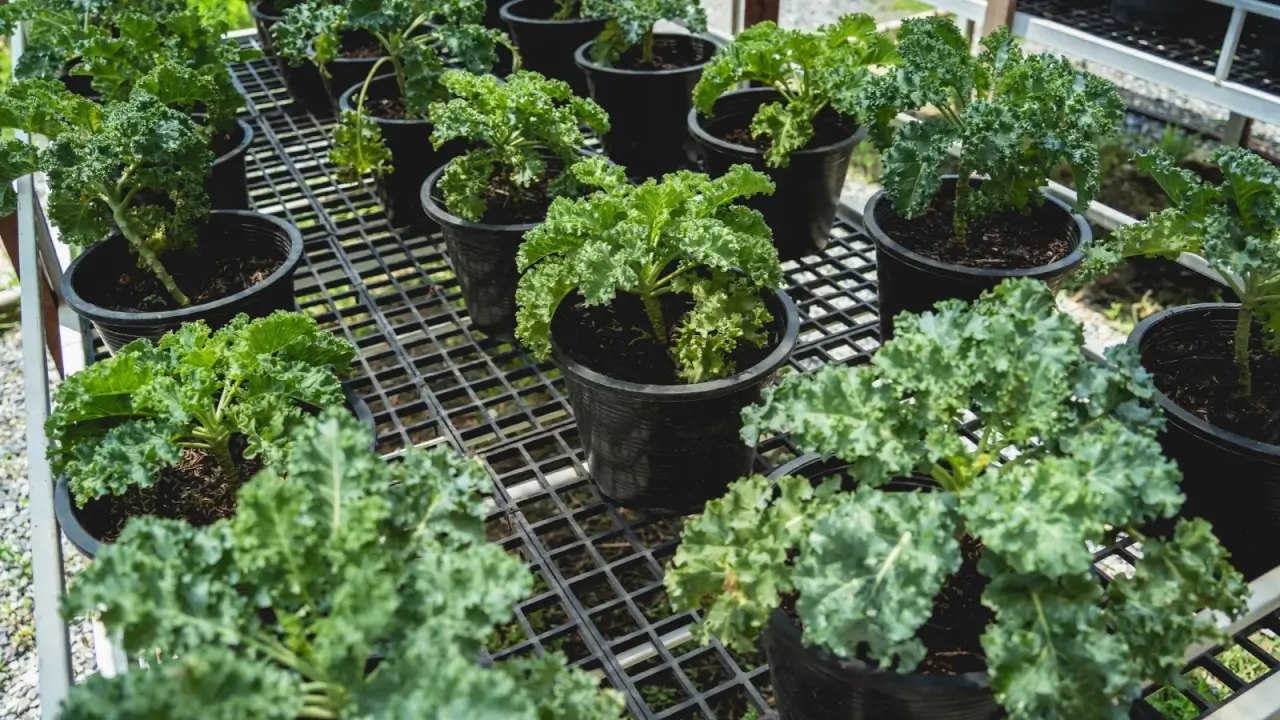
Lettuce, arugula, spinach and kale are better bets as baby greens than as full sized plants. Sow a fresh batch every few weeks to keep leaves coming. A sunny south facing window may provide enough light; elsewhere, plan on 10 to 12 hours under artificial lighting each day.
Warmth and light for fruiting crops
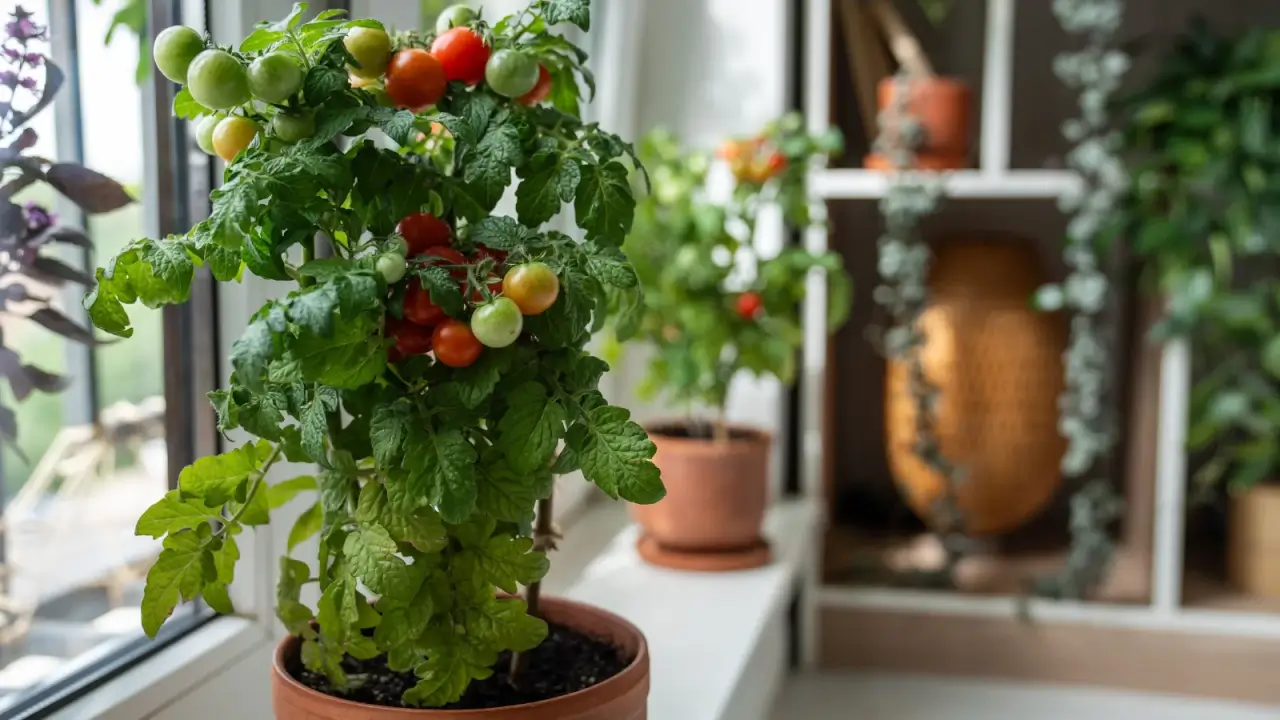
Cherry tomatoes can produce indoors, but they need a setup that resembles a bright, warm growing season. Give them about 16 hours of artificial light daily and keep nights above 65 degrees. A sunroom that reaches 75 to 80 degrees during the day is a good fit.
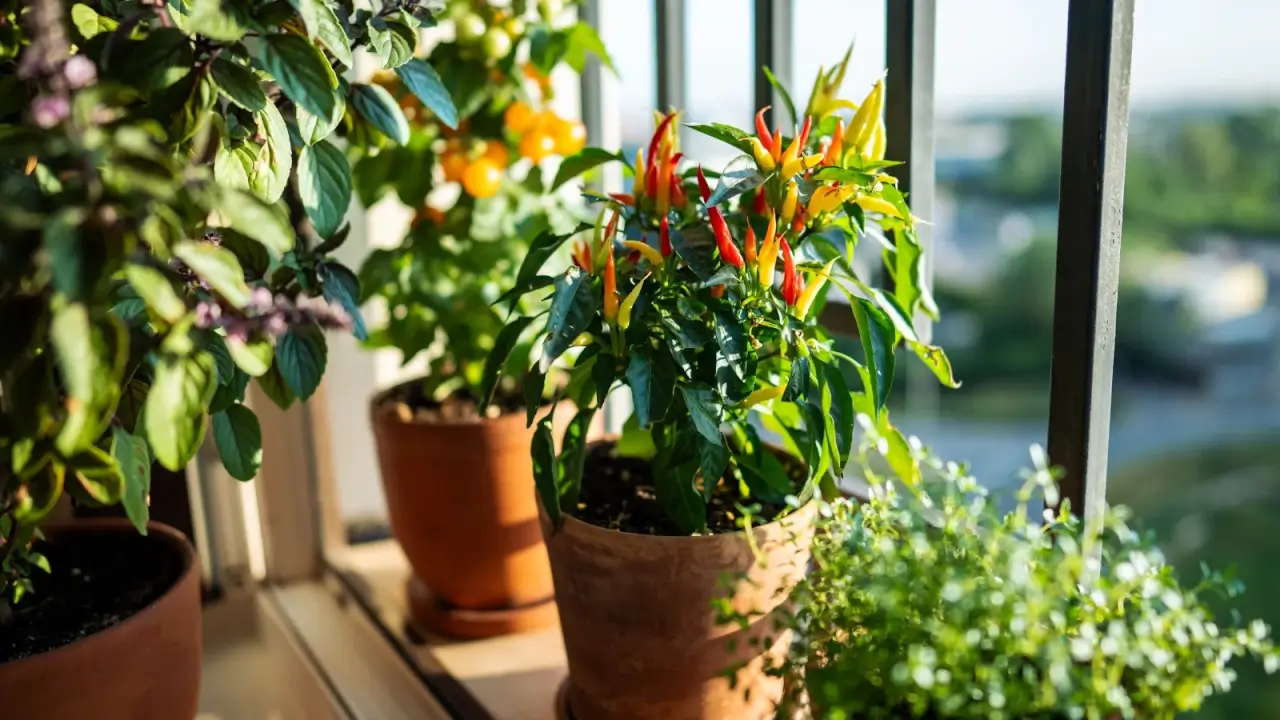
Chili peppers, including cayenne, jalapeño and habanero, have similar indoor needs to tomatoes. Smaller varieties such as cayenne are generally easier to ripen indoors, but they still call for ample light and warmth.
Special conditions for ginger and citrus
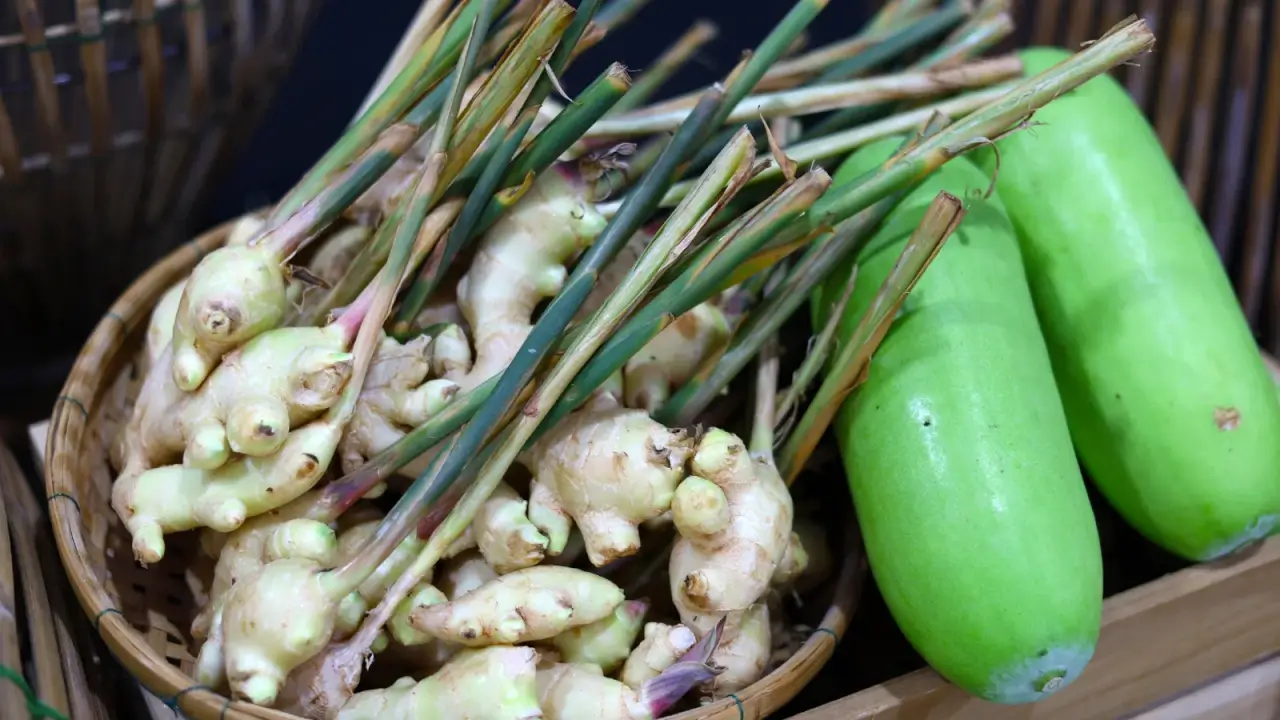
Ginger is a tropical plant, so a typical heated room can be too cool and dry. A large terrarium can hold the warmth and humidity it needs; a standard aquarium at least 24 inches tall can work. Plant ginger in six inch deep pots inside the enclosure, rather than directly in soil at the bottom, to ensure drainage.
To start plants, cut organic store bought ginger into two inch pieces, each with at least one knobby tip. Conventional ginger may have been treated with growth inhibitors. Ginger needs at least eight hours of direct sun or 16 hours under grow lights. A guide to starting ginger plants covers the process.
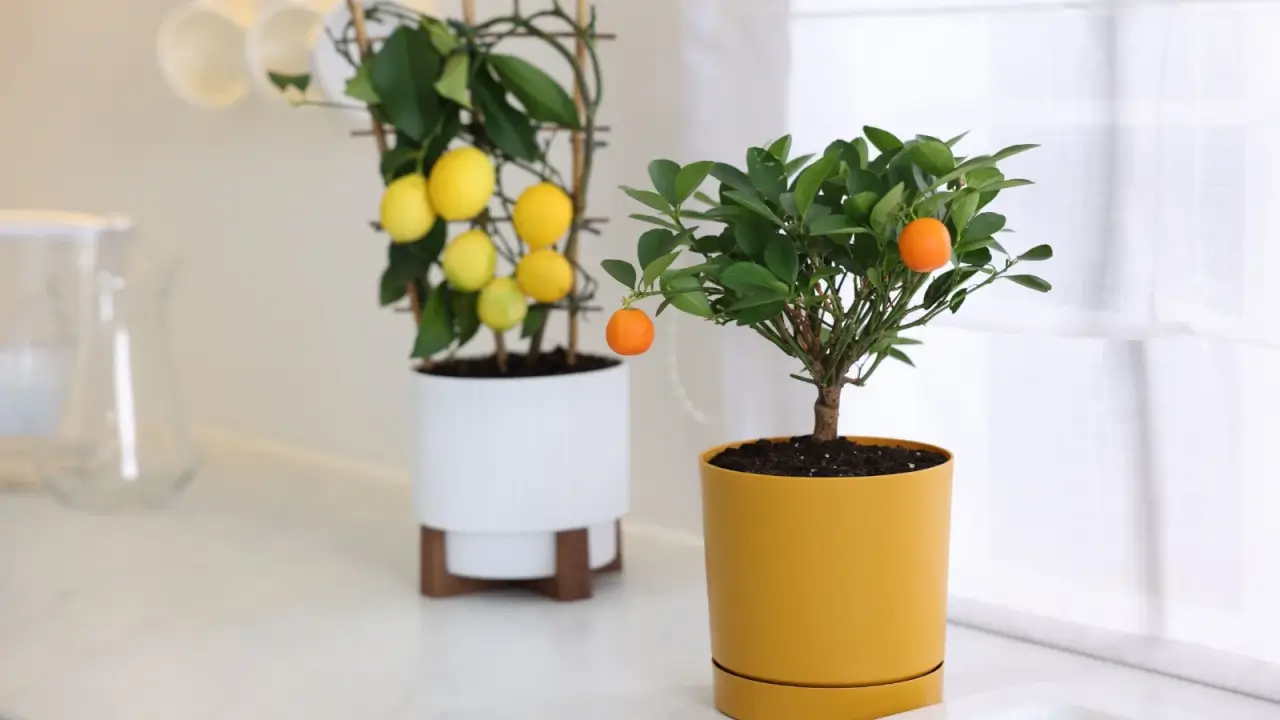
Dwarf citrus trees can grow in large pots and spend the cold months indoors. Many varieties ripen in winter, though lemons and limes are more reliable indoors than oranges or grapefruit. Keep trees outside from spring through fall, then bring them in when nighttime temperatures start falling below 50 degrees. In winter, they need eight hours of direct sun or 16 hours under grow lights.
The practical divide is clear: sprouts, herbs and baby greens suit modest indoor setups, while fruiting crops and tropical plants require more control over temperature and light. A bright window can carry some of the workload, but grow lights make the higher effort crops possible through the shortest days.

Discussion
Sign in to join the discussion.