Pose Bureau combines topology optimization and lost PLA casting to shape stainless steel coffee tools designed for daily use.
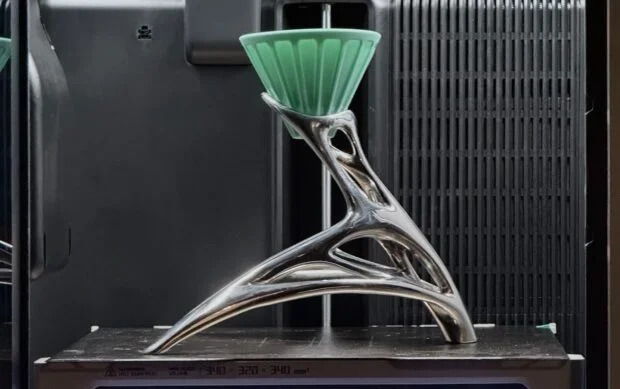
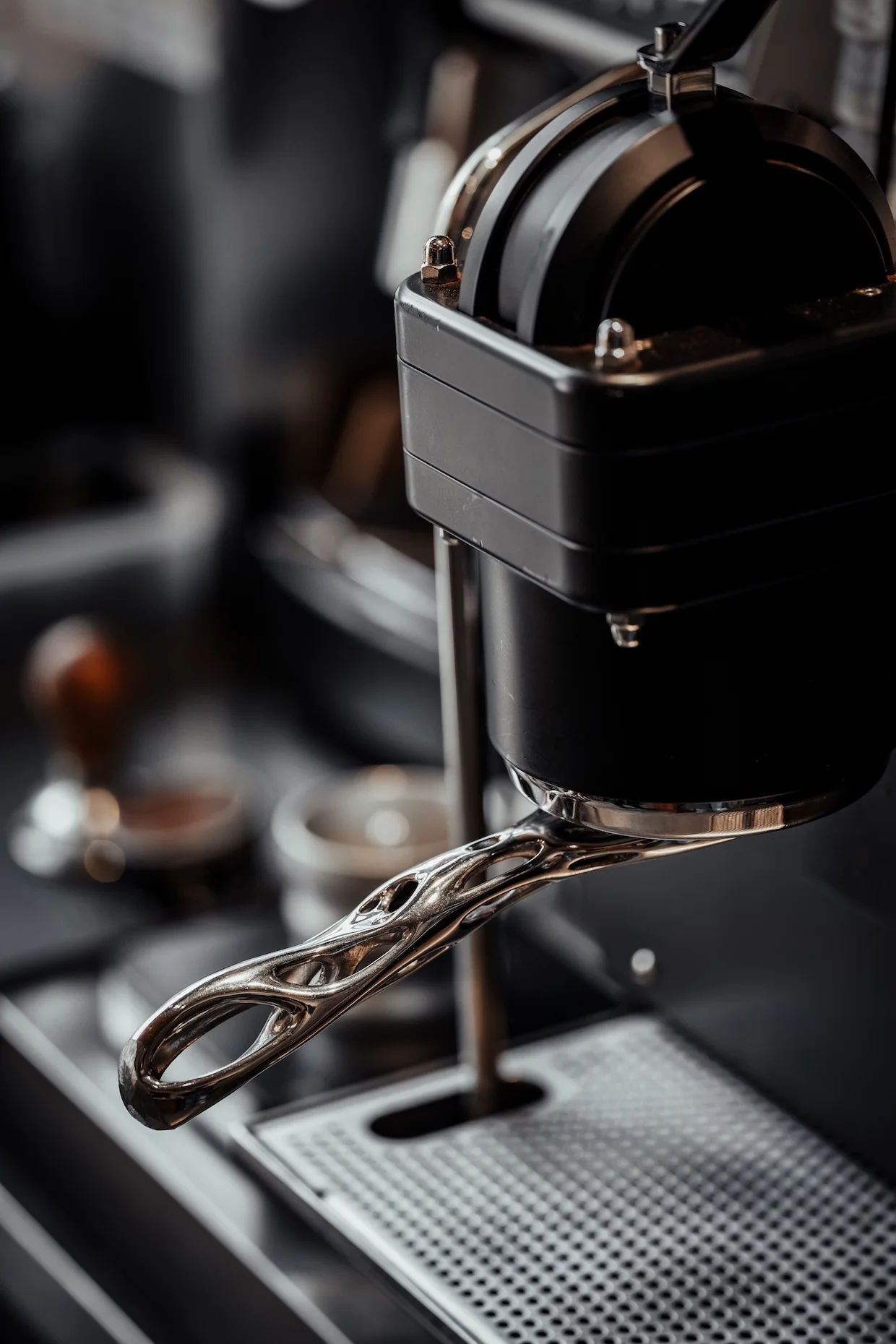
Pose Bureau is applying topology optimization to objects baristas handle every day, turning structural calculations into the sculptural forms of its X Coffee Tools. The Chinese design firm’s stainless steel range includes a portafilter, tamper and pourover stand, each shaped around the loads and functions it must support. The result sits between familiar café equipment and collectible design: the tools are meant to work, but their unusual silhouettes are part of the proposition. That balance is the project’s central test.
Engineering as a design starting point
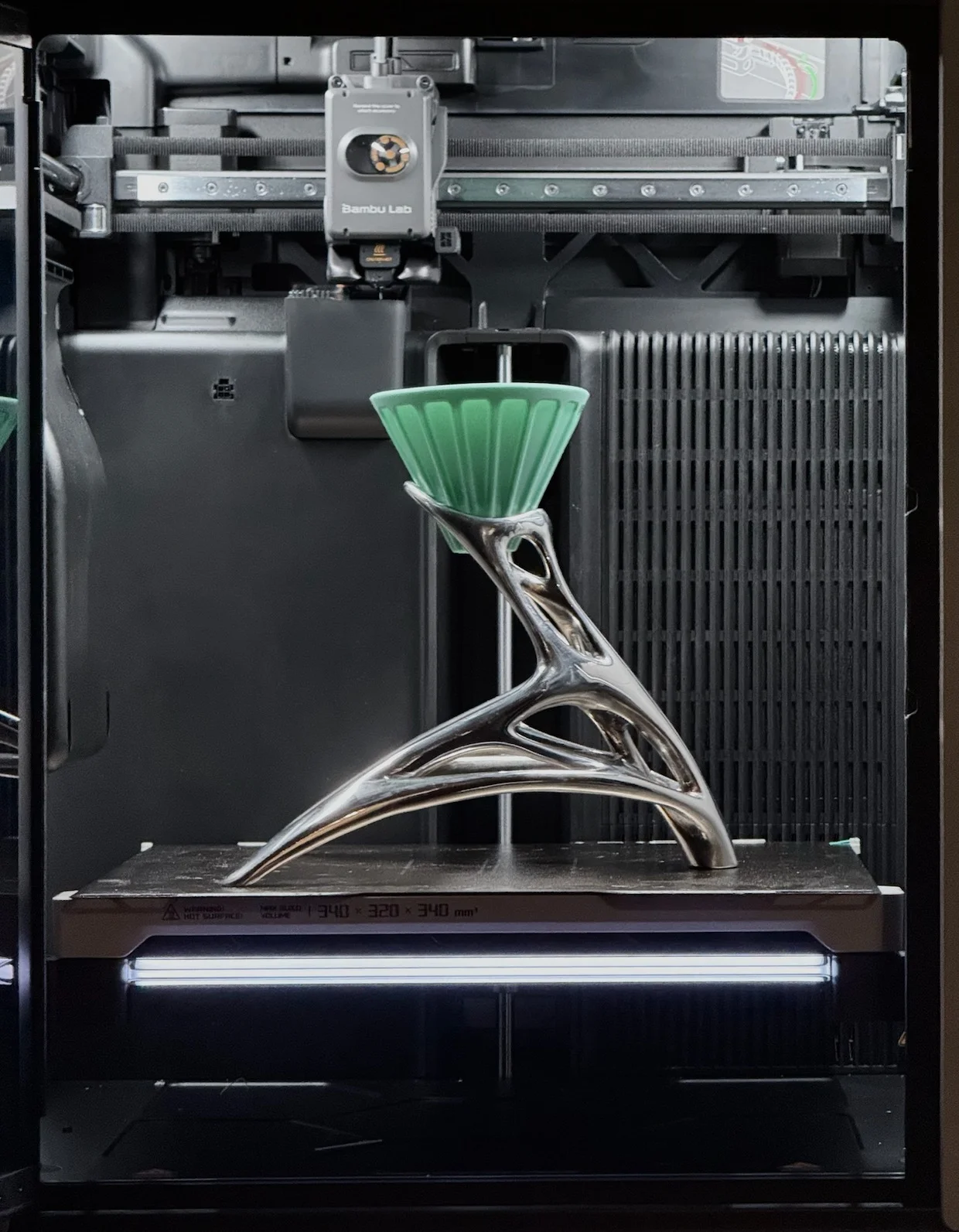
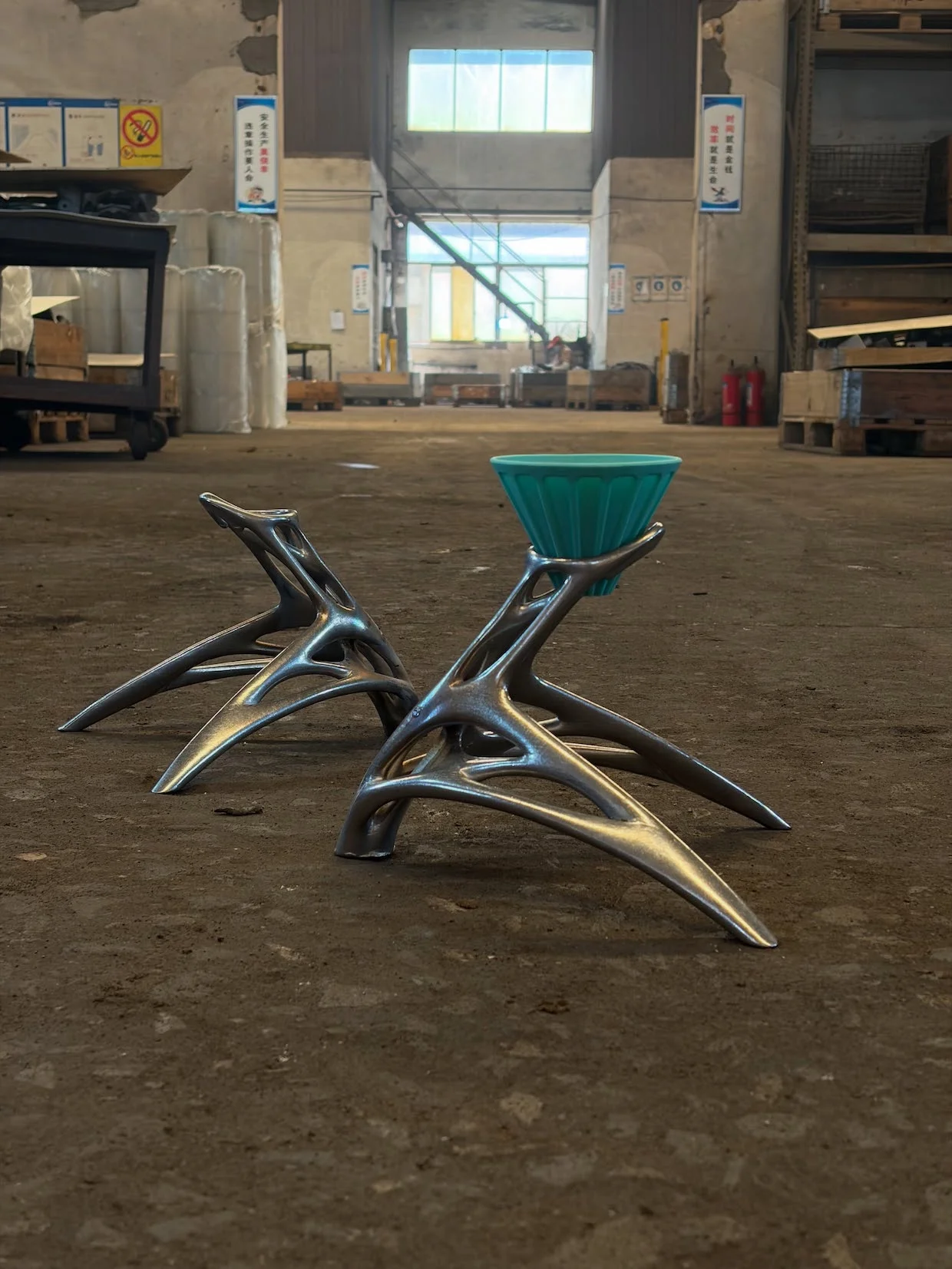
The tools’ branching handles, cavities and supports recall tendons and bones. Pose Bureau uses topology optimization to map where material is needed for strength and where it can be removed, then shapes those results into its own visual language. The pieces come in polished and matte finishes. In practice, the method gives the designers a structural map to work from, while leaving room for decisions about proportion, surface and the character of each object.
“We wanted to add our taste of aesthetics to the understanding of mechanical properties,” said co-founder Prospero Wang. The modeling process helps the team identify areas that need more material and places where heat should be avoided; the designers then interpret those constraints in the finished form. That distinction matters: optimization can inform a shape, but it doesn’t dictate what the object should look like or how expressive it should be. Pose Bureau is treating calculation as a starting point for design judgment.
Because the portafilter and tamper have familiar structural requirements—and the pourover stand has comparatively simple support demands—the team has room to push the visual treatment. Wang described the stand as resembling a dog’s leg, with visible bones and muscles. Early sketches went further, he said, but the central idea survived. The comparison makes the design’s intent plain: these aren’t neutral forms hiding their construction, but objects that turn support and structure into a visible motif.
Nature provides the primary reference. Wang and co-designer Yusheng Zhu, an illustrator and industrial designer, also draw inspiration from Dutch artist Joris Laarman and Chinese artist Zhipeng Tan. Wang said Pose Bureau shares their appetite for expressive forms while pursuing objects customers can actually buy and use. That commercial aim sets a practical constraint on the work: the pieces have to survive the daily motions of coffee preparation, not simply hold attention in a photograph.
Casting complex shapes in stainless steel
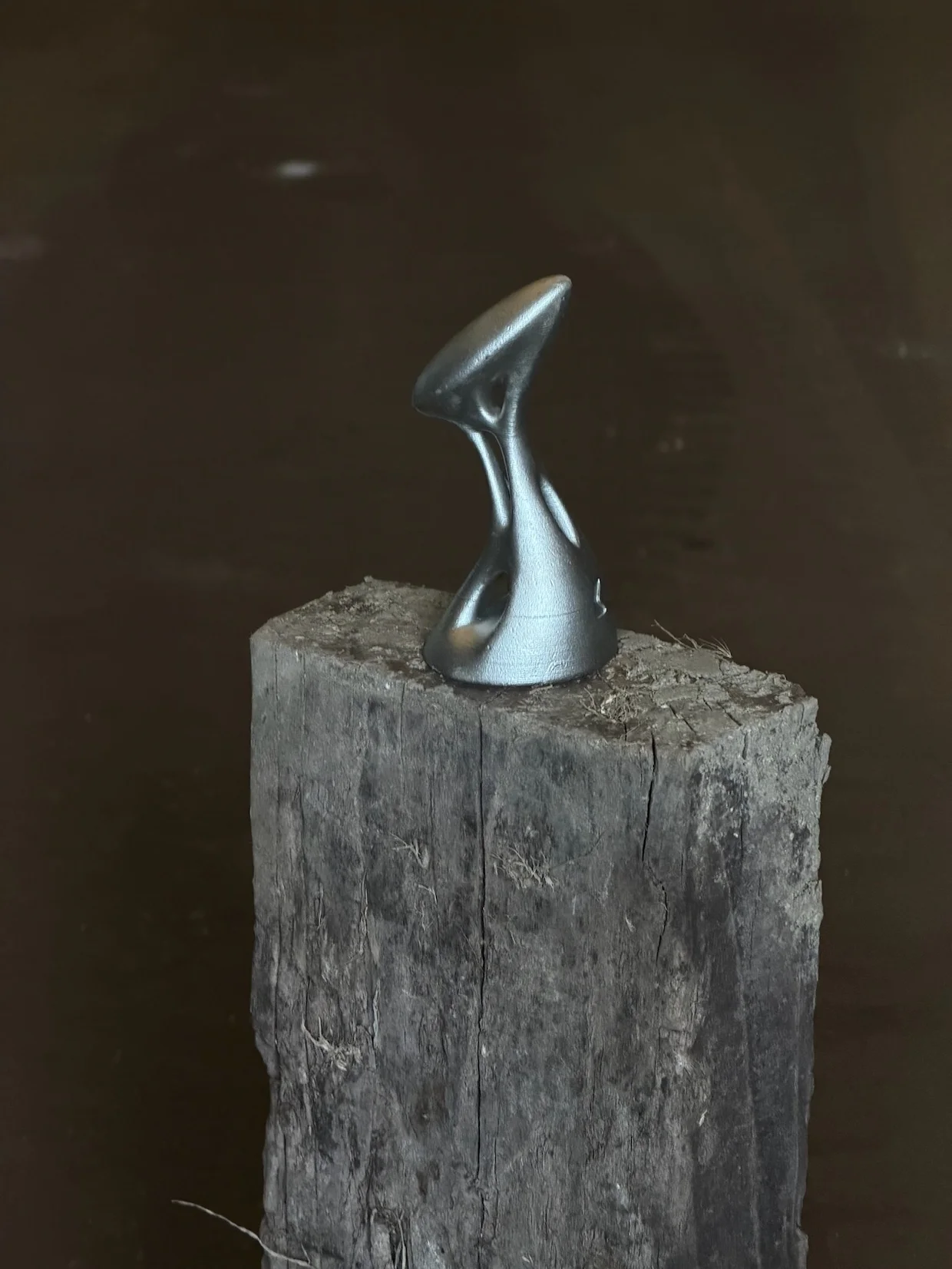
Pose Bureau makes the intricate forms through a process it calls lost PLA casting, pairing 3D printed plastic patterns with investment casting. The patterns are encased in ceramic shells, then burned out before molten metal is poured into the molds. Once the metal cools, the ceramic is removed. The sequence connects digital modeling to a traditional metalworking process: printed patterns give the designers a way to form complex shapes, while casting turns those patterns into metal objects.
The firm grew from an industrial casting operation established in China in 2011, which still prototypes and produces metal components for international clients. Wang said the X Coffee Tools are harder to make than many conventional foundry parts. That challenge helped make coffee equipment an appealing starting point for the project. It gives the team a defined set of objects and practical demands, while asking the foundry to handle forms that depart from more conventional parts.
The foundry’s equipment limits it to relatively small castings, while the team’s interest in specialty coffee pointed toward tools that invite repeated handling. Pose Bureau frames the products as functional art: their value, Wang argued, accumulates through daily use rather than through display alone. That claim rests on the interaction itself. A handle, balance point or surface is encountered each time someone prepares coffee, so use can make the design feel more personal; it can also expose any mismatch between striking form and comfortable work.
“If I operate the portafilter every day, like two shots, five shots, or 50 shots in a store, then the value is evened out,” Wang said. “We want to express our value through the day-to-day interaction with the art that we created.” The idea is persuasive, though it depends on the tools earning that repetition. A design can invite a second look on a counter; only regular use can show whether its form adds something to the routine. The daily test.
Prices and products in development
Pose Bureau lists the X Pourover Stand for $499, the 58-millimeter X Tamper for $99 and the 58-millimeter X Portafilter for $249. The company scheduled its third X Portafilter production run for November. The prices place the range at a level where buyers are likely to consider both function and design as part of the purchase. The gap between the stand and the smaller tools also makes clear that the collection doesn’t ask customers to make one uniform commitment.
New designs under development include an espresso demitasse, a V60 dripper and a lever arm compatible with Flair manual espresso makers. The range’s next test will be whether its expressive geometry can earn a place in more coffee routines, where the forms are experienced through repeated use as much as seen on the counter. If you’re working in this space, the broader point is familiar: technical constraints can produce distinctive objects, but distinctive objects still have to make sense in the hand. This is more significant than it looks. Pose Bureau is testing whether the tools of a routine craft can carry the visual ambition of collectible design without losing their practical role.


Discussion
Sign in to join the discussion.