African violets, amaryllis, Christmas cactus, cyclamen and anthuriums offer festive color, with distinct care needs that can carry them beyond the holidays.
Poinsettias dominate holiday plant displays, but five other houseplants offer color with a wider range of shapes, growing habits and care routines. African violets and anthuriums can keep producing flowers with suitable indoor conditions; amaryllis makes a dramatic seasonal centerpiece; Christmas cactus brings winter blooms; and cyclamen rewards careful watering with distinctive swept-back petals.
The choice comes down to the kind of display you want and how closely you’re willing to manage light and moisture. Some of these plants are ready to buy in bloom, while others can be started from bulbs, seeds or cuttings. Their requirements differ enough that treating them all like standard houseplants is a reliable way to lose the flowers.
African violets: compact color for bright rooms
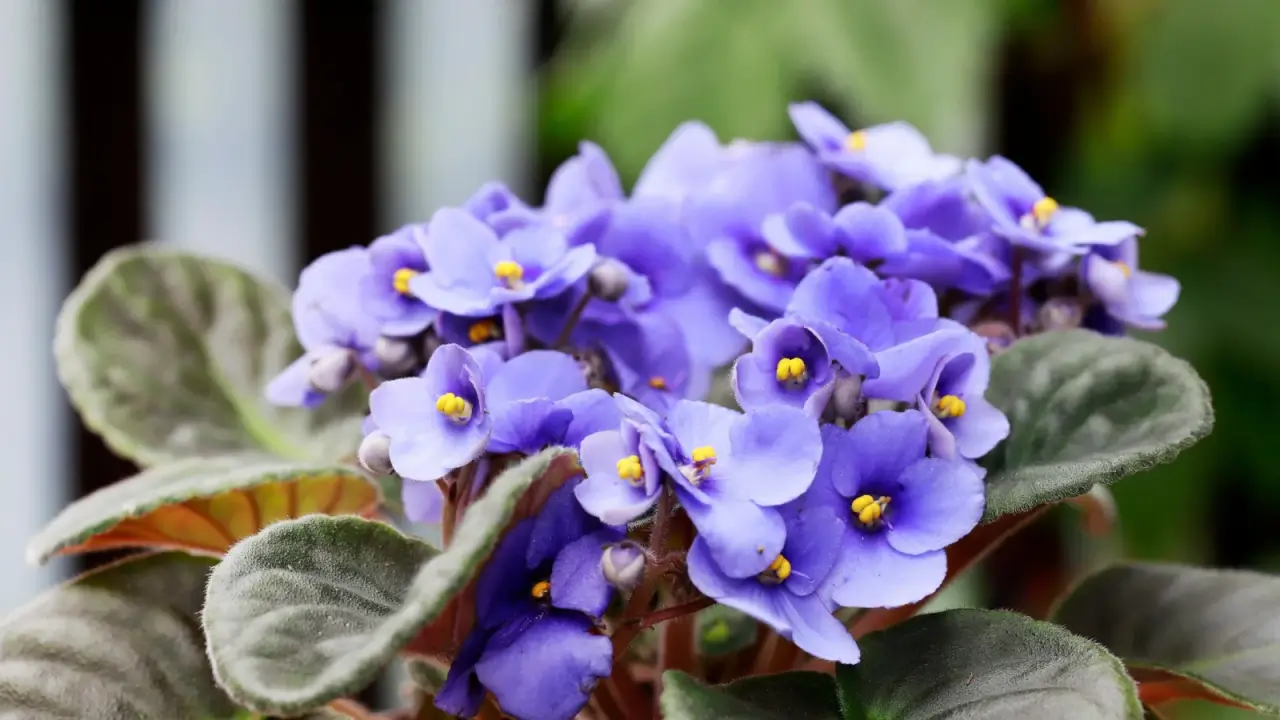
African violets suit a tabletop or a bright window ledge, with flowers available in violet, lavender, pink and white. Buying a plant already in bloom gives an immediate display; growing from seed takes longer, with seeds typically maturing in about 75 days.
Place the plant near a west- or south-facing window, where it can receive bright, indirect light. Drainage and airflow around the roots matter, so use a loose potting mix. All-purpose potting soil can work, or you can prepare a blend from equal parts soil, peat moss and horticultural perlite. Other options include peat with vermiculite or perlite, or a mix of leaf mold, peat moss, sand and topsoil.
Check the soil before watering: when the surface feels dry, water with lukewarm water until some drains through the pot. Let the pot stand for 20 to 30 minutes, then empty any water left in the saucer. Remove dead or damaged leaves and spent flowers by pinching them off; this keeps the plant tidy and supports healthy growth.
Amaryllis: a bulb with a timed payoff
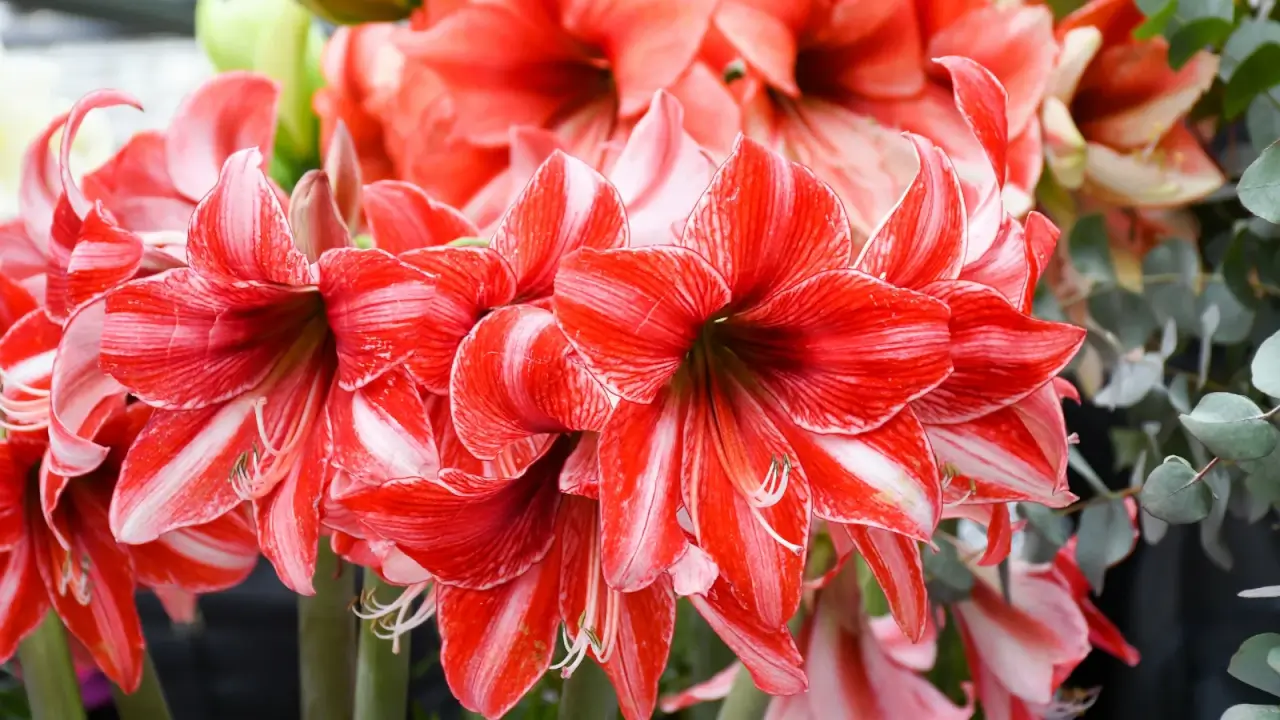
For a bold focal point, amaryllis is hard to miss. Its tall flower stalks rise from a bulb, and larger bulbs may produce two or even three stalks. Blooms come in solid and striped forms, including red, pink, white and orange. A bulb generally flowers in eight to ten weeks, so timing the purchase matters if you want it in bloom for a particular occasion.
Choose a container about an inch wider than the bulb and at least twice its height. Fill it with sterile potting soil that drains well, and leave roughly one third of the bulb above the surface. Water when the top two inches of soil have dried, allowing excess water to drain away.
Before flowers appear, give the plant bright direct sunlight. Once it begins blooming, move it to bright, indirect light. After the flowers fade, cut the stalk with clean scissors or a knife, leaving one to two inches above the bulb. That simple cleanup preserves the plant’s compact shape after its main show.
Christmas cactus: winter blooms with a light limit
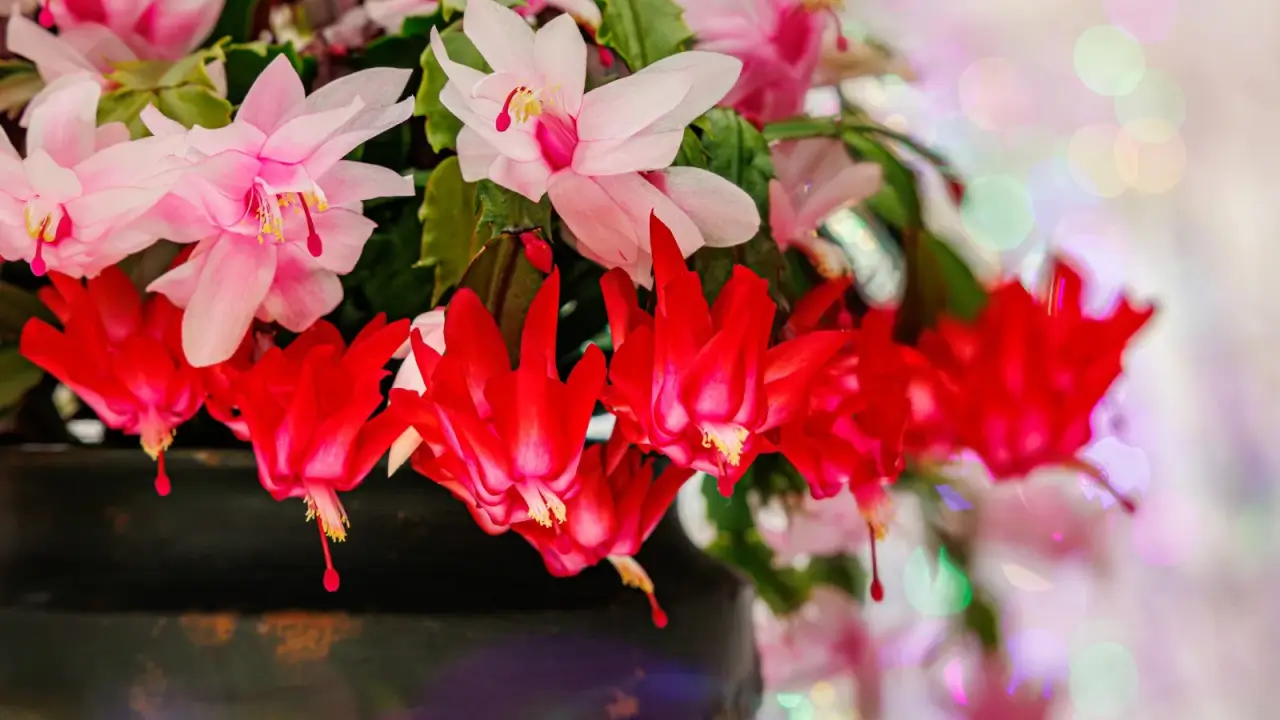
Christmas cactus flowers can be red, pink, purple, yellow or white, and the plant is usually sold already established. It can also be propagated from a healthy stem: take a Y-shaped cutting and set about one quarter of its length into soil.
Light is the main placement decision. The plant prefers indirect sun for no more than eight hours a day, making north- or east-facing windows useful options. Too much direct exposure can burn the leaves. If they begin turning red, the plant may be receiving more sun than it can handle.
Keep the soil moist but never waterlogged. Use a well-draining potting mix, with sand or small stones at the base of the pot, and water in small amounts when the top inch of soil dries. Saturated soil can lead to root rot. A potassium-rich fertilizer every two weeks can support growth. Once blooming ends, prune by twisting two or three stem sections from each branch on about half the plant.
Cyclamen: striking flowers, careful watering
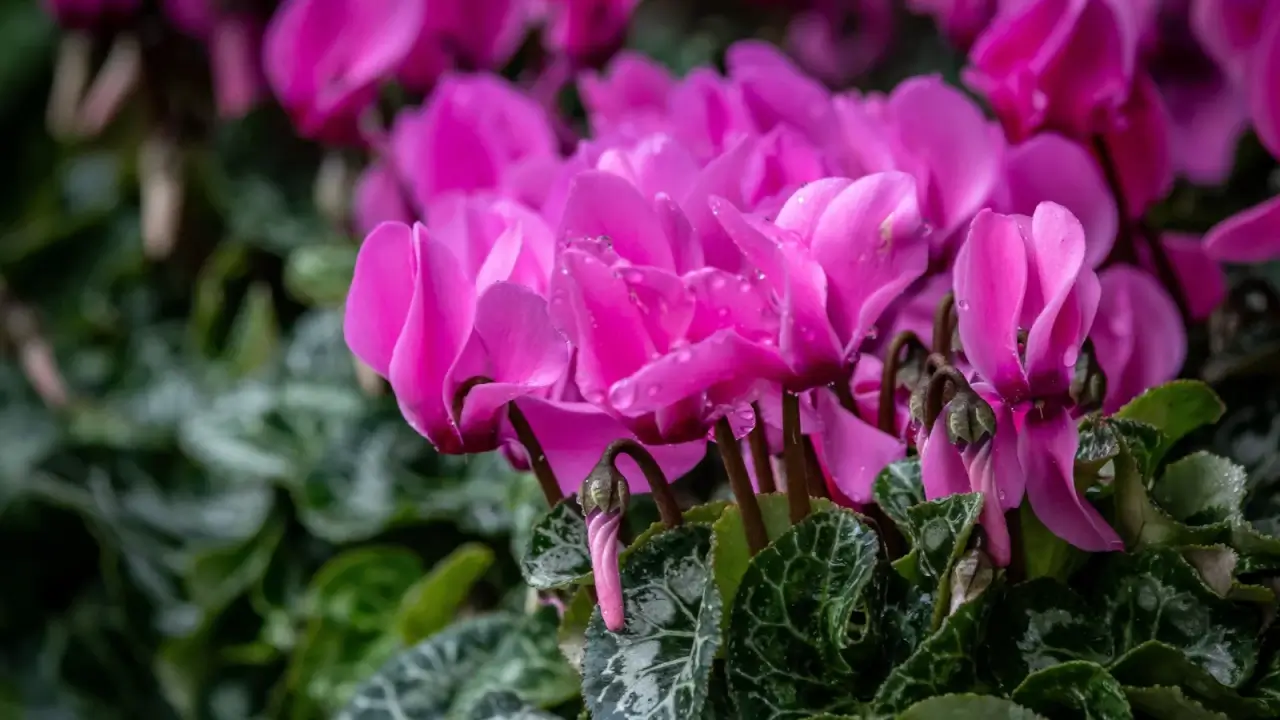
Cyclamen adds a different silhouette to winter displays: its ruffled flowers come in white, red and purple, with petals that lift above the leaves. Buying a ready-grown plant skips the lengthy seed stage. Seeds need a warm-water soak of 12 to 24 hours, then a fine compost covering and a cool, dark place. A temperature around 60 to 63°F is suitable for germination, which can take a few months; keep the soil moist while waiting.
Once established, cyclamen can take direct light or bright indirect light. An east- or north-facing window is a good location. Watering takes restraint: wait until the top layer of soil dries, then water without wetting the leaves or stems. The container needs drainage, since too little water can cause drooping and too much can lead to root rot.
Yellowing leaves and falling foliage signal that the plant is entering dormancy. Remove dead-looking stalks at the base, then keep the plant in a cool, dark place for a few months. During this period, the soil should stay lightly moist rather than wet. That seasonal pause gives cyclamen a chance to bloom again.
Anthurium: glossy color with a safety consideration
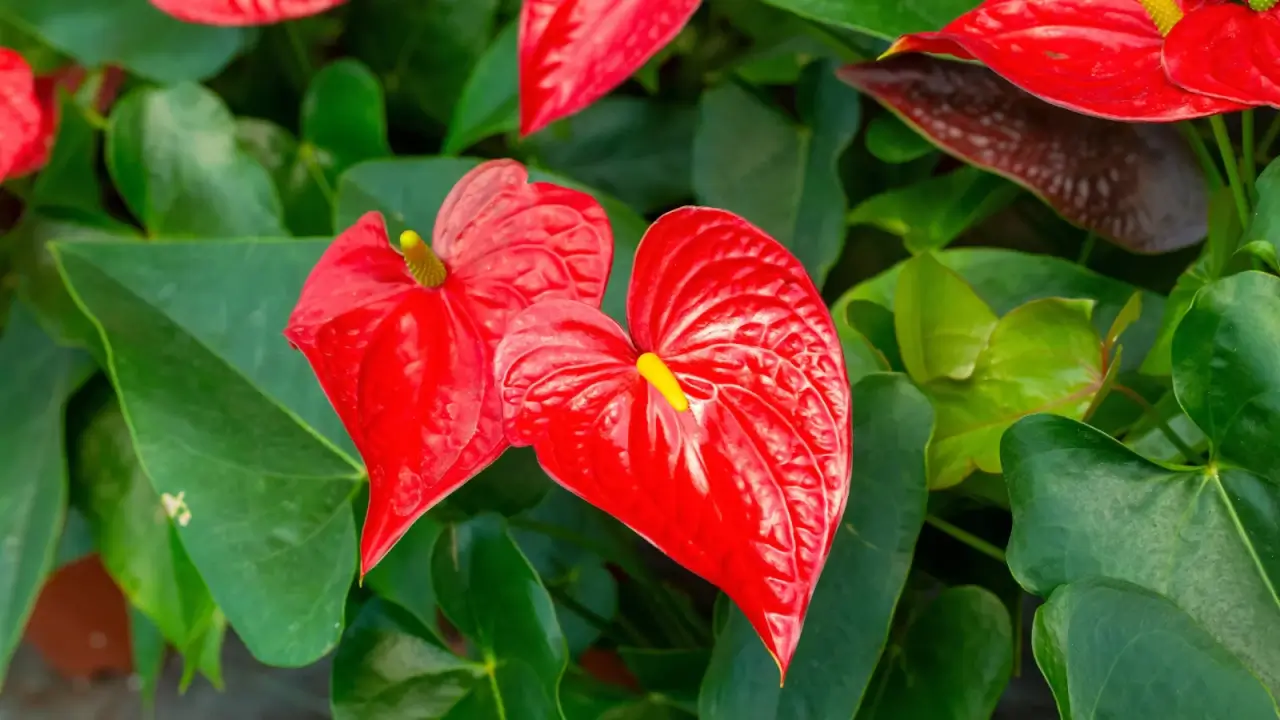
Anthuriums, also called laceleaf, bring glossy red, pink or white flowers into a room. Garden centers and greenhouses sell established plants, while propagation is possible from a cutting at least six inches long with two sets of leaves. Dip the cut end in rooting hormone before planting. New growth may appear within four to six weeks.
Use a well-draining medium, such as equal parts peat moss, leaf mold and sand, or a mix of perlite, peat moss and bark. Bright, indirect light suits the plant. Water when the first inch of soil feels dry, and mist weekly. Feed monthly with a fertilizer high in phosphorus. When a flower fades, cut it off at the base of its stem.
Anthuriums are poisonous if eaten, so keep them out of reach of children and dogs, and wash your hands after handling them. For anyone choosing a holiday plant, that care detail matters alongside light and watering: the best display is one that fits both the room and the household. Each of these five alternatives can bring seasonal color indoors, and its distinct growing cycle offers a reason to keep the plant after the decorations come down.



Discussion
Sign in to join the discussion.