This week’s coffee news spans Rocket Espresso’s flexible showroom, labor oversight allegations in Brazil and a securities lawsuit over Black Rock Coffee Bar’s growth claims.
Retail design and labor scrutiny lead this week’s coffee news
The biggest stories this week point in opposite directions: coffee companies are experimenting with new ways to sell and serve, while labor practices and investor claims are drawing closer scrutiny. The product launches are easier to picture. The legal cases may have longer consequences.
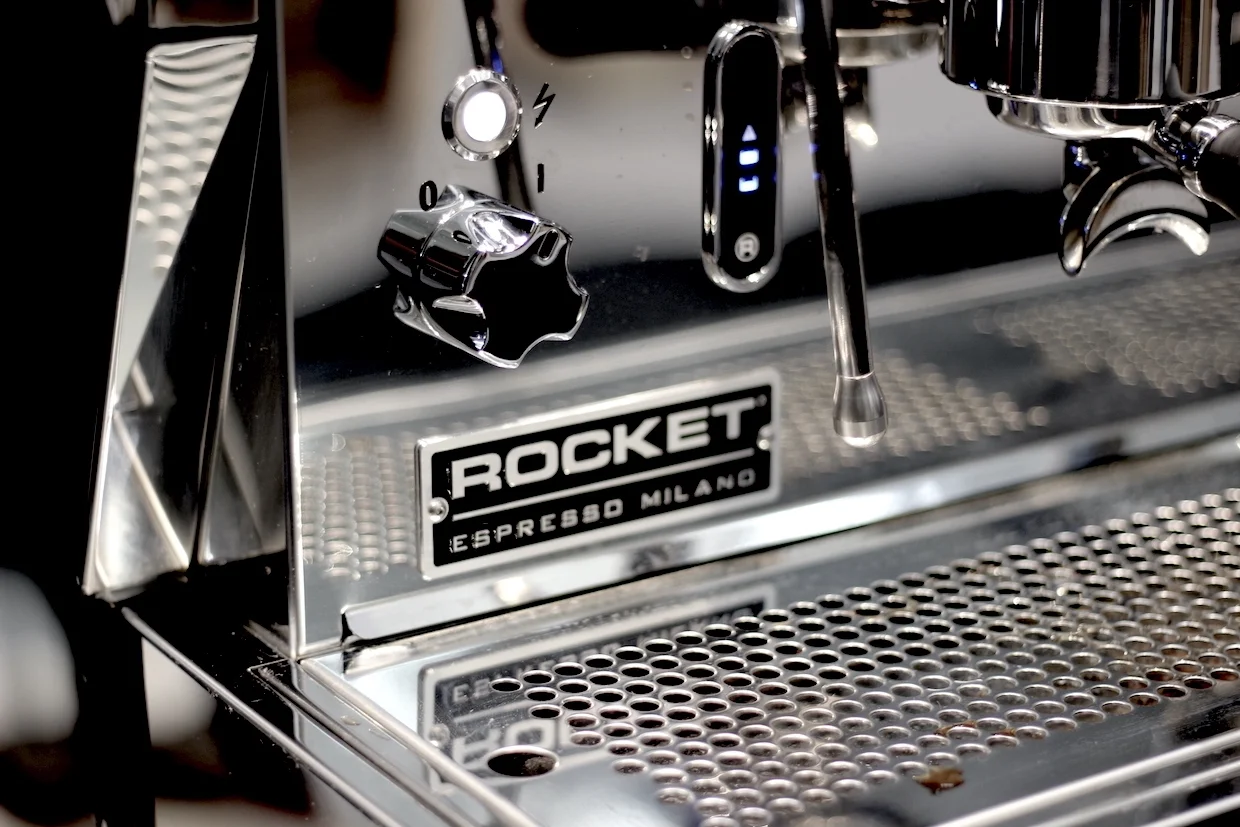
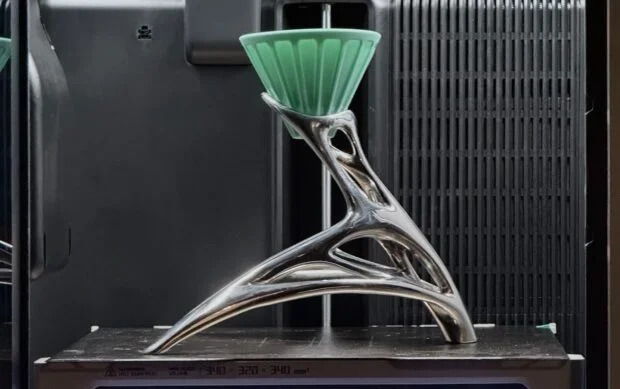
Daily Coffee News photo by Nick Brown.
Retail, labor and investor scrutiny
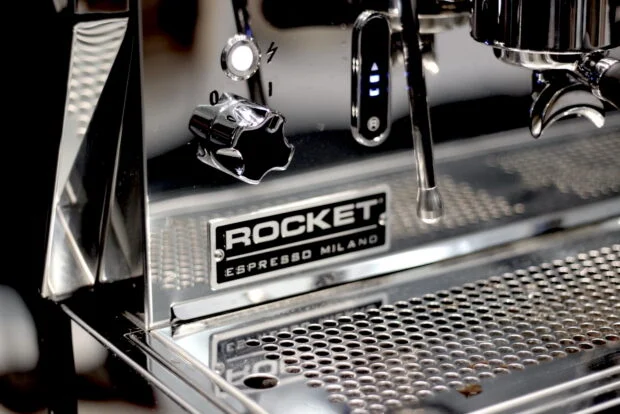
Rocket Espresso has opened a retail installation inside Chronic Coffee Roasters at Rue Argand 2 in Geneva. Built with multidisciplinary design studio OPS Team, the space uses matte black finishes, metal display grids and a movable table for machine demonstrations. Rocket says the fixtures can be rearranged for stores of different sizes. That flexibility is the interesting part: the showroom is being presented as a repeatable format, not just a one-off display.
In Brazil, cooperative Cooabriel appeared at a Nov. 16 hearing over allegations that it failed to prevent labor abuses on member farms. Prosecutors said an October preliminary order calls for tighter monitoring and steps to keep coffee produced under slavery-like conditions out of the supply chain. Cooabriel says it checks Brazil’s labor violations registry and suspends members listed there, according to its public response. Nestlé told Reuters it buys coffee from the cooperative but that growers involved in the case weren’t part of its supply chain. The hearing puts the focus on how a cooperative oversees farms beyond its direct operations.
Black Rock Coffee Bar disclosed that plaintiffs filed an amended complaint Nov. 2 in a proposed securities class action in the Southern District of New York. The allegations concern statements about store growth, construction costs, sales performance and whether new locations affected existing stores. In its quarterly filing, the company said it intends to defend the case. The lawsuit follows Black Rock’s 2025 IPO, putting the chain’s expansion claims under a different kind of scrutiny.
Leadership changes and local shop upheaval
Scott Snyder says he has left day-to-day leadership at Bad Ass Coffee of Hawaii and sold his stake to the company’s largest investor. In a Nov. 17 LinkedIn post, Snyder described the departure, effective Oct. 15, as the last step in a planned transition agreed to by both sides. He and investors formed Royal Aloha Coffee Company in 2019 to acquire the brand’s assets. The change comes after the company moved its headquarters to Kentucky and promoted Tom Wylie to president, as previously reported.
San Antonio’s Folklores Coffee House is becoming Por La Vida Coffee after a change in ownership. CultureMap reports that Nikki Martinez bought the Government Hill cafe after co-founder Emilie Herrera announced the sale on Nov. 5. Martinez said staff resigned after learning of the transaction through social media, according to the San Antonio Express-News. The abrupt staff departures leave the new owner with more to manage than a new name.
Funding, recovery and new products
Las Vegas hospitality group The Coffee Class has opened a third equity crowdfunding round on StartEngine. Its SEC filing sets a minimum target of about $20,000 and a maximum of about $618,000; the offer closes Jan. 26, 2027. Founded by Kyle Cunningham in 2019, the company says it now runs seven cafes and a cocktail bar across four brands: The Coffee Class, Almond & Oat, Horizon Shine Coffee Co. and Terminal 4 Bar. The wide gap between its minimum and maximum targets makes the fundraising goal worth watching.
Bellator Roasting Company in New Bern, North Carolina, is closed until further notice after a fire struck its roaster on Nov. 17, WCTI reports. A GoFundMe is seeking $15,000 toward possible equipment repairs or replacement, cleanup and other recovery costs. The extent of the damage is still under review.
Independent developer Steven Orel has added recipe editing and advance brew logging to Bean Counter: Coffee Ratio, his iPhone app for brew ratios. The app also includes a timer with bloom and pour prompts, a brew log and a coffee inventory tracker.
Los Angeles freeze-dried fruit company OhCrisp has launched a sister brand, OhSip, for instant coffee cubes. Each individually wrapped cube weighs 1.8 grams and contains only arabica coffee. The cubes dissolve in hot or cold water, the company says.
Bosch has refreshed its North American automatic espresso machine range under the VeroCafe name. The Series 4, 6, 8 and 10 models run from $999 to $2,999, with features varying by machine. Options include as many as 41 drinks, a cold brew setting, adjustable cup clearance and automatic steam rinsing for the milk system, according to Bosch’s announcement.
More developments across coffee
Fair Trade USA plans to raise its minimum price for washed arabica from $1.40 to $2 per pound for contracts signed on or after Feb. 1, 2027. The change brings its core coffee price floor back in line with Fairtrade International’s after the systems diverged in 2023. The near-term effect is expected to be limited while market prices remain above the minimum.
The U.S. Food and Drug Administration is withdrawing several food-related authorizations for methylene chloride, but the action leaves its use in coffee decaffeination untouched. A separate petition to bar methylene chloride and other solvents from food processing, including decaf production, remains under review.
A software platform called Roasting Partner has opened to outside roasting businesses, offering tools for production, green coffee inventory, purchasing, sales, cafes, staffing, compliance and traceability. Plans start at $449 a month, and integrations include QuickBooks Online, Shopify and Artisan.
A study of more than 435,000 UK Biobank participants found no significant overall association between coffee drinking and Parkinson’s disease. The researchers did find differing risk patterns among people with genetic variants linked to caffeine metabolism. The observational study can’t establish cause and effect, and participants reported coffee intake only at the study’s start.
Verité’s Quinn Kepes has argued that coffee companies need systems to identify and address labor risks as forced-labor import bans and human rights due diligence requirements gain relevance. The issue has become more immediate for the sector after the first U.S. Customs and Border Protection import ban focused on coffee earlier this year.
Ritual Coffee has opened a 1,800-square-foot cafe in San Francisco’s Financial District, at the site where founder and CEO Eileen Rinaldi worked her first Bay Area coffee job 23 years ago. It’s the company’s first new standalone cafe since 2017 and brings its total to five locations.
In East Nashville, Crema Coffee Roasters has moved into a 2,400-square-foot standalone roastery, more than twice the size of its former production space. The facility adds a 15-kilogram IMF roaster, color sorting, a dedicated quality lab and more production capacity. Crema says it’s focusing on wholesale, online sales and subscriptions.
Discussion
Sign in to join the discussion.