Corn, beans, potatoes and other practical crops can add calories, protein and storage options to a home garden.
A garden built around tomatoes and salad greens can produce plenty to enjoy, but it won’t necessarily supply much of the food that keeps a household fed. For a more sustaining harvest, the crop choices need to include staples: beans and lentils for protein, potatoes and squash for filling meals, and corn for everything from fresh eating to cornmeal.
These ten crops offer different combinations of calories, carbohydrates and protein, along with a range of harvest windows and growing approaches. The nutrition figures below are per 100 grams and draw on USDA and Nutritionix data. They’re useful for comparing crops, though what a garden can provide depends on yield, season and how much land is available.
Build meals around staples and storage
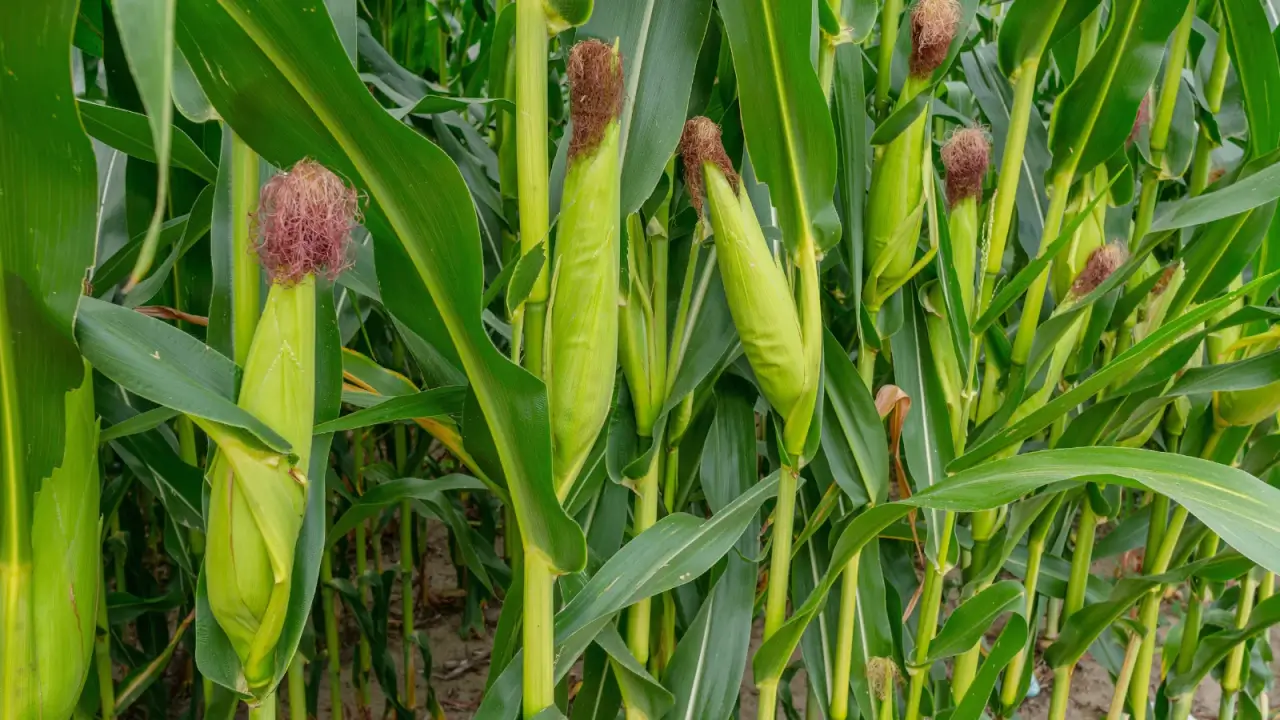
Corn earns its place through flexibility. Fresh ears can be eaten soon after harvest; dried kernels can be popped or ground into cornmeal for breads, tortillas and other dishes. A general estimate for maturity is about 120 days, though variety and the desired degree of drying affect the schedule. Planting two to three weeks after the last frost gives the crop time to develop. A 100-gram serving has about 100 calories, 22 grams of carbohydrates and 3.5 grams of protein.
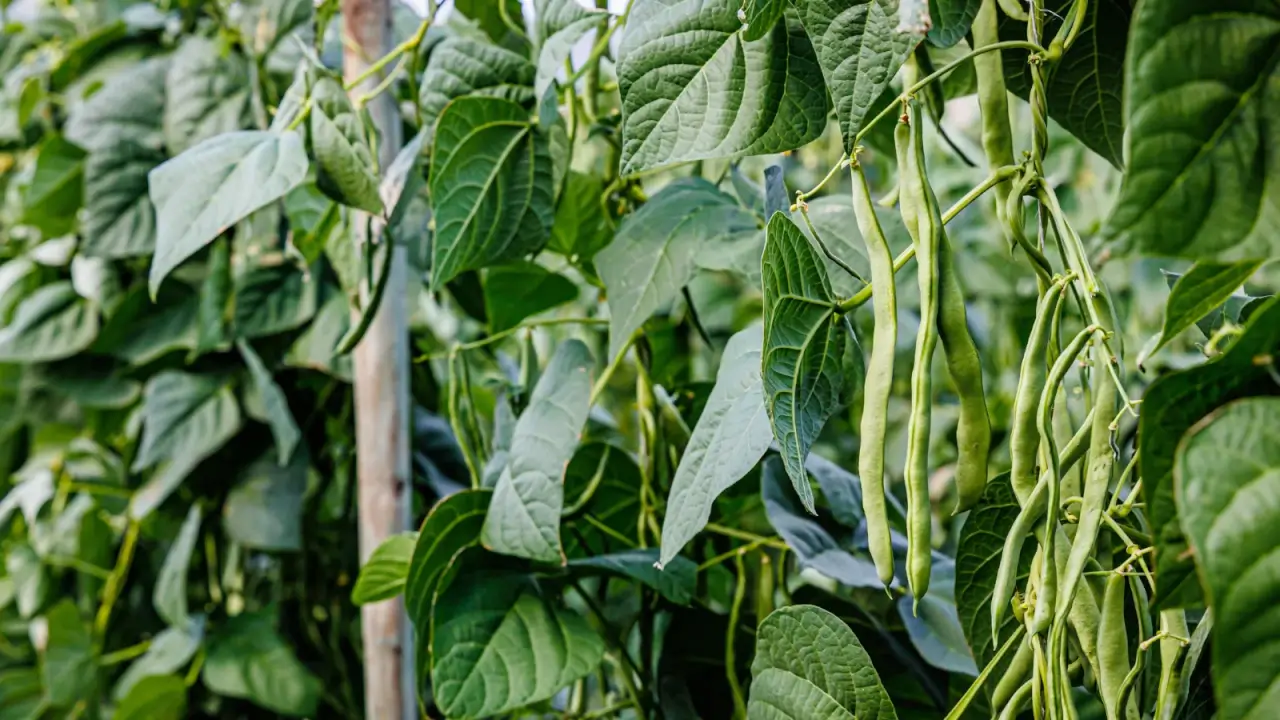
Beans bring a faster return and work in the ground, raised beds or containers. Many varieties mature in 45 to 60 days, and bean plants can add nitrogen to the soil, a useful trait when planning what to grow in a bed afterward. Red beans provide about 135 calories, 24 grams of carbohydrates and nine grams of protein per 100 grams.
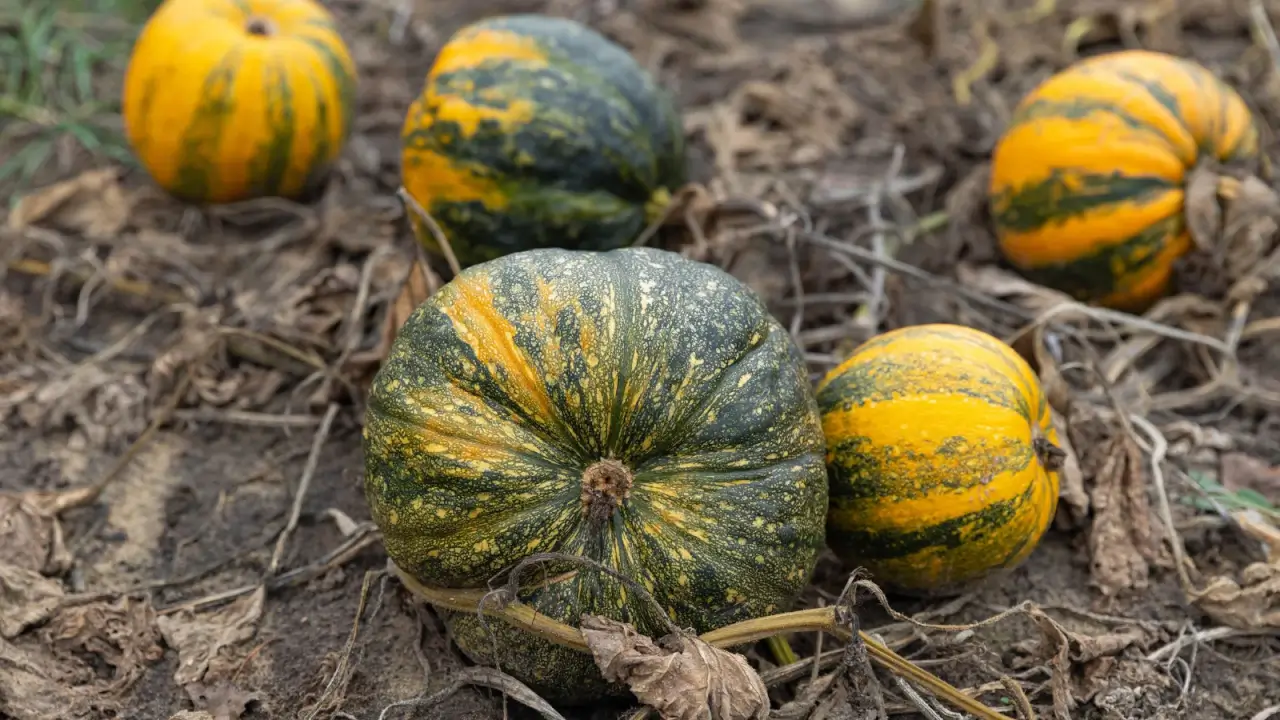
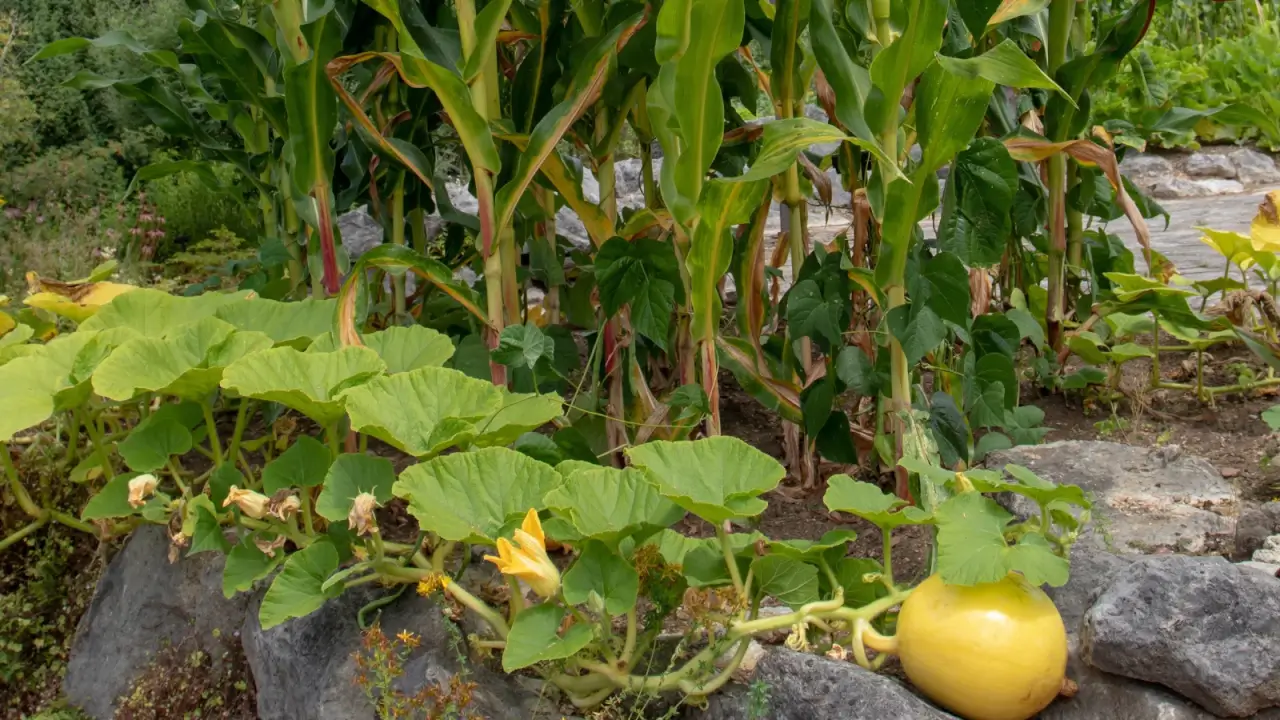
Winter squash adds a different strength: it can be cooked into soups or served roasted, and its sprawling growth pairs well with corn and beans. Depending on the variety, allow 60 to 110 days to maturity. A firm, fully colored rind that resists a thumbnail is a sign the squash is ready to harvest. Butternut squash has about 45 calories, 11 grams of carbohydrates and one gram of protein per 100 grams.
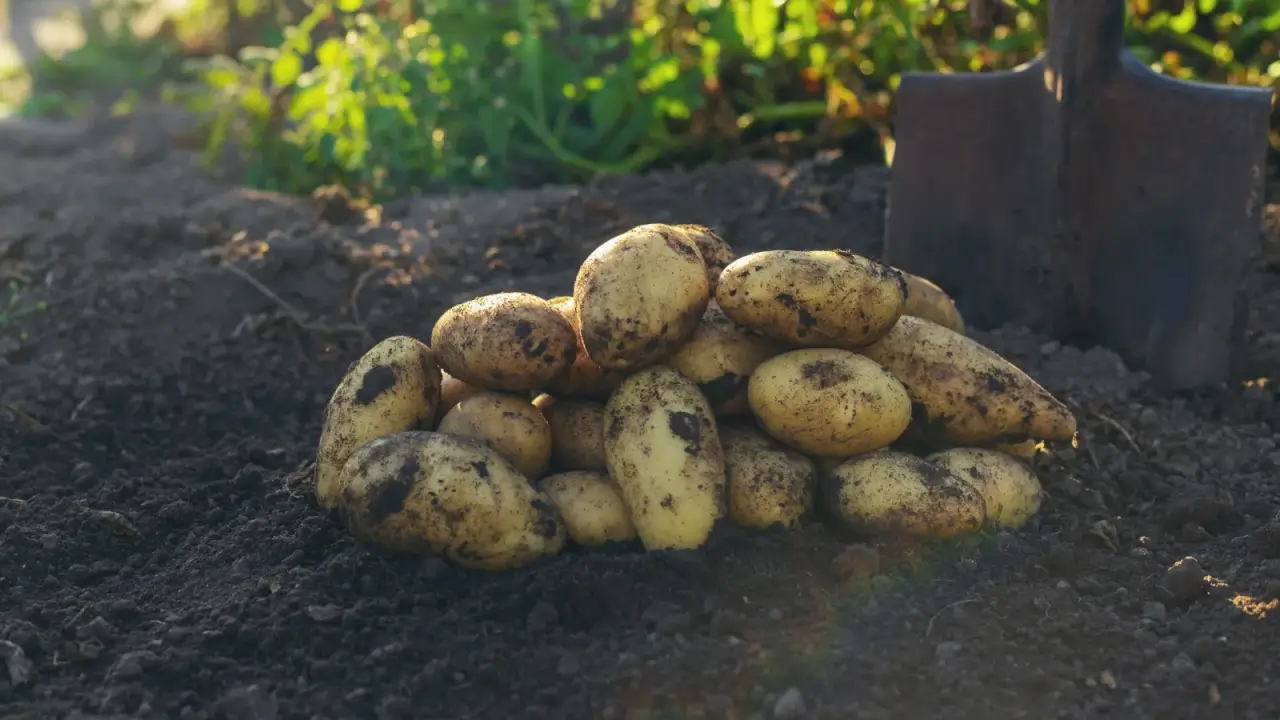
Potatoes are a straightforward route to a filling harvest. Planting and watering tubers is simple, though timing still matters: varieties take roughly 60 to 130 days to mature, and local frost dates should guide planting and harvest plans. Potatoes provide about 80 calories, 17 grams of carbohydrates and two grams of protein per 100 grams.
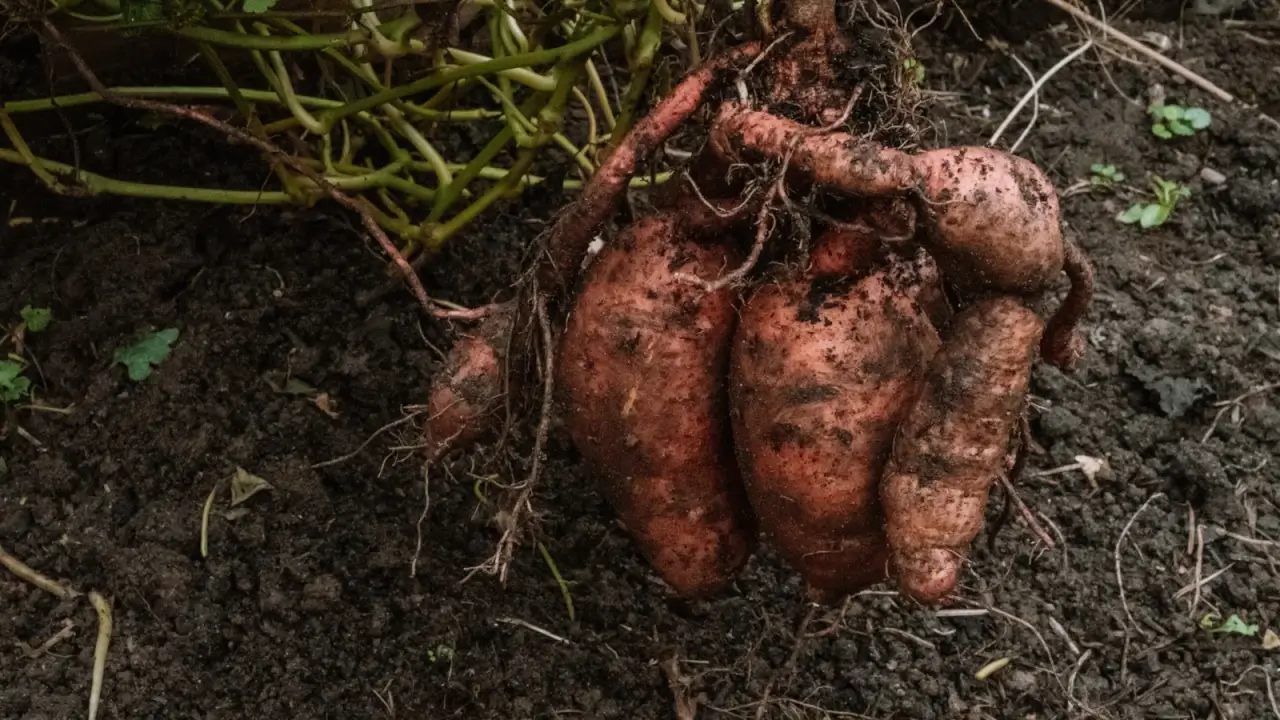
Sweet potatoes also supply carbohydrates, but they need a different start: growers plant rooted slips rather than seed potatoes. Plan for about 100 days to maturity and keep the first fall frost in mind. A 100-gram serving contains about 86 calories, 20 grams of carbohydrates and two grams of protein.
Legumes contribute protein
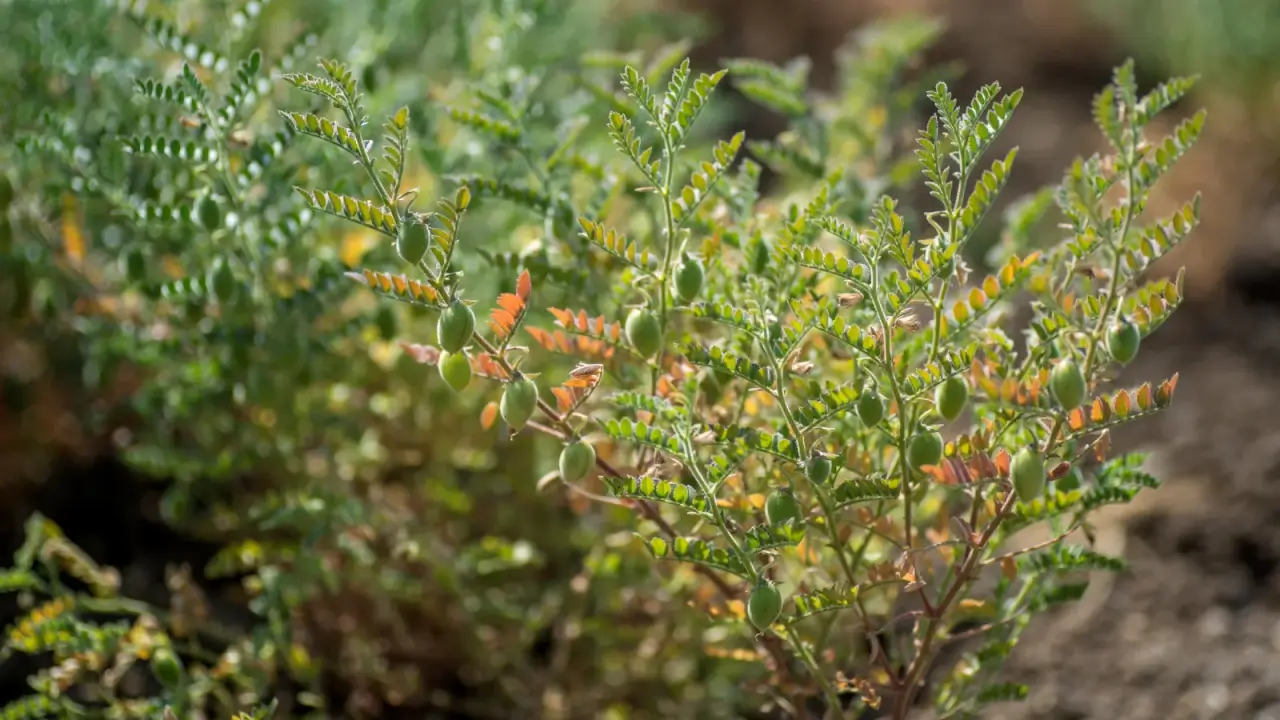
Lentils and chickpeas give a garden more protein-rich options. Lentils suit soups and can stand in for meat in dishes such as sloppy joes. They’re a summer crop, generally planted in late April or early May, once temperatures stay above 40 degrees Fahrenheit. Most varieties need about 100 days to mature. Per 100 grams, lentils have about 115 calories, 20 grams of carbohydrates and nine grams of protein.
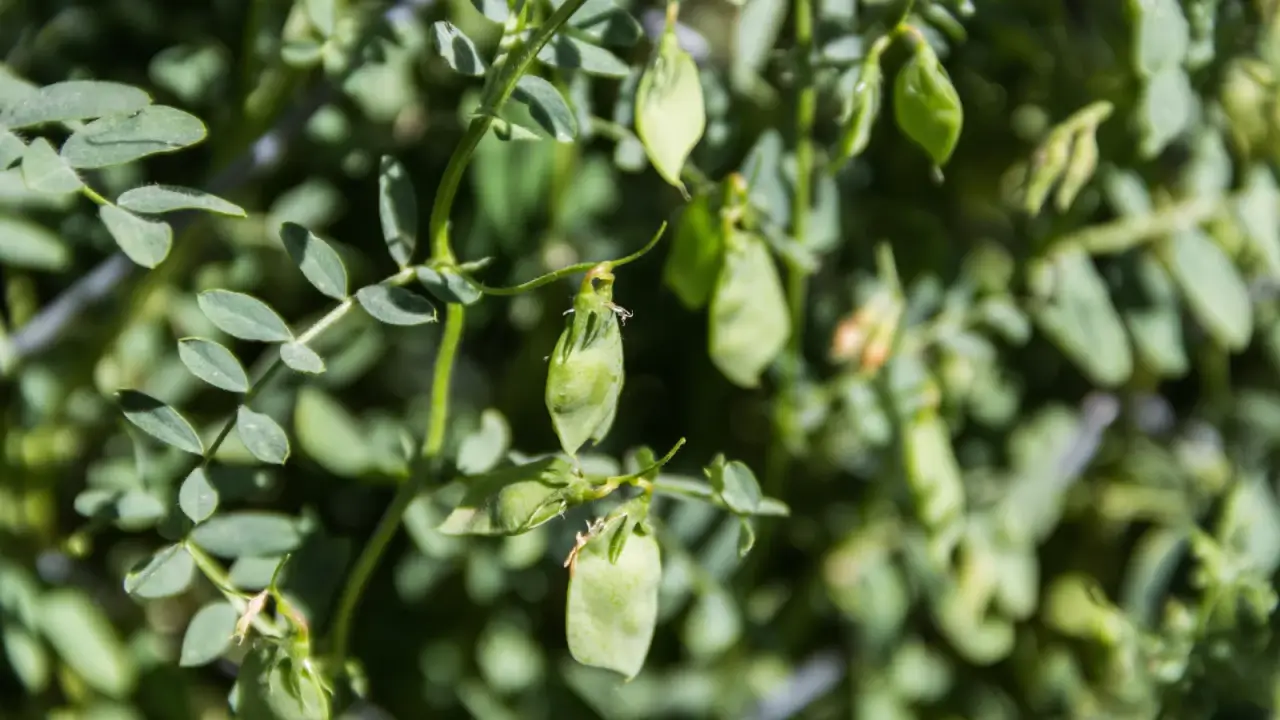
Chickpeas, also called garbanzo beans, have a similar growing timeline: roughly 100 days, with planting guidance aligned to lentils. Their culinary range runs from hummus to chana masala, and they can serve as a meat substitute in meals. Chickpeas contain about 160 calories, 27 grams of carbohydrates and nine grams of protein per 100 grams.
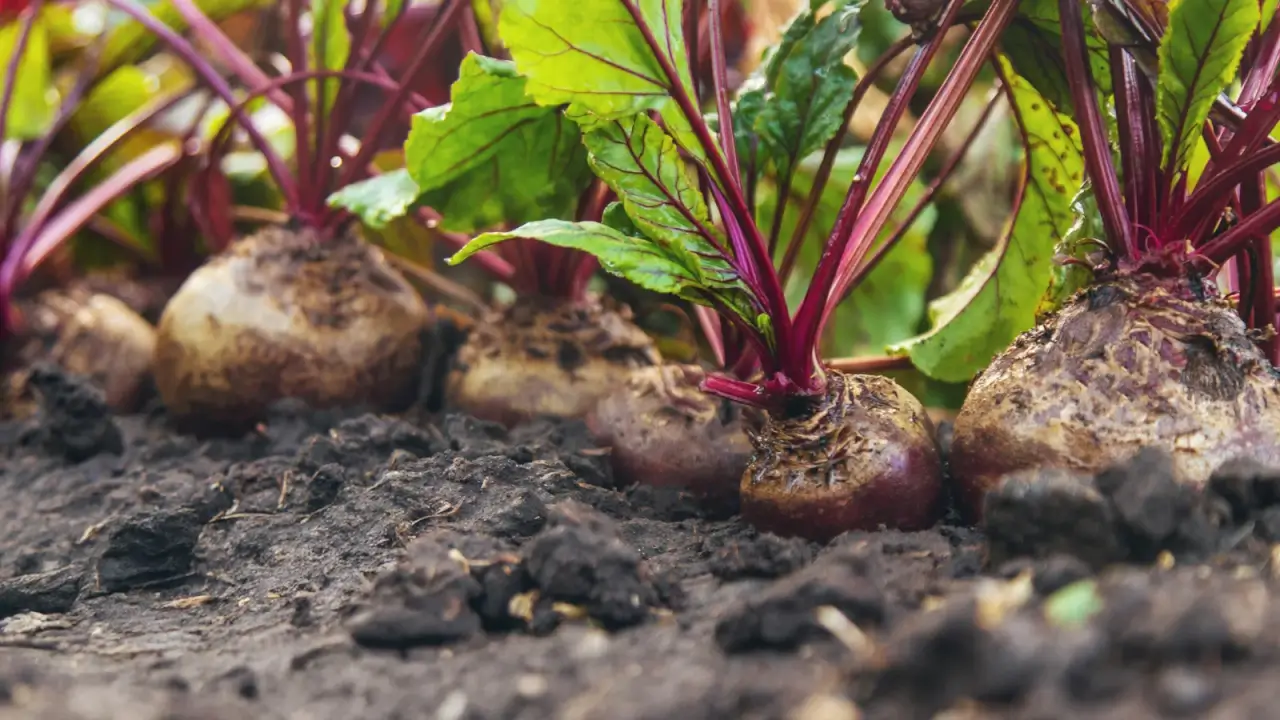
Beets are a quicker spring option, typically ready in 55 to 70 days. Their roots can become tough or woody if left in the ground too long, so harvest timing matters. They contain about 50 calories, five grams of carbohydrates and two grams of protein per 100 grams.
Extend the harvest with tubers and indoor crops
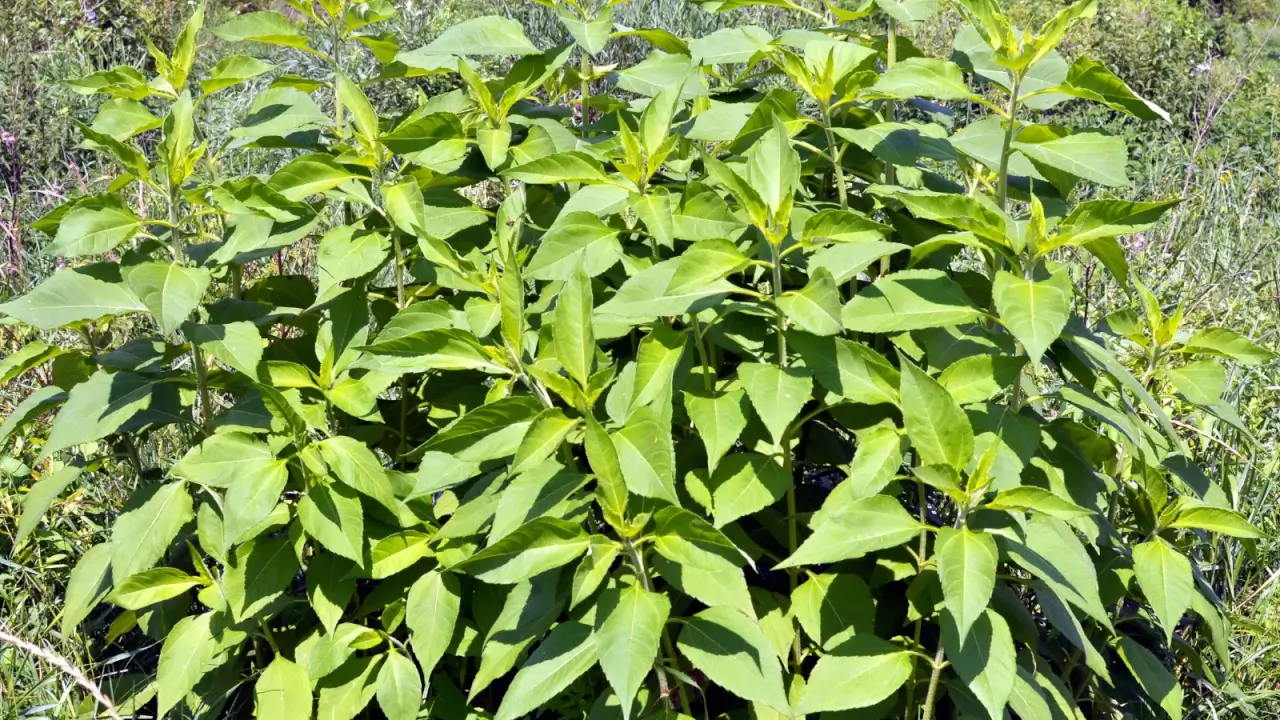
Jerusalem artichokes are a North American sunflower species grown for their underground tubers. Their flavor and texture may be less familiar than those of potatoes, but they add another edible root crop to the mix. A 100-gram serving has about 77 calories, 18 grams of carbohydrates and two grams of protein.
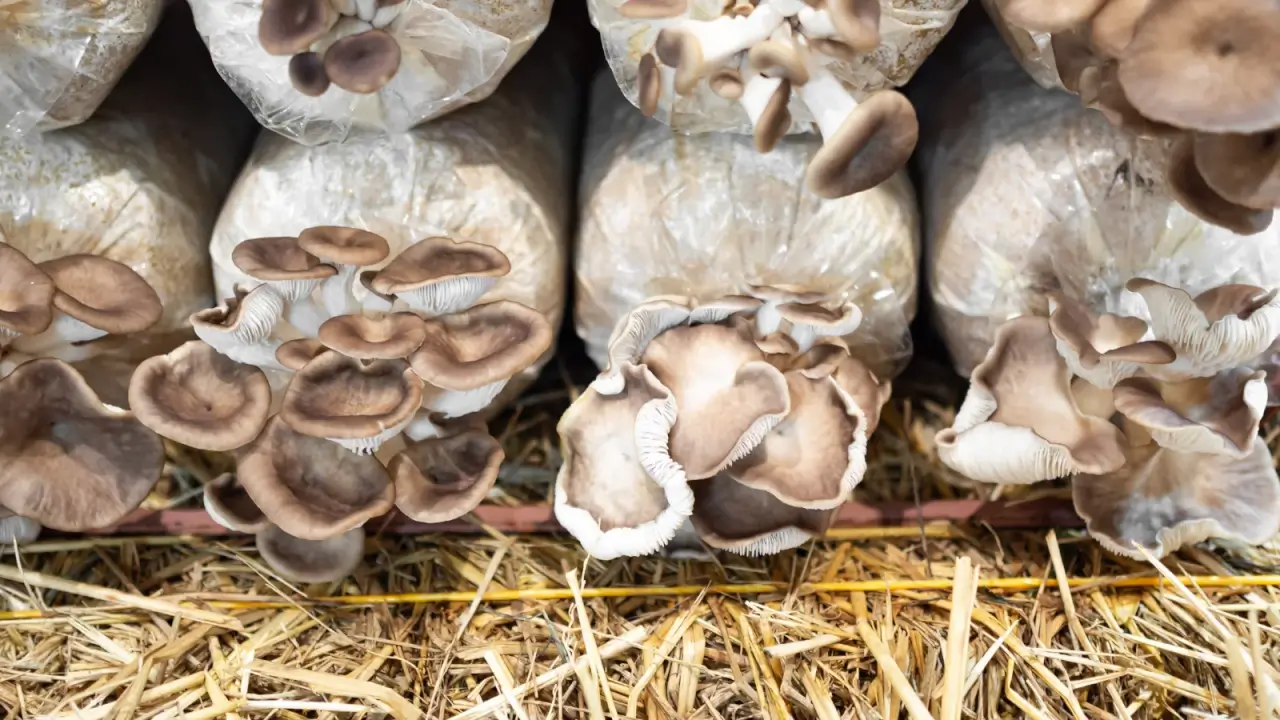
Mushrooms broaden the growing calendar because many varieties can be cultivated indoors. Kits for oyster or lion’s mane mushrooms can produce a harvest in about 30 to 40 days, making them an option beyond the outdoor growing season. They’re not calorie-dense, but do contribute protein: raw mushrooms contain about 25 calories, four grams of carbohydrates and 3.6 grams of protein per 100 grams.
Use companion planting to make space work harder
The Three Sisters garden brings corn, beans and squash together in one planting. Corn grows upright and gives climbing beans support; squash spreads across the ground, where its leaves help shade the soil, retain moisture and limit space for weeds. Together, the crops offer a practical way to grow staples in a shared plot. The Farmer’s Almanac guide to the Three Sisters garden provides planting guidance.
For a more sustaining garden, the useful question isn’t which single crop has the highest calorie count. It’s how a planting combines harvest timing, protein, storage and the foods a household will actually cook. Pairing quick crops such as beans and beets with longer-season staples, then adding indoor mushrooms or a Three Sisters bed, can stretch a garden’s contribution across more meals and more of the year.


Discussion
Sign in to join the discussion.