U.S. popcorn sales held at $3.2 billion as ready-to-eat brands grew and microwave popcorn declined, with brands turning to new flavors and ingredients.
Popcorn’s growth is hiding a split market
Popcorn still reaches nearly everyone, but its sales aren’t going anywhere. U.S. sales were flat last year at $3.2 billion, according to Spins data. The headline number masks a split: ready-to-eat popcorn is growing quickly while the larger, more established microwave segment is shrinking. That’s a tougher problem for microwave brands than a flat market figure suggests. Bagged brands such as LesserEvil, SkinnyPop and Smartfood have built momentum by offering convenience and a wider range of flavors, from butter to pickle and sriracha. Microwave brands including Orville Redenbacher and Pop Secret are now searching for new flavors, ingredients and pack sizes to arrest their decline. The category still has plenty of reach. Americans eat 17.3 billion quarts of popped popcorn a year, or about 68 quarts per person, [according to the USDA](https://www.nal.usda.gov/exhibits/speccoll/exhibits/show/popcorn/popcorn-explosion). The question is how brands can turn that familiarity into renewed interest.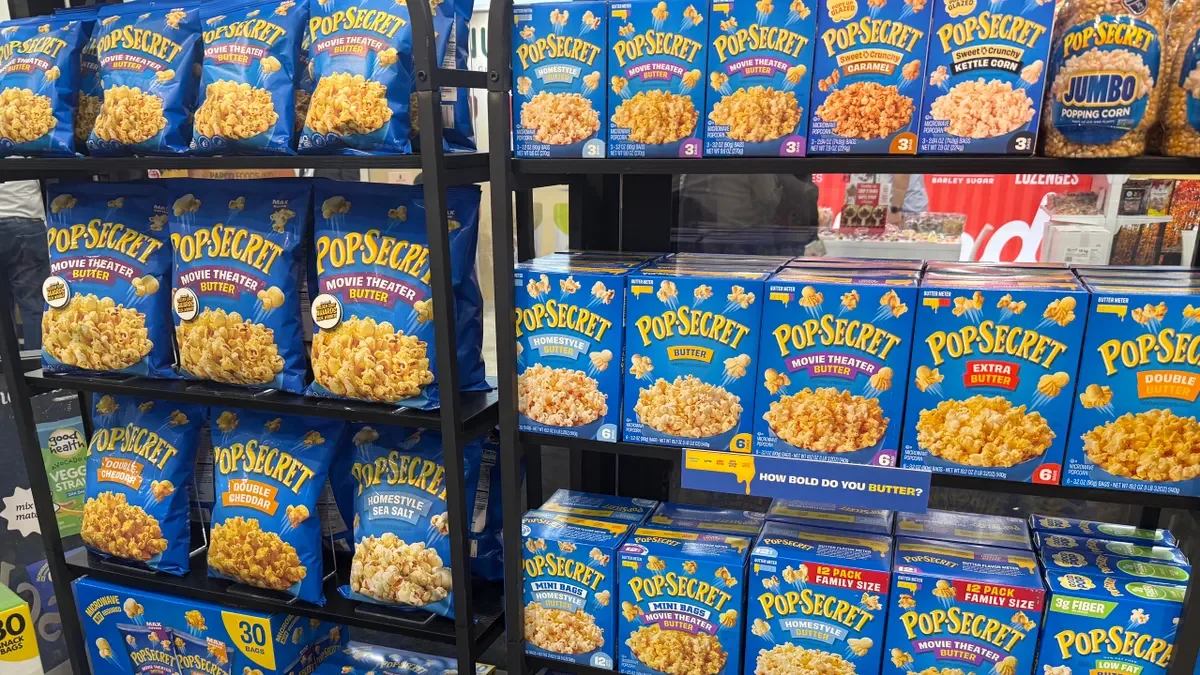
Ready-to-eat brands sell more than convenience
Bagged popcorn has gained ground partly because it fits habits that microwave popcorn can’t match as easily: it’s ready to eat, easy to share and adaptable to new flavors. Many products also lean on familiar ingredients such as corn, oil and salt, alongside a low-calorie pitch. But consumers increasingly expect snacks to offer more than a simple health claim. “It is no longer enough to be low calorie or sugar free. Consumers increasingly want snacks with added health benefits, taste, convenience and variety,” said Erin Reese, Hershey’s senior director of popcorn and puffs. Hershey, which owns LesserEvil and SkinnyPop, is trying to serve both ends of the snacking mood. Hershey’s and Reese’s popcorn aim for the treat experience of their namesake candies; SkinnyPop and LesserEvil target shoppers looking for better-for-you options. LesserEvil highlights organic ingredients and premium oils to appeal to Gen Z, millennials and other label-conscious consumers.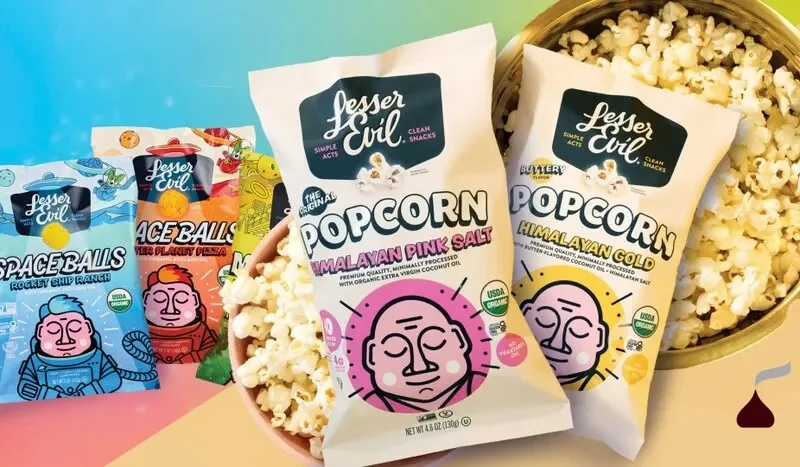
Small brands make a case for specialization
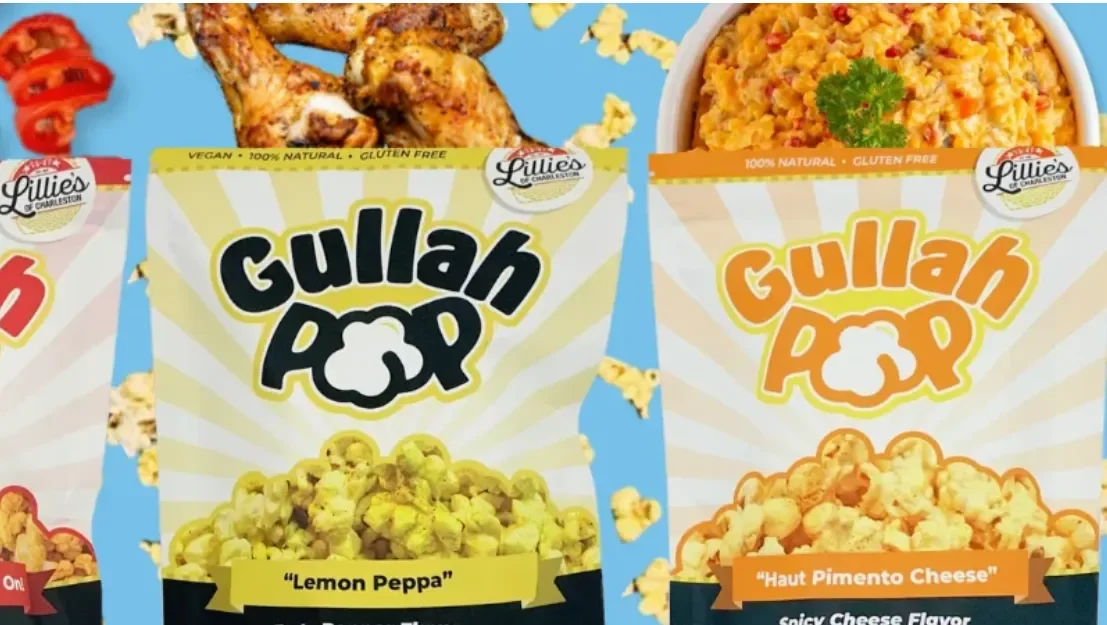
Lillie’s of Charleston, a family-owned spice and seasoning maker, first used popcorn at festivals as a way to introduce people to its seasonings. Visitors kept asking whether they could buy the popcorn itself. Two years ago, the company launched Gullah Pop, built around flavors such as Southern Pimento Cheese Spread and Southern Wing Spice Lemon Peppa. It doesn’t offer standard butter or sea salt. That omission is deliberate, said Kellye Wicker, Gullah Pop’s co-founder and chief growth officer. A small brand charging more than national competitors needs to give shoppers a reason to choose it. “I think it'd be too easy to blend in, to not really stand out,” she said. “Why would somebody spend more money to get the same popcorn when you can have national brands that cost less? I don't think we would have been nearly as successful without our flavors.” Protein is another route to distinction. Timothy Rexius created Omaha Protein Popcorn eight years ago for NFL athletes he trained who were straying from their diets. He saw a wider opportunity, particularly among children who might turn down protein bars or shakes, and chose popcorn for its broad appeal.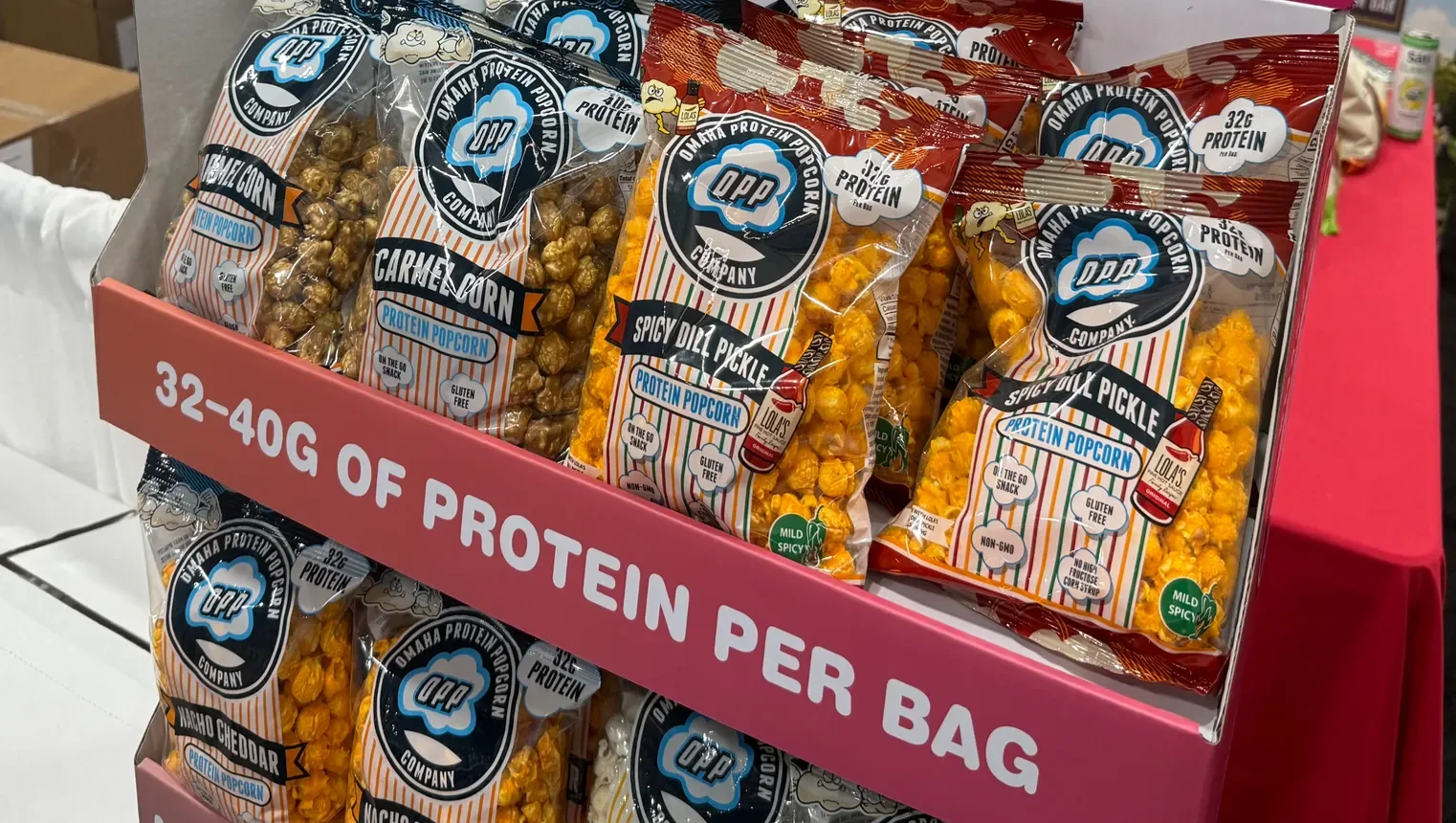
Microwave incumbents look for a new pitch
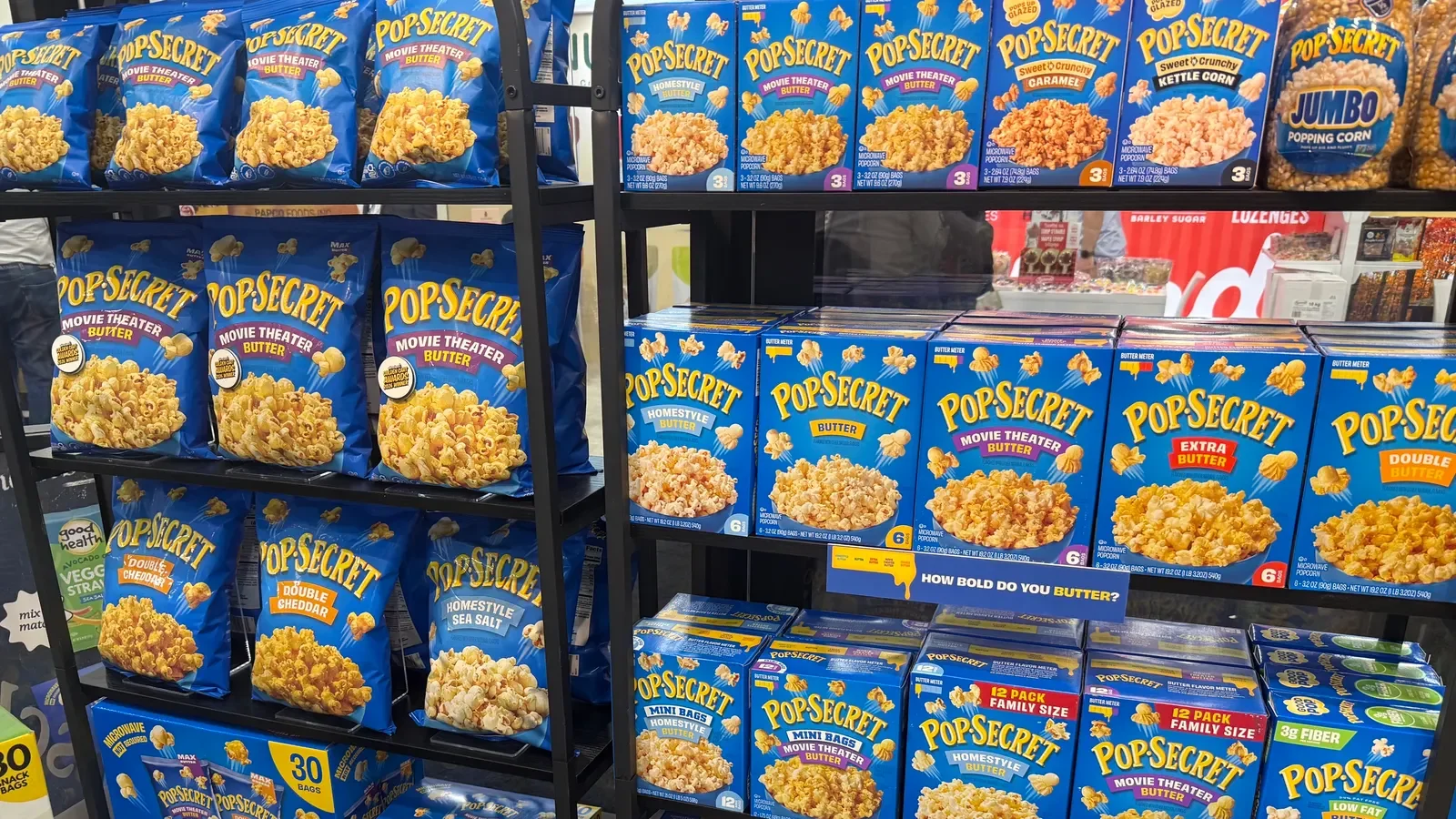
Conagra controls roughly half of the microwave popcorn market, and brand director Johanna Ascencio says the company wants to “inject some excitement” into a segment constrained by its format. The problem is familiar flavors have become hard to tell apart. “There's a lot of sameness right now in the [microwave popcorn] category,” Ascencio said, pointing to the many variations on butter. “At some point you're like, what's the difference?” Orville Redenbacher, the category’s top microwave brand, has introduced Orville Naturals, made with real ingredients and [avocado oil](https://url.us.m.mimecastprotect.com/s/esS9CNkE8qiwvwQ9Pfmf2LsyV6IC?domain=urldefense.com) instead of oilseeds. Conagra’s value brand Act II has taken a more hands-on approach: ACT II Max Blast comes with sachets of butter that consumers can add themselves, like at a movie theater. The company has also added flavors including Queso Jalapeño and Hot & Spicy. Conagra is pursuing new flavors in ready-to-eat popcorn, too, as startups crowd into the segment with distinctive ingredients and profiles. It has introduced Vlasic popcorn, tapping the pickle brand, while Angie’s Boomchickapop—its No. 3 ready-to-eat popcorn brand, popular with younger consumers—is adding Cinnamon Churro and Mango Habanero. The company is also positioning Angie’s as a permissible indulgence and switching the sea salt version to avocado oil. “We need to press the gas in terms of innovation, and that's exactly what we're doing,” Ascencio said. Pop Secret’s owner is making changes across both packaging and format. Our Home [acquired Pop Secret from The Campbell’s Company in 2024](https://www.fooddive.com/news/campbell-soup-sells-pop-secret-popcorn/725309/), then updated its packaging, added a butter meter to microwave bags to clarify how much butter they contain, and emphasized portion-controlled and budget-friendly sizes. Its largest move was taking the brand beyond the microwave: Our Home launched ready-to-eat Pop Secret in April 2025.Microwave popcorn still has a value story
Pop Secret sees its ready-to-eat growth as a chance to revive sales across the brand. Megan Osowski, Our Home’s vice president of marketing, said the company is targeting consumers where they shop and plans to use promotions and product innovation to build microwave popcorn sales.
That strategy rests on a clear difference between the formats: microwave popcorn arrives hot and is generally a better value than ready-to-eat popcorn. For shoppers watching their budgets, that can make it a more appealing choice. Companies remain upbeat about the segment despite recent pressure, arguing that microwave popcorn serves occasions ready-to-eat products may miss.
Here’s the bigger bet: Pop Secret wants strength in one format to bring consumers back to the whole brand. Osowski said the company has kept investing through five challenging years for the category. Whether those investments can reverse the segment’s headwinds isn’t clear, but the value proposition gives microwave popcorn a practical reason to stay in the mix.

Discussion
Sign in to join the discussion.