Google’s proposed Palo data center could use 10 million to 14 million gallons of water daily, sharpening questions about supply, reporting and local planning.
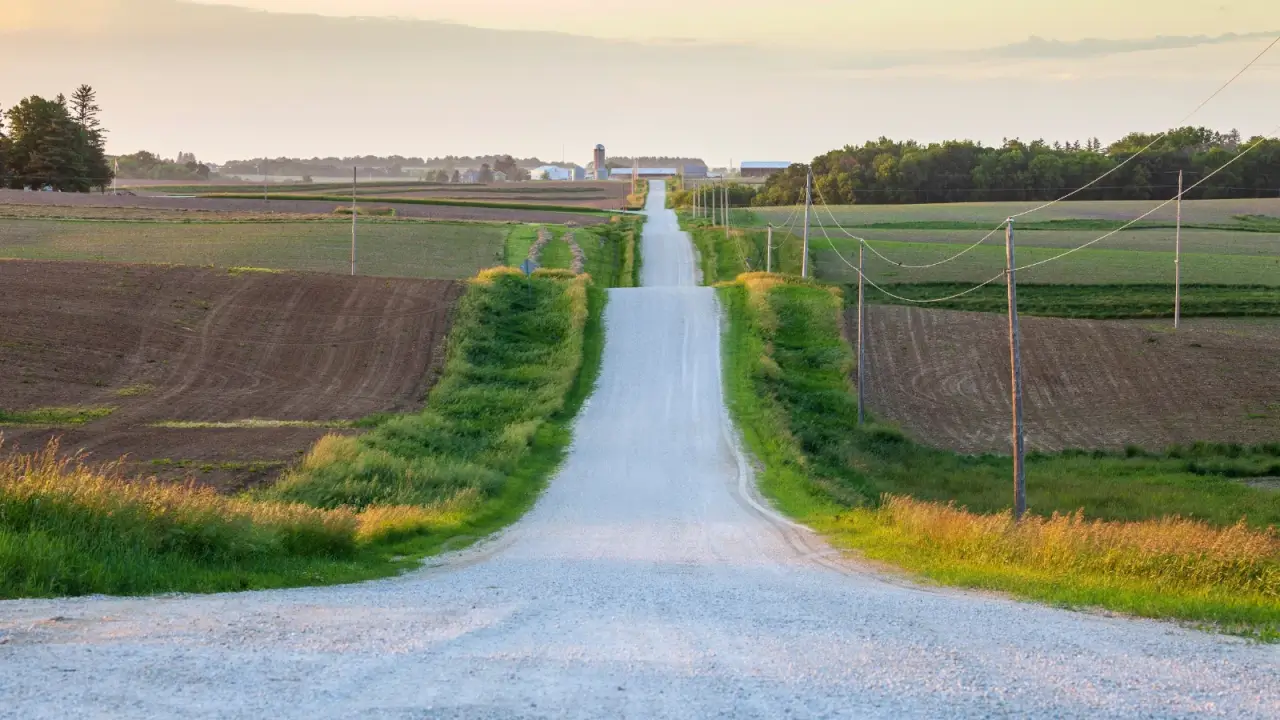
The debate over Google’s proposed data center near Palo, Iowa, turns on a basic planning question: can local officials assess a project’s water needs when data on regional supplies and customer use are incomplete? The proposal has brought that question into focus for farmers and other residents who depend on the same rivers and groundwater.
At a November 12 webinar hosted by the Iowa Farmers Union, Jess Mazour, conservation coordinator for the Iowa chapter of the Sierra Club, pressed for details about the project’s water source and cooling system. “We deserve to know if it’s coming from an aquifer, a river, how much, what kind of cooling systems,” she said, according to Brownfield Ag News. Mazour also questioned whether Iowa has enough groundwater data to judge future demand.
For rural communities, the stakes include farms, livestock operations and household wells. The effect of added industrial demand depends on local conditions and the water source, but drought can make competing needs more pressing.
A large projected demand near Palo
Google is proposing a six-building facility outside Cedar Rapids. At an October 22 public meeting, company representatives projected water use of about 10 million to 14 million gallons per day, KCRG-TV reported. These are estimates for the planned center, not readings from an operating facility. Google representatives said they believe the region can meet the demand.
The proposal would not use a closed-loop cooling system, according to KCRG-TV. Water requirements can vary with cooling design and operating conditions, making the project’s projected consumption a focal point for local scrutiny.
The site’s path has also put county and city planning approaches side by side. Linn County adopted rules earlier in the year requiring detailed water studies for large data center proposals. Google withdrew its application for a site in unincorporated Linn County in March and pursued development through the nearby city of Palo, whose ordinance relies on the Iowa Department of Natural Resources for water oversight.
County commissions an independent study

On October 28, Linn County approved an agreement for Google to fund the first phase of an independent regional water study. The company will contribute up to $242,323, and consulting firm Black & Veatch will conduct the work.
The study will examine existing resources, projected demand and possible drought conditions, including the Cedar River and connected groundwater sources, according to Linn County. The county will set the scope, oversee the work and select the consultant. Google will fund the study but will not direct the research or approve its findings. The first phase is expected to finish in March 2027.
That research could give officials and residents a stronger basis for judging future demand. The funding agreement itself does not signal whether Linn County supports or opposes the proposed development.
Municipal supply leaves a reporting gap
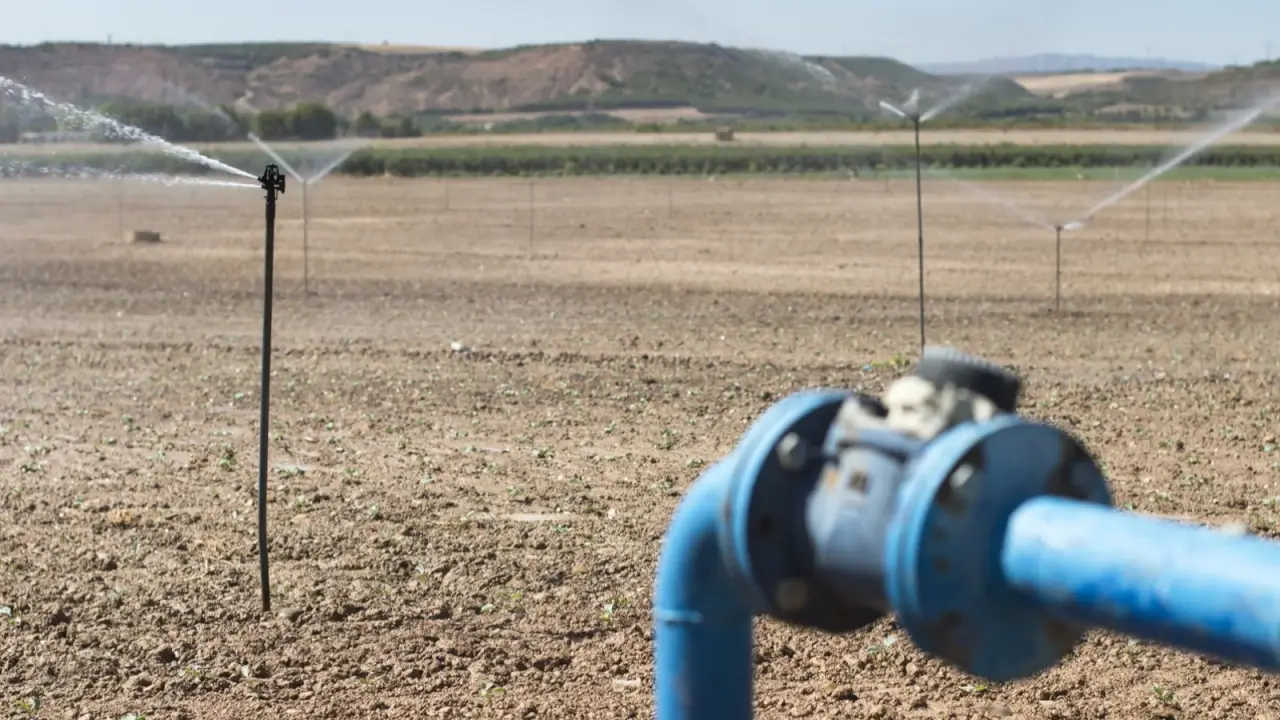
Iowa generally requires a Department of Natural Resources permit for withdrawals of at least 25,000 gallons of surface water or groundwater in a 24-hour period. The department reviews applications for sustainability and potential effects on nearby wells.
But many data centers get water from municipal utilities rather than drawing it directly. Those utilities hold the permits, and they do not report each customer’s usage to the DNR. As a result, the department does not receive precise water-use figures for individual data centers, according to the Iowa DNR.
That gap complicates public assessment of new facilities: the state can regulate large withdrawals while lacking direct records of how much water a particular data center consumes through a city system.
Reporting debate carries into the next session
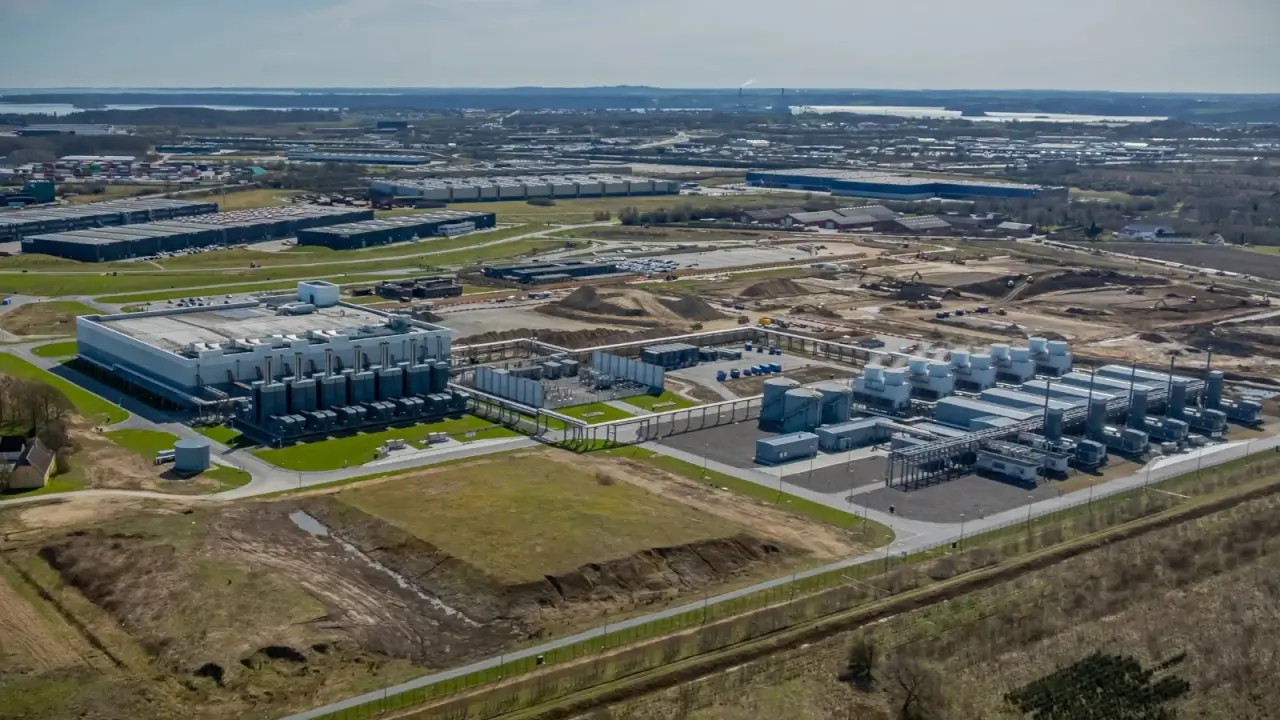
During the 2026 legislative session, lawmakers considered House File 2690, which addressed water and electricity reporting by data centers. The bill did not advance, leaving the reporting question open ahead of the next session.
The Iowa Farmers Union’s 2026 policy calls for water conservation, recycled-water cooling and greater transparency about local impacts. It also opposes public tax incentives for data center construction.
Data centers can bring jobs, tax revenue and infrastructure investment, while also adding demands that communities need to plan for. Linn County’s study may help clarify what the region’s water systems can support; its findings will give the next round of local and state discussions a more concrete starting point.

Discussion
Sign in to join the discussion.