Amyris will add Oobli’s precision fermented sweeteners to its food and beverage capabilities, with the deal expected to close in the coming weeks.
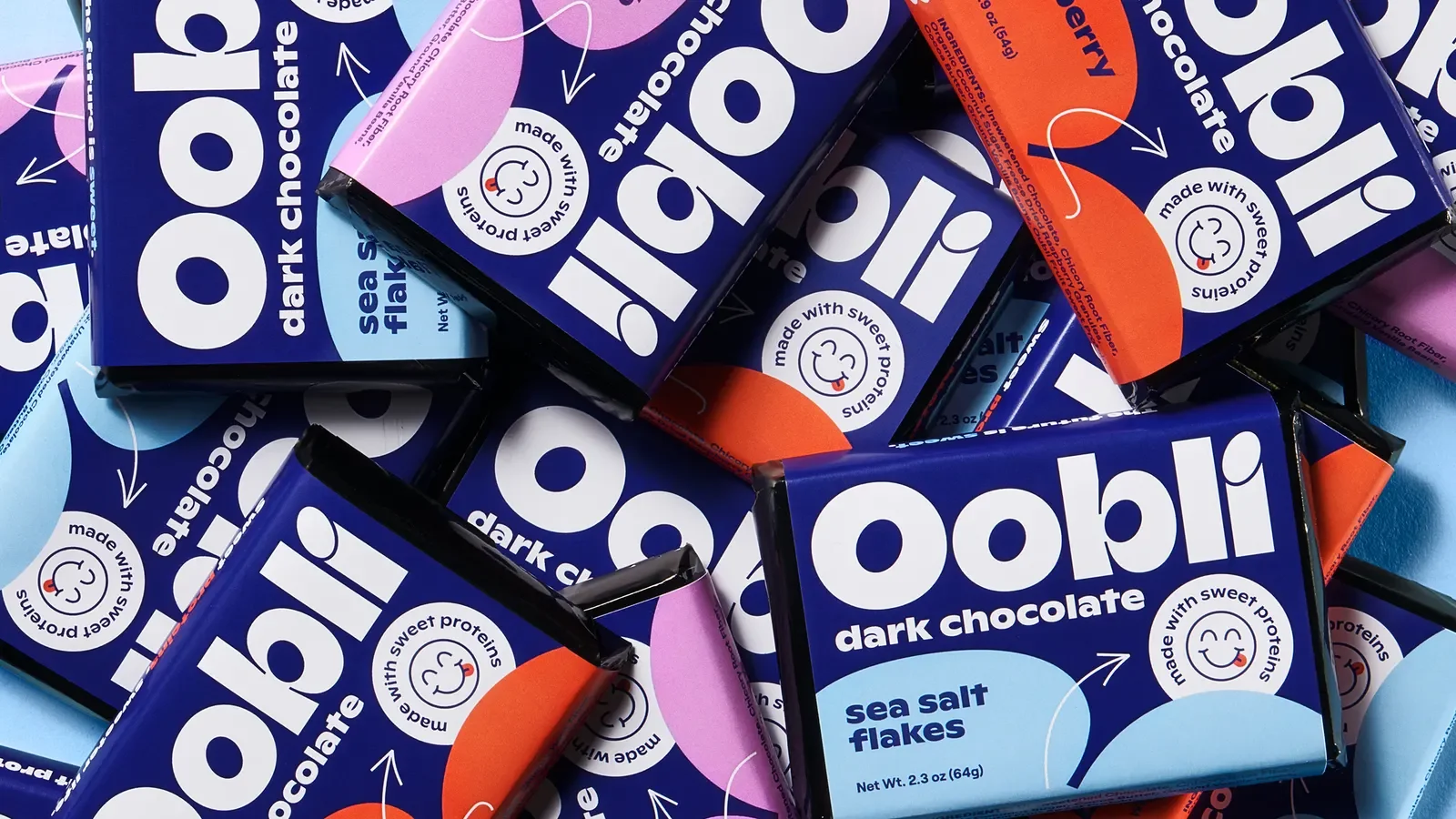
Amyris is adding a food and beverage platform to its precision fermentation business with its acquisition of Oobli, a maker of sweet proteins that can replace much of the sugar in products such as sodas, baked goods and candy. The price wasn’t disclosed, and the companies expect the deal to close in the coming weeks. That leaves the strategic rationale clearer than the financial terms: Amyris is gaining an ingredient business with a defined use in consumer products, while Oobli is gaining access to production resources that could help it meet demand.
The acquisition gives Oobli access to Amyris’ manufacturing capacity and scientific resources as it seeks to scale production. Amyris said it will honor Oobli’s existing customer commitments and brand partnerships without interruption. That assurance matters because ingredient customers typically need continuity in supply and product development; an ownership change can create questions about whether a supplier can keep delivering while its operations are integrated. The companies haven’t provided details about how the integration will work.
Sweet proteins target sugar reduction
Oobli makes its sweeteners through precision fermentation, using proteins associated with two types of West African berries. The company positions them as a lower cost, better for you option for brands seeking sugar reduction and clean label ingredients. That pitch addresses several product goals at once: retain a sweet taste, reduce sugar, and use ingredients that fit a cleaner label. Whether the ingredients can meet those goals across different recipes and at a price brands will accept is a separate question.
Sweet proteins also occupy a different technical category from conventional sweeteners. They’re proteins produced through fermentation, rather than sugar itself, and their appeal depends on how well they perform in the finished product. A soda, a baked good and a piece of candy impose different demands on an ingredient. So the range of products Oobli says its proteins can serve is commercially relevant, but it doesn’t establish how much sugar can be replaced in every formulation.
“At Oobli, we have always believed there was a better way to deliver the sweet taste consumers love, without the trade-offs to health and our environment,” CEO Ali Wing said. She added that joining Amyris would provide the scale and resources to pursue making sweet proteins “the global standard in sweetness solutions.” That’s an ambitious goal. The acquisition may supply industrial support, but a broad claim about becoming a standard ultimately depends on repeatable production, customer uptake and performance in products people actually buy.
Oobli’s ingredients are considered generally recognized as safe by the FDA and have been approved for use as a natural flavor through the Flavor and Extract Manufacturers Association’s independent assessment program. Those statuses provide relevant context for brands assessing ingredients, though they don’t by themselves establish consumer demand or commercial scale. In 2025, the company partnered with Ingredion to expand the market for sweet proteins. The partnership suggests Oobli has been building commercial relationships before the Amyris deal; the available information doesn’t specify how that arrangement will change under new ownership.
Amyris extends its fermentation business
The deal broadens Amyris’ work beyond beauty, technology and personal care as it seeks to stabilize its business after emerging from Chapter 11 bankruptcy in May 2024. The company sold its consumer brands and shifted its commercial focus toward helping other companies develop products. In that context, Oobli fits a business model centered on supplying technology and ingredients to partners, rather than relying on Amyris-owned consumer brands to reach shoppers.
Amyris has also expanded capacity at its advanced fermentation facility in Brazil. CEO Kathy Fortmann said Oobli will give food and beverage brands another way to combine sweet taste, sugar reduction and clean label positioning. The facility could give Amyris a production base for the acquired platform, while its scientific resources may support further product work. But capacity only creates value if it can be used efficiently and matched to customer orders. More manufacturing capability alone doesn’t show that Oobli’s ingredients will gain a larger market.
Here’s the thing: Amyris is connecting an existing fermentation business to a specific ingredient with a clear consumer-facing purpose. This is more significant than it looks for a company trying to rebuild around commercial partnerships, because it gives that strategy a concrete food and beverage application. And yet, the key question remains practical: can the combined business produce enough sweet protein, at a suitable cost, to keep customers and attract new ones?
What the deal needs to prove
For Oobli, the immediate test is whether Amyris’ resources translate into reliable supply and continued support for its customer relationships. For Amyris, the test is whether this platform can add a meaningful commercial line to its fermentation operations. The deal’s terms haven’t been disclosed, and the companies haven’t described specific production targets or timelines beyond expecting the transaction to close in the coming weeks.
If you're working in food product development, the appeal is straightforward: an ingredient that could help cut sugar while preserving sweetness may give brands another option. The hard part is proving that it works across formulations and can be supplied consistently. (And this is the part most people overlook.) A promising ingredient can still face a long path from technical capability to routine use in products.
For Amyris, Oobli brings a specific ingredient platform and customer relationships into a business built around fermentation. The next test is whether added production capacity can help sweet proteins reach more products and customers. For now, the acquisition offers a plausible strategic fit, with execution and customer adoption left to demonstrate. Scale first. Market acceptance after.

Discussion
Sign in to join the discussion.