John Lindeman takes over Utz on Dec. 1 as the snack maker prepares for a $2.9 billion sale to Intersnack and a shift to private ownership.
Utz Brands is changing CEOs as it prepares to leave the public markets: board member John Lindeman is set to take the top job Dec. 1, ahead of the company’s expected sale to Intersnack Group. The appointment places a new chief executive at the center of two transitions at once: a change in ownership and a shift away from life as a publicly traded company. That timing makes the role less like a routine handoff. Lindeman will inherit a business whose immediate direction is tied to a deal that shareholders haven’t yet voted on.
A leadership handoff tied to the sale
Howard Friedman, who has led Utz for nearly four years, plans to step down after the acquisition closes. Dylan Lissette, who will become executive chair once the transaction is complete, said he believes Lindeman has the experience to lead the company into its next phase. The sequence connects the leadership change directly to the sale: Friedman remains in place through the closing, while Lindeman is scheduled to take over Dec. 1. That arrangement gives the company a defined succession plan, though the precise timing still sits alongside a transaction that has not been completed.
Lindeman has served on Utz’s board since August 2020. He most recently was CEO of Calavo Growers, which was acquired by avocado producer Mission Produce. His board tenure means he’ll take the job with familiarity with Utz’s business and governance, while his prior CEO experience offers a different kind of preparation: leading a company through a change in ownership. The source doesn’t spell out what lessons from that experience will carry over, and the two businesses shouldn’t be treated as interchangeable. Still, the combination of board knowledge and executive experience is a clear part of the rationale for his appointment.
Here’s the thing: a CEO’s influence during an acquisition can be constrained by the deal itself. Some major decisions may depend on the new owner’s plans, while day-to-day performance remains the incoming leader’s responsibility. Lindeman’s challenge will be to keep the business operating while the organization adjusts to a new parent. A transition plan on paper is useful; execution will show whether it can hold up under pressure.
Utz and Intersnack prepare to combine
Intersnack, a German snack maker, agreed to buy Utz at an enterprise value of about $2.9 billion. Utz shareholders are scheduled to vote on the deal Nov. 13, with closing expected later this year. The company went public in 2020. The proposed sale would therefore bring a relatively short public-market chapter to a close, although the vote and closing remain important steps between the announcement and a completed transaction.
The enterprise value gives a sense of the scale of the proposed deal, but it doesn’t by itself explain how the combined businesses will be run or where future investment will go. Those questions matter to employees, customers and suppliers because a change in ownership can affect priorities across a company, even when the products on store shelves stay familiar. The source doesn’t describe specific integration plans, so claims about cuts, product changes or a new operating structure would be premature.
The companies bring overlapping snack categories, including popcorn and potato chips, but operate in different regions. Utz is based in Pennsylvania and sells in the U.S.; Intersnack operates in Europe and Oceania. The combination gives Intersnack a U.S. presence and could create room for Utz to expand internationally. That’s a plausible strategic fit: one company has an established U.S. business, while the other brings operations in markets where Utz isn’t described as having the same reach.
Similar combinations often raise practical questions about how brands, distribution and local market knowledge will work together. A wider geographic footprint can open doors, but it doesn’t automatically translate into sales growth. Snack preferences, retail relationships and production needs vary by market, and the source provides no detail about how Intersnack intends to approach those differences. (And this is the part most people overlook.) A larger map is an opportunity only if the companies can turn it into a workable commercial plan.
Sales pressure frames the transition
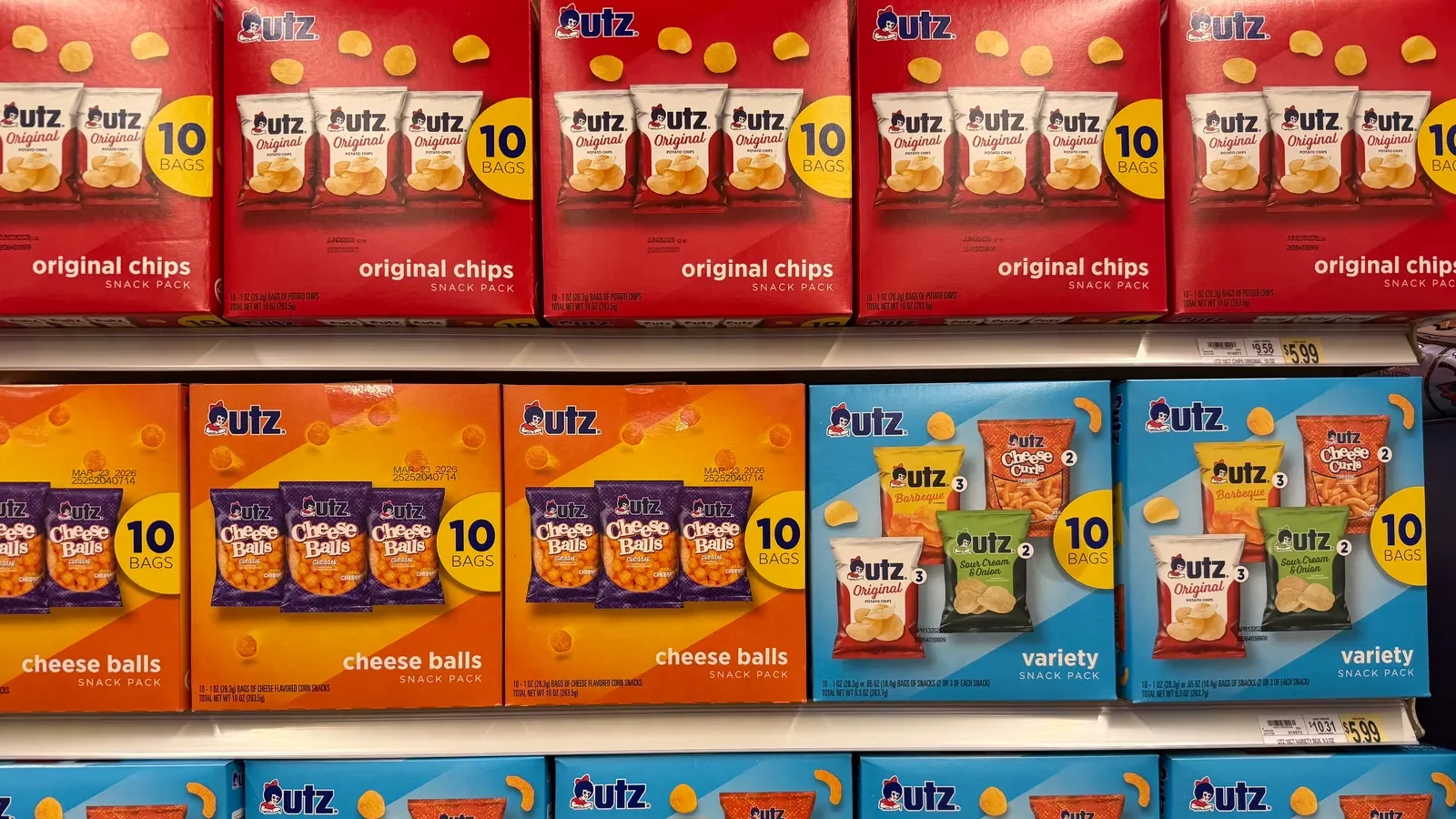
Utz makes about 3 million pounds of popcorn, cheese balls, pretzels and potato chips each week. In its latest quarter, net sales fell 2.3% to $369.2 million. Friedman attributed the decline to intensifying industry pressures, including inflation and softer consumer spending. Those figures put the leadership and ownership changes in context: the incoming CEO won’t be taking over a business whose only challenge is completing a transaction. He’ll also face a sales environment that management has described as tougher.
The reported decline is modest in percentage terms, but it points to the tension facing packaged-food companies when shoppers become more cautious about spending. Inflation can raise costs across a business, while softer spending can make it harder to pass those costs along or sustain demand. The source doesn’t break down which products, customers or channels accounted for the quarterly movement, so it’s not possible to identify a single cause or say whether the pressure is concentrated in one part of Utz’s portfolio.
The incoming CEO will take charge as ownership changes and the company contends with those demand pressures. That makes the transition a test of how Utz can maintain its U.S. business while finding growth opportunities within Intersnack’s wider footprint. For someone following the deal, the key question isn’t simply whether the companies operate in complementary regions; it’s whether that geographic reach can help the business respond to its current sales pressures.
What the change could mean for Utz
This is more significant than it looks. A CEO appointment can signal continuity when a director with existing board experience takes the role, but a pending sale changes the context: Lindeman will lead Utz into an ownership structure that’s expected to be different from the one under which he joined its board. His task will include translating the acquisition’s broad strategic logic into choices that matter to the business, while managing through near-term demand weakness.
That said, the available facts leave important questions open. They don’t identify specific expansion markets, describe how the brands will be managed, or explain what operating changes Intersnack plans after the deal closes. The companies’ different regional footprints offer a rationale for combining, not proof that the combination will produce growth. The shareholder vote and closing are also still ahead, so the stated schedule remains contingent on the transaction moving forward.
If you’re working in this space, watch what the companies say about integration and growth after the ownership change, alongside Utz’s sales performance. Those signals will help show whether the combination is becoming more than a geographic fit. For now, the immediate test is straightforward: can Utz sustain its U.S. business through a leadership handoff and a change in ownership while consumers are spending more cautiously?
Much will depend on execution.
Discussion
Sign in to join the discussion.