May is a pivotal month for planting various crops; understanding regional climates and farm goals can optimize yields.
For farmers across North America, May marks a crucial period for crop planting. In regions with sweltering summers, there’s time to sow heat-loving varieties. Meanwhile, areas with shorter growing seasons should focus on getting autumn crops established. The choice of whether to transplant or direct sow can significantly impact the crop yields.
Beyond weather conditions, understanding the farm's specific needs takes precedence. If the goal is to enhance output for market sales or revenue generation, growers should prioritize crops that have historically performed well within their locations. However, there’s also merit in experimenting with less conventional varieties, as successful trials can yield valuable insights that extend beyond mere financial returns.
Melons
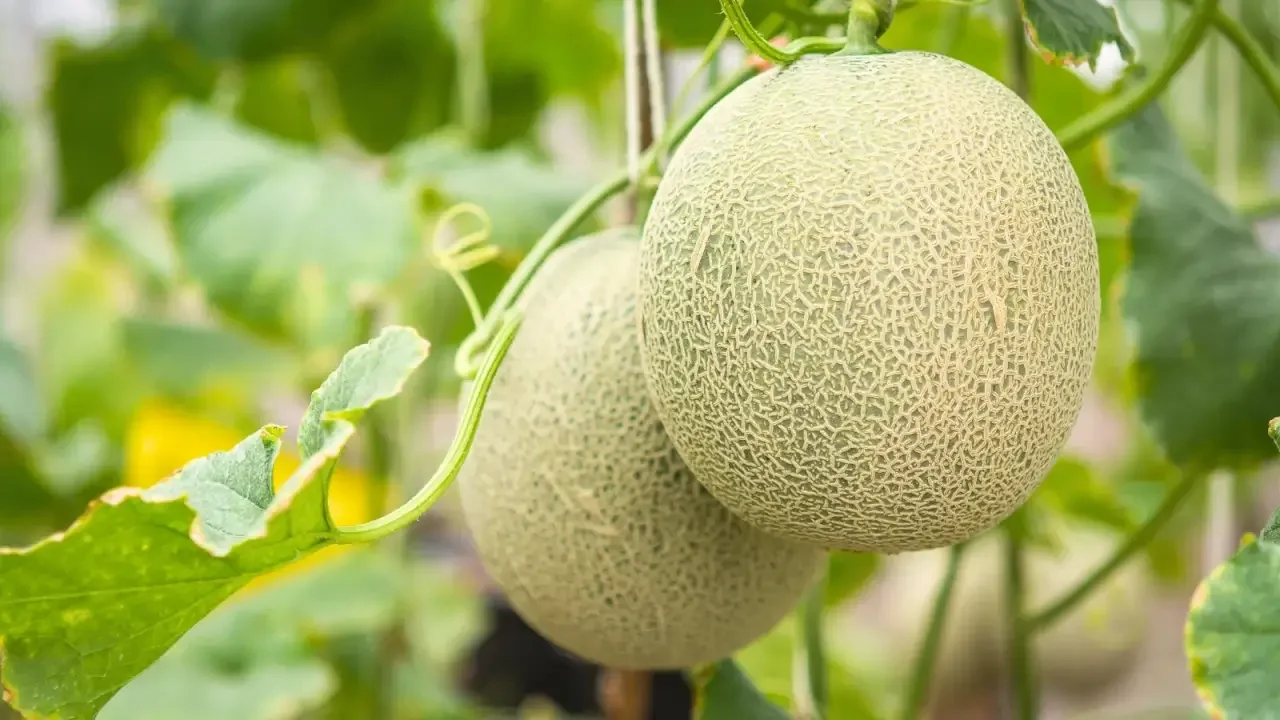
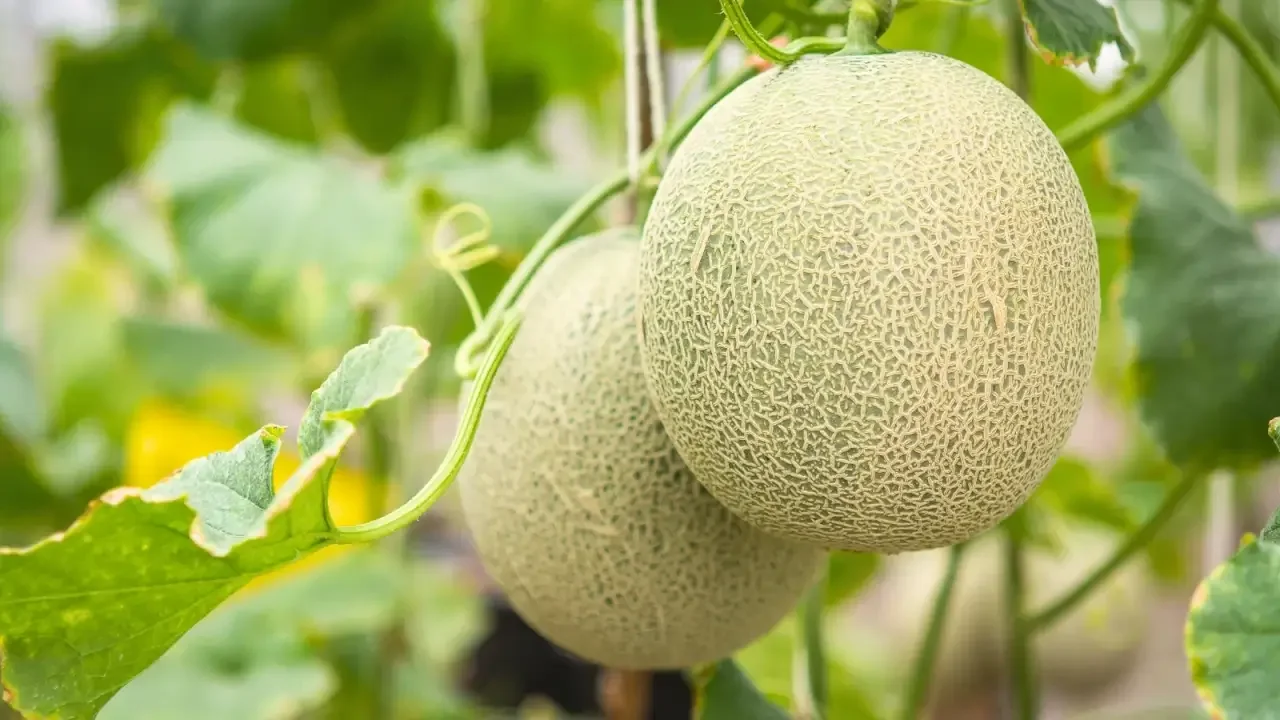
If your region is experiencing warm summers, May is the time to plant melons, including cantaloupe and watermelon. Starting seeds now allows for sprawling vines that will flourish under the sun's heat. Melon vines thrive when they’re given ample space to grow, and regular feeding with diluted fertilizer can lead to a bumper crop within two to three months. Coastal growers should pay attention to soil conditions, as watermelons particularly excel in sandy soils.
Eggplant
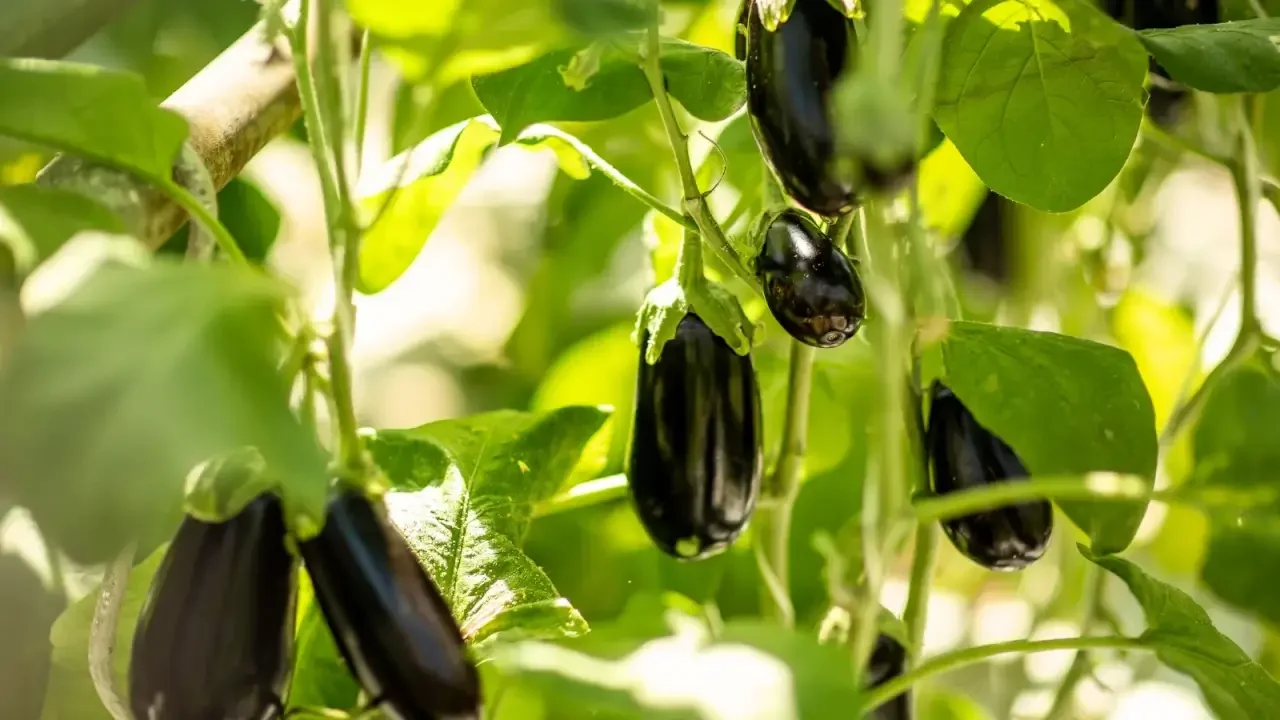
For those looking to cultivate eggplants, May is ideal for transplanting. Given their growth requirements, eggplants need at least two and a half months to mature. Opt for varieties like 'Epic' for prolific production in warmer climates or ‘Nadia’ for larger fruit. When temperatures are less than optimal, consider ‘Orient Express’ and ‘Elondo’ to suit varying conditions.
Okra
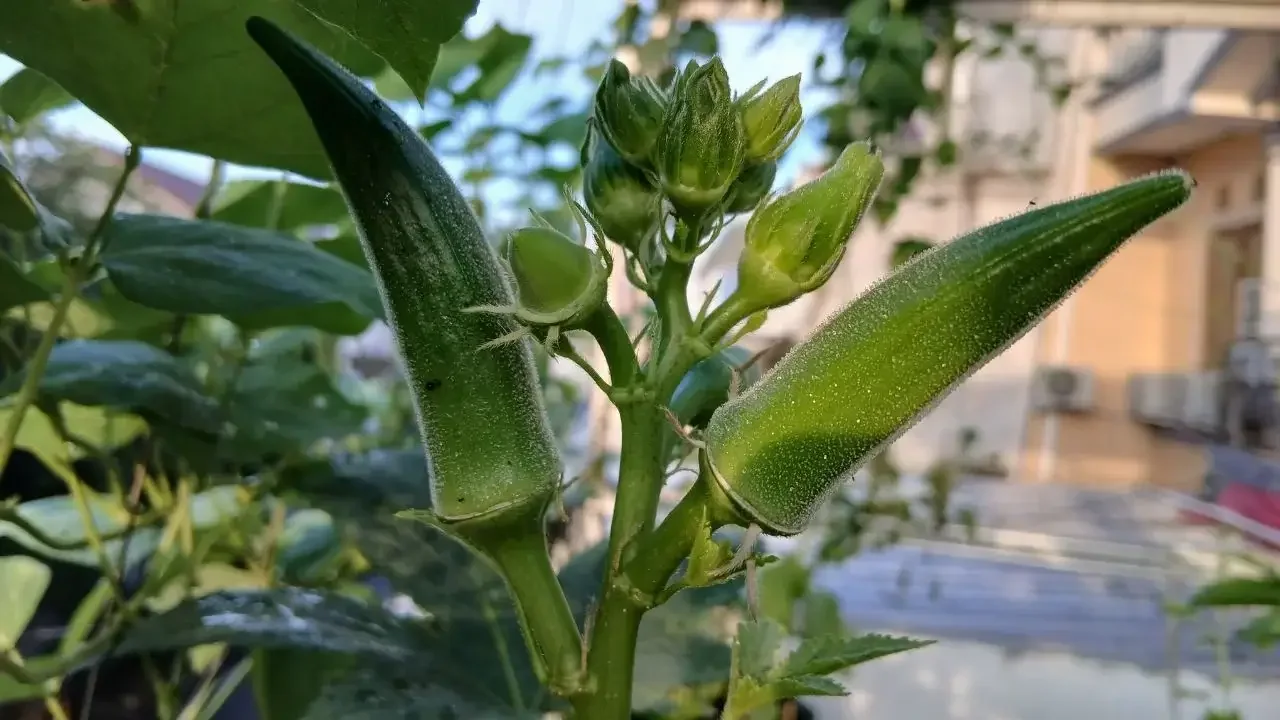
With its preference for warm temperatures, okra should also be planted in May, particularly in locales that enjoy extended growing seasons. Easily cultivated, okra can yield an abundance of pods, making it popular among growers. While spiny varieties pose harvesting challenges, spineless versions like ‘Clemson Spineless 80’ can simplify the process, making them a go-to for many farmers.
Corn
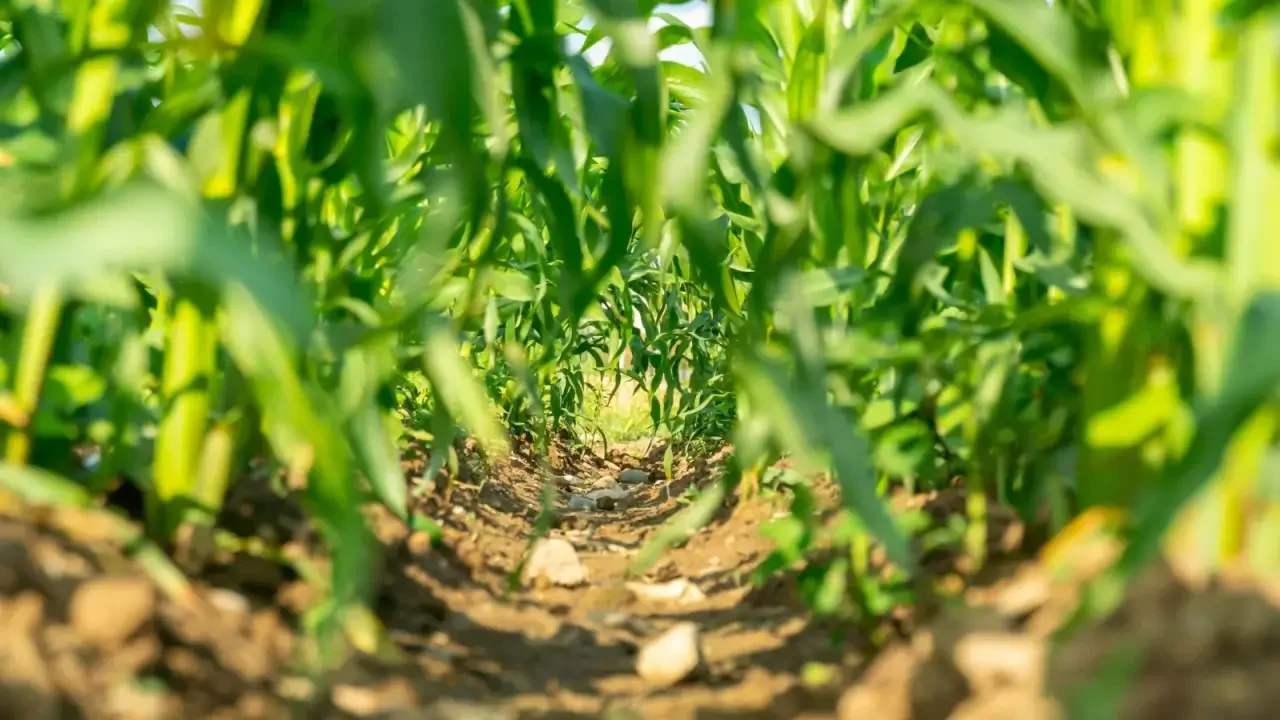
Corn requires a lengthy growing season, ideally two and a half months or longer, making it suitable for regions with extended summers. Several varieties exist, including sweet, dent, and popcorn types. Farmers can adapt their selection based on culinary needs—sweet corn shines on the grill, while dent corn is suitable for milling, and popcorn is great for snacking. For a taste of tradition, consider heirloom flints known for their unique history in Native American agriculture.
Beans
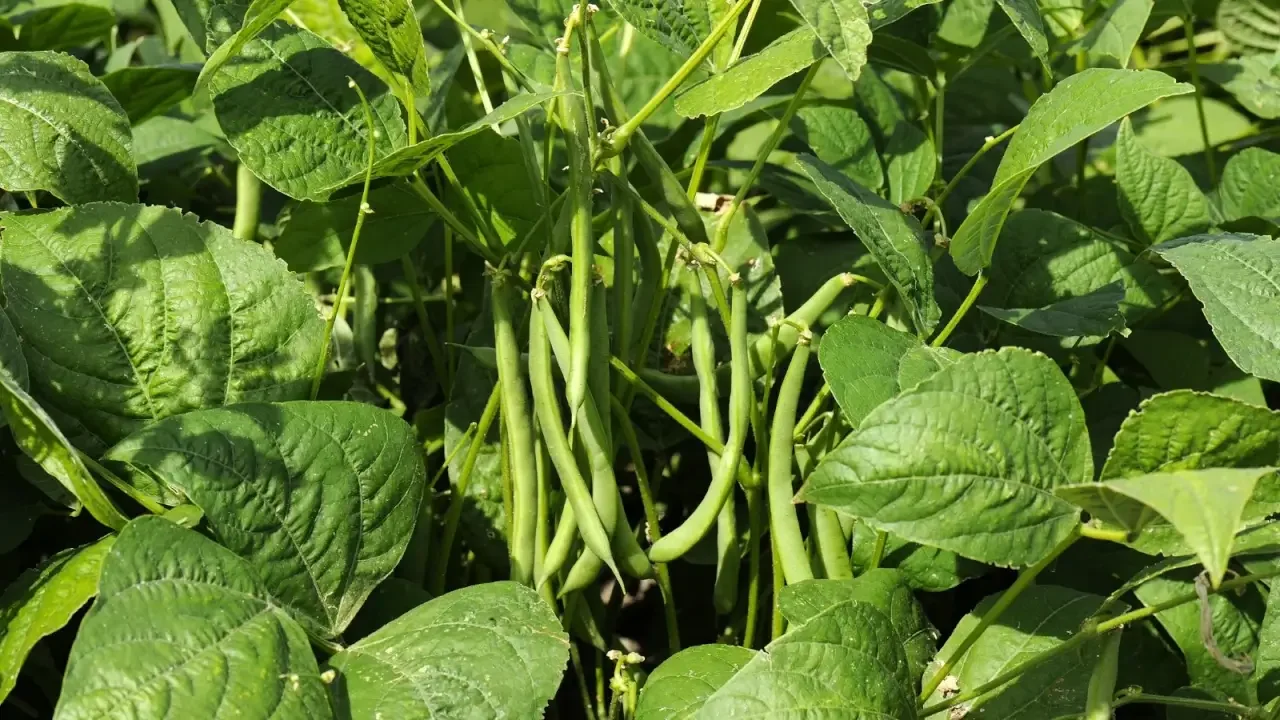
May is also the optimal time to plant both green and shelling beans, with a variety of options available that cater to different climatic conditions. Fast-maturing types can thrive in cooler areas, while cowpeas and butter beans are ideal for hotter regions. Southwestern farmers have especially benefited from varieties like tepary beans, which excel in arid climates.
Squash
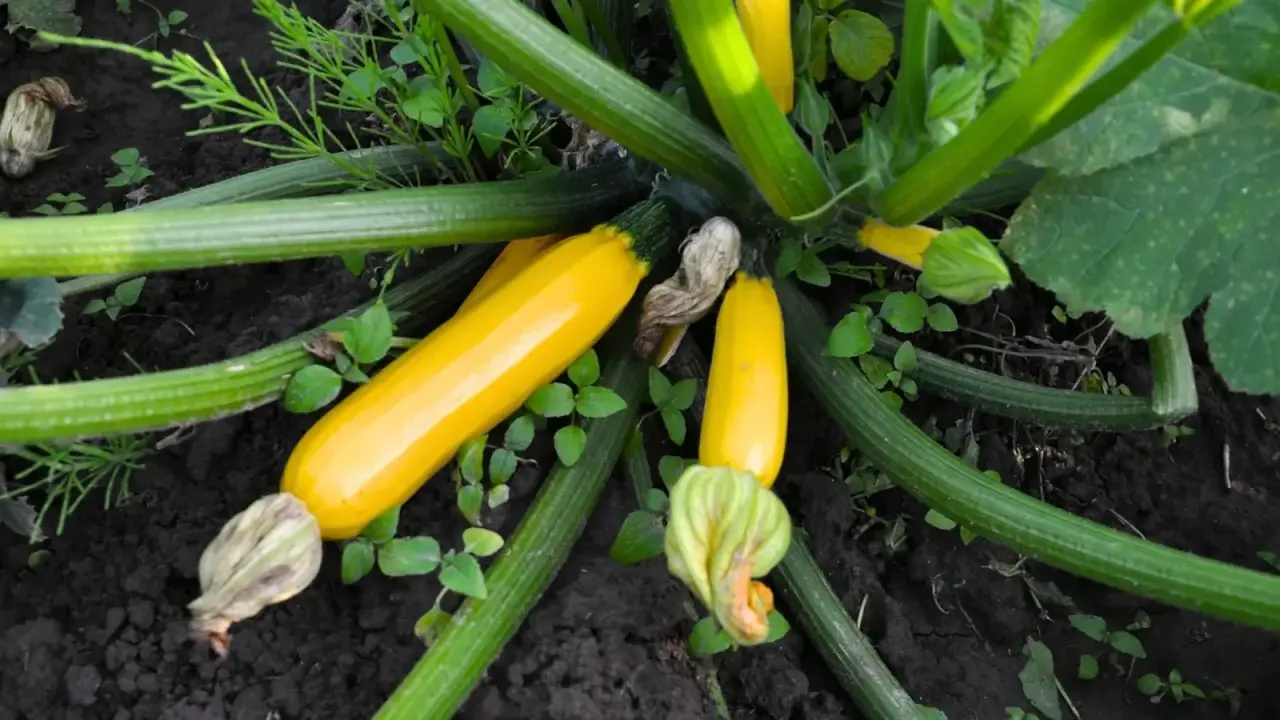
In temperate areas, May is a great time for planting pumpkins and winter squash. Varieties like butternut and acorn should also be considered, particularly in regions susceptible to early frost. For those with sufficient warmth, planting summer squash should also be part of the plan, especially if growers have staggered sowings to extend their harvest window.
Grains
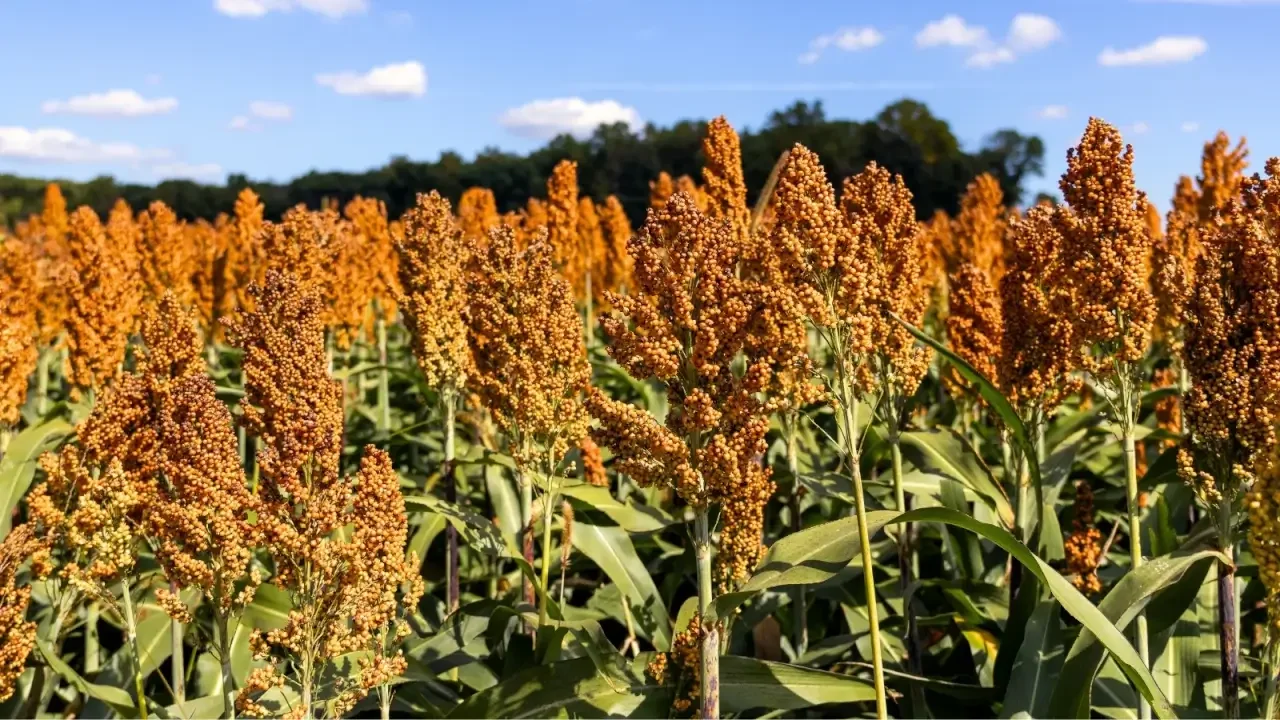
For those in warmer climates, May is suitable for planting grains like amaranth, which can serve both decorative and culinary uses. Sorghum and millet are also tailored for hot, dry climates, while oats and buckwheat work better in cooler breezy areas. Identifying the right grain for your farm's conditions can enhance productivity significantly.
Flowers
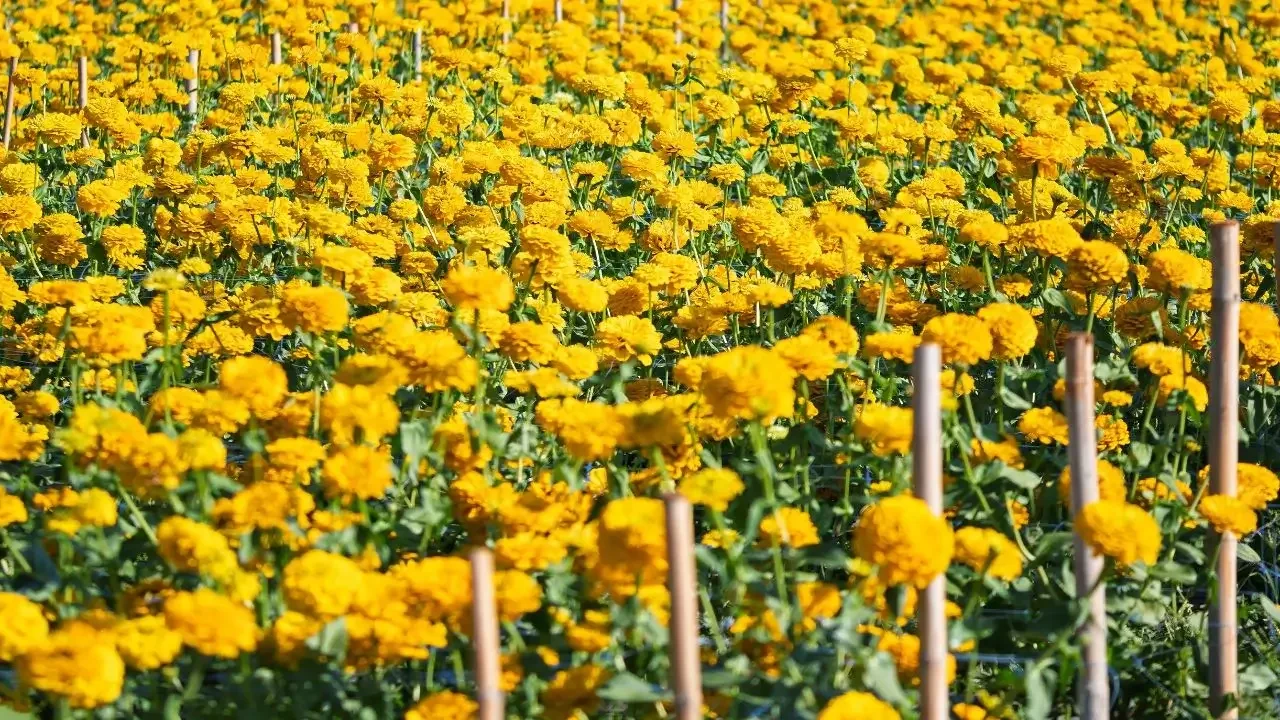
After the frost, planting dahlia tubers should be prioritized to ensure growth before summer blooms. Sunflowers are another excellent choice, offering pollinator support and aesthetic value. Fast-growing flowers like zinnias and cosmos can be planted now to invigorate the garden and attract beneficial insects. Other options like marigolds and borage are worthwhile for those in cooler conditions.
May is undoubtedly a dynamic month for farmers, presenting opportunities to maximize their planting strategies. By strategically selecting crops suitable for their unique conditions, farmers can position themselves for successful yields while also experimenting with new varieties for future benefits.

Discussion
Sign in to join the discussion.