Brandy Hall shares her vision on applying permaculture principles to transform home landscapes into sustainable, resilient spaces.

Permaculture isn't just a concept for sprawling farms; its principles can thrive in even the smallest home landscapes. Brandy Hall, the owner of Shades of Green, specializes in transforming residential spaces with strategies that promote ecological health and community well-being.

Brandy’s approach focuses on water management, soil enhancement, and biodiversity, leading to meaningful environmental improvements. Collaborating with homeowners, she develops tailored plans designed to combat challenges such as erosion and carbon emissions while increasing the enjoyment of outdoor spaces.
The successful application of permaculture principles hinges on understanding the unique characteristics of each landscape and integrating systemic insights into land management. For individuals and farmers wary of adopting these practices, gradual incorporation of methods can lead to noticeable ecological benefits.
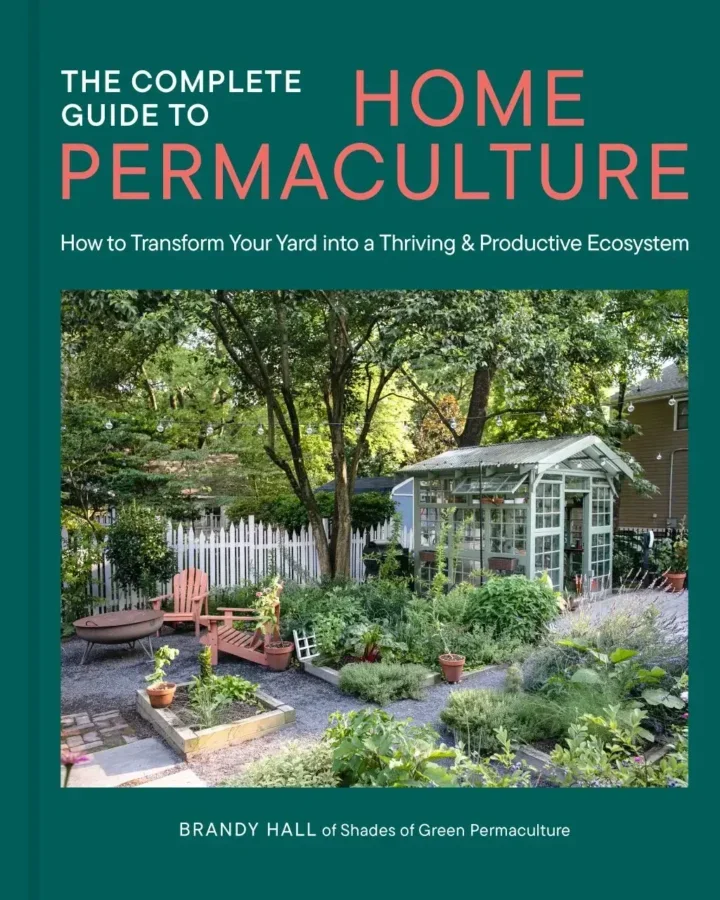
In our conversation, I highlighted how her book, The Complete Guide to Home Permaculture, reframed my perspective on landscaping. Notably, Brandy's personal journey illustrates the adverse health implications of industrial farming practices, marking a significant shift towards embracing permaculture.
Implementing Permaculture in Diverse Settings
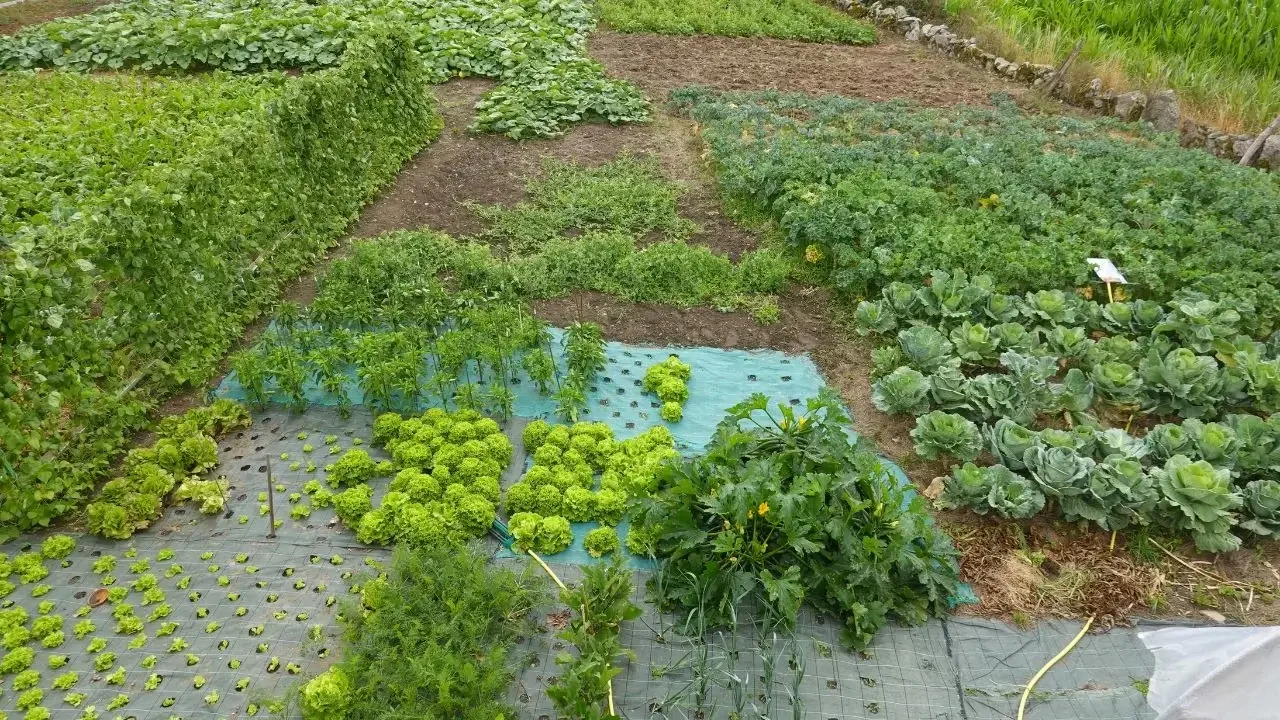
My discussion with Brandy unearthed how different growers experience the implementation of permaculture principles. It’s clear that the foundation rests on understanding the connectedness between water, soil, plants, animals, and humans. For farmers, this doesn’t necessitate a total transformation; instead, the focus should be on observation and incremental adjustments. Identifying water movement across the land, enriching covered soil, and minimizing external inputs with biological processes can significantly improve farm resilience.
A regenerative farm, when viewed through a permaculture lens, prioritizes life and ecological balance. The farm will showcase diverse cropping systems, integrate livestock appropriately, and enhance perennials—a stark contrast to monocultures. Healthy, dark, and structured soils are indicators of vitality, resulting from reduced dependence on artificial inputs due to the system’s natural efficiencies.
Enhancing Landscape Resilience Against External Pressures
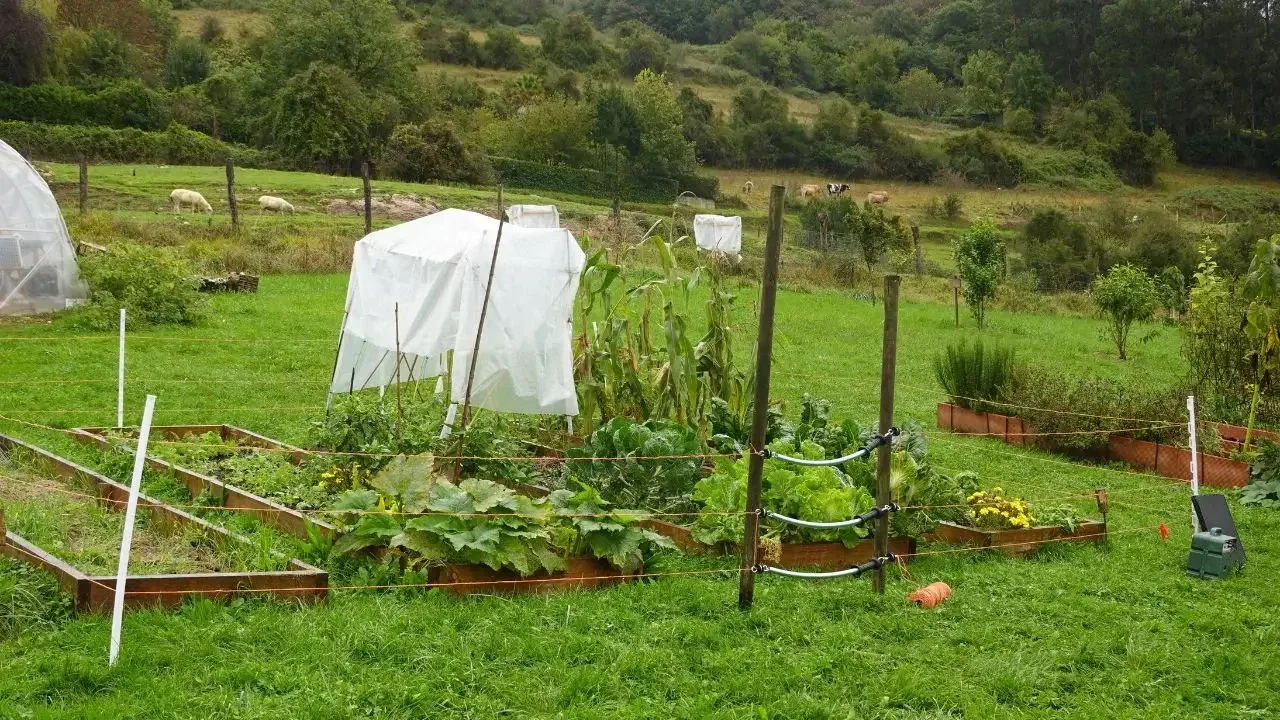
It's a challenge for farmers whose land borders large-scale agricultural operations. Brandy emphasizes that while one may not control external factors, the design of one's land can bolster its resilience against industrial pressures. Simple strategies like creating hedgerows, windbreaks, and densely planted edges can effectively decrease the impact of chemical drifts and enhance habitats for beneficial wildlife.
Water management emerges as another crucial aspect; controlling how water moves across the property can significantly mitigate incoming contaminants. Improving soil health is perhaps the most impactful strategy—living soils can buffer against toxins and enhance plant resilience. Implementing organic practices, such as composting and cover cropping, can substantially contribute to soil vitality.
Furthermore, modeling an effective permaculture system can inspire neighbors and shift broader perceptions. Demonstrating a productive and resilient landscape that minimizes chemical usage can lead to gradual shifts in local practices.
Identifying Key Elements for Success

Brandy points out that clients often overlook essential elements in their landscaping projects. One of the most common oversights is the management of water. Often, homeowners prioritize plants without understanding water's critical role. In regions with variable climates, like the Southeast, rainfall patterns alternate between drought and deluge. Instead of viewing water as a nuisance, it should be harnessed—by observing and directing its flow, homeowners can optimize planting strategies and overall landscape health.
Another frequent misstep is neglecting soil coverage, leaving bare soil exposed and vulnerable. Covering soil with mulch, cover crops, or living ground covers is vital to maintain soil integrity and biological activity. This not only aids water retention but also reduces irrigation needs.
Finally, Brandy notes that thinking in terms of holistic systems rather than isolated variables can lead to transformative results—simple adjustments, like planting in guilds, can radically enhance overall landscape performance.
Instilling Values in Future Generations

As the shift toward regenerative practices gains momentum, it’s crucial to consider how these lessons are shared with younger generations. Brandy advocates for teaching children to observe and adapt to nature’s rhythms instead of feeling compelled to control them. Current agricultural models often emphasize immediate yield at the expense of long-term health—a mindset that needs challenging.
Educating future stewards about the significance of their role within living systems is paramount. It’s about recognizing changes in soil health, water patterns, and plant vitality while cultivating curiosity and inquiry. Encouraging children to collaborate, respect nature, and embrace ongoing learning prepares them to contribute to the restoration and sustainability of our environment.
How to Conserve Water on Small-Scale Farms: 7 Tips for Success
With diminishing water availability, these strategies can help small-scale farmers conserve resources effectively.
The post Rethinking Home Landscaping: Insights from Brandy Hall on Permaculture Practices appeared first on Modern Farmer.

Discussion
Sign in to join the discussion.