Unlock the potential of succession sowing to maximize your yields and diversify your crops throughout the growing season.
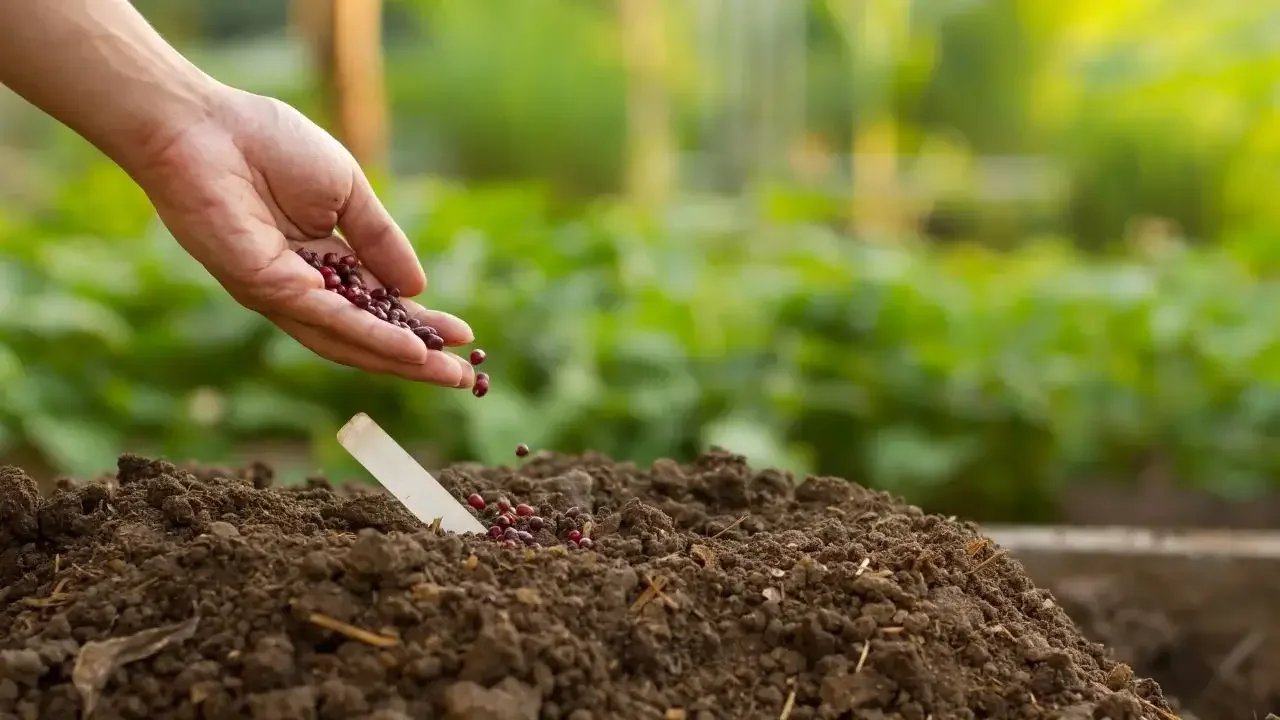
Succession sowing is a valuable technique for farmers and small-scale gardeners aiming to maximize their harvests and achieve multiple yields throughout the growing season. By spacing out planting times, growers can effectively allocate part of their harvest for personal use and the remainder for sale, optimizing revenue.
The backbone of successful succession sowing lies in understanding timing. Familiarity with seasonal cycles and the growth duration of various crops helps farmers determine the most effective intervals for planting. Additionally, strategic use of space and considering soil health and crop compatibility can significantly influence yield outcomes.
For beginners, adopting a structured approach to succession sowing can pave the way for long-term success. Starting with quick-maturing crops provides a practical way to familiarize oneself with the process before gradually introducing more complexity over time.
Techniques for Effective Succession Sowing
There are various methods to implement succession sowing, which can be categorized into several key strategies:
1. Sowing the Same Crop at Regular Intervals
One effective method involves sowing the same crop at predetermined intervals throughout the season. Crops known for their short days to maturity, such as radishes, beets, and lettuce, are ideal candidates for this approach. Starting with these quick-maturing varieties can enhance confidence and proficiency in managing multiple sowings.
The goal here is to stagger plantings strategically. For instance, after the initial batch is sown, farmers should leave space for subsequent sowings or plant new seeds as soon as a previous crop is harvested. Although this method can accommodate slower-maturing varieties, close attention to timing remains critical to prevent wasting seeds and garden space.
Farmers can also extend their growing season by adopting tools such as low hoops and cold frames, thus allowing them to sow earlier or extend harvests into the cooler months.
2. Planting Different Crops Together
Another method is to succession sow various crops within the same planting area, which diversifies the potential yield. Pairing quick with slow-maturing crops or mixing early and late season varieties can create a more dynamic growing environment. This technique helps farmers provide a wider range of produce for personal consumption and sale.
As one crop completes its growth cycle, it’s an opportune moment to introduce a new crop that aligns with the remaining growing period, while also composting the spent plants to enrich the soil. Implementing crop rotation principles enhances soil health, as seen in examples like planting beans after cabbage to replenish nutrients.
3. Intercropping with Careful Timing
Intercropping is another powerful strategy that combines crops with complementary growth habits. By planting taller crops first, such as sunflowers, and then sowing lower-growing crops, such as beans, farmers can optimize space and improve soil coverage. This method not only supports enhanced pollination and nutrient exchange but also fosters a sustainable ecosystem for pest management.
Understanding companion planting's benefits can further enhance this strategy, leading to healthier crops and higher overall yields. For those managing diverse farm systems like food forests, these intercropping methods can prove particularly adaptable and successful.
4. Experimenting with Multiple Varieties of the Same Crop
Lastly, farmers can explore planting different varieties of the same crop. This technique allows growers to test which types flourish best during specific seasons. For instance, pairing early and late-producing tomato varieties can ensure a continuous harvest throughout the season, giving consumers variety over time.
This approach can also drive innovation for farmers known for specific crops, as experimenting with new varieties can provide insights that improve future yields. While it’s technically a form of monocropping, it enriches the farm by ensuring a steady and diverse supply despite climate fluctuations.
By embracing these methods, farmers can reap the benefits of succession sowing while enhancing their operations in terms of productivity and sustainability. Implementing these strategies thoughtfully will contribute to a more resilient farming practice capable of adapting to tomorrow's challenges.
The post Mastering Succession Sowing for Enhanced Harvests appeared first on Modern Farmer.

Discussion
Sign in to join the discussion.