Le Mil’s links a family coffee farm in Karnataka with a San Francisco cafe, roasting its own crop and building relationships with neighboring growers.
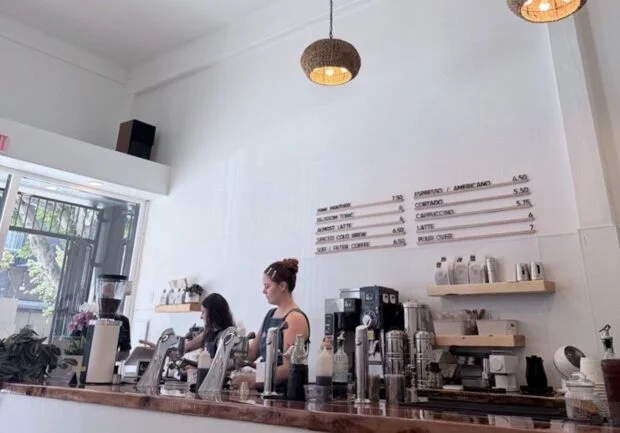
Le Mil’s Coffee is using a San Francisco cafe to bring a fifth-generation family farm in Karnataka into direct view. Its business links a Polk Street coffee lounge with small-batch roasting and sourcing from nearby growers, giving co-owner Milana Ram a customer base for coffee rooted in her family’s land. That link matters: customers can encounter the farm’s coffee as a prepared drink, while the company builds a route to market around a crop with a specific family history.
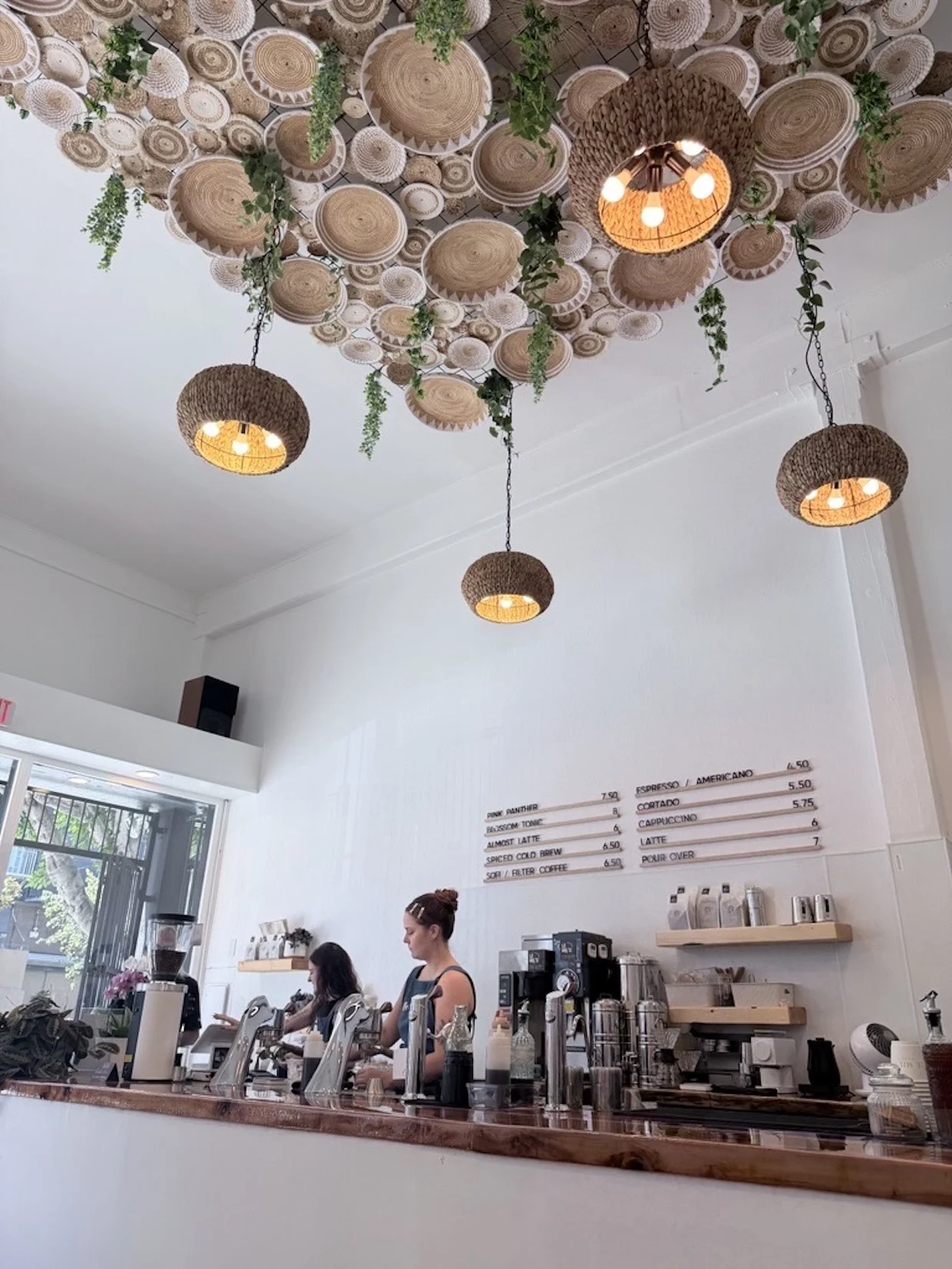
A cafe built around the coffee
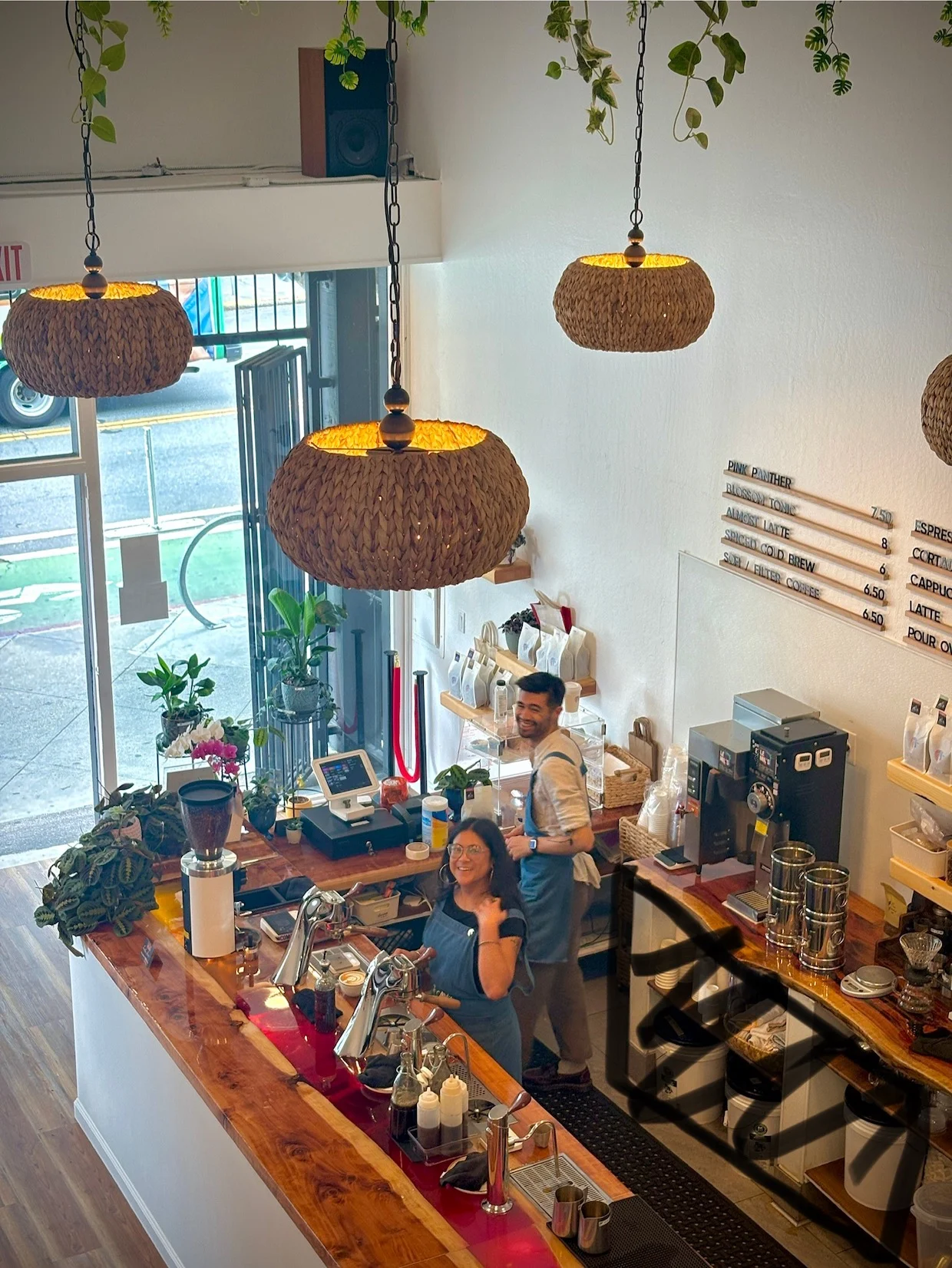
Open since Aug. 15 in Lower Nob Hill, the cafe occupies a long, white-walled space at 1330 Polk St. Rattan lights hang from high ceilings, and plants and layered South Asian baskets form a feature installation above the main floor and beside the upstairs mezzanine. Ram and her husband, Himanshu Bhaisare, designed it themselves, making the room part of the company’s effort to connect the coffee to its cultural and family roots. The interior also gives the lounge concept a visible identity beyond its menu.
The couple describe the venue as a “cafe lounge,” aiming to extend specialty coffee service beyond the daytime cafe format. “Our goal was to create a ‘cafe lounge’ experience that bridges the gap between a traditional daytime cafe and an evening lounge, treating specialty coffee with the same reverence as wine,” Bhaisare told Daily Coffee News. That ambition puts the experience as well as the drink at the center of the business: a customer is being invited to stay, not simply pick up a cup. The idea is clear; whether it can support the costs of a dedicated cafe is a separate question.
A Modbar undercounter espresso system sits beneath the cafe’s long wood bar, leaving the counter open between baristas and customers. The setup supports a menu that moves between South Indian filter coffee, qishr, pourovers and espresso drinks, rather than presenting one brewing style as the whole story. Nan khatai, gulab jamun cake, mango-cardamom cake and vegan lassi broaden the offer beyond coffee. For a new business tied to a particular origin, that range can make the cafe more inviting while giving customers several ways to meet the company’s point of view.
From family crop to a wider grower network
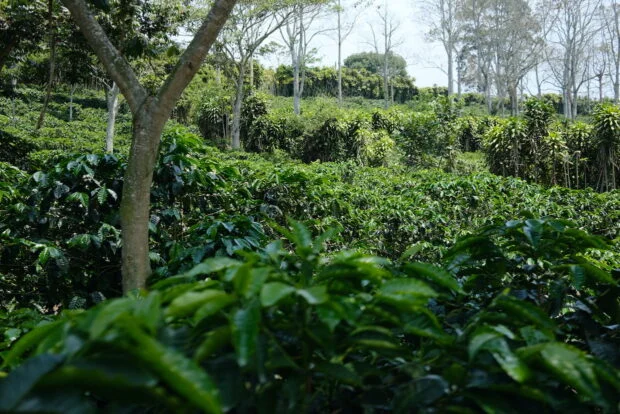
Ram’s family has farmed coffee in Karnataka for generations. According to the family’s account, her great-great-grandfather, Kalasapur Thimmiah, received about 200 acres from the Mysore royal family. The estate contracted as later generations sold land; Ram remembers visiting the 60 acres her grandfather owned. Her parents now manage the family’s remaining 20 acres in Baba Budangiri and Hassan. The history gives the company a strong origin story, but it also describes a smaller farming base than the original grant—a change that makes the decision to build a market for the crop especially consequential.
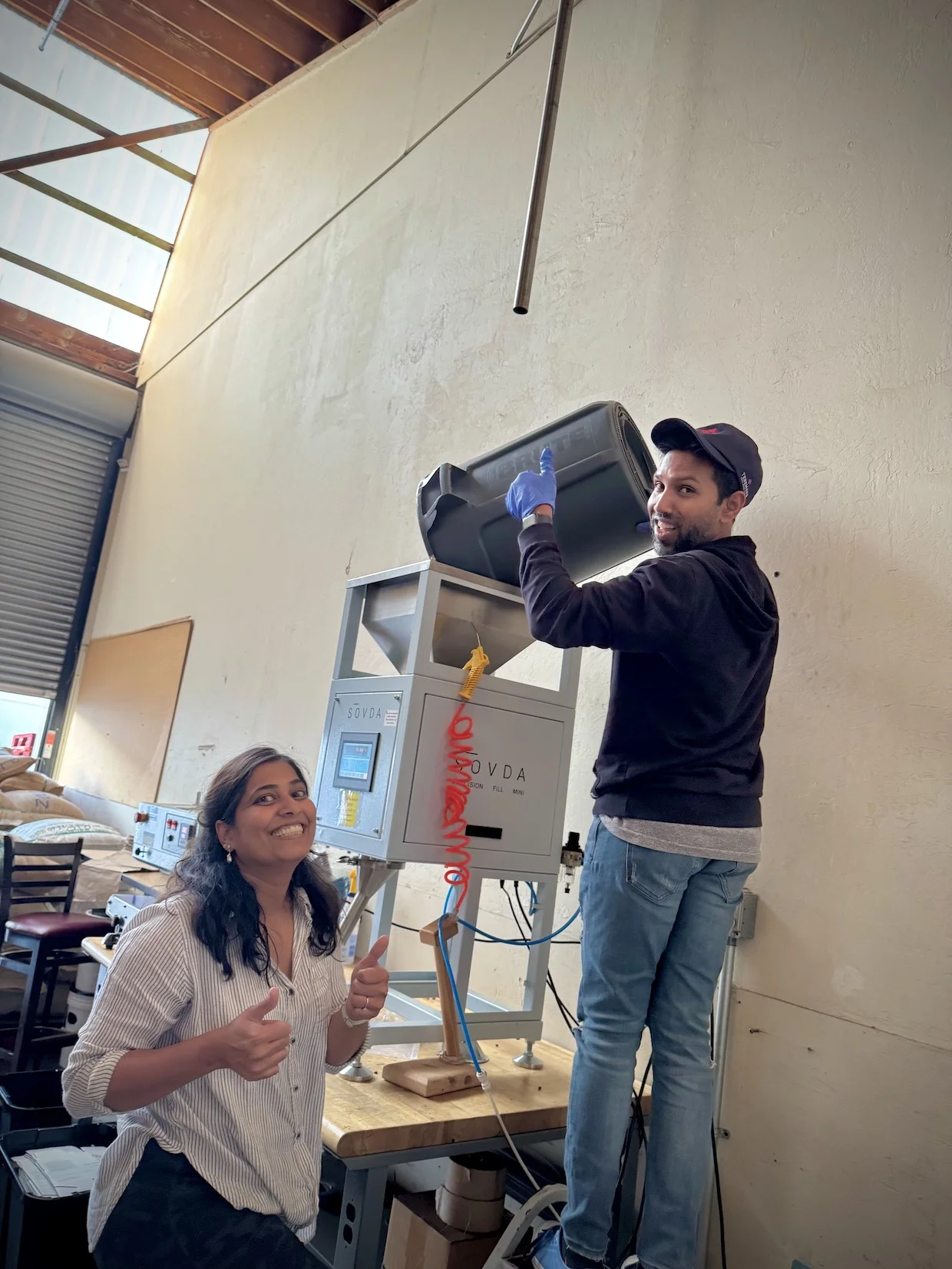
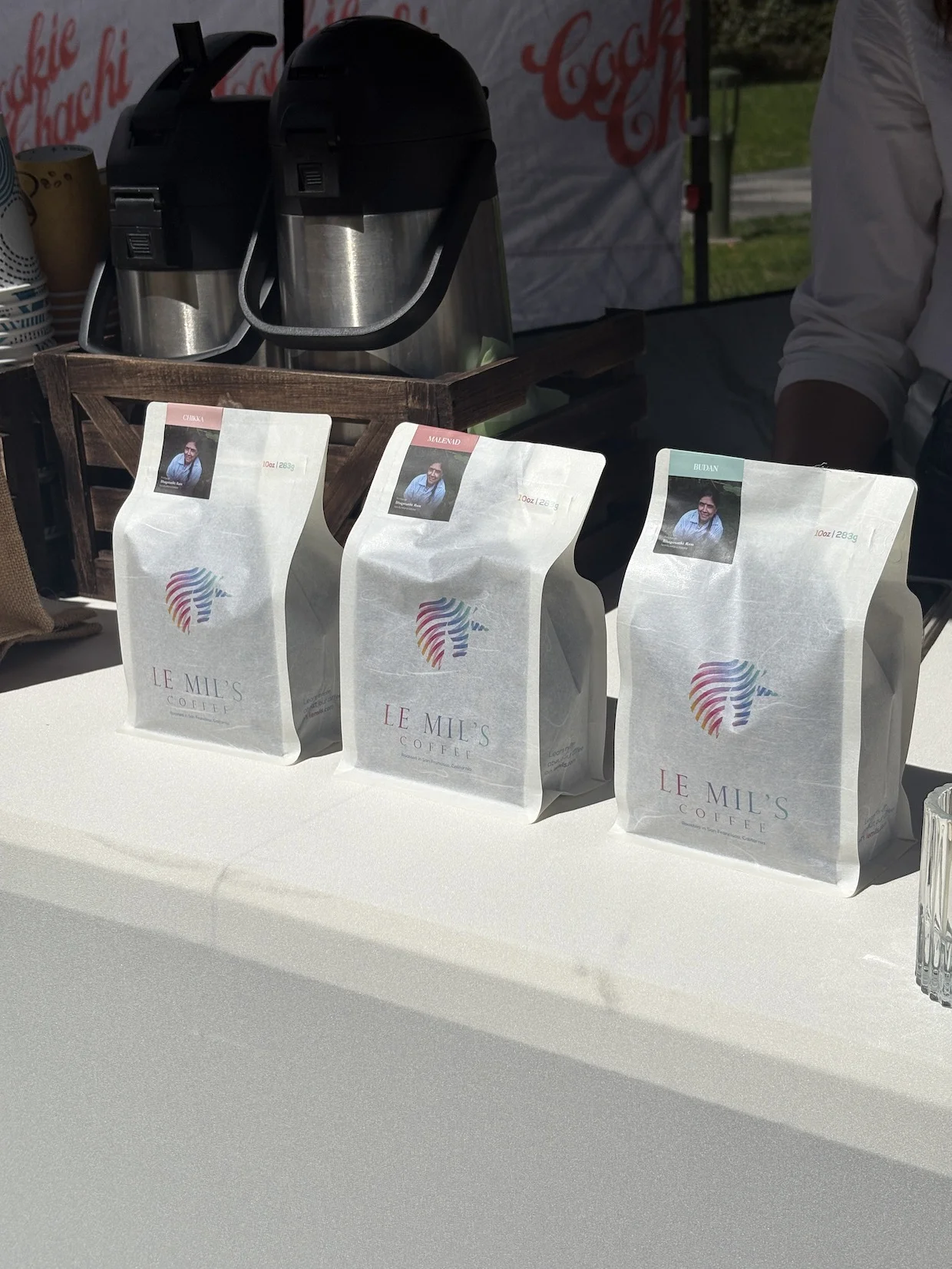
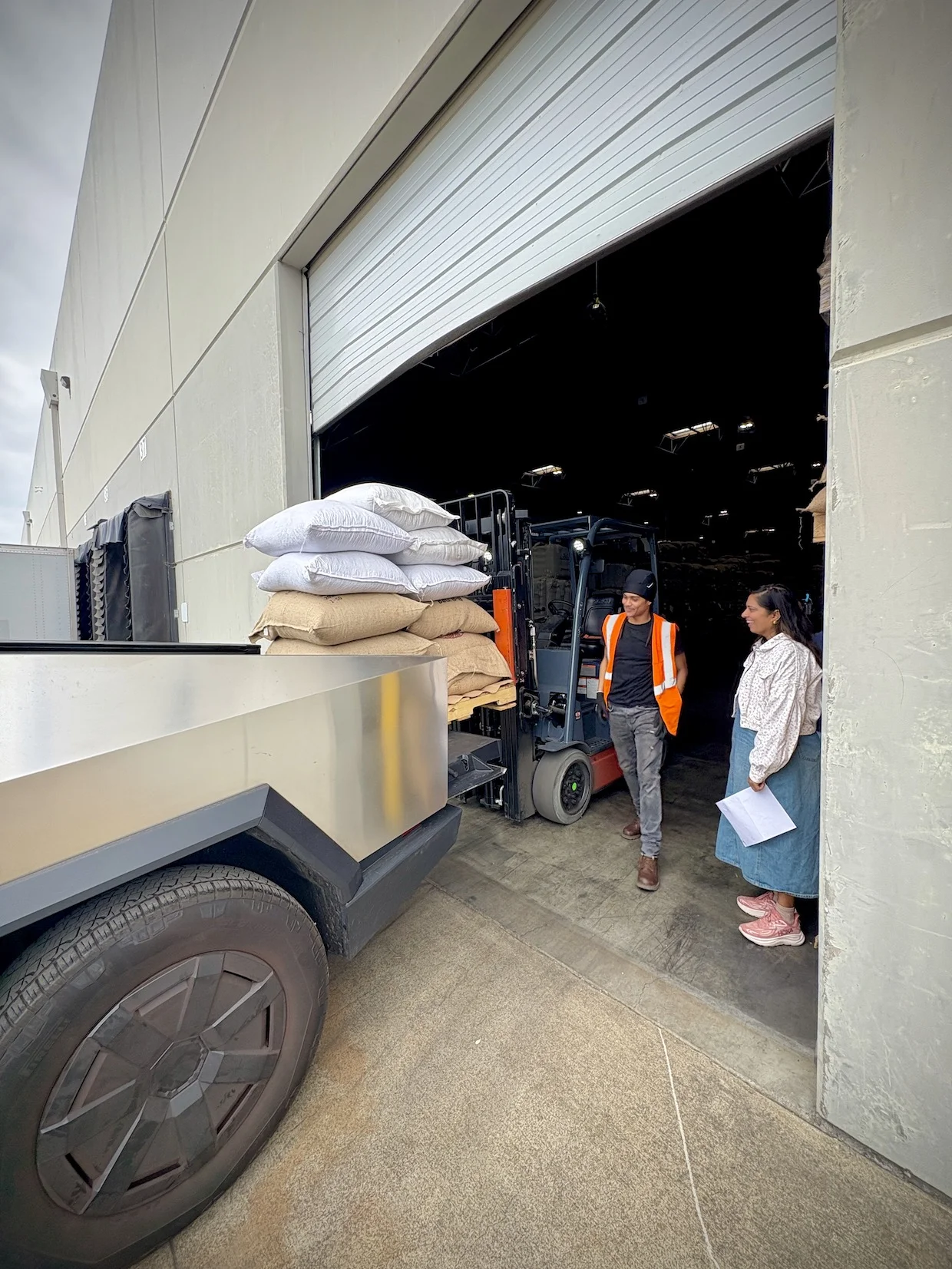
Rather than move back to India to run the farm, Ram built Le Mil’s as a route to market. The company buys the full crop from Navilumane Estate, including organically produced S795, S274, Selection 9 and Cauvery coffees processed using washed and natural methods. That arrangement gives Le Mil’s a close relationship with the family crop, while the mix of varieties and processing methods offers room to present different expressions of the harvest. Ram roasts the beans every two weeks at Berkeley’s CoRo shared roasting facility. A shared facility can give a small roaster access to production space without requiring its own roasting site, though it also makes scheduling and production capacity part of the operating picture.
Le Mil’s began with one ton of coffee from the family farm in 2023. In 2026, it added beans from neighboring farms, broadening the supply beyond the estate. Ram said local growers are proud that someone from their village has helped bring their coffee to a wider market and are eager to take part. That interest could strengthen the sourcing network, but turning enthusiasm into dependable buying relationships will require the business to match demand with the coffee growers can supply.
A long-planned route from India to the Bay Area
Ram and Bhaisare met at San Francisco State University, where she studied electrical engineering and he studied computer science. Bhaisare, who grew up in Mumbai, remains a software engineer and handles marketing, finance, technology and distribution for Le Mil’s. The division of work places one co-owner close to the coffee and the other across the business functions needed to sell it. For a young company, that means the farm connection has to be supported by the less visible work of getting products to customers and keeping operations organized.
“We planned to bring Indian coffee to San Francisco since the day we met in 2008,” Ram said. The pair started roasting in 2023 and opened the cafe in 2026, turning that long-standing plan into a business with a physical customer base. The sequence also shows how the project grew in stages: first roasting, then a permanent retail space. It’s a personal story, but the business will be judged by whether customers return and the supply chain can serve them.
The test ahead: turning a story into a repeatable business
The next operational test is whether the cafe’s “lounge” format can work as a repeatable business. Bhaisare said the company is focused on establishing its San Francisco presence and proving the model’s unit economics. That’s a more demanding measure than opening a striking space or drawing interest in a family farm: the business needs to understand whether its sales can support the way it operates. This is more significant than it looks, because the cafe is carrying several roles at once—as a retail business, a showcase for the coffee and a point of contact with customers.
If you’re working in this space, the question is familiar: can a compelling origin story turn into a routine customers will pay for again? Ram is bringing baristas into roasting sessions as demand grows, aiming to deepen their familiarity with the coffee from bean to cup. That approach could help staff explain differences in the coffees through direct experience, while connecting the cafe’s daily service to the roasting work. And yet, training and a strong story can only go so far if the format doesn’t make commercial sense.
For Le Mil’s, staff involvement extends the farm connection into daily service. Customers in San Francisco can encounter coffee from Ram’s family land and neighboring producers, while the team builds the skills and local presence needed to support that supply. The business has joined sourcing, roasting and hospitality under one name. The harder part now. Keeping those pieces working together as the company grows.

Discussion
Sign in to join the discussion.