Hershey’s third-quarter sales grew 3%, but convenience store candy sales fell as shoppers reacted to higher fuel costs and tightened spending.
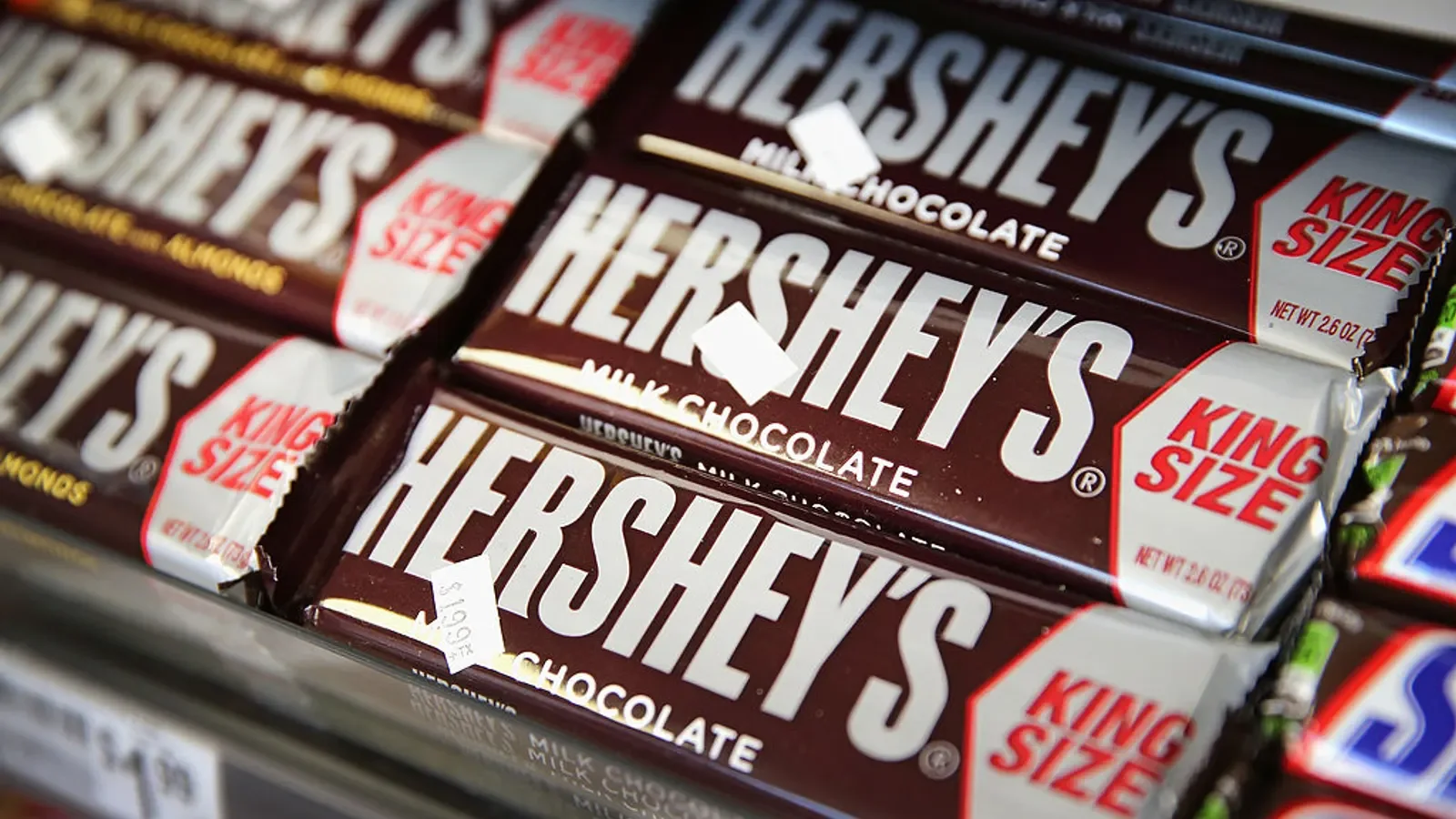
Hershey’s third-quarter growth is holding up, but convenience stores are emerging as a pressure point. Net sales rose 3% for the quarter ended Sept. 27, a result that shows the company can still grow even as one retail channel weakens. Yet candy, gum and mint sales across U.S. convenience stores fell nearly 5% in September. The gap matters: a companywide sales figure can look steady while a specific place where shoppers buy its products is losing momentum.
CEO Kirk Tanner linked the weakness to shoppers becoming more selective as fuel prices climbed. “As September progressed, we saw consumers become more deliberate about spending, particularly in channels most exposed to higher gas prices like convenience stores,” he said on the company’s earnings call. The explanation points to a practical feature of convenience retail: many purchases happen during trips shaped by driving, so pressure at the pump can affect what shoppers buy in the store as well as how often they stop. That doesn’t establish fuel costs as the only cause, but it gives Hershey a clear reason to watch this channel closely.
The caution continued into October, though Tanner said Hershey’s categories were performing comparatively well. That distinction is central to the company’s account. Consumers may still want candy, gum and mints while changing where they shop, how much they spend on each visit, or whether they make an extra stop. For a packaged-food company, the same product can face very different conditions depending on the route a shopper takes to buy it.
A channel problem, not a category slump
Hershey sees convenience stores as an outlier among its retail channels. CFO Dave Hulays said sales were down there while shoppers spent more at mass-market retailers and online. Tanner described the issue as one of channel and shopping trips, rather than broad weakness in candy demand. That framing is useful, but it also puts the burden on Hershey to show that sales are shifting between outlets rather than disappearing altogether.
Those are different problems. If shoppers are buying the same kinds of products at mass-market retailers or online, the pressure may be about access and shopping habits. If they’re reducing purchases across channels, changing the package or promotion may do less to restore demand. The figures in the source don’t settle that question, and the distinction matters when assessing whether convenience-store weakness is temporary or reflects a more persistent change in how consumers shop.
The company is responding with what Tanner called “value levers”: product innovation, changes to price and pack sizes, and targeted promotions. In practice, those choices address different parts of the purchase decision. A smaller pack may suit a shopper who wants to spend less per visit; a promotion may give someone a reason to buy now; and a new product may attract attention. None guarantees a return to earlier shopping patterns. The test is whether the changes help shoppers see enough value to make a purchase without simply shifting sales from one Hershey product or channel to another.
That challenge tracks with wider pressure on the channel. NACS reported that in-store transactions across convenience retail declined 4.5% year over year in the first half of the year. “It’s not pretty,” said Chris Rapanick, NACS’ managing director of research, at the association’s annual conference last month. The figure gives Hershey’s September decline a broader setting: convenience stores were already seeing fewer transactions, so the company’s results may reflect both its own product performance and a difficult environment for the channel.
What the recovery depends on
Some recent indicators offer a more encouraging backdrop: consumer confidence rose in October, and fuel prices have fallen from the prior month. Those shifts could ease the spending pressure that has weighed on stores particularly exposed to gas prices. But a change in confidence or fuel costs doesn’t automatically translate into more visits or larger baskets. Retailers and suppliers have to see the effect in actual shopping behavior, and the source doesn’t yet show whether that has happened.
Tanner said Hershey had anticipated some cooling in convenience-store sales as fuel costs rose, but remains upbeat about the category’s underlying health. “I really think the category is in a decent place with all these consumer headwinds,” he said. That confidence is a positive signal about management’s view, not proof that the channel has turned around. Hershey’s next results will matter because they can show whether the September weakness eased as conditions changed.
This is more significant than it looks. A 3% rise in quarterly net sales can coexist with a sharp decline in a particular channel, and that mix can affect which products, pack sizes and promotions a company prioritizes. (And this is the part most people overlook.) A shopper who buys candy online or at a mass-market retailer may still count as demand for the category, but the sale won’t necessarily replace the convenience-store purchase on the same terms.
If you’re working in this space, the useful signal is not simply whether convenience-store sales rebound in one month. It’s whether shoppers return to those stores, whether purchases recover there, and whether Hershey’s value-focused changes help without relying on constant discounts. The numbers here are underwhelming for convenience retail, even as the company’s overall growth holds up. A recovery is possible if fuel costs and consumer confidence support more spending, but it will have to show up in channel results. For Hershey, the next test is whether product and pricing changes can bring shoppers back to convenience stores as conditions improve.
Discussion
Sign in to join the discussion.