Reviving ’90s Snacks: Exploring the Longing for Nostalgic Treats and Their Impact on Today's Market
Published Sep 09, 2026Reads 517By John Davis
The enduring nostalgia for '90s snacks like Klondike Choco Taco highlights a strong consumer desire for these beloved treats and their potential market return.
Reviving ’90s Snacks: A Nostalgic Look Back
If you’re passionate about food and pop culture, you’ll appreciate the enduring affection for ’90s snacks. They hold a special place in our memories, evoking a simpler time filled with unforgettable flavors. But unfortunately, many beloved treats of that era have vanished from store shelves.
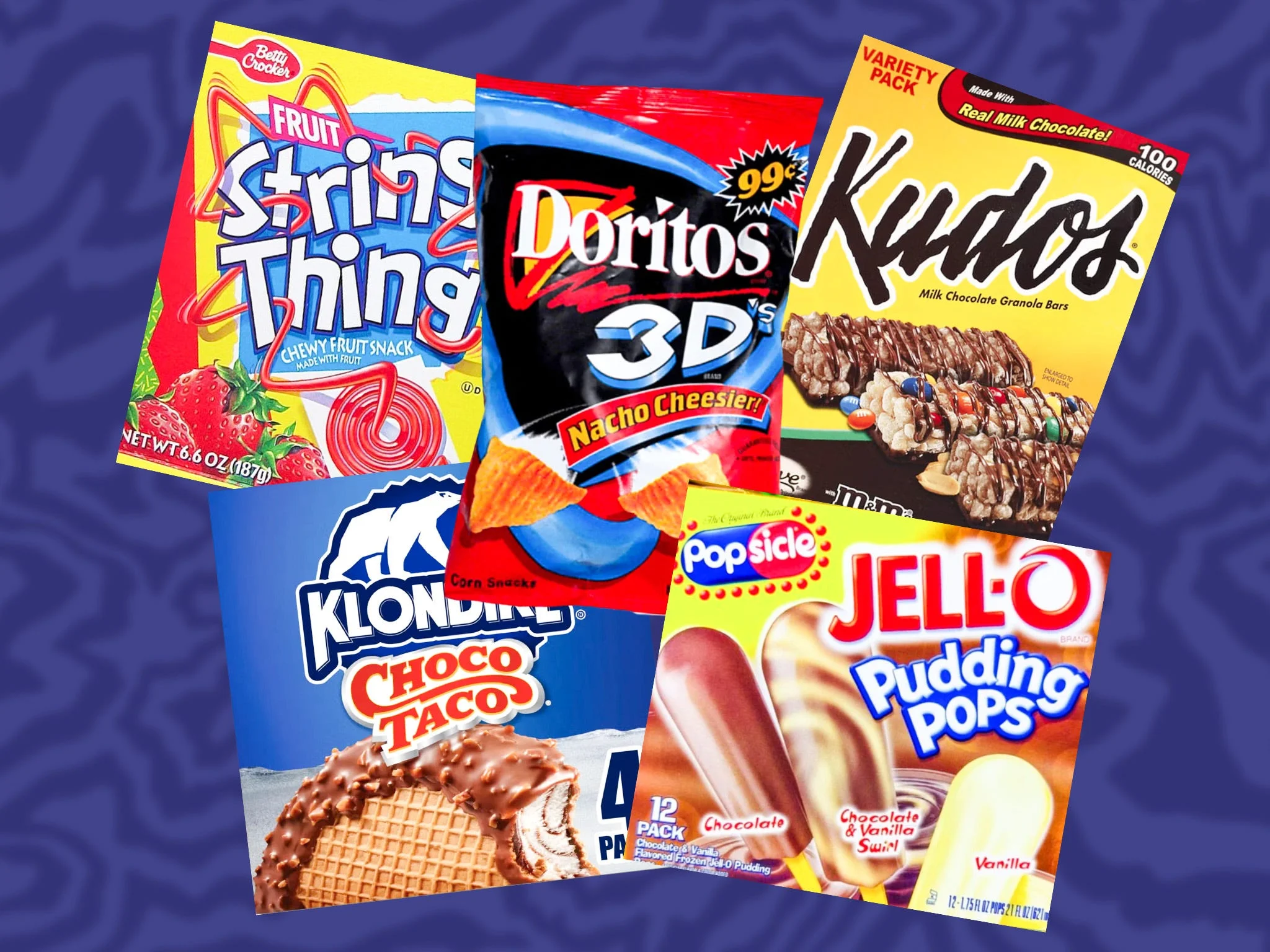
Gone are the days when you could grab a Klondike Choco Taco or Kudos Bar on a whim. These snacks were more than mere indulgences; they were fixtures of our childhood. The Klondike Choco Taco, for instance, burst onto the scene in 1984 and quickly gained a dedicated following. A delightful combination of vanilla ice cream encased in a waffle cone shell, all drizzled with chocolate coating, it became a summertime staple. However, in a heart-wrenching blow to fans, Klondike discontinued this cherished treat in 2022.
Here’s the kicker: other brands have attempted to capitalize on the Choco Taco’s popularity by introducing their own versions. For instance, Taco Bell and Salt & Straw collaborated in 2022 to create a unique take on this classic, illustrating that demand for nostalgia-driven products remains strong.
The Disappearing Act of Other Fan Favorites
It’s not just the Klondike Choco Taco that's missed. Kudos Bars, which gave kids the illusion of snacking on candy while claiming to be granola, are another casualty of time. Introduced by Mars in 1986, these deceptively sweet bars fell off the radar in the 2010s and were officially discontinued in 2017.
The ’90s also brought us iconic snacks like Doritos 3D, which first hit shelves in 1998. These puffy triangles in flavors like Nacho Cheese and Zesty Ranch captured many hearts, but the brand let them fade away by the early 2000s. Even when Doritos attempted a revival in 2020, the new version didn't last long in the U.S.
Here's the thing: the potential for these classic snacks to return is still alive, especially with grassroots campaigns pushing brands to listen. Many fans are willing to go to lengths—like signing petitions—for a taste of their nostalgia-filled past. That kind of passion demonstrates a thriving emotional connection to these snacks, highlighting the broader trend of how food nostalgia can influence market offerings.
So if you're wondering what this nostalgic quest for ’90s snacks means for today’s snack industry, it signals that there's still a rich vein of consumer interest waiting to be tapped. We're clearly not over the loss of our childhood favorites, and the demand for their return shows no signs of abating.
Lessons from Discontinued Favorites
As we reflect on these nostalgic treats, it's evident that the stories behind them often echo larger themes in consumer behavior and market dynamics. Products like Rice Krispies Treats cereal, which vanished after a reformulation and declining popularity, reveal how vital it is to maintain brand integrity and listen to customer feedback. If you're in a similar space, consider this: a recipe change could lead to loyalty loss faster than you think.
Then there are short-lived offerings like General Mills' Sprinkle Spangles and Dannon's Sprinkl'ins, which remind us of the perils of relying solely on novelty. Customers may be attracted to unique products initially, but if they don't resonate, they're quick to fall out of favor. This is especially true for items aimed at children, where taste and experience take precedence over playful marketing.
A Market Full of Potential
Interestingly, the ongoing popularity of these discontinued snacks, evidenced by online petitions for the likes of Tab soda, suggests that nostalgia can transcend the years. Companies might miss an opportunity here—reviving beloved brands and flavors could tap into that nostalgia-driven market segment, engaging fans who yearn for the tastes of their childhood.
So, what's the takeaway for brands and marketers? It's about understanding the balance between innovation and tradition. Embracing past successes while being receptive to consumer preferences could set the stage for a revival of flavors that vanished too soon. After all, the echoes of these once-loved snacks remind us that in the food industry, the past can very much shape the future.
Discussion
Sign in to join the discussion.