Elevate Your Meals with Fish En Papillote: A Simple and Flavorful Cooking Technique
Published Sep 07, 2026Reads 524By Chef JB (RecipeTin)
Discover the elegance of Fish En Papillote, a versatile French cooking method that transforms fish and vegetables into a flavorful and easy weeknight meal.
Rediscovering Fish En Papillote
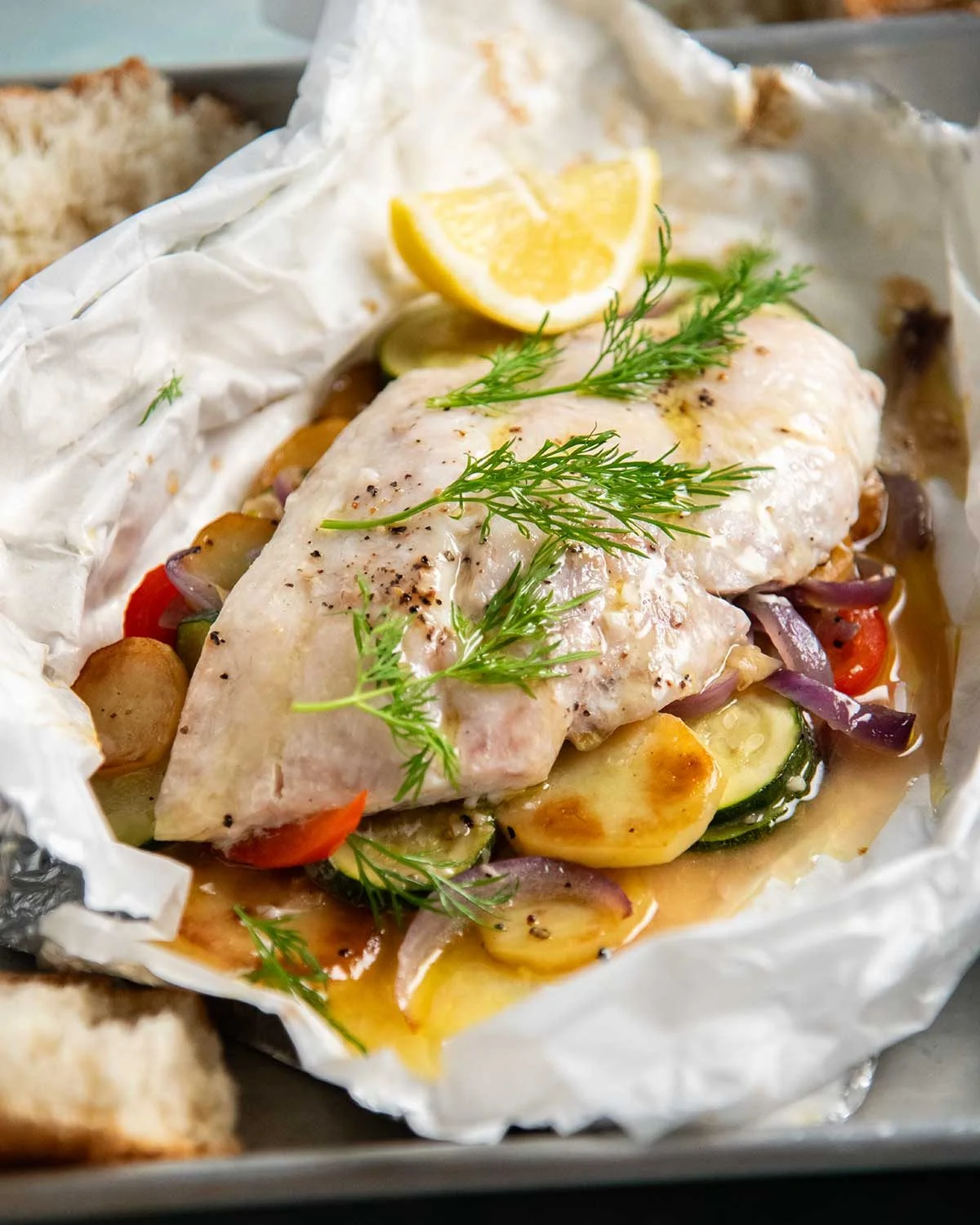
Let's talk about Fish En Papillote. Often referred to as "Fish in a Bag," this classic French cooking method transforms fish into a mouth-watering dish that's simple yet elegant. The essence lies in sealing fish and vegetables in a pouch—preferably parchment paper—and allowing them to steam in their own juices, which captures all the subtle flavors you include. Combine this tender fish with a medley of garden-fresh veggies and a splash of white wine, and you'll have a complete meal that's both light and satisfying.
It's not just the technique that's noteworthy; it’s the versatility of this method that impresses. You're not limited to a specific type of fish or vegetable. While snapper is a favored choice due to its mild sweetness and firm texture, almost any white fish fillet will work beautifully. This presentation style allows for personalization—add your favorite veggies, herbs, or even spices to craft an experience unique to your palate.
One important innovation: you might have noticed the use of foil alongside traditional paper. Although purists may debate this, using foil can prevent mess and create a steadfast seal. This helps maintain steam integrity during cooking, ensuring your dish is perfectly loved and not just good.
Nagi, the chef behind this recipe, emphasizes how one might underestimate Fish En Papillote’s potential for flavor. She recalls her childhood experiences, where she dismissed this dish as bland, only to rediscover it through a revitalized approach. Nagi’s version takes a standard and elevates it—she insists on the necessity of white wine and sautéed potatoes for that extra punch of flavor and texture. Her enthusiasm is infectious: once you try it her way, it’s hard to go back.
So if you’re looking to whip up something that impresses—and doesn’t require hours in the kitchen—Fish En Papillote is your friend. The dish captures the simplicity and beauty of good cooking: fresh ingredients, straightforward preparation, and a dash of excitement when unsealing those warm parcels at the dinner table. If you haven't experimented with this already, now's the time. It might just change your weeknight routine.
Key Ingredients for Your Fish in a Bag
Choosing the right fish is essential. For best results, select a firm white fish, around 1.5 cm (0.6 inches) thick. Thinner fillets risk overcooking, while thicker pieces can dominate the vegetable-to-fish ratio when plated. Snapper is great, but you can explore alternatives like barramundi or tilapia based on your region. For added depth, consider vegetables that complement without overpowering. Think zucchini for soaking up flavors and bell peppers for a splash of color.
For your flavoring agents, fresh herbs are vital. Dill or tarragon can elevate the dish in a way dried herbs can’t—freshness makes a difference. Also, an essential tip: sauté your potatoes prior to bundling them up in the parcel. This head start ensures everything cooks perfectly, yielding tender fish alongside beautifully textured vegetables.
So gather your ingredients and get ready to experience a classic cooking method that’s ready to surprise—what are you waiting for?
Preparation Tips and Techniques
The process of preparing dishes like fish en papillote can feel daunting, but a few smart strategies can simplify things. For starters, using foil instead of just parchment paper provides a more reliable closure. It's a straightforward change that can ensure your parcels stay sealed tight during cooking, preventing any unwanted leaks. Once you've done this a few times, you'll find it really streamlines the overall cooking experience. It’s essential for achieving that perfectly steamed fish.
Now, let’s talk about prep work. You can indeed get a head start on cooking by preparing the components of the dish separately. Sautéing the potatoes and mixing them with your vegetables ahead of time means all you have to do is put the package together when it's time to eat. Keep in mind, though, that you shouldn’t assemble the entire parcel too far in advance. If you let it sit for over an hour before cooking, the fish will sweat due to the salt and wine, which can ruin the texture and cooking consistency you're aiming for.
It's about balance. You want to capitalize on the freshness and moisture of the fish, so timing matters greatly. By prepping strategically, you maintain that desirable finished quality, allowing the flavors to meld perfectly without losing integrity. If you’re in a rush, the key is managing your timing rather than cutting corners, as this could compromise the results.
Watch the Demonstration
Curious about how it all comes together? The video linked below offers a detailed look at the step-by-step process. Watching someone navigate the technique can often clarify doubts that written instructions leave open. Grab some tips and tricks from the visual example, and you’ll be well on your way to mastering this delightful French classic.
Final Thoughts on Cooking Fish En Papillote
What's particularly compelling about cooking fish en papillote is how it marries simplicity with sophistication. This method elevates a weeknight meal to a culinary experience without requiring a culinary degree. By sealing fish and vegetables in parcels, you create a steamy environment that locks in moisture and flavor.
But here's the kicker: while the method appears straightforward, it does a lot more than it lets on. The combination of fresh ingredients and the right cooking technique can yield a balanced dish, making it an ideal choice for anyone looking to impress without excessive effort. The right fish is key—opt for varieties that retain moisture during cooking, steering clear of those that dry out, like swordfish or tuna.
When you think about your next meal, consider the broader implications of choosing quality while keeping preparation manageable. A good white wine enhances not only the flavor of the dish but also invites pleasant conversation at the table. And let’s not overlook the importance of herbs like dill. They’re not just for decoration; they add depth to the dish that’s hard to replicate with mere seasoning.
So, what does this mean for your kitchen adventures? Embrace the versatility of the method. It’s adaptable—not just to fish, but also to your choice of vegetables and aromatics. With a few tweaks, you can create variations that satisfy different palates and dietary preferences, proving that meal prep needn’t be a mundane routine.
If you're seeking a quick yet satisfying solution for dinner, this approach checks all the boxes: quick, flavorful, and visually appealing. Next time you’re pressed for time, remember this technique. It’s a straightforward way to make any meal feel special, embodying the essence of good cooking: making the most of what you have.
Discussion
Sign in to join the discussion.