Mastering Homemade Mayonnaise: A Foolproof Guide to Creamy Perfection
Published Sep 09, 2026Reads 933By Nagi
Learn how to make delicious homemade mayonnaise with this easy method that ensures a rich, creamy texture every time.
How to Make Your Own Mayonnaise
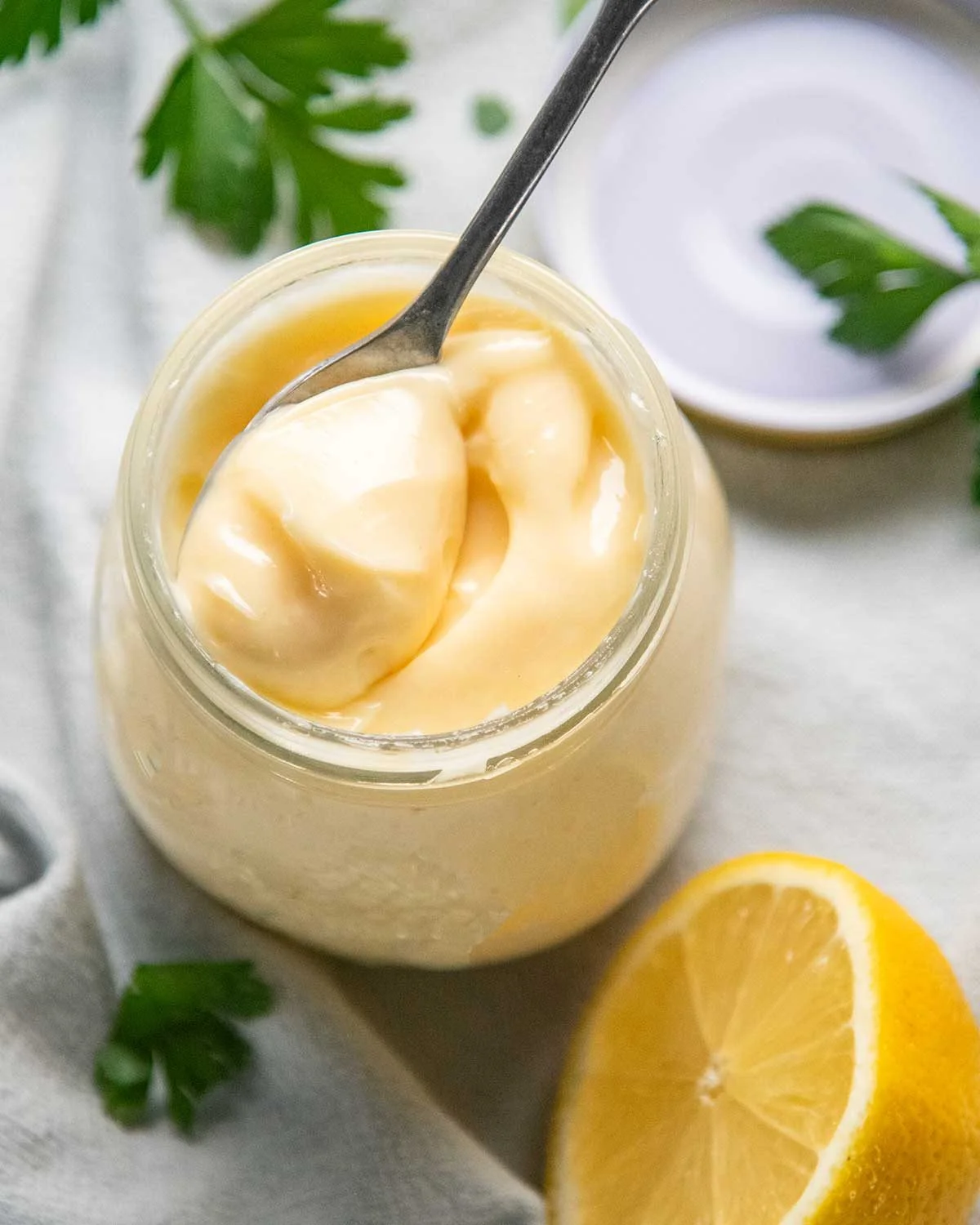
Homemade mayonnaise is a culinary delight that far surpasses anything you’ll find in a supermarket. Store-bought options tend to lack character, often leaving your dishes feeling lackluster. In contrast, the creamy, rich texture of homemade mayo is difficult to resist. If you’ve hesitated to make your own, fearing it’s too complicated, it’s time to think again.
Unlike mixing oil and water, which usually rebels against each other, making mayonnaise is a simple dance of ingredients—if you know the right steps. The classic issue is the risk of separation, often referred to as “splitting,” where the oil and yolk refuse to unite. But I’ve discovered a foolproof method that works wonders: using an electric hand mixer. This tool simplifies the emulsification process, making it easier than traditional whisking or even high-powered blenders.
I've had my fair share of mishaps with other techniques, leading to more than one batch of mayonnaise that ended up the dumping ground. However, with a hand mixer, I've consistently achieved success. This method offers a level of reliability that’s hard to find elsewhere.
Ingredients You’ll Need
To whip up a batch of glorious mayonnaise, you'll want to gather a few staple ingredients. Most importantly, I stick with just the egg yolk. This choice results in a creamier, richer spread compared to using the whole egg, which dilutes the texture.
Here’s a quick list of what you need:
- **Oil**: Your best bet is neutral oils like grapeseed, vegetable, or canola, which won't overwhelm the flavor. If you prefer a touch of character, light olive oil can also work, but be cautious with extra virgin varieties; they can introduce bitterness if used in excess.
- **Egg Yolk**: Look for large egg yolks, weighing about 50-55 grams each. The cold temperature of a yolk straight from the fridge makes it simpler to separate and helps in emulsification.
- **Acid**: Lemon juice or vinegar is essential for balancing richness. My go-to is lemon juice, but you can substitute with white or apple cider vinegar.
- **Dijon Mustard**: This isn’t just for taste; it also stabilizes the emulsion, ensuring your mayonnaise holds together beautifully.
- **Seasoning**: Salt and a touch of white pepper are must-haves for that extra burst of flavor.
If you’re concerned with raw eggs, consider using pasteurized ones to eliminate the risk, especially if you're serving those with dietary vulnerabilities.
Tips and Tricks
Now, let’s talk about the process. Here’s the key: while you mix, pour the oil in a slow, steady stream. This step is crucial; if you rush it, you might find your mayo in a state of disappointment.
I recommend two main things to keep in mind:
1. **Be patient**: The slower you pour, the better the emulsion. It’s about precision over speed here. Trust me, a delicate hand will pay off.
2. **Think small**: This method works exceptionally well for small batches. You'll get fantastic results with just one egg yolk, but if you’re thinking of making a larger volume, you might need to transition to a food processor.
In summary, making mayonnaise at home is an accessible way to elevate your culinary repertoire. So gather your ingredients and get ready; a richer, smoother, and utterly more satisfying mayo awaits! Whether you slather it on sandwiches, mix it into dips, or enhance salads, you’ll find a multitude of uses for your homemade masterpiece.
Exploring Homemade Mayonnaise Techniques
Among the myriad ways to whip up homemade mayonnaise, the electric beater method stands out for its reliability. It's not just about ease; there's a certain level of skill involved. For newcomers, common methods like stick blenders or food processors can lead to familiar pitfalls—think of split batches that require a frustrating restart. With an electric beater, you can clearly observe the emulsion forming, and you have greater control over the mixing process, significantly reducing the chance of failure.
Control is key here. One of the most prevalent issues in mayonnaise making is the improper emulsification of oil and egg yolk. When you rush the oil addition, the emulsion can break, leaving you with a sad, separated mess. The advice to add the oil in a very thin, steady stream isn't just conventional wisdom; it’s essential. Once that stable emulsion begins to form, you can afford to speed up the pouring a bit.
You may wonder why sticking with an electric beater is crucial. After experimenting with various appliances, including blenders and food processors that tend to overmix or leave chunks of oil unincorporated, it’s been clear that hand control and visual feedback offer a unique advantage. The electric beater lets you see the process without the awkward clean-up of more cumbersome devices.
Homemade Mayonnaise FAQs
If you’re looking to improve your mayonnaise-making game, there’s a wealth of information to consider. Questions frequently arise about the shelf-life of homemade mayo. In general, it's advisable to keep it in the fridge for up to three days, especially since it contains raw egg yolks. While some might suggest it lasts longer, erring on the side of caution ensures safety, given the risk of salmonella.
Another common concern is about splitting. If your mayo doesn’t come together, it could be that the yolk didn’t catch properly on the mixer blades at the outset, or perhaps you added the oil too quickly. If you find yourself in this predicament, hope isn’t lost—you can save a split batch by mixing a new egg yolk with the failed mixture.
And when it comes to preparing mayo during pregnancy, there’s a clear recommendation: opt for pasteurized eggs. This can help mitigate any food safety risks associated with raw egg consumption. Many store-bought mayonnaise brands utilize pasteurized eggs, which is why they’re generally deemed safe for pregnant individuals.
Avoiding Common Mistakes
Let’s talk equipment. The stick blender method might seem attractive for its convenience, but there are notable risks for first-timers. The mayonnaise can easily split if the yolk doesn’t make contact with the blades properly, particularly if you’re using a wider jar that doesn’t allow the blades to catch efficiently. Expert cooks might navigate these challenges better, but if you’re new to sauce-making, the risk is often higher.
The food processor, while great for larger batches, also has drawbacks. For single servings, the egg yolk struggles to engage with the blades, leading to potential disaster. If you choose to work with larger quantities, however, scaling up to four yolks can work in your favor.
Using alternatives like blenders or NutriBullets can complicate things as well. With these devices, the mayonnaise tends to thicken and cling to blades, which can impede oil incorporation.
In sum, there’s a surprising amount of nuance in making mayonnaise at home. If you’re aiming for that ideal creamy texture without the hassle, mastering the electric beater method and understanding the science of emulsification will set you on the right path.
Final Thoughts on Mayonnaise Mastery
Creating homemade mayonnaise isn't just about whipping up a simple sauce; it's an art that speaks to both culinary tradition and personal flair. By embracing the classic approach with only egg yolks, you unlock a richness that is often diluted when using whole eggs. It’s this nuance that separates a mediocre mayonnaise from one that stands out—allowing you to garnish dishes with an authentic flavor that store-bought versions simply can't match.
Using an electric mixer to make mayonnaise may seem unconventional, but it’s a game changer. Many might shy away from it, thinking a food processor or stick blender is essential. Yet, the stability and control offered by a hand mixer can yield consistent results without the fear of separating your emulsion. For anyone looking to replicate this method, the takeaway is clear: don’t underestimate the power of a trusty electric beater.
And let’s not ignore the creative potential of this condiment. Think outside the box by infusing your mayo with garlic for an aioli, or elevating it with lemon zest for a zesty twist. The possibilities are practically endless, whether you want to add herbs for freshness or some heat with sriracha.
Lastly, while the recipe yields only 3/4 cup, this small batch can easily be scaled up in a food processor if you're preparing for a crowd. What stands out in this process is how one simple ingredient—egg yolk—can transform into a delightful foundation for countless dishes. This isn’t just about making mayonnaise; it’s about exploring flavors and crafting something personal and exquisite. If you're serious about enhancing your culinary repertoire, mastering mayonnaise is undoubtedly an excellent start.

Discussion
Sign in to join the discussion.