Master Chicken Kebabs: Expert Tips for Perfectly Grilled Skewers Every Time
Published Sep 08, 2026Reads 1,029By [email protected] (Melanie Andrade)
Unlock the secrets to juicy chicken kebabs with expert advice on cuts, sizes, and brining for flavorful, grill-ready skewers.
Mastering Chicken Kebabs: Why They Often Miss the Mark
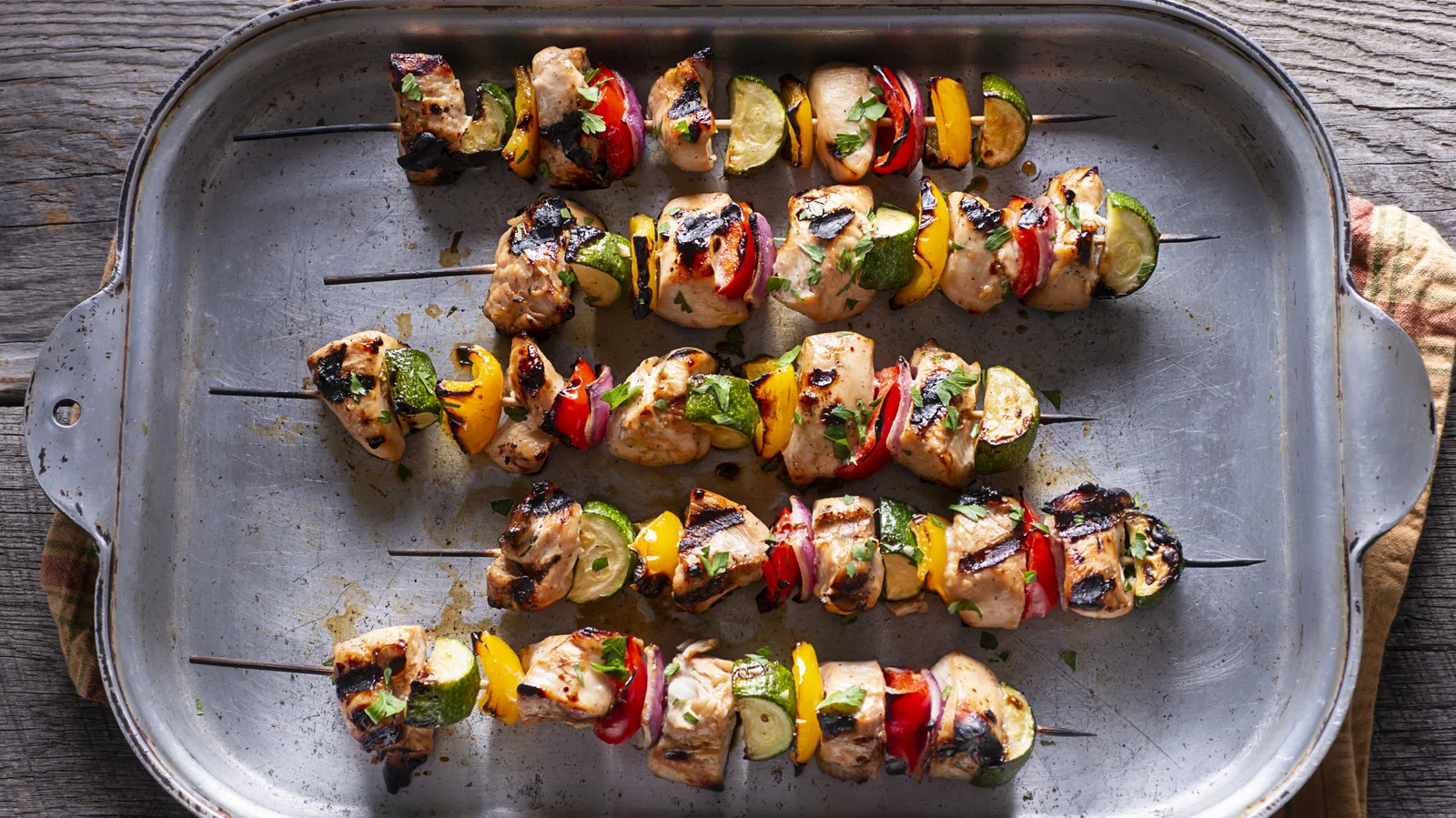
Grilled chicken kebabs have all the makings of a summer hit — juicy, colorful, and full of flavor. However, they frequently fall short of expectations, resulting in dry meat, undercooked vegetables, or an uninspired blend of the two. If you're like most grilling enthusiasts, the sight of skewered chicken can be both enticing and perilous. Fortunately, we consulted three grilling specialists who shared their wisdom on how to transform these skewers from a potential disaster into culinary triumphs.
Renowned pitmaster Duce Raymond, who helms SBR Events Group and boasts over 95 barbecue championships, emphasizes that the right chicken cut can make all the difference. Then there's Chef Alex Reznik, who has made a name for himself on shows like Bravo's "Top Chef" and runs restaurants like SMKD BBQ in Las Vegas. Finally, we hear from Scott Thomas, founder of The Grillin' Fools, a resource full of meticulous, step-by-step grilling guides. Their collective insights provide a roadmap to grilling chicken kebabs that are perfectly charred and bursting with flavor.
Start with the Right Cut: Thighs Over Breasts
The first consensus among the experts? Opt for chicken thighs instead of breasts. This piece of advice is so unanimously supported that it becomes the cornerstone of any great kebab. Duce Raymond sums it up nicely: "Boneless, skinless chicken thighs are my go-to. They're fattier and retain moisture better." Although chicken breasts may offer neater, uniform pieces for catering purposes, they come with significant traps. Chef Reznik starkly warns: "Chicken breast is fine if you enjoy unnecessary stress," highlighting that the fat in thighs is forgiving, allowing for a wider margin of error during cooking.
When it comes to cooking time, the differences become clear. Chicken thighs boast about double the fat content—3.5 grams per 100 grams for breasts versus 8 grams for thighs. That extra fat acts as a safeguard against overcooking, ensuring that kebabs remain succulent even if they spend a little too long on the grill.
Cut Size Matters: Bigger is Better
So you've chosen chicken thighs; what's next? The experts point out that many home cooks err by cutting the meat too small. Chef Reznik suggests larger chunks — about 1½ to 2 inches — arguing that petite pieces cook faster and lose moisture. "Those tiny cubes may look adorable, but they eat like erasers," he quips.
Conversely, Duce Raymond suggests that for uniform cooking alongside vegetables, he often cuts chicken into 1-inch cubes. It’s about maximizing efficiency on the skewers for evenly cooked kebabs. Don't discard the trimmings from your cutting process; they can elevate soups and tacos later.
Brining: A Step Best Not Skipped
Before marinating, consider brining. Opinions diverge here; while Scott Thomas advocates for wet brining—soaking chicken overnight in a salt-and-liquid solution for enhanced juiciness—Chef Reznik prefers a dry brine, salting the meat a few hours beforehand. The salt aids in moisture retention and flavor penetration without needing a liquid bath. On the other end, Raymond tends to skip brining smaller cuts altogether, relying on marinades to infuse flavor and moisture into the chicken.
The Marinade Recipe: Balance is Key
While crafting a marinade, it’s common to lean heavily on acidic components like lemon juice. However, the experts advise caution. Duce Raymond stresses the importance of balance, suggesting a marinade ratio of one part acid (such as vinegar) to two parts oil. "Salt and fat are what you really need," he asserts, as they carry flavor into the meat and shield it from direct heat. Following this approach can yield kebabs that are significantly more flavorful and juicy.
Ultimately, the pathway to achieving the perfect chicken kebab hinges on understanding these nuanced techniques and selecting the right ingredients. If you’re diving into this cooking endeavor, take these expert insights to heart; your taste buds will undoubtedly thank you.
Final Thoughts: Mastering the Art of Grilling Kebabs
As we've explored in this detailed look at grilling techniques, the key to elevating your chicken kebabs lies in understanding not just the mechanics but also the nuances of flavor and texture. Many home cooks underestimate the importance of timing—especially when it comes to marinating. Chef Alex Reznik’s advice to add lemon juice closer to cooking rather than beforehand might seem small, but this adjustment can radically affect both the tenderness and flavor of your chicken. You’ve got to remember: acid can be a double-edged sword.
Let’s unpack that for a second. Many people cling to the notion that longer marinating always means better flavor. The truth is, with acid-heavy marinades, a quick soak with a fresh squeeze afterward often yields far juicier results. This is an insight that could transform your grilling game, and if you haven't tried it yet, it’s time to reevaluate what you thought you knew about marinades.
The discussion around individual ingredient skewering might challenge conventional kibbutz-style kebabbing, but it’s a worthwhile shift. Cooking chicken and vegetables separately allows for proper heat distribution, which prevents one from becoming overcooked. This seemingly straightforward tweak not only ensures juicy chicken but also highlights the vibrant textures and flavors of the vegetables on your plate.
And let’s not overlook the practical wisdom of letting your skewers rest. This step can sometimes be overlooked in a world hungry for instant gratification. Taking a few moments to allow the juices to settle can be the difference between a dry bite and a succulent one. Adding a final touch of reserved marinade or fresh herbs once your kebabs have rested is a flourish that pays off richly in taste.
So, if you're in the kitchen aiming to grill the perfect kebab, take these methods to heart. Understanding how each tip contributes to the overall harmony of flavors transforms cooking from a chore into an art. The next time you fire up the grill, embrace these insights, let the fire do its job, and watch your efforts yield results that leave a lasting impression. Happy grilling!

Discussion
Sign in to join the discussion.