Pillsbury Danish Swirls, a 70s pastry once favored over Toaster Strudels, showcase a nostalgic breakfast option many crave to see return.
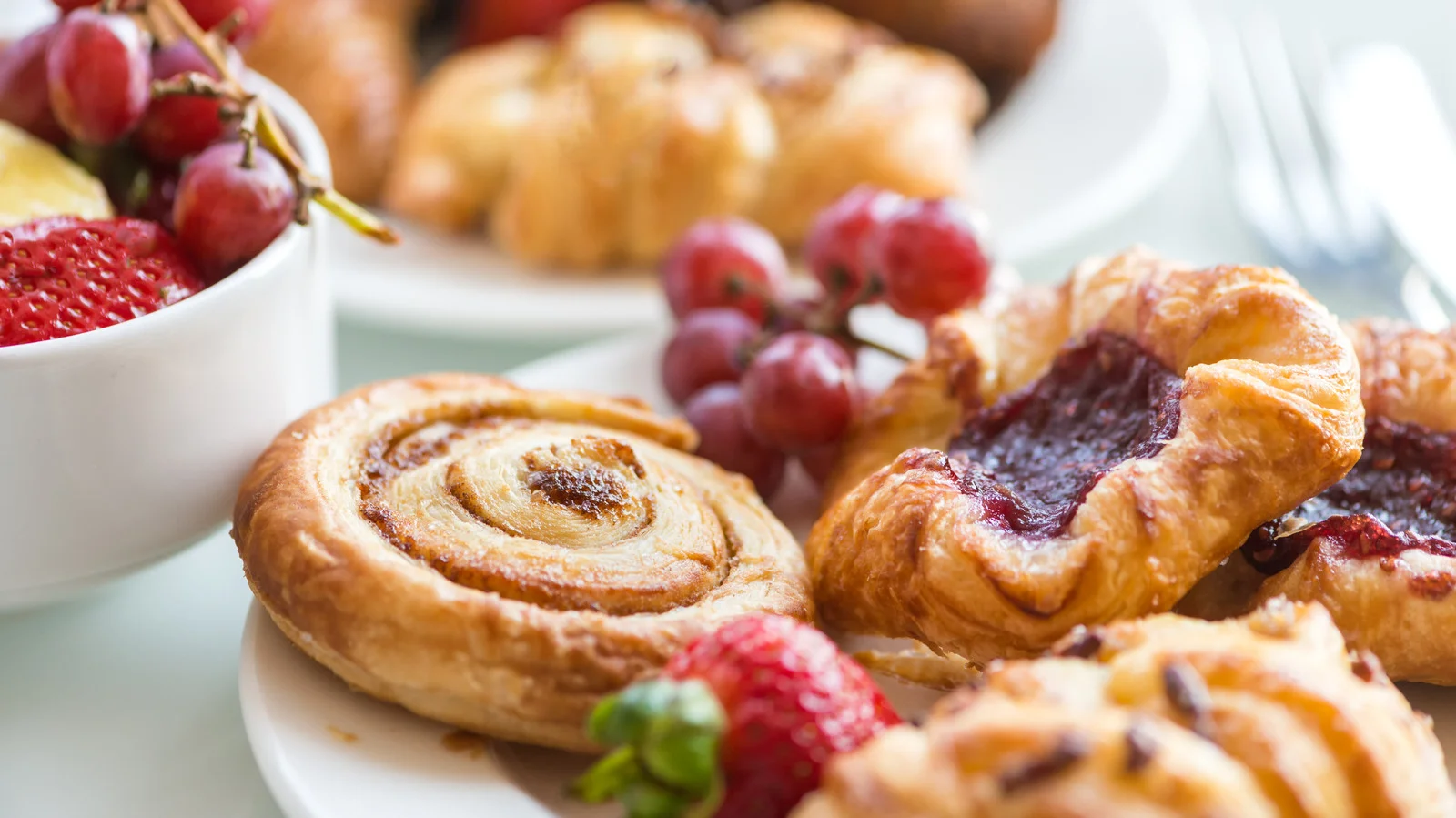
Toaster Strudels have dominated the breakfast pastry aisle since their 1980s introduction, cherished for their flaky crust and quick preparation time. Yet, many fans of sweet treats often reminisce about an earlier creation from Pillsbury known as Danish Swirls, which some affectionately call "Toaster Strudel's older cousin."
This pastry, largely forgotten now, made its debut in the 1970s and promised the same softness and flakiness you’d expect from a bakery, but with the convenience of home preparation. Available in cinnamon, orange, and caramel flavors, these circular delights were accompanied by signature Pillsbury icing packets, perfect for spreading on top. What set Danish Swirls apart was their placement; unlike Toaster Strudels, which are found in freezer aisles, Danish Swirls were stored in the dairy section, aimed more at adult consumers—advertisements claimed, "They toast up fresh and hot while you're pouring the coffee."
A nostalgic comment on a YouTube video of a 1971 Danish Swirls advertisement humorously labeled the pastry as “Toaster Strudel’s older cousin.” Another viewer expressed a fondness for the product, stating, "I loved these as a kid... they were much better than their Toaster Strudel counterparts today."
The Allure of Danish Swirls
Danish pastries have a rich history in the United States, originating in the early 1900s and establishing themselves as a beloved morning option by the mid-century. With their flaky texture and delightful fillings, they appealed to a range of consumers seeking a taste of indulgence. Pillsbury's Danish Swirls aimed to satisfy the yearning for fresh danishes right at home. The Pillsbury Doughboy himself touted in commercials, "It's the fresh Danish you don't run out for." This slogan underlines how Danish Swirls were positioned not just as snacks but as an integral part of the American breakfast ritual for those who sought quality without the need for a bakery run.
The Rise and Fall of Danish Swirls
Danish Swirls surfaced in the early 70s but vanished from store shelves by the end of the decade, just before Toaster Strudels appeared in the 80s. Their discontinuation wasn't part of any major recall event; many reports suggest that market trends and consumer preferences shifted significantly during that period. Food companies are often pressured to adapt to the rapidly changing tastes of the public. The arrival of toaster pastries with more brand visibility and a targeted marketing strategy likely overshadowed Danish Swirls. That’s the thing about food trends—they can vanish as quickly as they appear.
Still, the nostalgia surrounding Danish Swirls persists today. Comments on social media reflect a longing for flavors and experiences that younger generations now find elusive. With numerous viewers lamenting their absence from the breakfast lineup, it's evident that many consumers would welcome their return. The enduring fondness for such products also highlights a disconnect in the current snack food market, which often prioritizes novelty over nostalgic value.
Consumer Sentiment and Market Trends
Consumer sentiment plays a significant role in the success of food products, particularly in nostalgic categories. Brands like Pillsbury, with their long heritage in the baking sector, often find themselves in a peculiar position: facing the challenge of appealing to new consumers while staying true to their legacy. As foodies turn to nostalgia-driven products, there's a potential market for revisiting these classic themes. Products that evoke positive childhood memories can be surprisingly successful—even decades after their discontinuation.
Fans of Danish Swirls have taken to social media to express their disappointment about their absence. Statements like “They were much better than their Toaster Strudel counterparts today” provide insight into perceived differences in quality and experience between the two. If you're working in this space, understanding the nostalgia factor could be critical for developing new products or revamping older ones. The resonance of childhood memories can foster brand loyalty that transcends generations.
A Nostalgic Conversation Starter
The comments on the Danish Swirls advertisement serve as a noteworthy marker of how we connect through food. Aside from an amusing memory, they create a dialog about consumer preferences that companies like Pillsbury may want to tap into. The idea of reintroducing Danish Swirls isn't just about nostalgia; it’s also a reflection of current consumer trends that prioritize authenticity and simplicity over artificial flavors and overly processed options.
As nostalgic food items have seen a resurgence, like Cookie Crisp cereal or Dunkaroos, it makes you think about what other forgotten products could make a comeback. Danish Swirls could resonate again—offering consumers a taste of what they remember while appealing to modern preferences for quality ingredients and less artificiality. (And this is the part most people overlook: often it’s not just about bringing back a product, but about understanding how to reposition it to fit current consumer values.)
Looking Ahead: What’s Next?
The future for products like Danish Swirls hinges on how brands interpret and respond to consumer nostalgia. Reintroducing past favorites could pave the way for a new line of breakfast pastries, blending beloved recipes with contemporary dietary concerns. The challenge will be to ensure that any revival captures the essence of what made the original special while innovating enough to compete today.
For a product to thrive, especially one that has been absent from the market for so long, it cannot rely solely on nostalgia. Brand stories have to evolve, focusing on quality and authenticity. If Pillsbury chooses to revisit Danish Swirls, they might find a receptive audience eager for a dash of the past with a modern twist. The cravings of consumers are powerful—if captured correctly, a comeback could not only reinstate a favorite but also invigorate a storied brand.
Discussion
Sign in to join the discussion.