March marks an ideal time to enhance soil health with strategic amendments that nourish crops and prepare for spring growth.
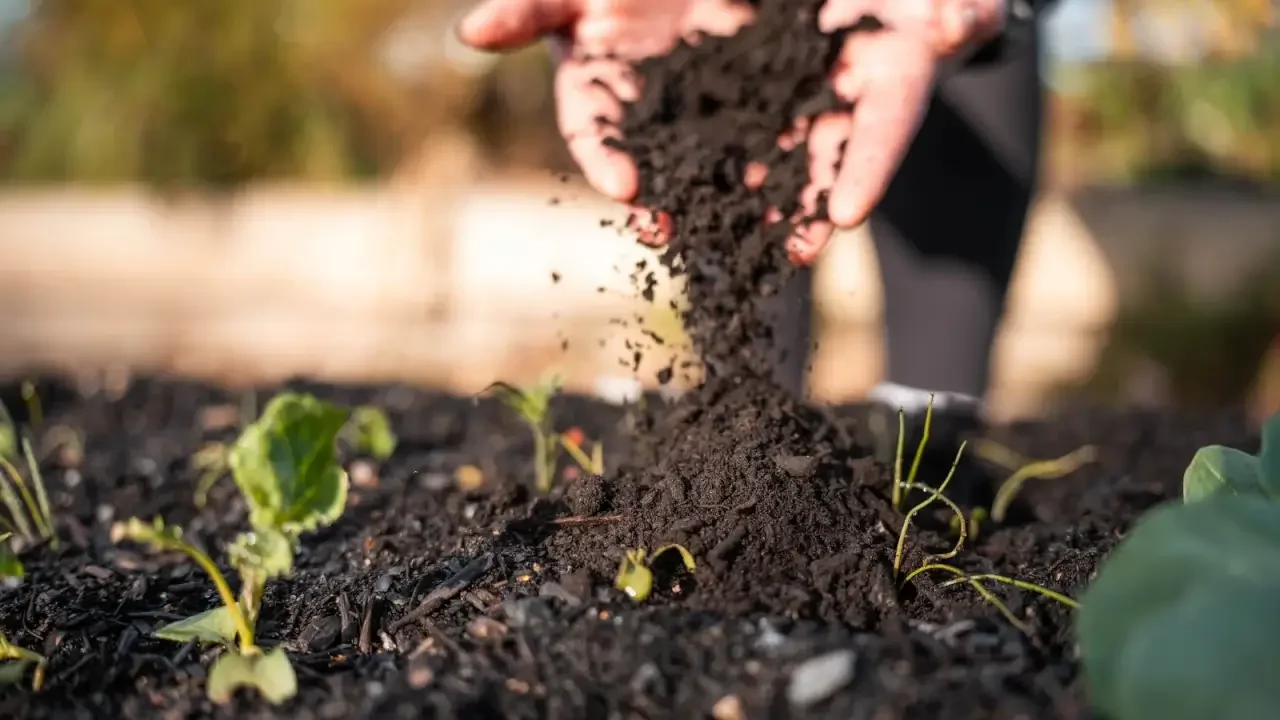
As winter recedes and the first hints of spring emerge, the approach of March presents an opportune moment for farmers to focus on soil health. Depending on how harsh the winter was, warmer regions may already be primed for amendment, while those in northern climates might still contend with lingering cold. The key is to assess the temperature—aim for a minimum of 40°F (4°C)—before deciding to integrate amendments into your soil. If the ground remains too chilly, this time can be strategically used to gather necessary materials.
Assessing your land’s resources is vital; much of what is required may already exist onsite. Yet, collaborating with neighboring farms can yield additional amendments that can bolster your soil's fertility. Whether through bartering or purchasing, making connections in the agricultural community often leads to valuable resources that enhance your soil health.
Compost: The Foundation of Soil Fertility
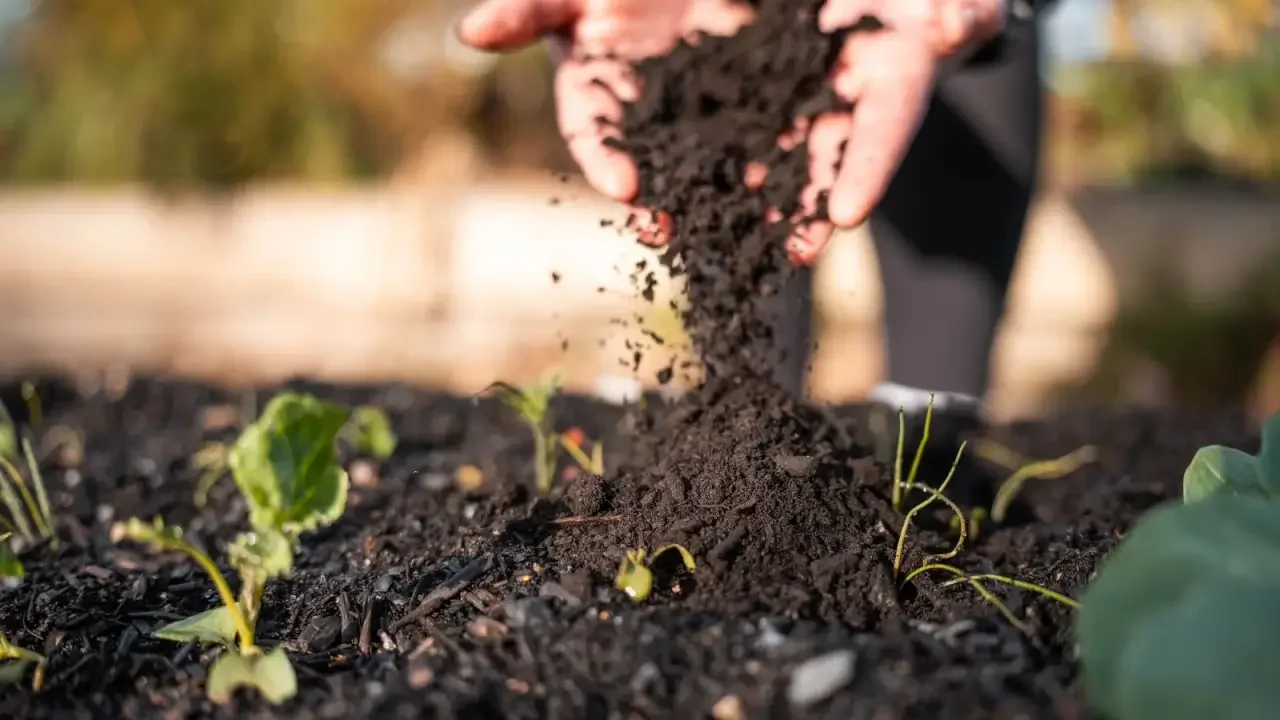
First on the list is compost, a versatile amendment that improves soil health across various farm types. Not only does compost introduce essential nutrients, but it also enriches the microbiome in the soil. The diverse organisms within compost encourage a steady release of nutrients, allowing plants to access what they need without the risk of nutrient overload that synthetic fertilizers often present.
Be mindful of the pH; compost tends to be slightly acidic, which could further lower an already high soil acidity. However, its slow-releasing nature makes it one of the gentler amendments available, ensuring that nutrients are provided over an extended period. If compost isn't on your property yet, it’s a wise investment to start a pile this March, especially as the growing season nears. A straightforward method involves layering carbon-rich materials with greens at a ratio of about 3:1 and allowing it to decompose into rich organic matter.
Mulch: A Quick and Effective Shield
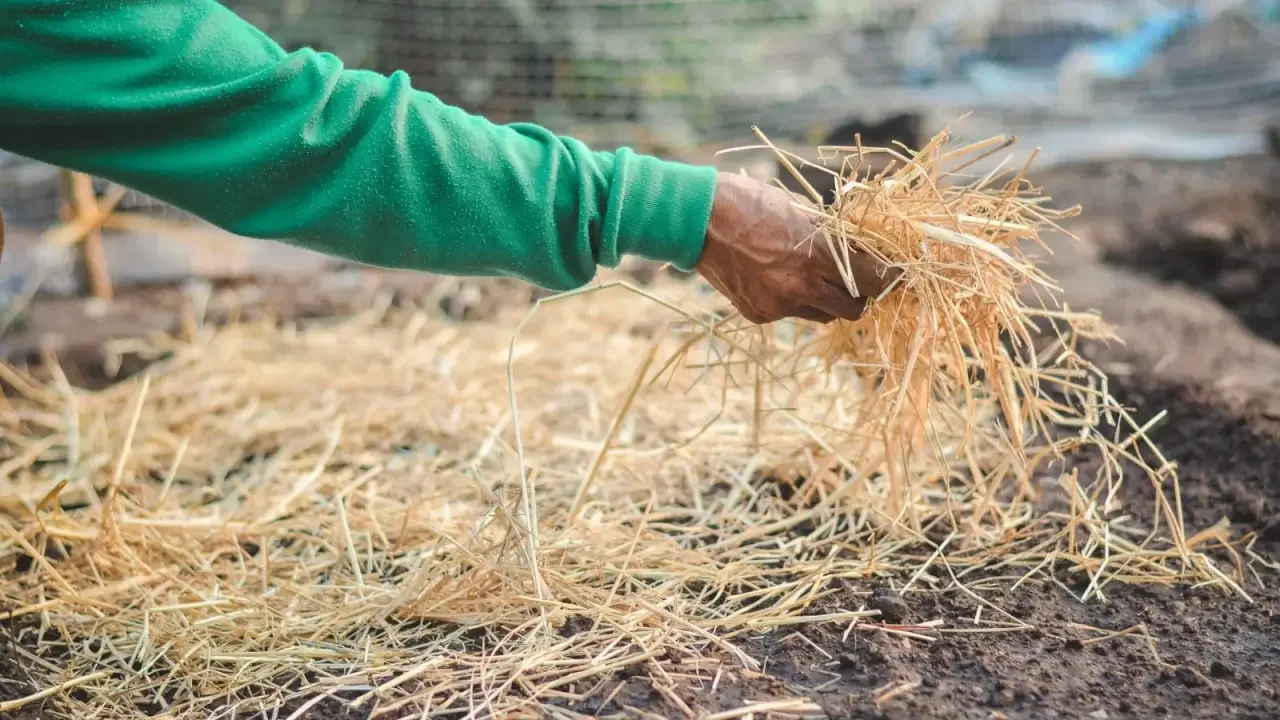
Next up, mulch is an exceptionally effective amendment for any climate. Its application requires no mixing into the soil, enabling you to expedite preparation regardless of temperature. Placing a layer of mulch not only mitigates erosion but also helps regulate soil temperature and suppress weed growth.
If your planting areas are already occupied, spread a two to three-inch layer around plants while avoiding direct contact with stems. Using organic materials such as shredded leaves, grass clippings, or wood chips not only preserves moisture but also fortifies the soil as they break down. Remember to postpone mulching in seed beds until seedlings have fully emerged; this precaution ensures they receive adequate sunlight without obstruction.
Worm Castings: Nitrogen-Rich Gold
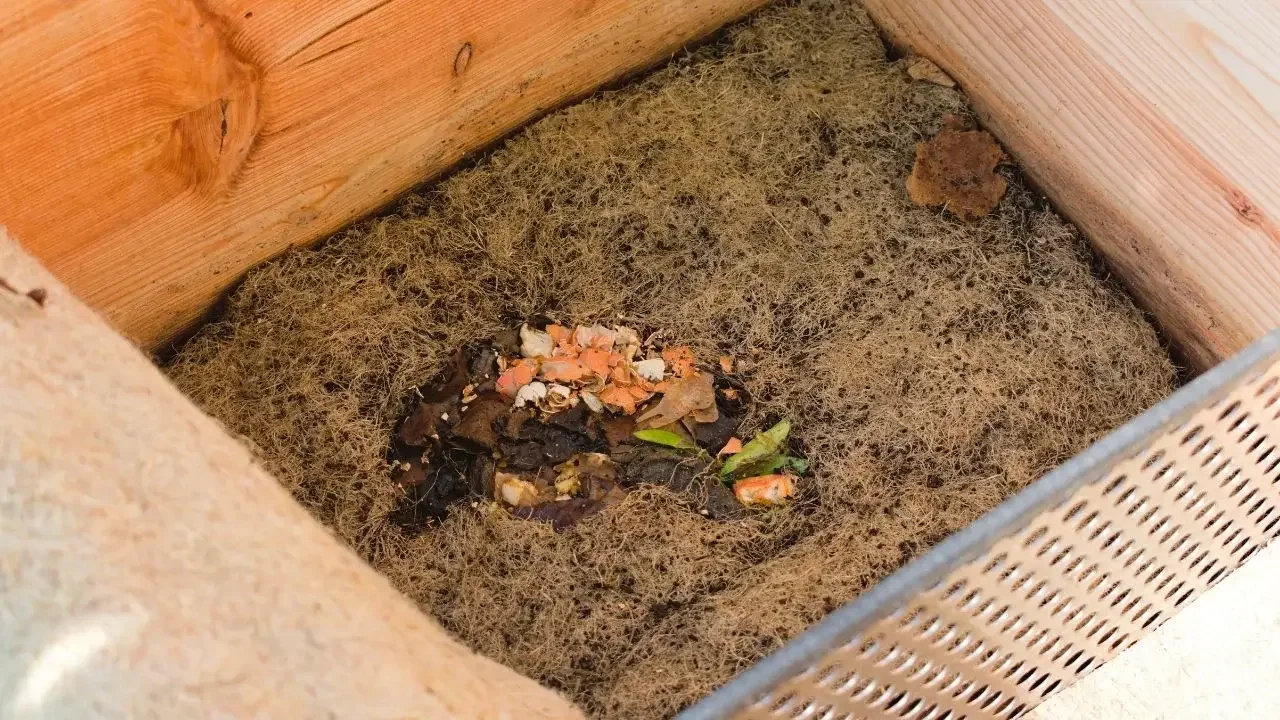
Worm castings stand out for their high nitrogen content and capacity to improve water retention and soil structure. This organic amendment gradually releases nutrients, making them more accessible over time. Farmers looking to create their own vermicomposting systems can manage this process by keeping worms in tiered bins, where they are fed a mix of organic kitchen waste and paper products. However, be mindful of temperature extremes that can impact worm health, requiring indoor environments during the heat of summer.
To apply worm castings, simply work a moderate amount into the top layer of soil. These castings can often be found at agricultural supply stores if you don't maintain your own vermicomposting system. The result is healthier, more productive soil, which should reflect in crop yield as the season progresses.
Leaf Mold: Nature's Fertilizer

For those with access to wooded areas, leaf mold is a treasure for enriching soil naturally. This material results from decomposition of fallen leaves, which acts as insulation for the soil and aids in moisture retention. Rather than discarding leaves to municipal waste systems, consider applying them directly to your planting areas.
Leaf mold contributes to improved moisture and temperature management in the soil. Simply layering them directly on rows or in garden beds can initiate the decay process, enriching the soil as it breaks down. Alternatively, consider containing leaves in bins for a few months, keeping them moist to foster leaf mold creation before application.
Fertilizers: Test First, Amend Later
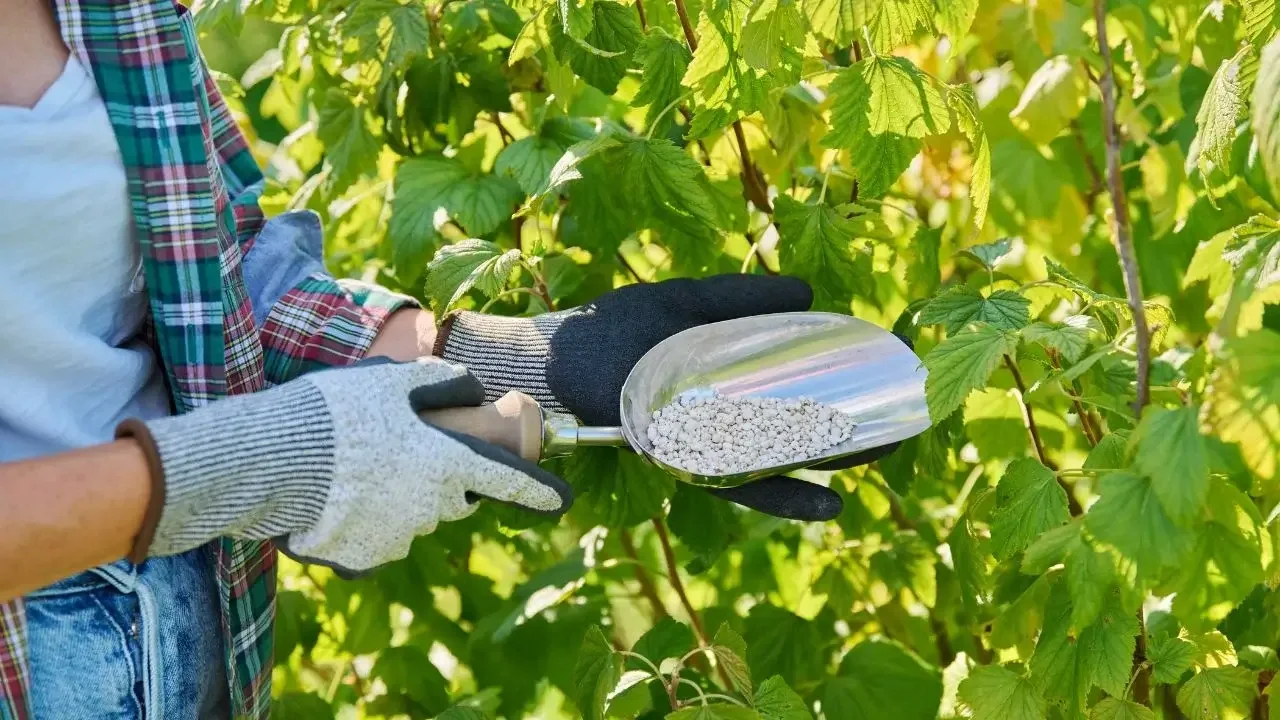
Finally, before applying any fertilizers, conducting a soil test is non-negotiable. Testing reveals nutrient imbalances that could hinder crop development, enabling targeted adjustments. Overapplying nutrients can lead to dangerous soil conditions, complicating future growth. Most tests will provide guidelines on nutrients that require balancing, ensuring you apply only as needed.
In many cases, a light sprinkling of organic powdered fertilizer can serve as a safe, universal option. It’s imperative to approach any fertilizer application with caution, particularly with synthetic options. The priority should always be maintaining optimal soil health, setting the groundwork for successful plant growth.
The transition into spring represents a dynamic opportunity to enhance your soil's quality through these strategic amendments. Thoughtful application can yield significant improvements in productivity across the growing season.

Discussion
Sign in to join the discussion.