Genetics significantly influence why some perceive cilantro as soapy; however, repeated exposure might help overcome this aversion over time.
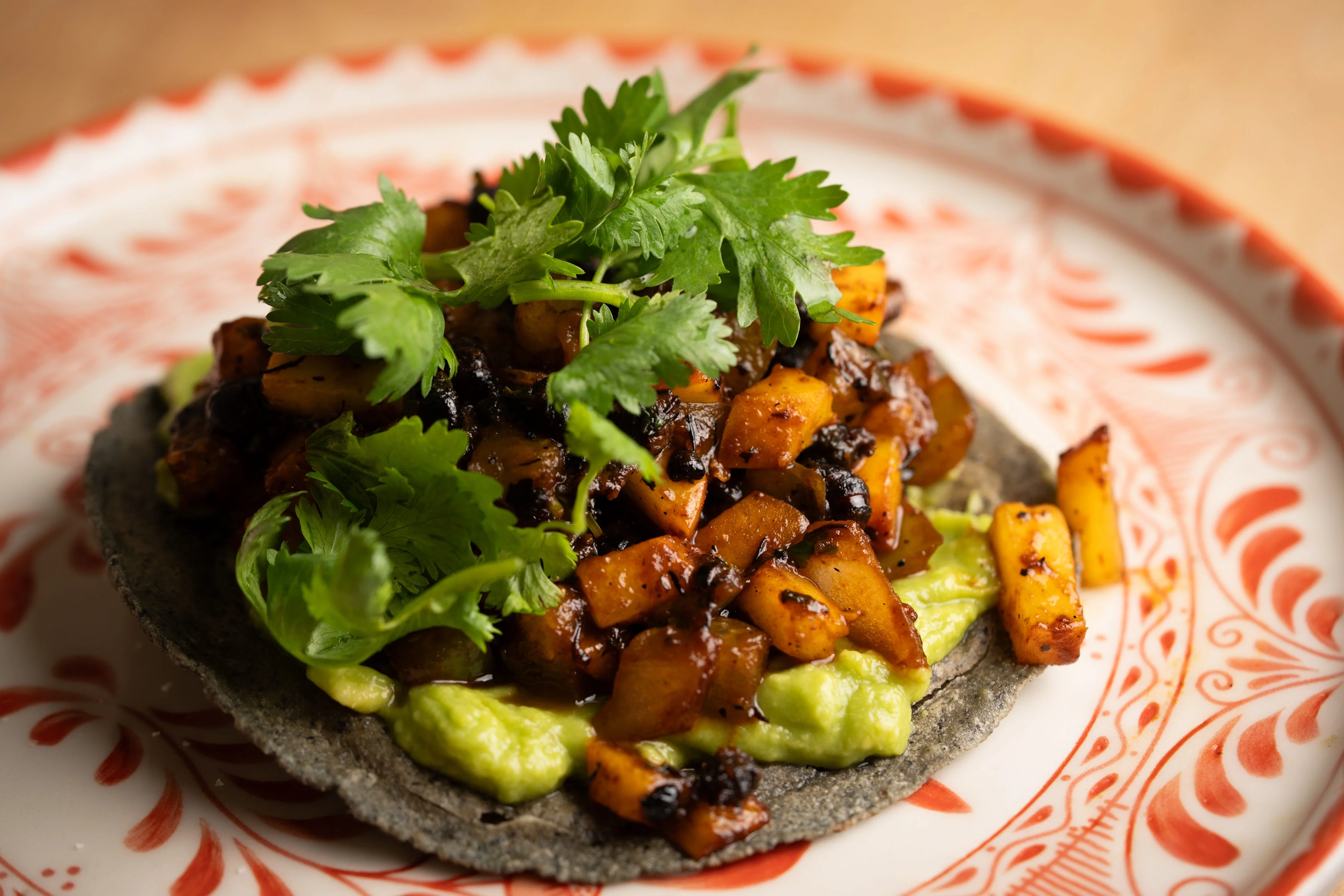
For many food enthusiasts, there’s a common curiosity about the conflicting opinions surrounding cilantro. If you’re among those who experience a distinct soapy aftertaste from this herb, you're not alone. Interestingly, genetic factors largely contribute to these varying perceptions of flavor, opening up a rich dialogue around the intersection of taste, culture, and environment.
Why Some People Experience Cilantro Differently
Genetics play a pivotal role in determining how we experience certain flavors, particularly cilantro. Dr. William Li explains that the perception of cilantro stems from how our noses interpret its scent, thanks to chemical compounds known as aldehydes. Depending on one's genetic makeup, these compounds can either translate into a refreshing aroma or evoke unpleasant soapy notes. This biological foundation raises key questions about how sensory experiences are not just universal but also highly individualized.
Research pinpoints a genetic variant near the olfactory-receptor gene OR6A2, known for its heightened sensitivity to specific aldehydes found in cilantro. This variant might explain why the herb is experienced so differently among individuals. Some people find the fragrance lush and vibrant, while others instantly recoil at the scent, associating it with detergent. However, genetics isn’t the sole influence on our tastes. Environment, upbringing, and socialization add further layers to this complex subject.
John Hayes, a food science expert, emphasizes that cultural exposure and personal experiences shape our food preferences as much as our genetic predispositions. This means that someone from a culture where cilantro is not only a staple but is also celebrated can develop an emotional connection to the herb. On the flip side, individuals from regions where cilantro is barely used may regard it with suspicion, rooted in unfamiliarity. This divergence illustrates just how deeply food preferences can interweave with cultural narratives and individual experiences.
Learning to Embrace Cilantro
The anxious cilantro hater can find hope in the idea that genetics isn’t destiny. Dr. Li suggests that exposure can gradually lead to acceptance of cilantro's flavor. Repeated encounters with cilantro, especially in an appealing culinary context—like a well-crafted salsa or a fragrant curry—might shift our perception and enhance our taste buds' familiarity. This phenomenon isn't just about getting used to the flavor; it taps into the psychology of comfort and expectation.
This process isn't uniform, though; according to Dr. Hayes, personal taste is continuously evolving. Factors such as social reinforcement—whether through friends' endorsements or culinary community experiences—can help. Each plate shared at a gathering can either widen or narrow one’s flavor palate. Even pharmacological connections, such as the rewarding effects of certain flavors, play a part in reshaping our preferences. For instance, the brain releases feel-good hormones when we enjoy a meal, and this can lead to positive associations with ingredients we might initially reject.
Despite the potential to learn to like cilantro, there’s no specific timeline for when this change might occur. Some may find themselves accommodating the herb within weeks, while others may take years. Dr. Li cautions that for some, complete acceptance might never happen, which is part of the fascinating spectrum of human palate variations. What this means for you, the reader, is a reminder that food is as much about personal history and context as it is about taste perception.
The Personal Journey with Cilantro
As a lifelong cilantro avoider, I’ve often had to navigate social settings where the herb is prevalent. (And this is the part most people overlook) — those innocent dinner invites often morph into culinary minefields. In dishes where cilantro is predominant, I’ve learned to exclude it, but I’ve also recognized that my food journey doesn’t have to revolve solely around this particular aversion. There’s a broader culinary world to explore, and that richness is part of the beauty of personal taste.
Over time, I’ve eased into accepting cilantro's presence in sporadic dishes—offering a small nod to its popularity. Even if I find myself picking it out occasionally, I’m still expanding my palate in other ways. Perhaps we start by appreciating the creativity that arises from culinary traditions. I still cannot visualize enjoying a plate adorned heavily with this herb. It turns out that individual flavor experiences can be complex yet enriching as we connect with varying cuisines—and that’s not a bad thing.
Implications and Future Outlook
Understanding why cilantro evokes such strong reactions can have broader implications, not just for culinary enthusiasts but also for food producers and marketers. If you're working in this space, the nuance of flavor perception could influence how ingredients are branded and marketed. Imagine a future where food products are tailored to accommodate genetically predisposed tastes. Such developments could lead to innovative meal solutions and targeted flavor profiles that cater to diverse consumer bases. Brands that can decode these complexities will likely stand out, as they appeal not just to common preferences but also to personal tastes shaped by myriad factors.
Ultimately, the discussions surrounding cilantro offer a glimpse into the larger world of food science and cultural appreciation. The dynamics of food preferences underscore a fundamental truth: our relationship with food is personal yet collective, reflecting a tapestry of genetics, culture, and individual experience.

Discussion
Sign in to join the discussion.