Discover the insider drink orders bartenders prefer, showcasing a blend of culture and tradition in the bar scene.
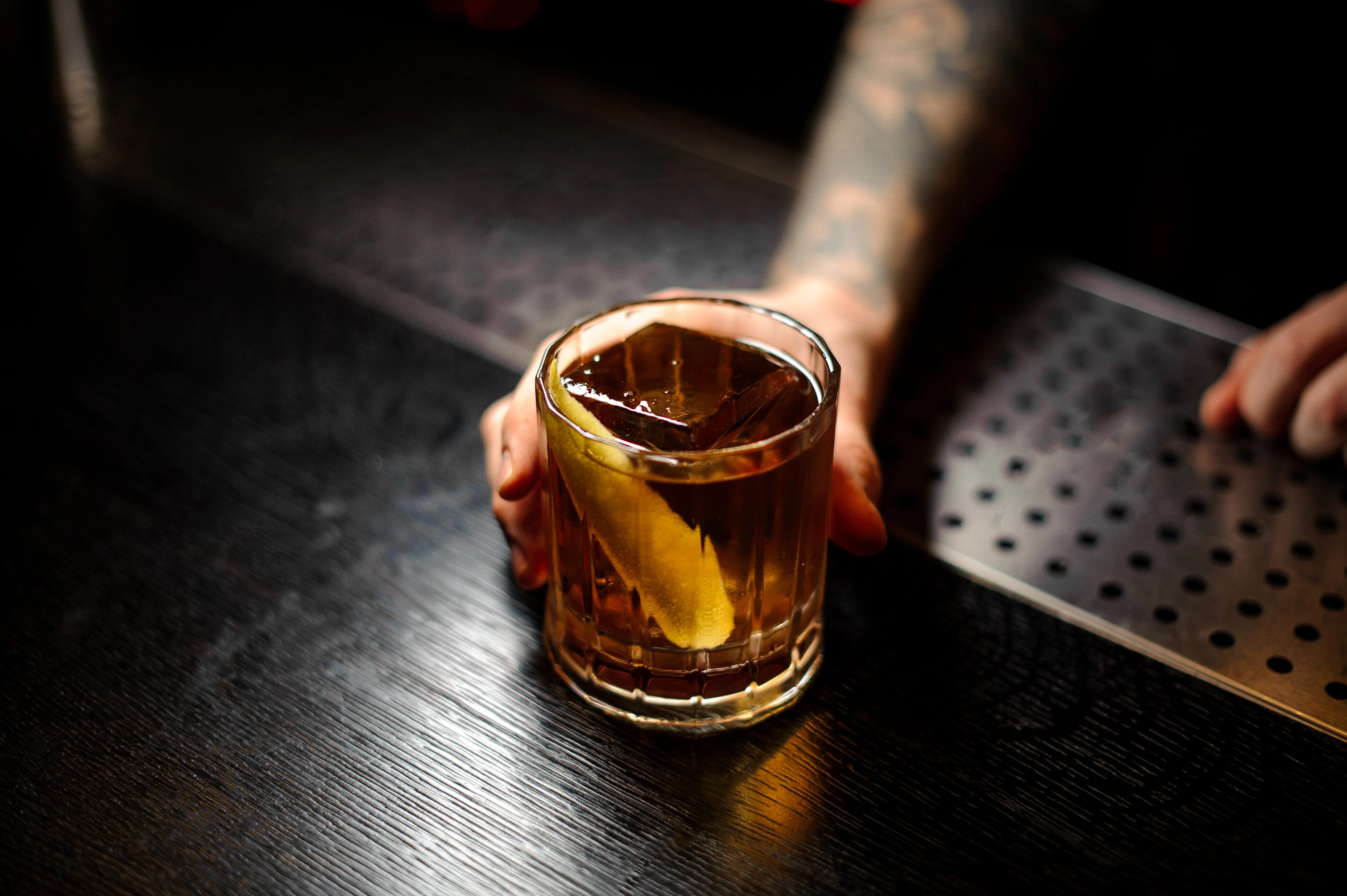
In the world of bartending, establishing a rapport with the person behind the bar can be as beneficial as knowing the drink menu. One method to quickly gain favor is through what’s known as the bartender's handshake. This term refers to a particular type of drink ordered among industry professionals that signifies your familiarity with the bar culture. This concept transcends mere orders; it serves as a gateway into the often insular world of bartenders and their patrons.
The Importance of the Bartender's Handshake
The bartender’s handshake isn't about a physical greeting; it’s an unspoken signal that suggests you're not a novice when it comes to drinking etiquette. Here’s the thing: ordering the right drinks can indicate that you're either a bartender yourself or at least well-acquainted with the bar scene. This knowledge serves as a form of tribal membership. It shows you understand the nuances of bartending culture, where camaraderie and respect play vital roles. If you're aiming to impress your bartender, knowing the classics is a solid way to start, but it’s not all about the drinks; it’s about the connection you establish through them.
A Shot Of Fernet-Branca (Or A Comparable Amaro)
At the top of the list is Fernet-Branca, a well-loved amaro among bartenders that carries potent herbal flavors. Its unique, bold profile can be off-putting for some, but it serves as one of the key drinks shared among industry insiders, often consumed after a long shift. The drink isn’t just a personal favorite; it's a tradition. Alternatives like Jameson whiskey or a Fernet and Campari duo known as the “Ferrari” are also recognized within this tradition. Each of these options carries a story and a shared experience that deepens your interaction with the bartender. And, really, that’s what this is all about: crafting shared narratives over drinks that resonate with the history of bar culture.
Underberg: The Digestif with Charm
Next up is Underberg, a small bottle of herbal bitters known for its distinctive green label. This drink feels almost like a ritual; many bartenders enjoy it straight from the bottle, reinforcing camaraderie among colleagues. In a bustling bar environment, where the pressure can feel overwhelming, such rituals offer a moment of respite. If your bartender has some downtime, offering them a round of Underberg can create an instant bond, highlighting your appreciation for the bar culture. It’s not just a drink; it’s a gesture that says, “I see you and appreciate your hard work.”
Chartreuse: The Herbal Elixir
Chartreuse, a vibrant green liqueur produced by monks in France, is another staple. Infused with 130 different herbs, it delivers both a complex and divisive flavor profile. Those who enjoy it might not agree on the exact notes, but it’s this complexity that provokes discussion and debate among patrons and bartenders alike. While it fits well in cocktails like the Last Word, it’s also often savored on its own, making it a versatile addition to the insider's order list. Choosing to order Chartreuse signals that you’re open to flavors that are outside the norm—an adventurous spirit that bartenders admire.
Jeppson’s Malört: A Taste of Controversy
Then there’s Jeppson’s Malört, a liqueur that’s notorious for its challenging flavor. It's a wormwood-based aperitif that has garnered a love or hate following. Those brave enough to try it often report flavors likened to “burnt tires” or “unripe grapefruit.” This isn’t just a drink; ordering a shot of Malört can earn you both respect and a laugh from the bartender, reinforcing your place within the culture. It's essential to grasp why some drinks evoke such polarized reactions. It’s not merely about taste; it taps into shared experiences and personal preferences that make certain drinks iconic within specific circles. It reflects an understanding of what makes bar culture rich and diverse.
Why Bartender's Handshake Matters
However, be aware that the bartender's handshake isn’t a free pass for drinks nor a surefire shortcut to an easy night out. Rather, it’s about signaling your understanding of the bar environment; it conveys that you respect the work that bartenders do and that you’re willing to tip well—arguably the best way to ensure you’re welcomed back again and again. A simple gesture can foster trust and lead to curated experiences that make your visit more memorable. If you're working in this space or plan to spend time in bars, understand how these small yet impactful actions can shape your interactions, opening doors to experiences that go beyond the ordinary.
Implications for the Future
The bartender's handshake is a subtle acknowledgment of shared values within the drinking culture, suggesting a possible shift toward more community-oriented experiences in bars. As the hospitality industry evolves, this sort of engagement is likely to become even more significant. Customers who understand and appreciate bar etiquette are likely to return, building a loyal customer base while also enhancing the bartender's experience at work. The implications here are profound: a more engaged clientele could lead to bars that focus on craftsmanship and authenticity over mass-market appeal. It’s a call for culture over commerce.
Discussion
Sign in to join the discussion.