Uncover the delightful twist of a Dirty Martini, combining gin, vermouth, and olive brine for a savory cocktail that elevates your drinking experience.
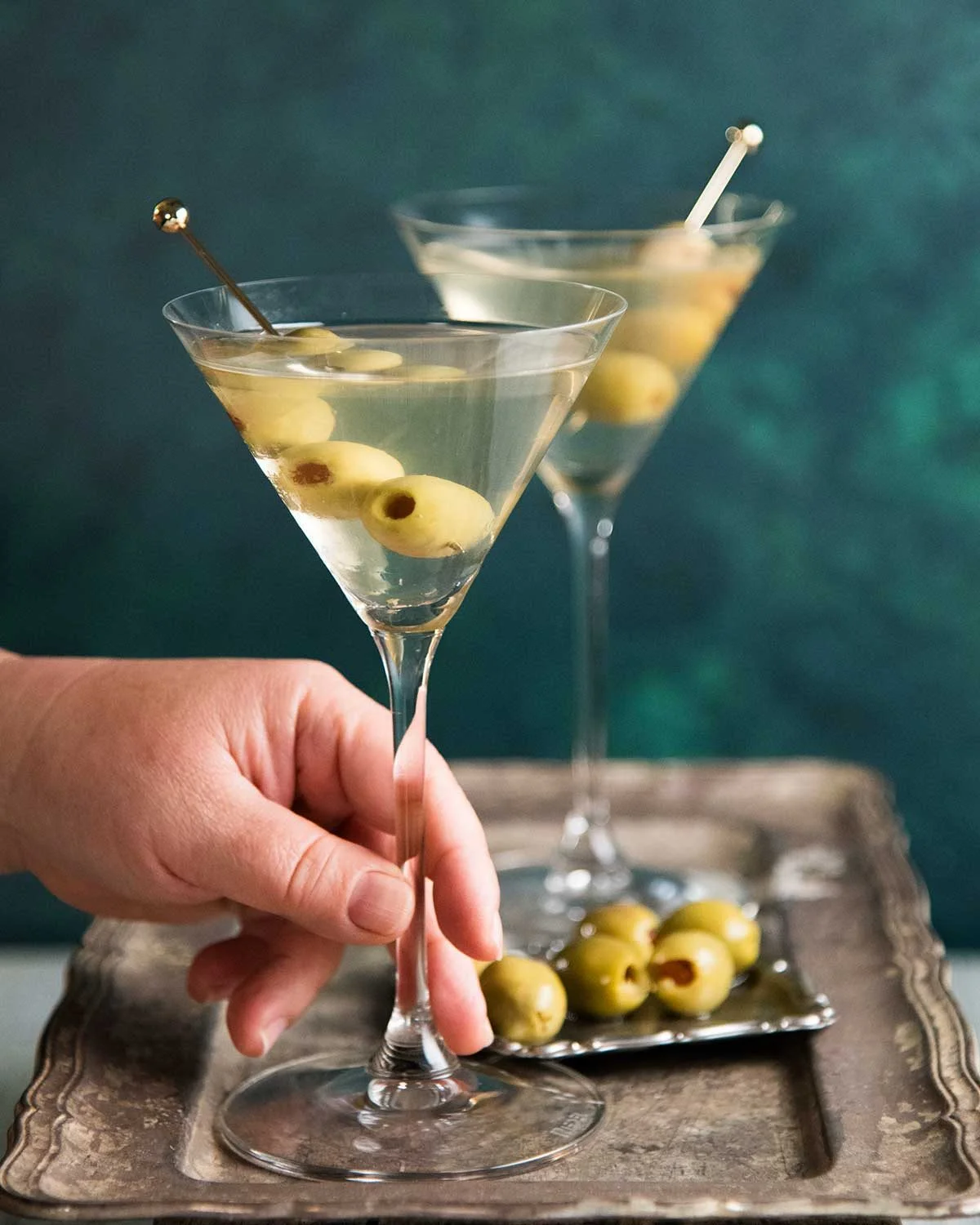
Why a Dirty Martini is a Must-Try
Let me share my personal revelation: I never appreciated martinis until I stumbled upon the Dirty Martini. Now, I can't get enough of this cocktail delight. If you’re unfamiliar, a Dirty Martini is basically a classic gin martini with a savory twist—olive brine. It may sound unusual, especially if you’re new to martini culture, but trust me; it transforms the whole experience. The brine not only smoothens the sharp bite of the gin but also introduces a subtle, delicious olive flavor that's incredibly appealing. This particular recipe I’m excited to share adheres to the classic proportions of gin, vermouth, and olive brine—5:1:1 to be precise. Interestingly, this ratio mirrors exactly the method employed by Simon, my favorite bartender at Boronia Kitchen, a local hotspot.The Best Components for a Dirty Martini
Now, let's talk about the components that bring this cocktail to life. If you're based in Australia like me, be aware that local availability and prices can vary, often due to high taxes on spirits. For example, Tanqueray gin costs about A$60 for the regular version, whereas the No. 10 premium variant is around A$70—a 16% price jump. Interestingly, a friend in the US tells me that regular Tanqueray costs about US$21, while the premium version is priced at US$36. That’s a staggering 71% difference! So, international readers, keep these price points in mind when selecting your gin. Here’s a rundown of the main ingredients you’ll want to consider:- Gin – Classic choices include London Dry gins like Tanqueray, Beefeater, and Bombay Sapphire. They deliver the crisp, dry, and juniper-forward flavors essential for a great martini. I recommend:
- Tanqueray No. 10 – If you’re looking to splurge.
- Four Pillars Olive Leaf – This Australian gin was tailor-made for Dirty Martinis. It’s simply fantastic!
- Roku gin – A delicately flavored Japanese gin, wonderful for any gin cocktail, although a little gentle for strict martini lovers.
- Dry Vermouth – Go for reliable mid-range varieties like Noilly Prat or Dolin Dry. Here in Australia, premium options might be harder to find unless you head to specialty shops.
- Olives – Use olives stored in brine, not oil. You can opt for classic green olives or experiment with blue cheese or anchovy-stuffed options if you’re feeling adventurous.
Mastering the Martini Glass
Ah, the martini glass—a key player in this cocktail story. The ideal shape is conical, but the right size is surprisingly difficult to come by. Most cocktail glasses available are 250ml/8oz and upwards, which is far too large for a traditional martini. You’d end up with a “monster-sized” drink, and trust me, that can lead to trouble. An ideal size is around 150-180ml (5-6oz), which fills beautifully. If you’ve got a larger glass, the drink might look like a half-empty showpiece.Crafting the Perfect Dirty Martini
Here’s where the magic happens. Always stir your martini rather than shake it. Stirring helps achieve that crystal-clear look and ensures a silky mouthfeel, while shaking can introduce unintended air bubbles and cloudiness. Yes, even Bond got it wrong! My step-by-step process is as follows: 1. **Chill your glass** – Pop it into the freezer, or fill it with ice to cool down quickly. 2. **Stir** – Pour the gin, vermouth, and olive brine into a mixing glass filled with ice. Stir for 20 to 30 seconds, just enough to chill and dilute the mixture perfectly. 3. **Strain** the cocktail into the prepared glass. 4. **Garnish** – Finally, add a skewer of three olives and enjoy. So, now you’re armed with all the insight to make the perfect Dirty Martini—my current favorite drink. But don’t just take my word for it. How do *you* like your martini? Are you a traditionalist, or are you ready to embrace a new kind of Dirty? Let’s hear your cocktail stories!Let’s set the record straight: James Bond is mistaken when it comes to martinis. The classic preparation calls for stirring, not shaking. This method achieves a smooth, transparent drink with the ideal level of dilution, enhancing the spirit's flavor. Shaking, on the other hand, introduces air, creating a frothy, cloudy appearance that muddles the elegance of the cocktail. Apologies to 007, but if he truly appreciated his drink, he’d reconsider his approach!Servings 1
Calories 205cal
Ingredients
- 75 ml (2 1/2 oz) dry gin – classic choices: Tanqueray, BeefEater, Combat Sapphire. I use Tanquery No 10, Four Pillars Olive Leaf Gin, and Roku Gin) (Note 1)
- 15 ml (1/2 oz) dry vermouth (Noilly Prat Original and Dolin Dry are classic choices) (Note 2)
- 15 – 30 ml (1/2 – 1 oz) brine from green olive jar (literally just the brining liquid from your favourite green olives!)
- 3 green olives (classic green ones stuffed with red capsicum)
- 2 cups ice (Note 3 if you don't have)
Variations
- Instead of olive brine, use one of these – jalapeño brine for a bit of spiciness (LOVE!), peperoncini, pickles, cornichon or capers.
- Classic martini – just leave out the olive brine!
Instructions
ABBREVIATED RECIPE:
- Stir gin, vermouth and brine in an ice-filled mixing jug for 30 sec. Strain into a chilled glass, garnish with olives.
FULL RECIPE:
- Chill the martini glass in the fridge or freezer until very cold (~150 – 200ml / 5 – 7oz glass size is ideal size – Note 4)
- Thread the olives onto a skewer.
- Stir – Fill a mixing glass about 500ml/2 cups in size (measuring jug or similar) with ice, nearly to the top. Pour in the gin, vermouth, and brine. Use a bar spoon or table knife to stir briskly for 30 seconds, stirring around the outside in circles.
- Garnish – Strain straight away into the glass (don't leave, it will dilute). Add the olive skewer. Enjoy!
Notes
1. Gin type – Any London Dry is the classic choice for martinis, like Tanqueray (No. 10 is a premium option I like), Beefeater or Bombay Sapphire. Four Pillars Olive Leaf is an Australian made savoury gin that is basically purpose-built for dirty martinis. Roku gin is probably a smidge delicate to be considered one of the “best” gins to use in a martini, but it’s my favourite for G&T so you better believe I use it for martinis too!
Avoid very floral, fruity, or delicate gins – they can taste confusing with the olive brine!
2. Vermouth – There’s lots of types on the shelves with unhelpful labels for people who aren’t vermouth experts like me! Look for the word “dry”. Noilly Prat Original and Dolin Dry are popular everyday choices.
3. Ice – If you don’t have any, mix, then chill the gin, vermouth, and brine with 2 teaspoons water (or freezer, to speed things up). The water replaces the dilution you would normally get from the melting ice as you stir. It softens the alcohol bite, makes the flavor open up, and the martini smoother and more balanced. Pour into chilled glass and enjoy!
4. Cocktail glass size:
- 150-180 ml / 5 – 6 oz – ideal for elegant, restaurant/bar size
- 200 ml / 7 oz (this is what I have) – good size once the olive skewer is added
- 250 ml / 8 oz + – too big! Unless you want a gigantic pour!
Nutrition
Calories: 205cal | Carbohydrates: 1g | Protein: 0.1g | Fat: 2g | Saturated Fat: 0.2g | Polyunsaturated Fat: 0.2g | Monounsaturated Fat: 1g | Sodium: 623mg | Potassium: 7mg | Fiber: 0.4g | Sugar: 0.1g | Vitamin A: 47IU | Calcium: 6mg | Iron: 0.1mg


Discussion
Sign in to join the discussion.