Coca-Cola's recent revitalization of the Mr Pibb brand is paying off, with significant growth in consumer interest across several demographics.
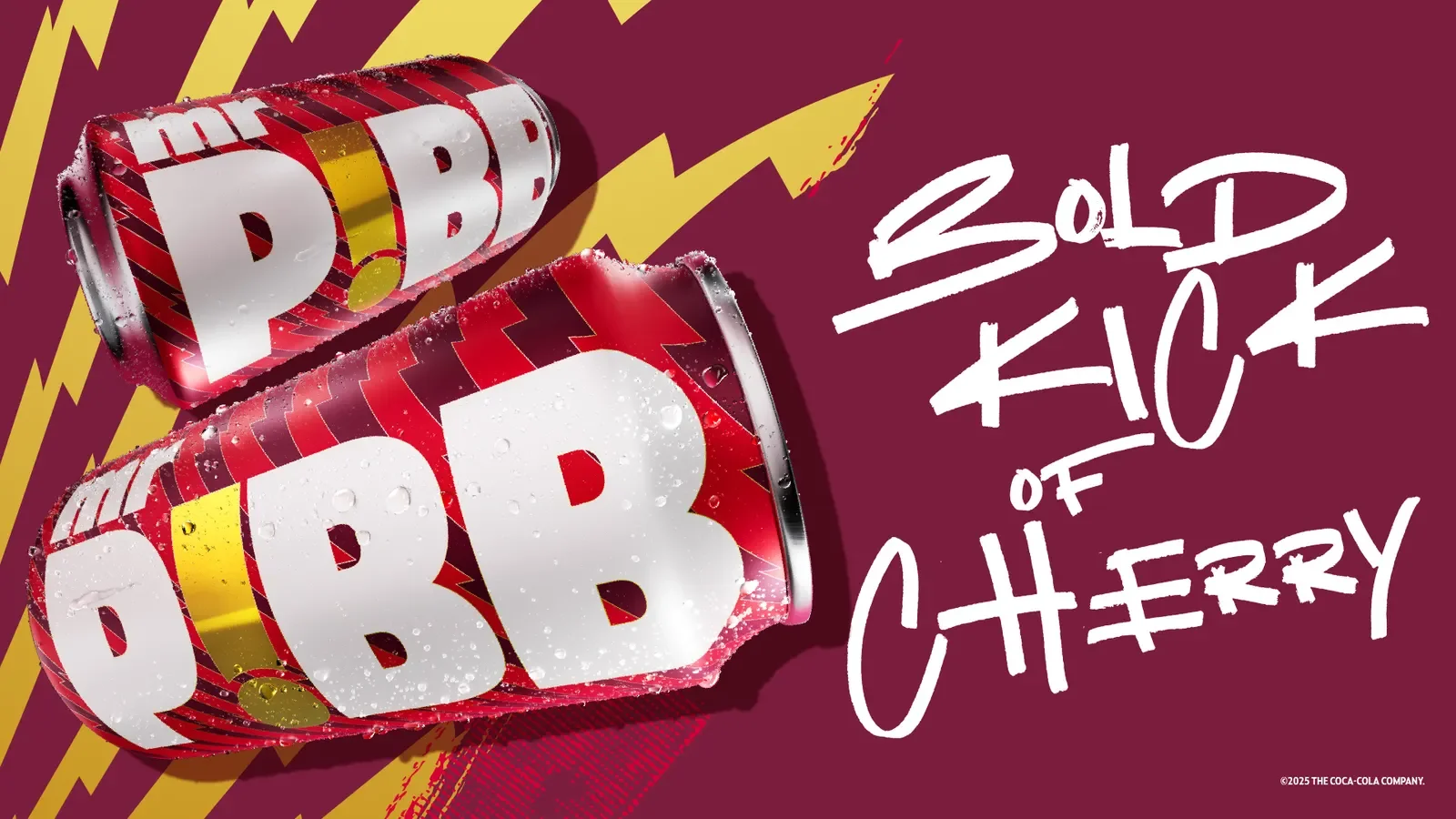
Coca-Cola's revival of the Mr Pibb brand is making waves, emerging as the fastest-growing soda brand in 2026, according to a recent Morning Consult survey.
A Closer Look at Mr Pibb’s Resurgence
The brand's comeback is noteworthy not just for its rapid growth but for the strategic overhaul that led to it. Relocated under the banner of a classic connoisseur, Mr Pibb was relaunched in late 2025 with a new recipe, aiming to cater to changing taste preferences while still yielding a familiar flavor. This effort resulted in a dramatic 11.2 percentage-point increase in purchase consideration. Before this revival, Mr Pibb and its predecessor Pibb Xtra had faced a plateau in sales, often overshadowed by more dominant brands like Dr Pepper and Coca-Cola itself. The decline of niche sodas often reveals a broader struggle within the soft drink industry, as consumer preferences shift towards health-conscious options.
Nostalgia Meets Modern Marketing
The strategy behind Mr Pibb's revival is reminiscent of how brands often harness nostalgia to reconnect with consumers. By reviving a soda that many associate with memories of youth, Coca-Cola tapped into an emotional reservoir. This isn't just sentimental fluff; emotionally driven marketing can significantly influence purchasing behaviors. While aiming to reignite interest in older consumers—particularly Generation X—Coca-Cola also sought to introduce the brand to Millennials, who responded with an 11.7 percentage-point growth in purchasing consideration.
However, the appeal to younger audiences may not be as universal as Coca-Cola hopes. Generation Z's uptake was a comparatively modest 5.5 percentage-point increase, placing Mr Pibb at a lowly 17th position among that demographic. This highlights a disconnect—one that many brands experience—between nostalgic marketing efforts and the tastes of younger generations, who often prioritize other flavors or health-focused beverages. In this case, the attempt to bridge the gap between nostalgia and modern tastes leaves more questions than answers.
Demographic Insights from the Data
What the Morning Consult data reveals is a significant demographic divide in the soda market. Generation X's craving for familiar flavors saw a 15.5 percentage-point spike, emphasizing that this audience is still deeply rooted in nostalgic preferences. Meanwhile, Baby Boomers handed Mr Pibb a 9.8 percentage-point boost, suggesting a generational loyalty for brands they’ve grown up with. If you're working in this space, these insights should guide how you think about market segmentation; not all consumers are influenced by the same factors, and targeting them based on age-related preferences could be key.
The Broader Market Context
The survey highlighted that over half of the top-performing brands identified were grocery items. This trend points to a consumer preference for reliable and familiar products during tight economic climates—a behavior that reflects an instinctive response to economic uncertainty. “These brands saw their consideration rise more modestly than Mr Pibb’s 11-point jump," the report noted. This indicates that Mr Pibb's extraordinary leap is not merely a byproduct of nostalgia but a well-timed marketing strategy that responds to shifting consumer priorities. It's a calculated move amidst a backdrop of economic pressures that encourages people to rely on brands they trust.
The context of this revival is critical, particularly as consumers navigate tighter budgets and higher costs of living. When consumers feel financially insecure, they often retreat to what they know. Brand loyalty can be exceptionally strong during such periods, as familiarity breeds comfort. And yet, Coca-Cola’s expansive portfolio responds well in such moments, allowing a platform for revitalized brands like Mr Pibb to capture interest once more.
Timing and Brand Strategy
Morning Consult's consumer surveys, focusing on purchasing considerations of more than 2,800 brands from May 15 to August 15, 2026, provide a broad panel of perspectives that gauge Mr Pibb's impact on consumer behavior. That said, the timing of Mr Pibb's relaunch seems almost serendipitous. A strategic push that coincides with rising consumer preferences for nostalgic brands doesn't just reflect good marketing; it indicates a deeper understanding of current consumer anxieties. This indicates that companies are paying attention to not just product taste but also to timing and the ever-changing socio-economic environment.
Future Outlook for Mr Pibb and Coca-Cola
The implications of Mr Pibb's significant growth suggest a potential roadmap for Coca-Cola and other brands in its portfolio. The company might look to double down on nostalgia-driven branding across different product lines. As consumers become more discerning, brands that can recapture the past and make it appealing to generations that didn’t even experience it can thrive. However, brands must also recognize the fragile balance between nostalgia and modernity, particularly as they try to include newcomers to the soda market.
In an industry increasingly scrutinized for health impacts, Coca-Cola will need to carefully consider how it blends nostalgia with innovation. The revitalization of Mr Pibb might be a promising sign, yet whether it can maintain momentum—or simply become another echo of the past—remains to be seen.
Discussion
Sign in to join the discussion.