Winter sowing gives cold-tolerant crops and flowers an early start, with options ranging from spinach and onions to echinacea and snapdragons.
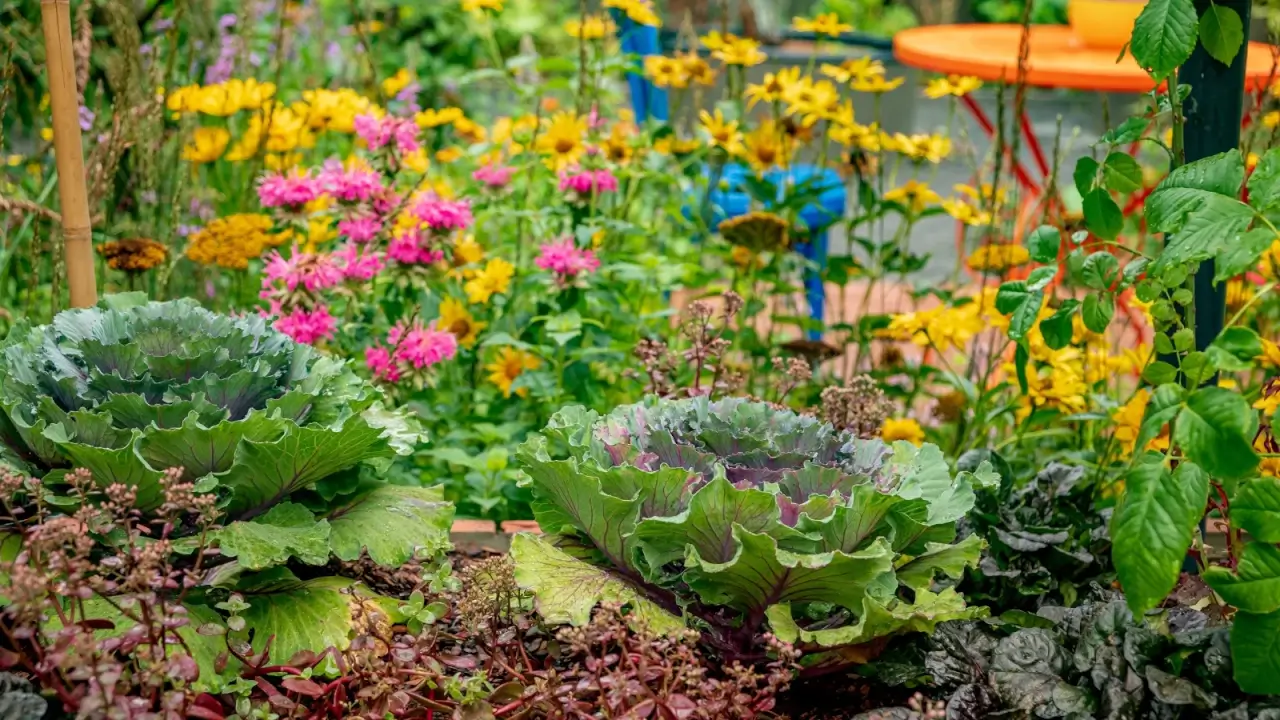
Winter sowing can give growers a head start on spring while matching the needs of seeds that tolerate cold. The method uses outdoor winter conditions to provide cold and moisture, which can help some seeds break dormancy. Seeds are started in containers such as clean, reused milk jugs, lidded plastic tubs or bags; those containers shelter seedlings while they develop.
The result can be sturdy transplants ready for spring beds, with a timing advantage over waiting to sow later. The method is close to direct sowing, but seeds grow in a more protected space. Success depends on picking plants suited to the conditions, following packet directions and keeping an eye on seedlings. Clean containers matter, too. For growers planning spring production, the useful question is which crops and flowers make the best use of that cold start.
Vegetables that can take the cold
Hardy vegetables are natural candidates for this approach. Many can handle chilly conditions early in their growth, then move into beds when spring weather settles in. Cabbage, spinach, onions and a broad range of leafy greens offer different harvests and crop-planning options.
Cabbage
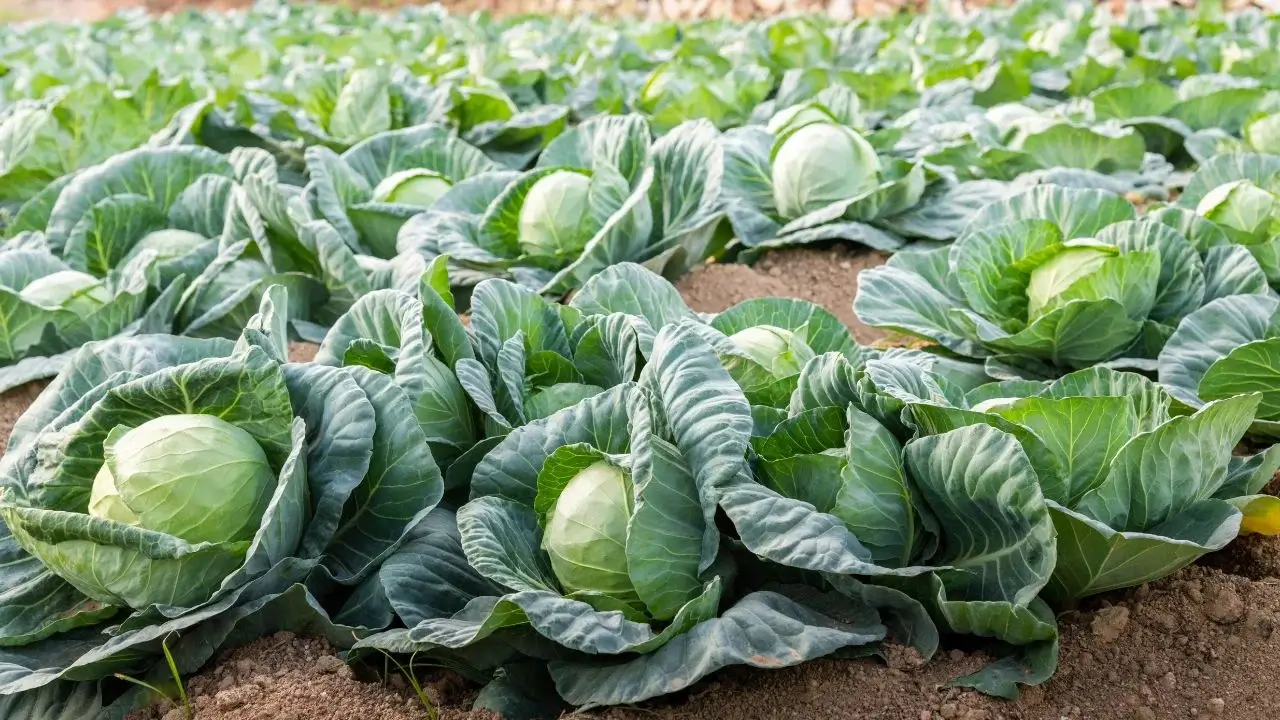
Cabbage is a dependable choice for growers supplying restaurants or selling at market. Like other brassicas, it tolerates cold well, and a light frost can bring out a sweeter flavor. Familiar green or colored heads give buyers a staple, while Napa cabbage adds variety to the crop mix.
Timing should guide variety selection. Where spring is short, ‘Carex’ is one option: it produces smaller heads and matures sooner. Matching the variety to the local growing window can make winter sowing more useful than choosing a type by appearance alone.
Spinach
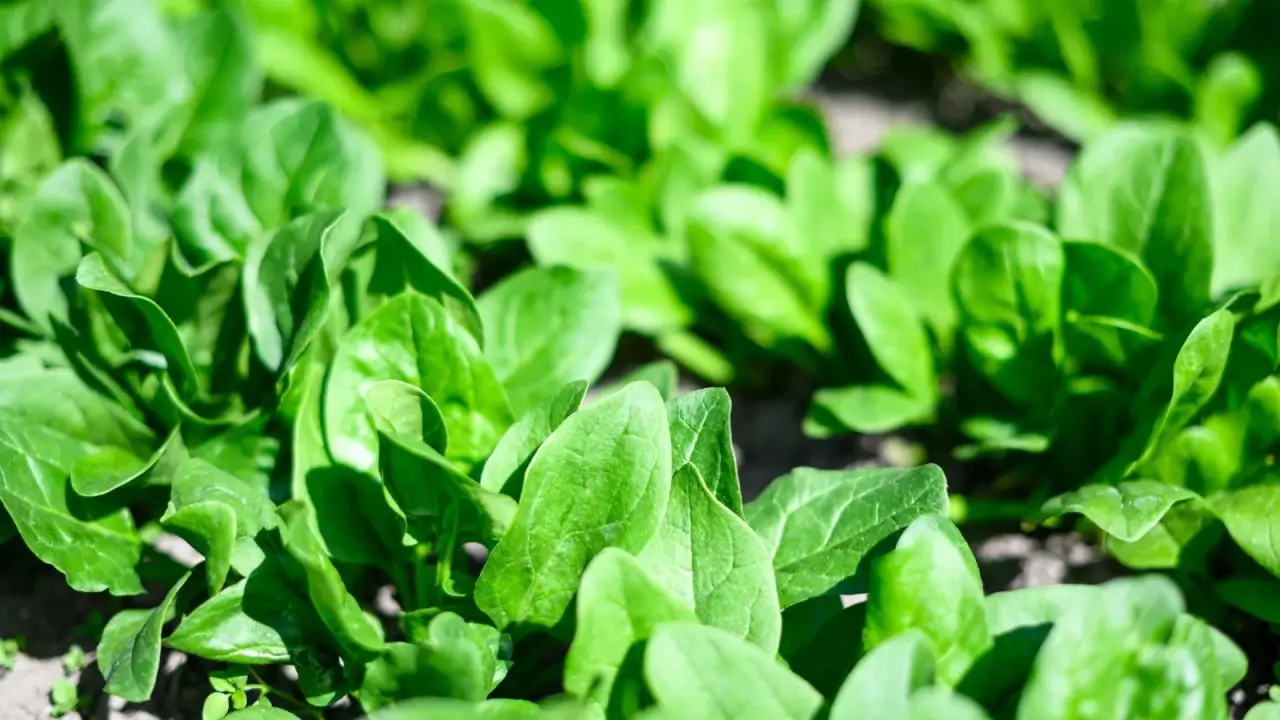
Spinach suits winter sowing because it can take a light frost, and its seeds can be sown densely without stopping plants from growing. Variety choice helps tailor the crop to local conditions. ‘Avon,’ a savoy type, is described as resistant to mildew and blight, making it an option for humid growing regions. For smooth leaves, ‘Space’ also offers resistance to bolting for longer than some other types.
Onions and other alliums
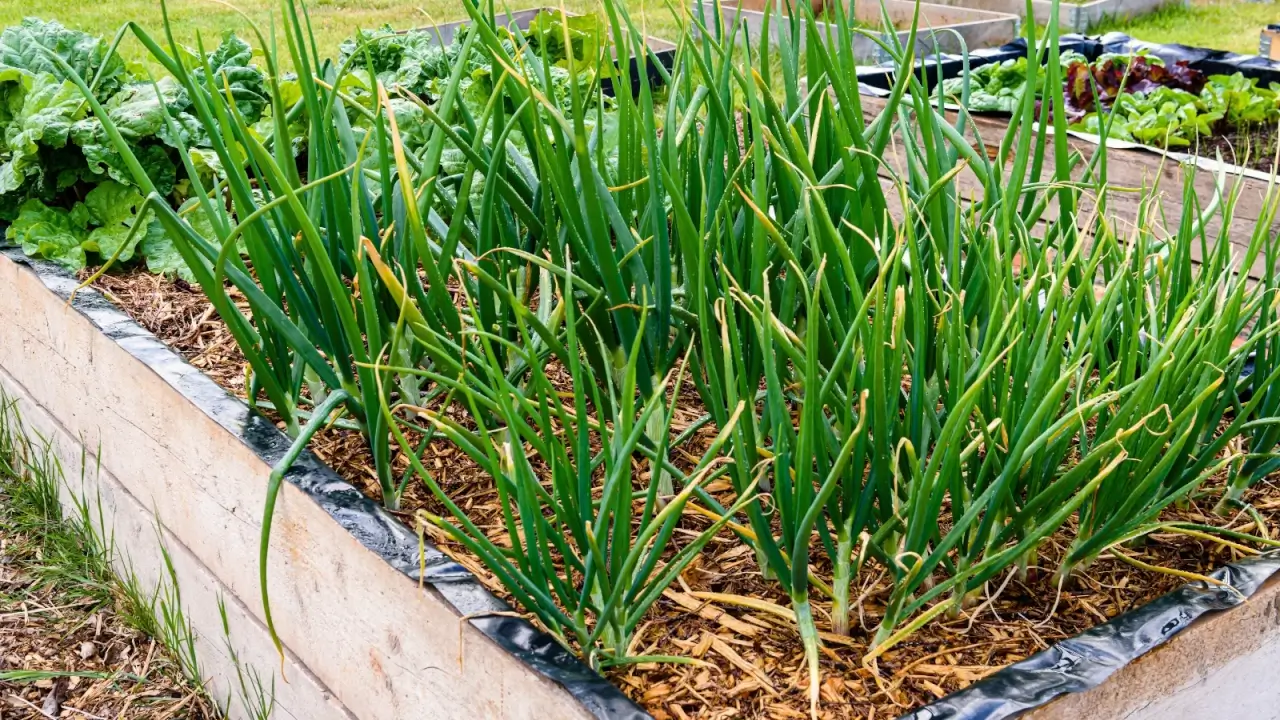
Bulbing onions take a long time to mature, so getting them started in winter can help growers make better use of the season. The key is choosing an onion type suited to the farm’s latitude. Long-day varieties are best for 37 to 47° latitudes; short-day types suit 25 to 35°. Intermediate-day onions can grow in either long- or short-day regions, with the best fit reported between 32 and 42° latitudes.
For growers who don’t need bulb onions, chives, garlic chives, bunching onions and shallots are other options to start in containers. With onions, the choice of day-length type is central to getting a crop that fits the local growing conditions.
Leafy greens

Winter sowing also suits a wide range of greens: kale, collards, chard, watercress and microgreens, alongside arugula, bok choy, turnip greens and beet greens. A mixed selection can broaden a farm’s offering beyond standard salad leaves. Turnip and beet greens have an added advantage: both provide edible tops as well as roots. Some of these crops serve more specialized markets, giving growers another way to diversify what they bring to buyers.
Flowers for beds, bouquets and beneficial insects

Flowers can contribute more than color. Perennials often benefit from the cold, moist period that winter sowing provides, while some species attract beneficial insects and birds. That makes them useful candidates for both cut-flower production and farm planting plans that include integrated pest management.
Pansies
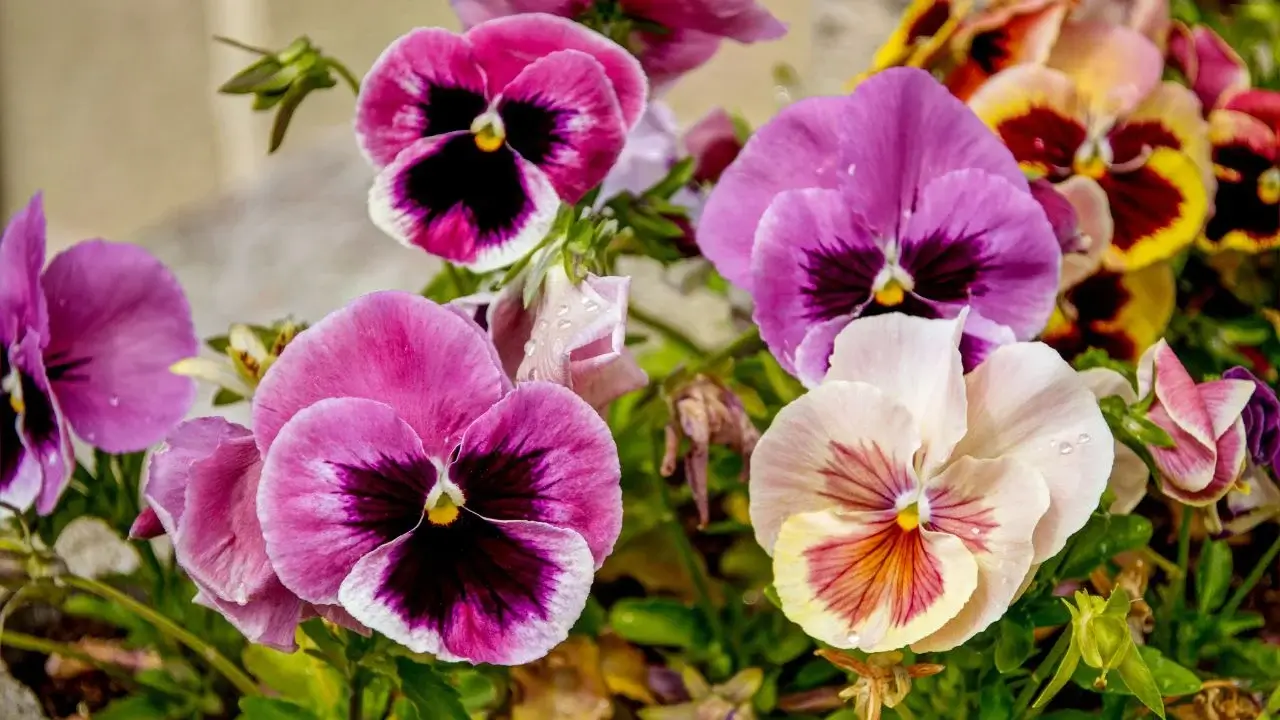
Pansies (Viola × wittrockiana) are cold-hardy, colorful and versatile. Their blooms can be cut for arrangements or planted in beds, and the plants also fit nursery and market-garden offerings. For growers selling seedlings, pansies bring a spring flower option with several uses beyond the garden bed.
Echinacea
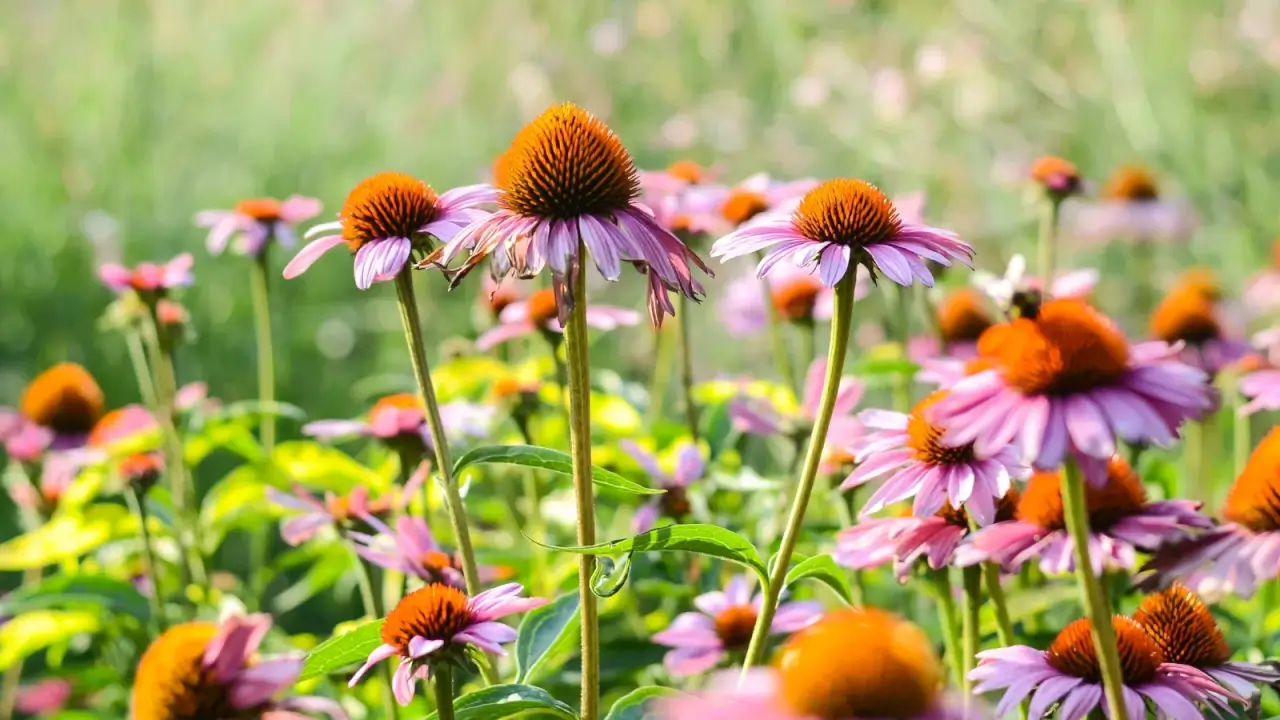
Echinacea is a strong fit for winter sowing because cold stratification can help break seed dormancy. Starting seeds outdoors through winter provides the cold and moisture involved in that process, with seedlings ready to transplant later. On the farm, echinacea can feed beneficial insects and birds, and it can be grown for arrangements or sold as a live plant. There are nine species and hundreds of associated cultivars, extending the choice well beyond the familiar pinkish-purple flowers.
Snapdragons
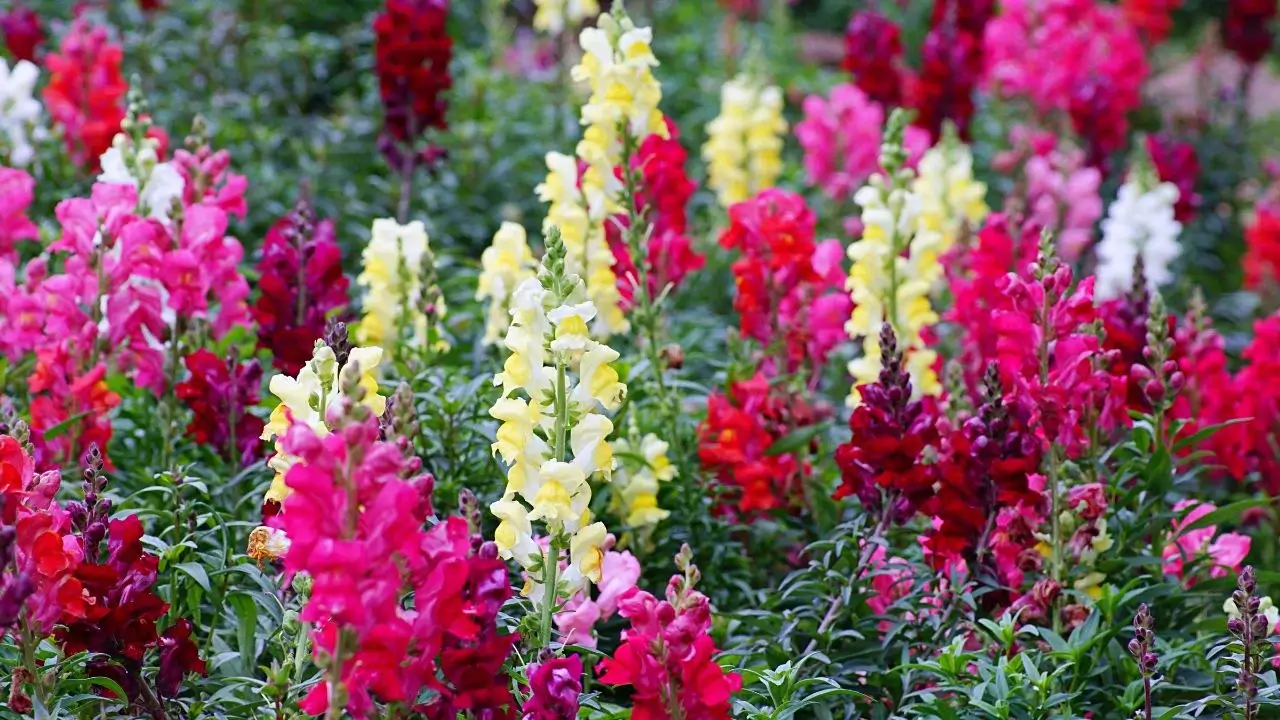
Snapdragons prefer cool weather and can mature early, which is useful in regions where heat arrives quickly. Their growing groups are organized around seasonal light and temperature. Group 1 suits colder regions with low winter light and heat. Group 2 is intended for spring with moderate light and heat. Group 3 overlaps with Group 2’s conditions, while also handling high light and heat in summer and moderate conditions in fall.
Those differences make group selection a practical part of planning. A well-matched variety has a better chance of reaching its flowering window before hot weather cuts the season short.
Larkspur
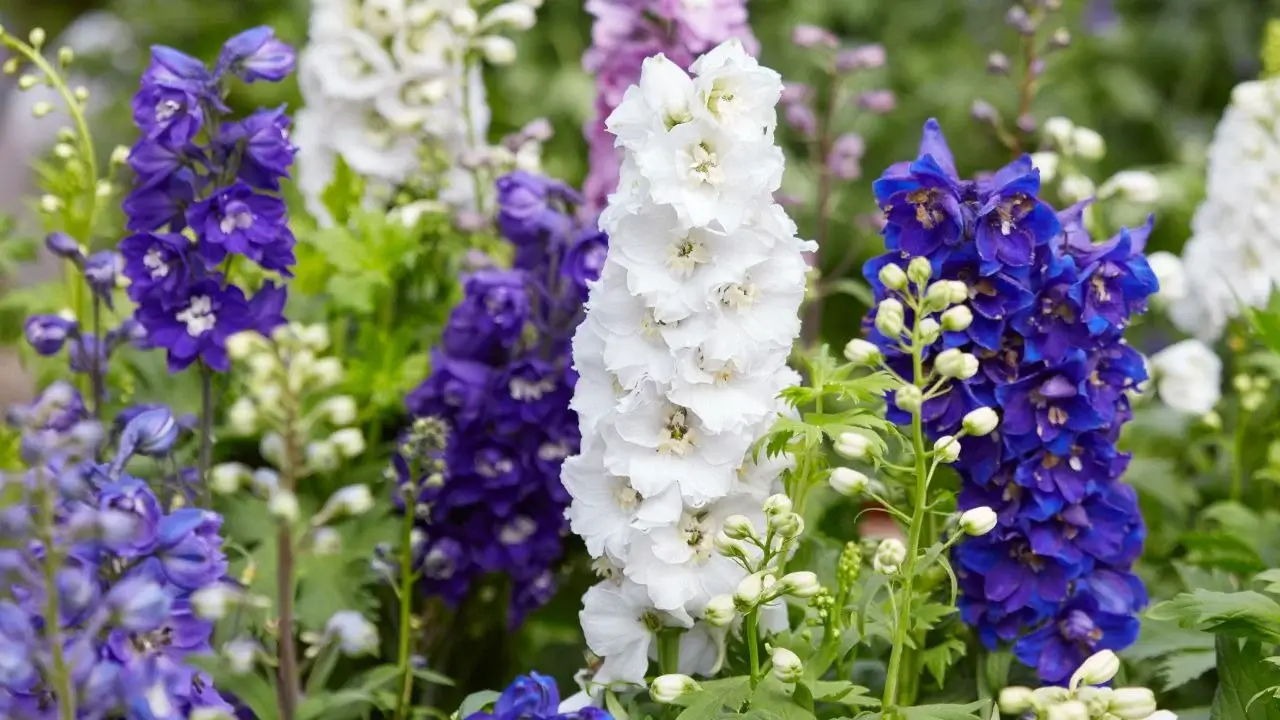
Larkspur, also known as delphinium, includes species that benefit from cold stratification. Winter’s cold and moisture can help seeds germinate, while the flower’s tall stems and range of colors make it a useful addition to gardens and cut-flower arrangements. Blue is a relatively uncommon flower color; delphiniums also come in white, purple and pink, and attract pollinators.
Scabiosa
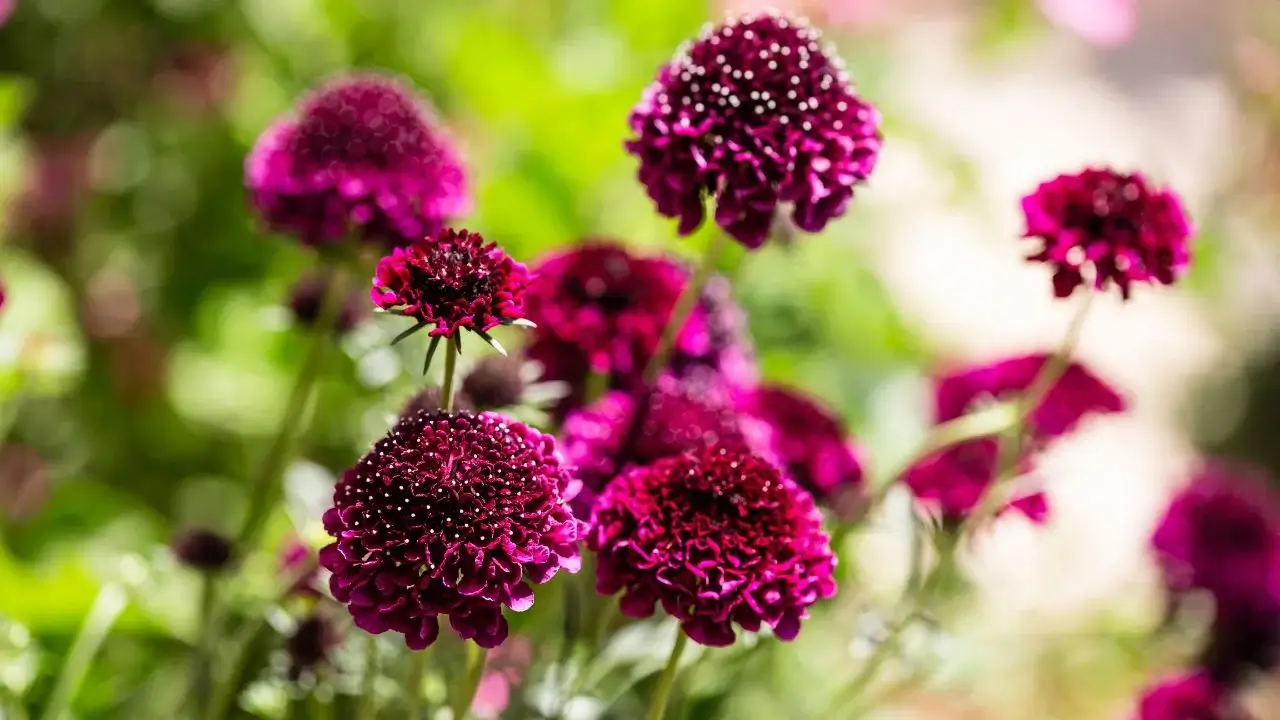
Scabiosa, or pincushion flower, is another cool-weather choice. Winter-started plants can be ready to flower in spring and continue blooming through fall. The blooms work in fresh bouquets and last well after cutting; their seed heads also make them useful in dried arrangements. As with echinacea and larkspur, scabiosa can attract beneficial insects.
The strongest winter-sowing picks share a useful trait: they tolerate cold, or their seeds benefit from it. Growers can use that seasonal fit to bring hardy vegetables into spring beds and establish flowers for bouquets, nursery sales and farm biodiversity. The next step is to match varieties to local conditions, then give seedlings regular attention as the weather turns.

Discussion
Sign in to join the discussion.