Bright light, careful watering and the right potting setup can keep nine useful culinary herbs growing indoors through winter.
A winter herb garden succeeds when the plants match the space: sun lovers get the brightest windowsill or a grow light, while compact growers make use of crowded counters. For cooks, the payoff is practical—fresh leaves for everyday meals without relying on a summer garden.
Start with herbs you’ll use often, and give each plant a pot with drainage. A sunny window can provide enough light; where natural light falls short, a grow light on a shelf or counter can help. Most of these herbs are easiest to establish from nursery plants or healthy divisions brought indoors before the first frost. Watering needs vary: several prefer the soil surface to dry slightly, while chives and mint need more consistent moisture.
Compact plants for regular harvests
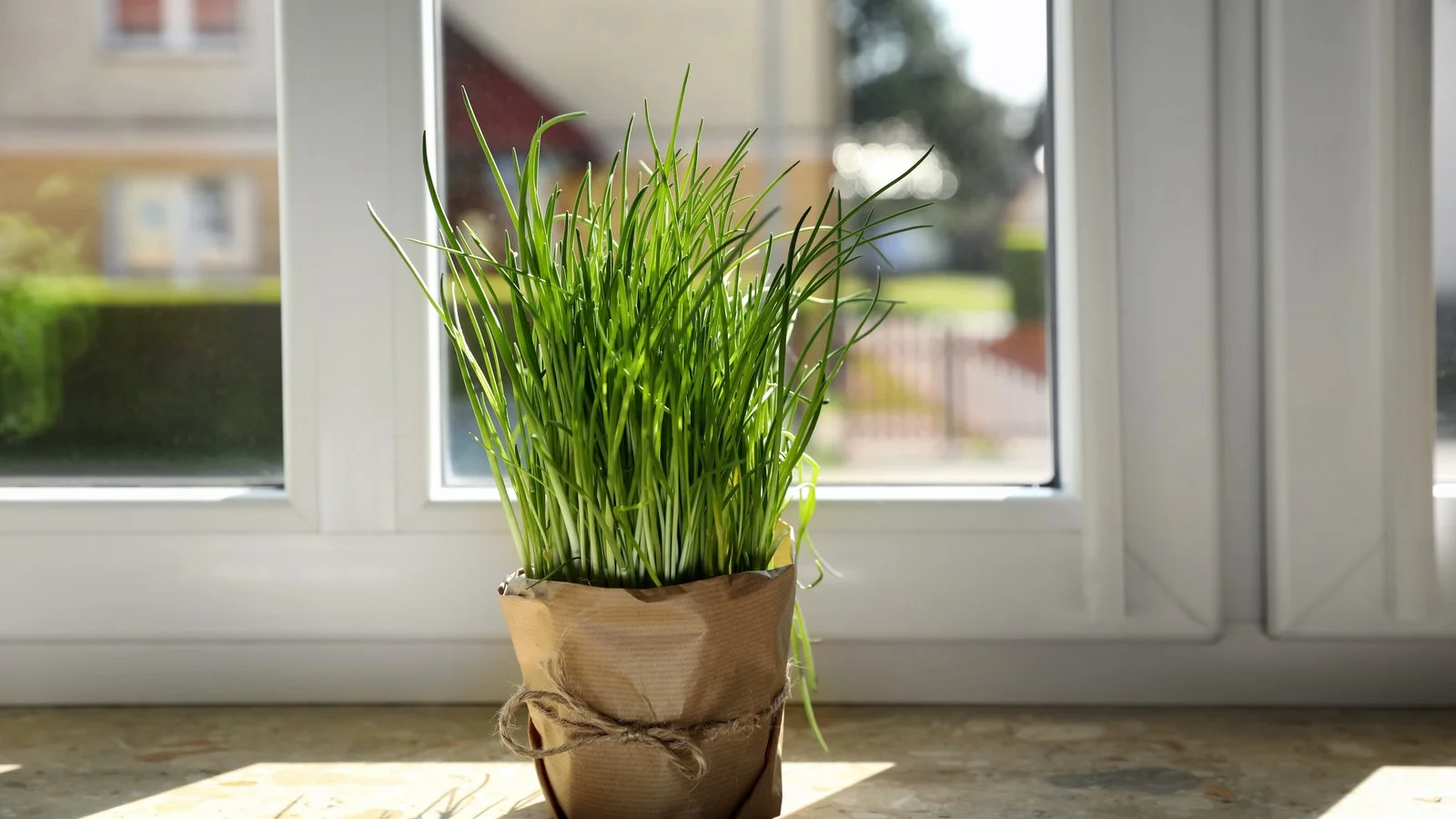
Chives suit tight spaces because they grow upright in a clump and won’t shade neighboring pots. Their blades are useful in small quantities, so even a modest plant earns its counter space. Set chives near a bright window or under a grow light. Water when the mix begins to dry at the surface; letting the whole pot dry out can set the plant back. A nursery start or a rooted division from an outdoor clump is a straightforward way to begin.
Snip a few blades for an omelet, or scatter them over loaded baked potato soup. The plant’s compact shape and small harvests make it a practical choice when room is limited.
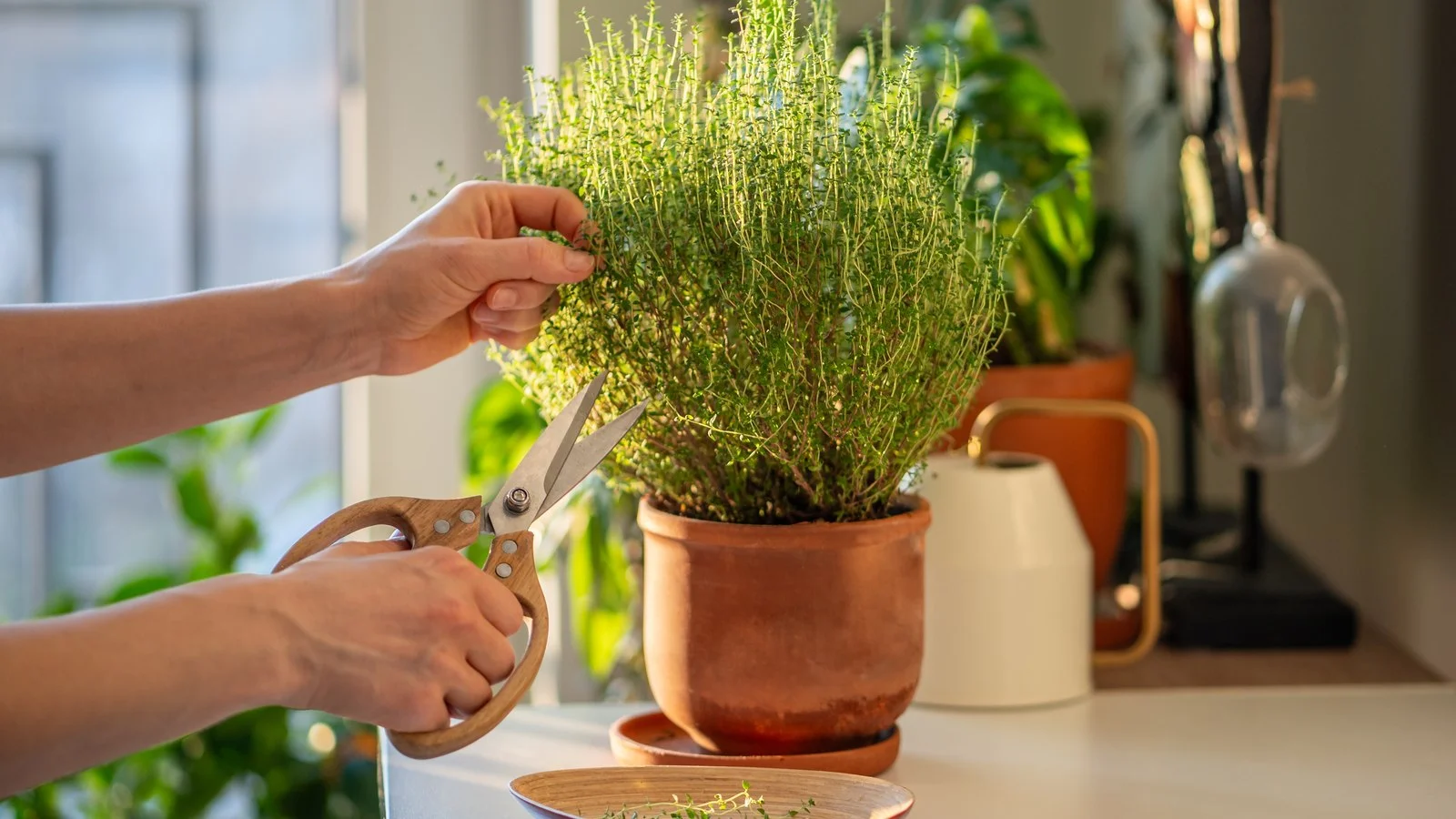
Thyme offers another compact option, with low growth that fits below taller herbs. It can tolerate some missed watering, though a pot with drainage and a loose mix still matter. Let the soil surface dry a little between waterings. When new growth appears, cut soft tips above a leafy joint, keeping the woody base and plenty of green stems intact so the plant can keep growing. Extra sprigs can be dried and stored for later use (herb preservation tips).
Thyme pairs well with oregano in separate pots. Add the leaves to chicken stew or toss them with carrots and parsnips before roasting.
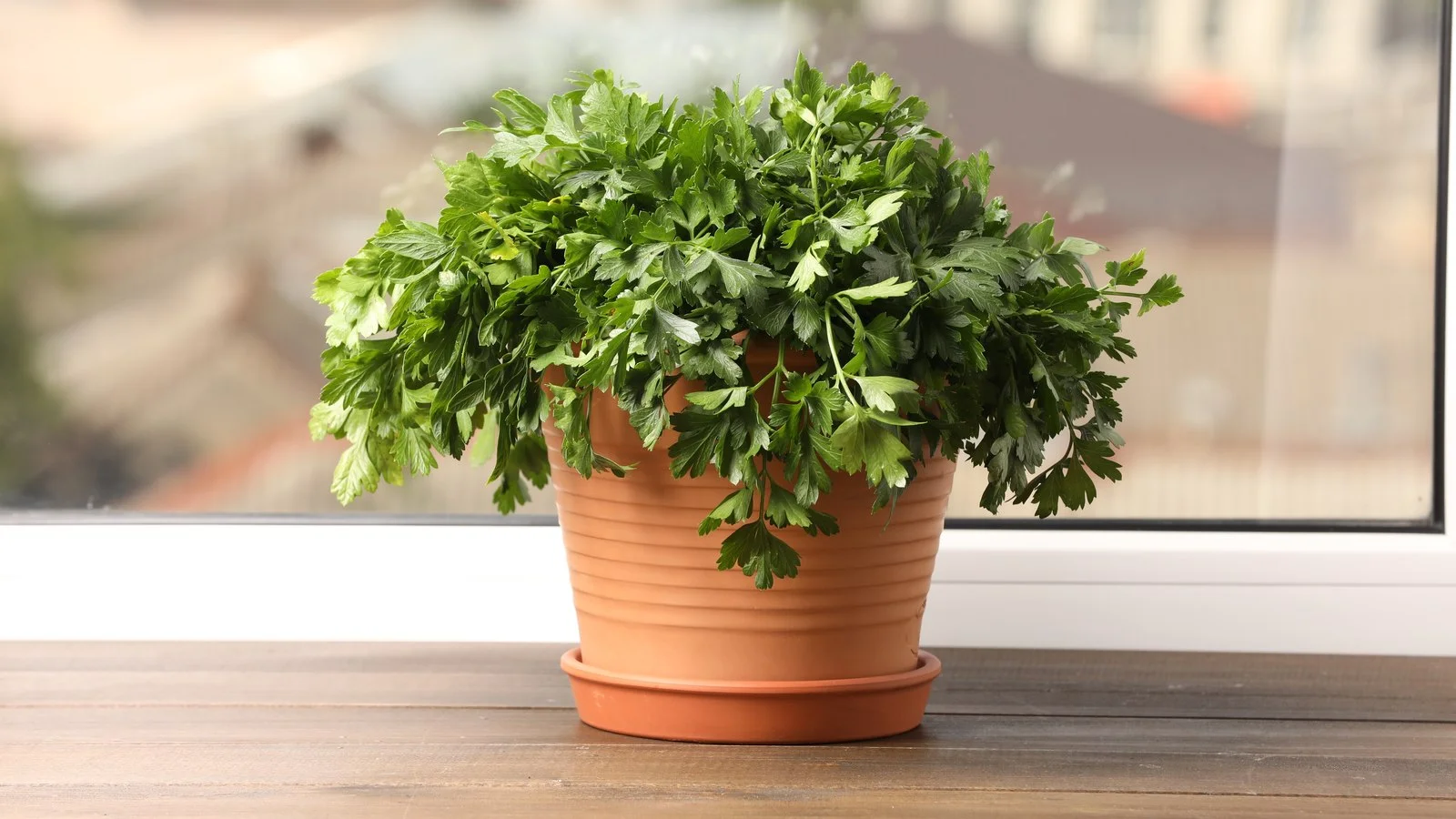
Parsley rewards frequent kitchen use: harvest the outer stems while the center continues producing leaves. Choose a deeper pot with drainage, and place it in bright light or under a grow light. Water once the surface starts drying, before the root ball becomes completely dry. A flat-leaf nursery plant or a garden transplant brought inside before frost can provide a useful winter supply.
Parsley works in salsa and slow-cooked meals, where a handful of fresh leaves can brighten richer flavors. Its pattern of growth also makes it easy to see which stems are ready to cut.
Herbs for the brightest spots
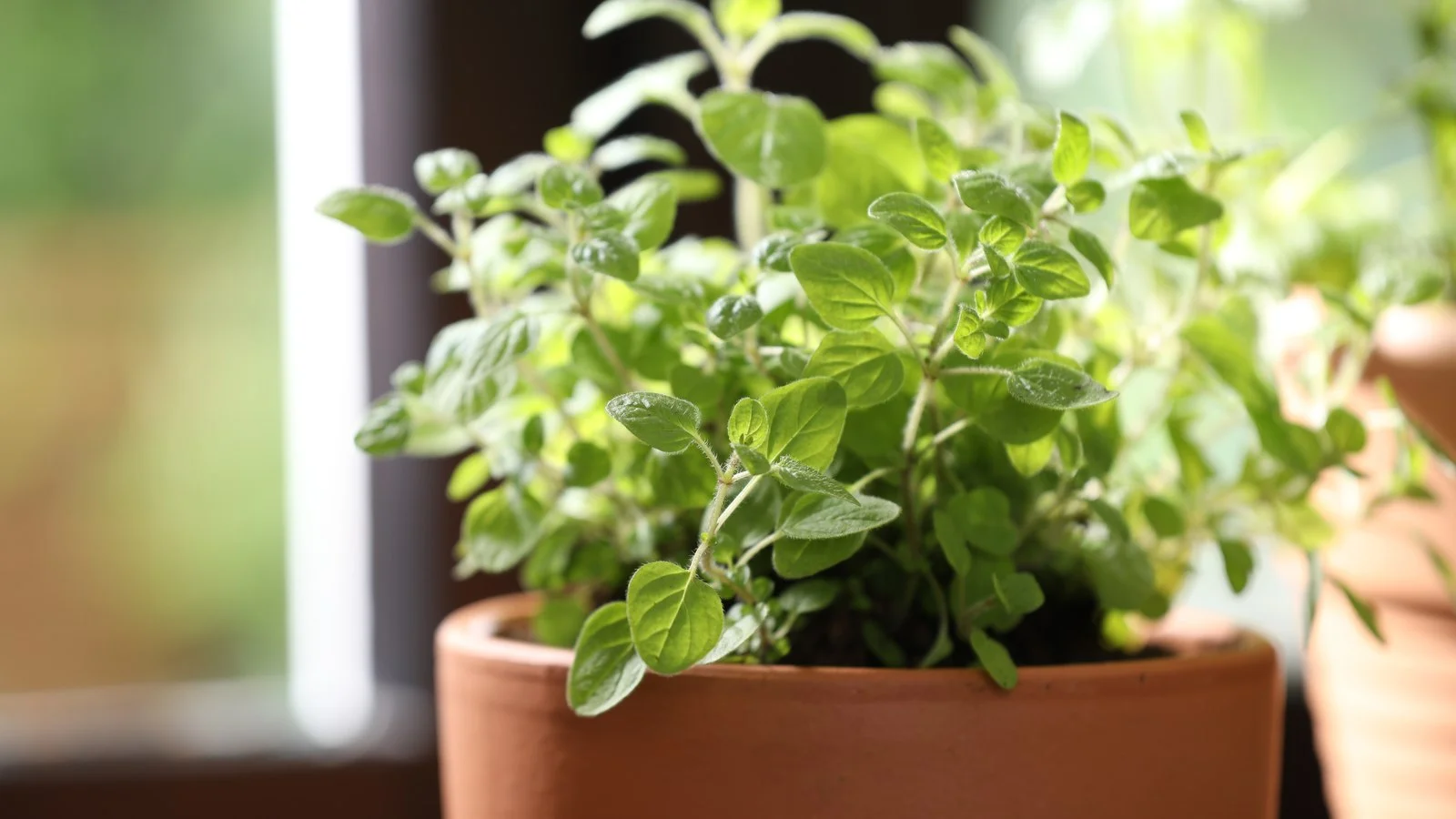
Oregano is a dependable culinary staple if you can offer it a sunny position, ideally near a south-facing window. A grow light is an option when natural light is limited. Use a loose potting mix in a container or grow bag of about a gallon, with a drainage hole. Let the soil surface dry between waterings; persistently wet mix can cause problems.
Harvesting also helps shape oregano. Snip stems where needed to keep the plant from becoming unruly and encourage growth in a chosen direction. Use the leaves in tomato sauce or scatter them over homemade pizza. Thyme is a compatible neighbor in terms of watering, but keep the two plants in separate pots.
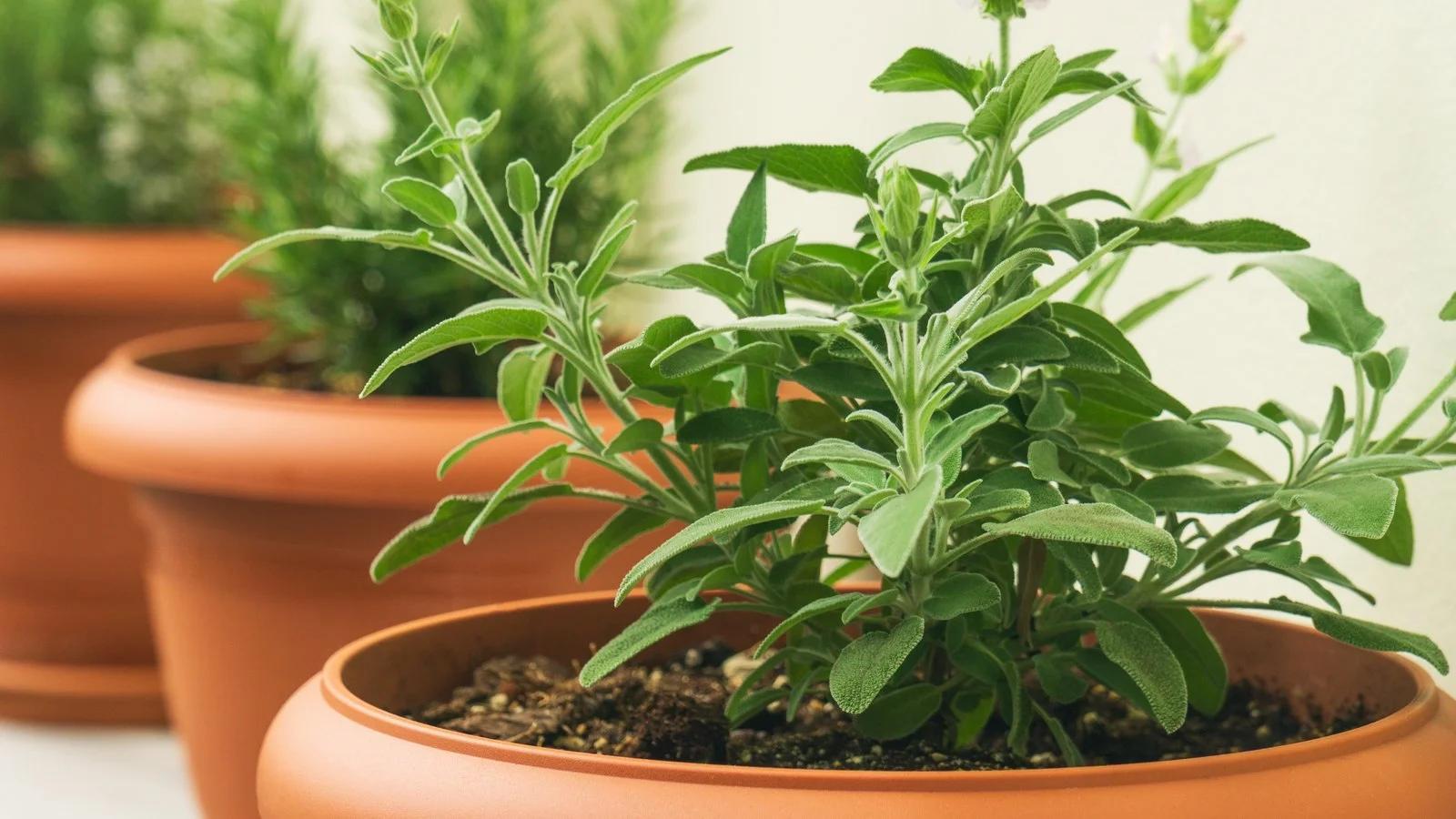
Sage is best for a bright kitchen where there’s room around the plant for air to circulate. It grows slowly indoors, so it suits cooks who want a leaf or two now and then rather than a large weekly harvest. Start with a culinary nursery plant and reserve one of the brightest window or grow-light positions for it. Pick a few mature leaves, then allow the plant time to fill in again.
A small sage plant can still contribute plenty of flavor. Crisp a few leaves in brown butter to serve over roasted squash or gnocchi.
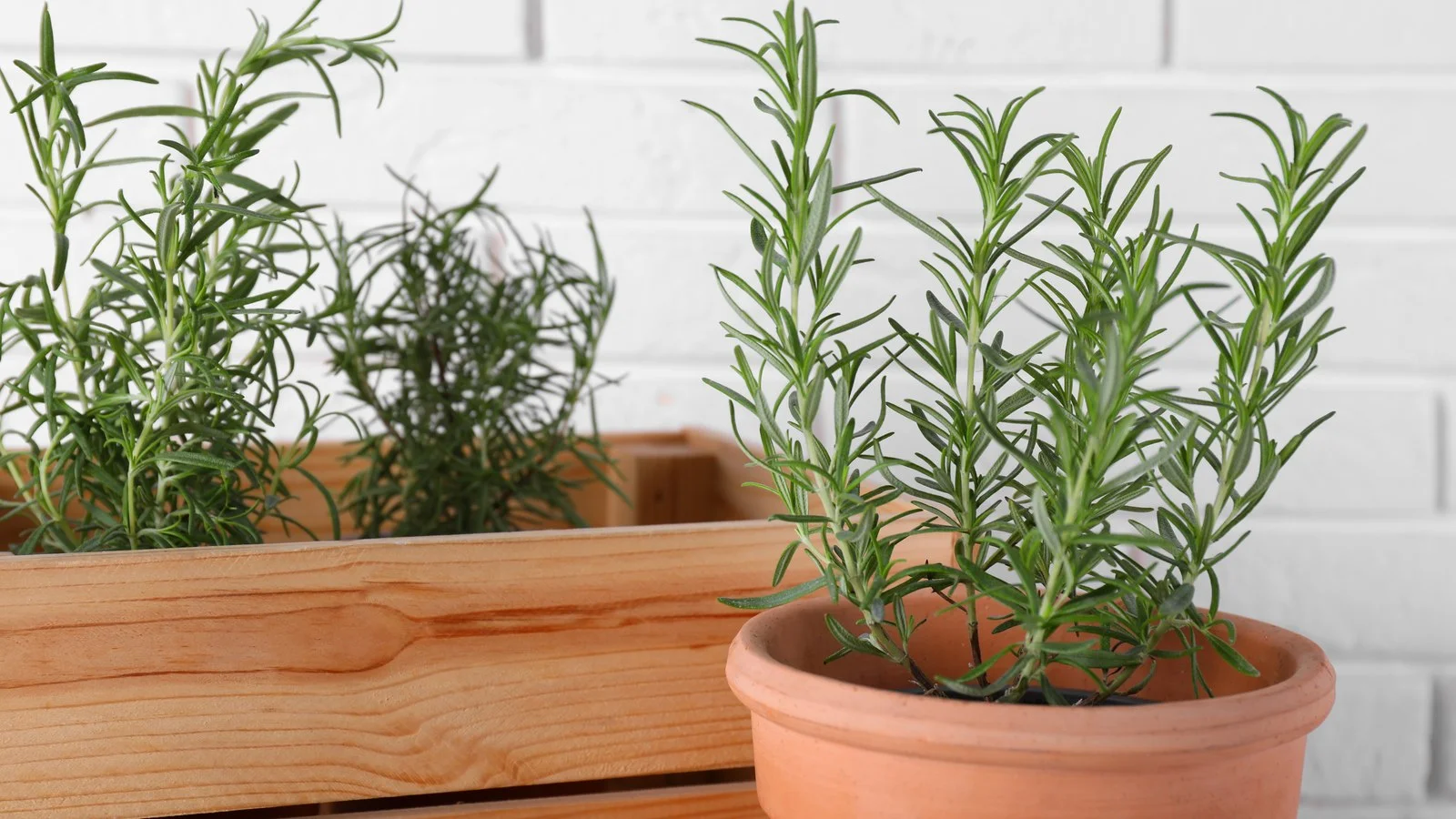
Rosemary is an evergreen plant that can last for years, but it needs a sunny position and room around its foliage. A smaller upright variety can fit on a shelf; when the weather warms, the plant can move outdoors. Use a free-draining mix and let the surface dry slightly between waterings. Overwatering is a risk, and winter growth may be slow, so give the plant time to recover after each harvest.
Once fresh growth appears, take a few inches from the tip of a green stem and leave woody sections intact. Rosemary’s strong flavor suits a few sprigs tucked under roasting chicken or chopped needles tossed with olive oil and potatoes. For additional indoor herb-growing guidance, see Iowa State University Extension’s advice.
Plants with particular space or temperature needs
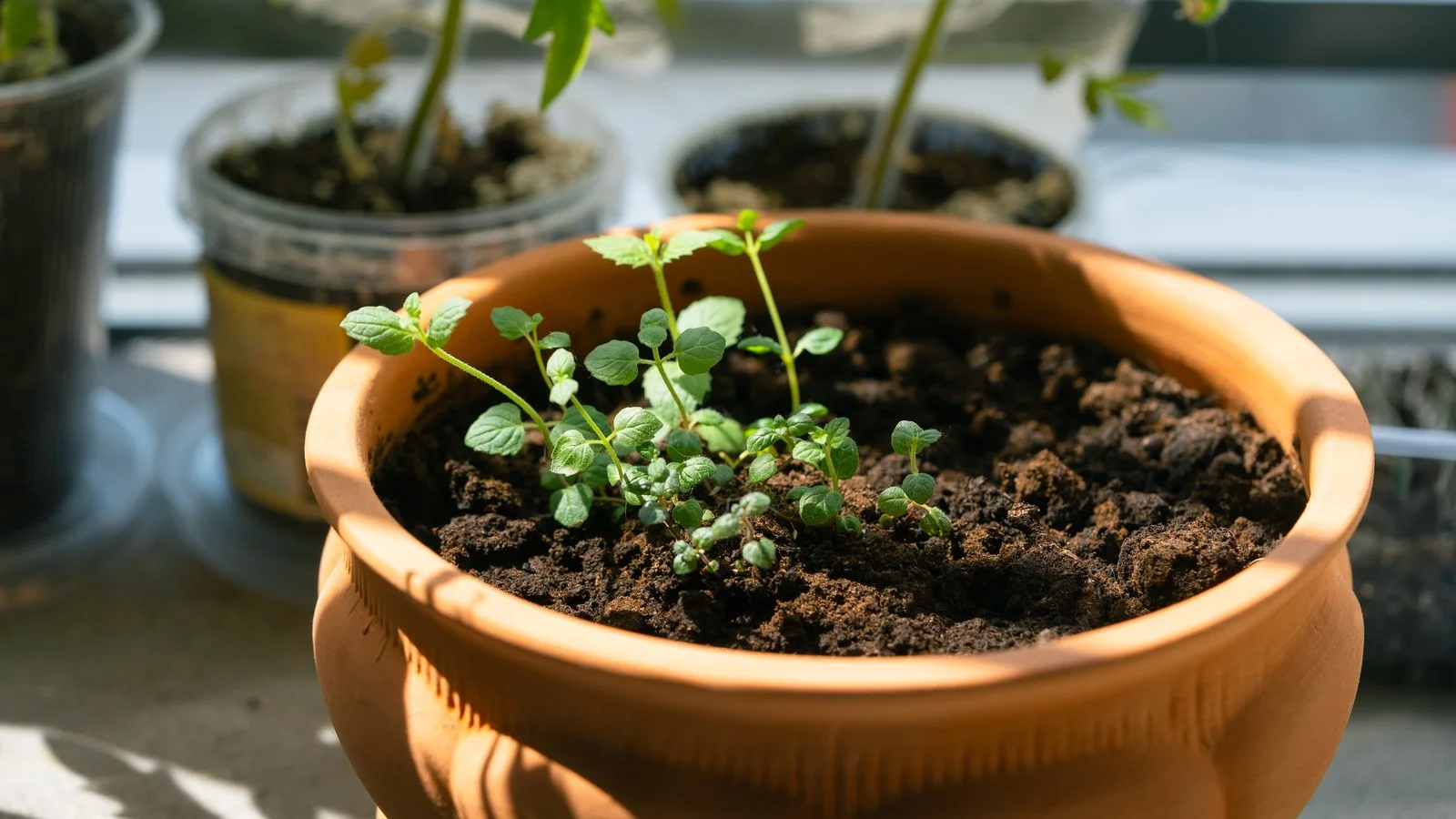
Mint can handle less direct light than many of the other herbs here, and it’s easy to start from a nursery plant or a divided clump. Its spreading growth makes one rule essential: give it its own pot. Mint can take over shared growing space, even indoors. Keep the soil lightly moist, watering as the surface begins to dry. Pinch the growing tips just above a pair of leaves; this encourages branching and can help keep the plant compact.
Mint has a natural role in tea, but it’s also useful chopped into yogurt sauce for roasted vegetables. A separate pot lets it produce without crowding neighboring herbs.
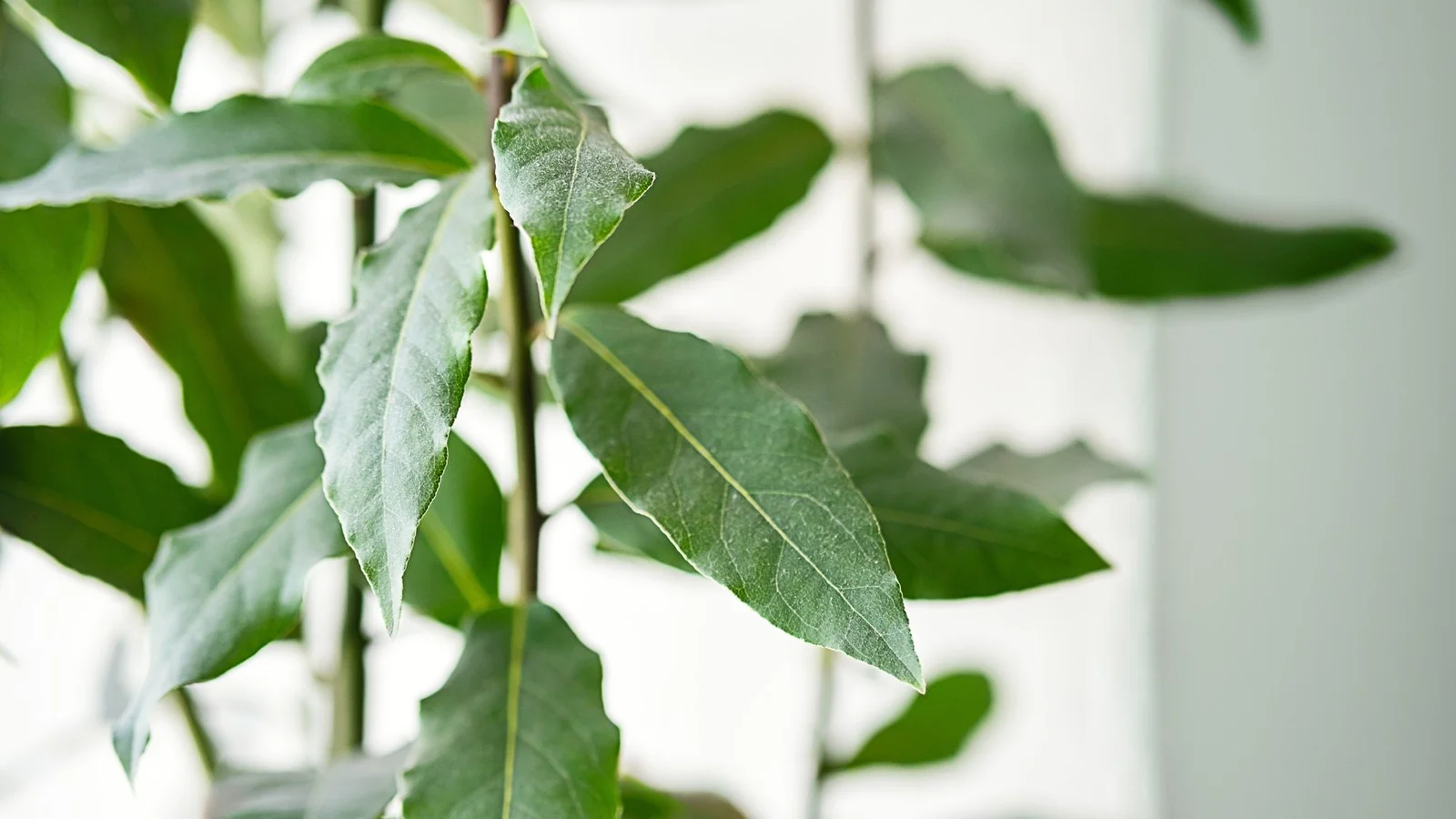
Bay laurel is a longer-term addition. It grows slowly when young, but an established container plant can supply a mature leaf at a time. Choose a culinary plant and a pot only slightly larger than its root ball. Give it bright light, keep it away from drafts, and let the soil surface dry a little between waterings. Some leaf drop can happen as a new transplant adjusts. Once settled, harvest mature leaves and leave new growth untouched; extra mature leaves can be dried whole.
Bay leaf is useful in broth, pot roast and slow-cooked meals, where it can steep as the dish cooks.
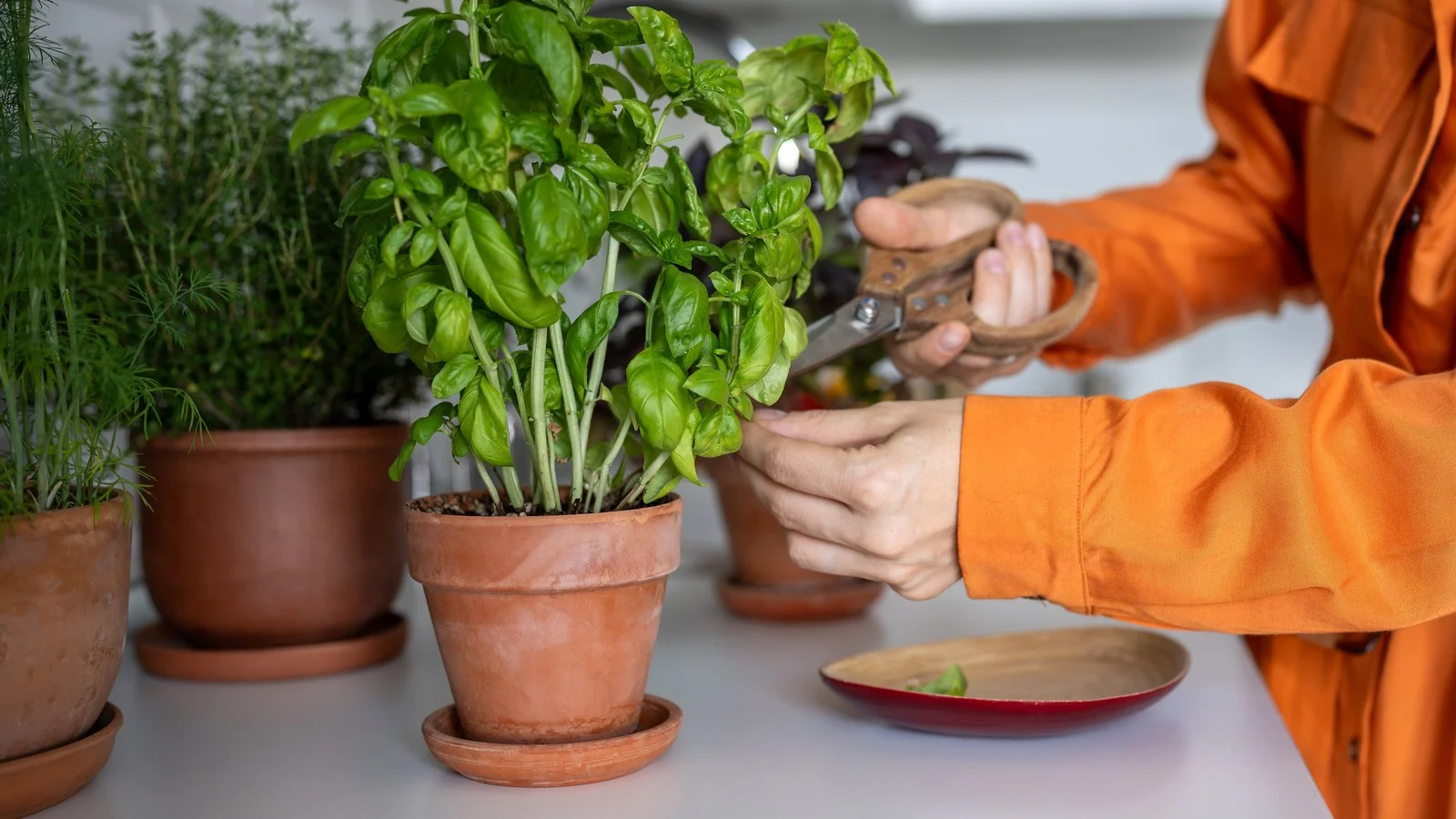
Basil needs warmth as well as light. Keep the room above 60 degrees, avoid cold drafts, and position the plant in a sunny window or directly beneath a grow light. Water when the surface of the potting mix begins to dry. Once new growth is underway, cut stems just above a pair of leaves to encourage branching. Pinch off flower buds as they appear to keep the plant producing leaves.
That warmth requirement makes basil less forgiving than herbs that tolerate cooler indoor conditions, but it can still earn its place with the right spot. Tear fresh leaves over winter tomato soup or blend them into a small batch of pesto.
Build around the conditions you have
A useful indoor collection doesn’t require every herb on this list. Begin with the light and counter space available, then choose plants that fit your cooking habits. Chives, thyme and parsley offer compact harvesting; mint needs isolation; sage and rosemary reward bright, uncrowded positions; and basil needs dependable warmth. With drainage, suitable light and watering matched to each plant, even a small kitchen can keep fresh herbs within reach through winter.



Discussion
Sign in to join the discussion.