Seattle roaster Drew Ross pairs $17 coffee bags with free neighborhood delivery, including drops by bike, van and boat.
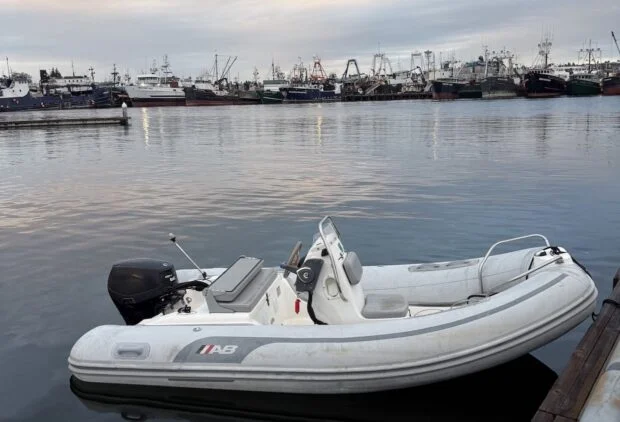
Barometer Coffee is building its Seattle business around two straightforward promises: every 12-ounce bag costs $17, and local customers can get orders delivered free. Founder Drew Ross handles the deliveries himself, sometimes by dinghy to boats moored around the city. The arrangement links the company’s pricing to its operating model: Ross keeps the work close to the business, from roasting to the final handoff.
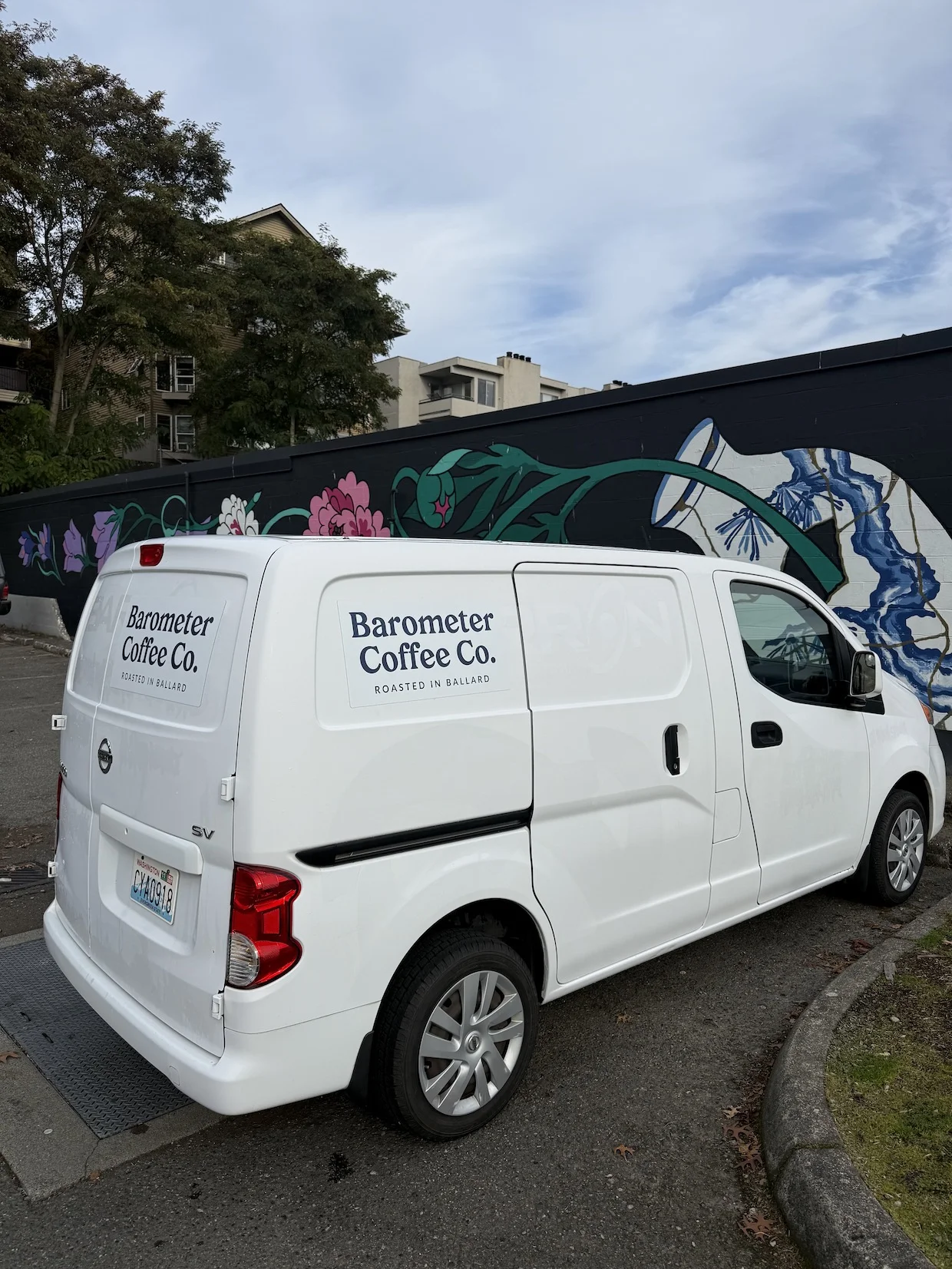
Ross relaunched the Ballard-based roastery in October after moving from California. He roasts blends and single-origin coffees on a Buckeye BC-5 in a compact warehouse, then serves retail and wholesale customers across Ballard and nearby neighborhoods by bike, van or boat. That mix of delivery methods gives the small operation a local identity, though it also means Ross’s time and the practical demands of each route are part of the service customers are buying.
All images courtesy of Barometer Coffee.
A delivery route that reaches the docks
Boat delivery serves Seattle residents who live aboard. Customers provide a marina, dock and slip number, and Ross brings their coffee directly to the boat. He told Daily Coffee News that thousands of people live on boats throughout Seattle, making dockside service a natural fit for the business. The setup makes a standard online order more personal, while asking customers to provide the location details that a street address normally supplies.
Water deliveries can take longer than trips by bike or van, but orders generally arrive the same day or within three business days. That range suggests the delivery promise allows for the realities of routing and access rather than a single fixed arrival time. Ross says the combination of coffee and boating makes these runs a particular pleasure. A distinctive route, though, still has to work as part of a repeatable business.
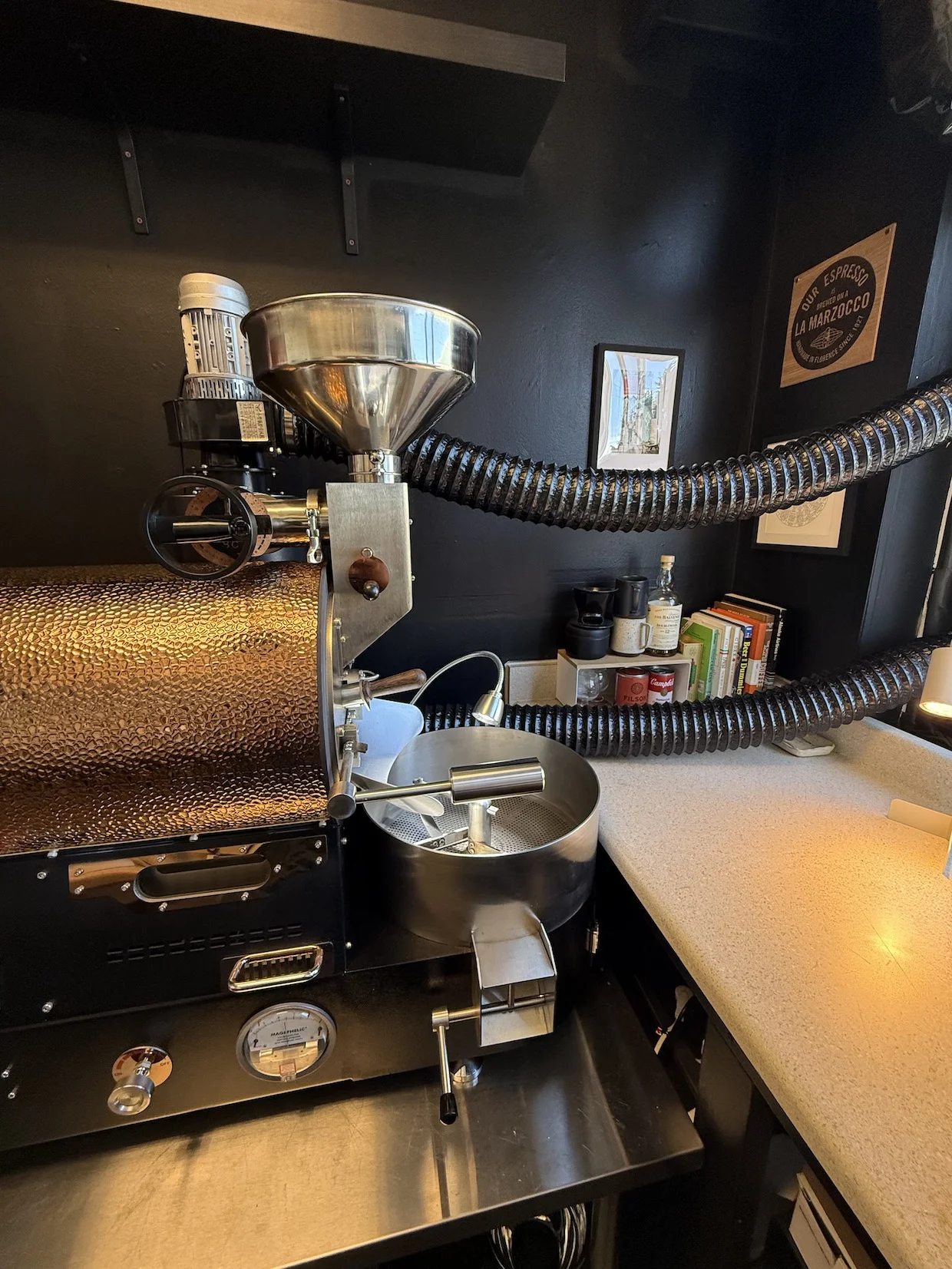
Keeping delivery free is part of a broader effort to hold down customer prices. All five coffees in Barometer’s current lineup sell for $17 per 12-ounce bag, despite differences in green coffee costs. Ross buys coffee through Genuine Origin and keeps operating costs low by running the shop and delivery routes himself. That approach gives customers a consistent price across the lineup, while placing much of the work and responsibility on the founder.
“Whatever I can do to keep quality high and ensure there’s still outstanding quality coffee in each bag, that’s really my North Star,” Ross said. The numbers here are underwhelming only if price is the sole measure of a coffee business: the more revealing choice is to make a clear, repeatable offer and keep the operation small enough to support it. Whether that balance holds as the business grows is a separate question.
From wine marketing to roasting
Ross spent years in wine marketing, working with businesses in California’s Central Coast, Sonoma County and Napa Valley. He saw a clear connection between that work and coffee: both involve varieties, growing regions, soil, climate and terroir. That background offers a way to explain coffee through place and growing conditions, familiar territory for customers who already think about wine in those terms.
He began roasting at home in 2021, while living in California and weighing a move to Seattle. Positive responses from friends and family, including people in restaurants and cafes, encouraged him to invest in the Buckeye roaster and start Barometer as a business. Personal enthusiasm helped him take the first step, but serving both retail and wholesale customers calls for a more disciplined routine than roasting for people he knows.
The move north brought a pause in operations. When the company returned in October, Ross renamed its flagship Bistro Blend the Ballard Blend while leaving the rest of the coffee program largely intact. The change ties the flagship coffee more directly to the neighborhood where Barometer now operates, giving the local business a recognizable point of reference without requiring a complete reset of its lineup.
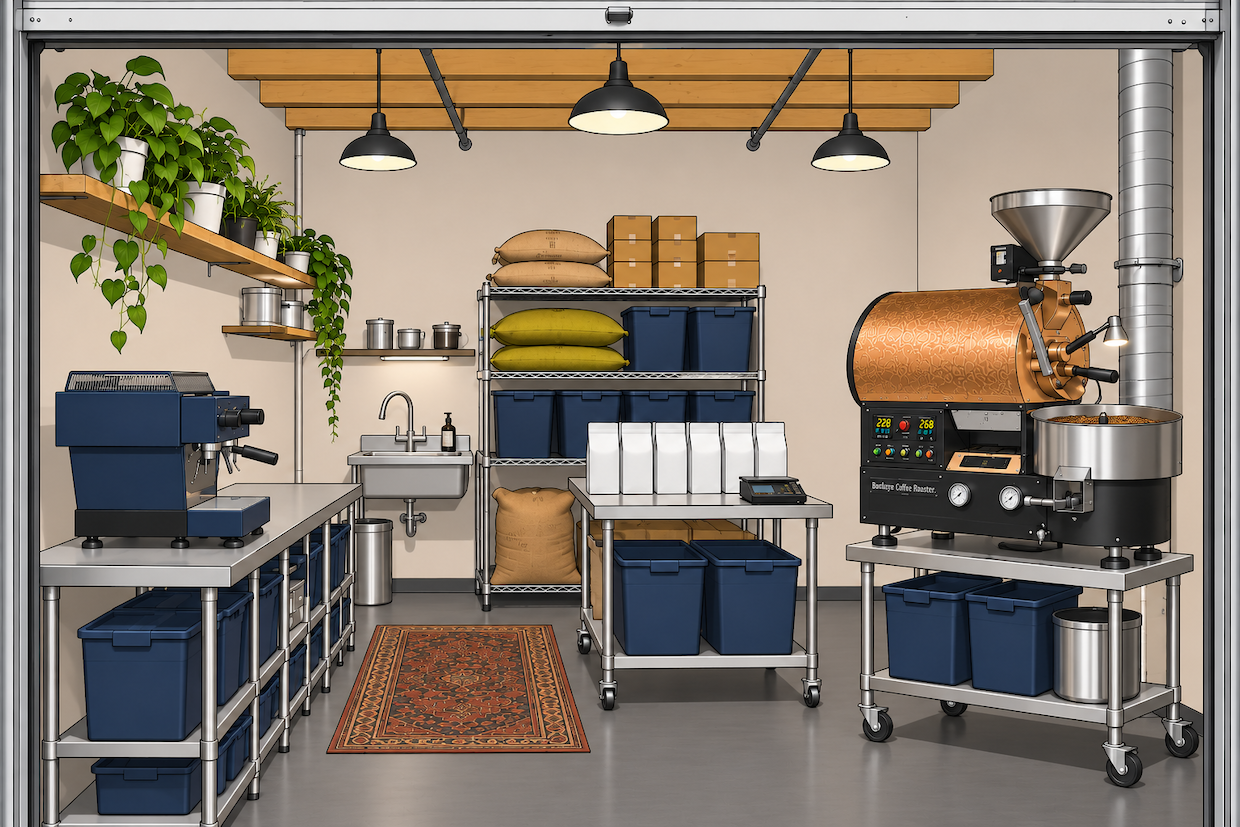
A preview of the new roastery slated to open in December 2026.
More room, same focus on price
Production is slated to move in December from a 100-square-foot space to a 200-square-foot warehouse unit in the same Ballard building. The new room will have its own garage door and space for the Buckeye roaster, an Acaia Orion bean doser, bag-sealing equipment and green coffee storage. The larger footprint gives Ross more room to organize the work around roasting and packing, while keeping the operation in its existing building.
With more production capacity, Ross plans to broaden the selection and hold pop-ups and tastings at the roastery. He’s also pursuing cafe takeovers and other retail events around the community. Those plans could give customers more ways to encounter the brand beyond a delivery, and may help Ross hear directly how people respond to new coffees. If you’re working in this space, that connection between a small production setup and neighborhood events is familiar: visibility can come from showing up where customers already gather.
Ross says the lean setup supports the current price point, and he wants to keep quality coffee affordable for Ballard for as long as possible. Here’s the thing: adding space can create room to grow, but it also makes the promise of a fixed price more demanding if production, delivery and event work all expand. (And this is the part most people overlook.) Free delivery has a cost in time even when the customer doesn’t see a charge for it. A larger room, more coffee choices and more public events could each strengthen the business, provided they fit the same careful operating model.
What the next stage will test
Barometer’s next phase will show how far a founder-led model can stretch while keeping its central offer intact. The new space is planned to support more production, and the event plans could make the roastery a more visible part of Ballard’s coffee scene. Yet roasting more coffee and reaching more customers also require time and coordination. The current approach depends on Ross doing much of that work himself.
For customers, the appeal is easy to understand: a stable bag price, free local delivery and a route that can reach a boat slip. For the business, those features are connected. They rely on keeping costs controlled and delivery close to the roastery. The coming expansion will test whether Barometer can add coffees and local activity without making its simple offer harder to sustain. A modest ambition, with a practical test ahead.
Discussion
Sign in to join the discussion.