Project Hum in Mumbai marries contemporary design with natural materials, creating a welcoming space that embodies a farm-to-table ethos.
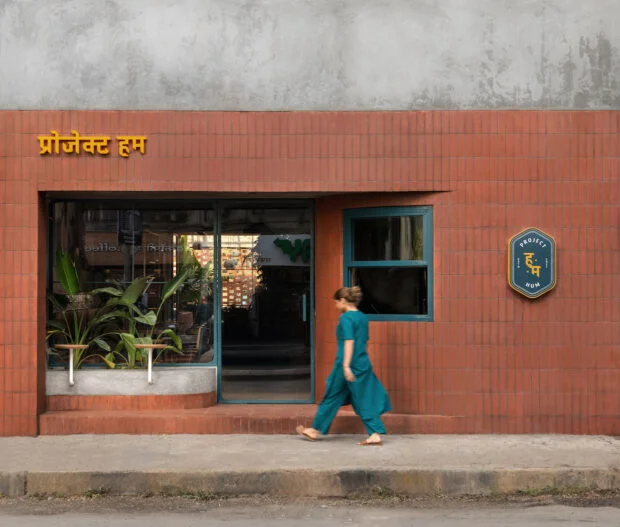
Overview of Project Hum
Project: Project Hum
Location: Mumbai, India
Area: 1,350 square feet
Completed: 2025
Client: Raghav Simha, Jatin Talreja, and Pragun Bajaj
Design: Kaviar:collaborative
Principal architects: Kasturi Wagh and Vineet Hingorani
Design team: Prachi Admane and Unnati Davda
Photography: Saurabh Suryan
The Design Journey
Project Hum serves as much more than a café; it reflects a culinary journey that emphasizes farm-to-table practices. Situated in the bustling city of Mumbai, this establishment is a reaction to an increasing urbanization where access to fresh, locally sourced food can sometimes feel like a scarcity. By showcasing farm-to-table principles, Project Hum harmonizes urban life with local agricultural practices. The design, shaped by Mumbai's Kaviar:collaborative, integrates local materials, creating a space that is not just a place to eat but a physical embodiment of freshness and organic values. A terracotta-lined pathway guides visitors from a welcoming veranda entrance, through an open kitchen and communal work table, ultimately leading to a sunlit backyard. This thoughtful layout encourages patrons to engage with the food up close, making the preparation process a part of the dining experience.
Materials and Aesthetic
“The design is a confluence of contemporary forms meeting vernacular, rustic materials and textures,” the principal architects explained. Their choice of materials—terracotta bricks, lime and concrete plaster, along with Indian Patent Stone—brings a tangible warmth to the space, contributing to an atmosphere that feels rooted in local culture. Each element doesn’t just serve a cosmetic purpose; it signifies a commitment to sustainability. Materials sourced within the region minimize carbon footprints and support local artisans. This aesthetic resonates with the changing demands of modern consumers, who increasingly value authenticity and sustainability in their dining experiences. If you're working in this space, understanding the significance of material choice is paramount. It's not just about looks; it's about what message you send with those choices.
Spatial Organization
The café's narrow, linear footprint connects the street to a serene backyard, demanding thoughtful planning for customer and service flow. With millennial and Gen Z customer preferences shifting toward transparency and engagement, Project Hum’s designers prioritized a methodical and intuitive approach to zoning. Creating a comfortable navigation experience is crucial—not just for aesthetics but for enhancing customer satisfaction. “The design embraces the concept of order within chaos,” they noted, which is key for an efficient and enjoyable client experience. This method ensures that despite the possibly chaotic setting of Mumbai, guests find a refuge where every corner promotes ease of movement and interaction.
Functional Spaces
Distinct areas within Project Hum cater to varied customer needs. A quick-service pickup and takeaway window accommodates those on the go, a nod to the increasingly fast-paced lifestyle that urban dwellers lead. These considerations show an acute awareness of market demands: many consumers are looking for convenience without sacrificing quality or values. Beyond that, other seating arrangements are in place that allow patrons to immerse themselves in culinary craftsmanship from the open kitchen. The communal table, dubbed “Work from Hum,” sits amidst greenery, striking a balance between work and relaxation. This multifaceted design acknowledges that the modern café is often more than just a place for meals; it’s increasingly a workspace or social hub, reflecting the diverse needs of its clientele.
The Backyard and Community Focus
At the rear, the café unfolds into a tranquil space filled with greenery and abundant sunlight, ideal for leisurely dining. This garden oasis serves multiple purposes, as an amphitheater doubles as seating, and transforms into a flexible space for community events. This reinforces Project Hum's commitment to community engagement—a principle that’s resonating with consumers today. The hospitality industry has witnessed a shift; cafés and restaurants are now expected to serve as community hubs. This setting effectively cultivates connections among visitors, highlighting the café’s role beyond mere food service. It promotes interaction and shared experiences, ultimately enhancing the value this space offers.
Implications and Future Outlook
With its blend of thoughtful design, natural materials, and community spirit, Project Hum stands out as a unique café experience that sets the stage for connection, nourishment, and growth in the heart of Mumbai. However, what this means for the broader culinary and architectural trends is significant. As urban spaces continue to evolve, establishments like Project Hum may serve as models for future developments. In a time when sustainability is no longer just a buzzword but a necessity, the emphasis on local sourcing and eco-friendly design choices can act as a blueprint for others in the industry. And yet, the success of such spaces hinges on how well they adapt to ongoing urban challenges, including rising customer expectations and socio-economic factors. For designers and business owners, the need to strike a balance between artistry and functionality remains paramount. Project Hum could propel a paradigm shift if it manages to merge healthy culinary practices with a compelling customer experience. The stakes are high; standing still isn’t a viable option in the competitive landscape of hospitality.

Discussion
Sign in to join the discussion.