Wendra Lynne's second picture book traces one coffee bean's journey, tying shade-grown farming to conservation and the everyday choices behind a cup.
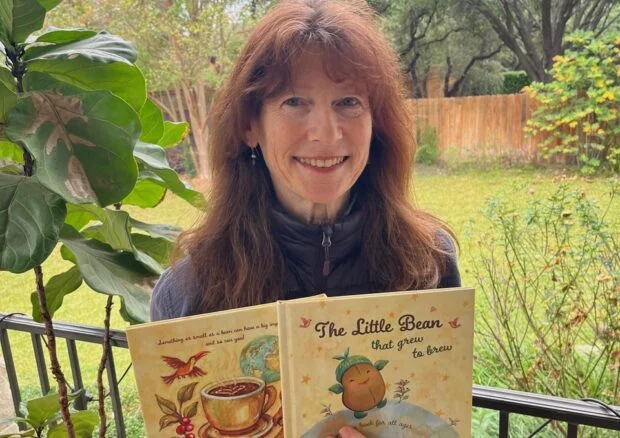
Most children's books about coffee stop at the cup. Wendra Lynne's new picture book, The Little Bean That Grew to Brew, starts in the soil and asks what happens to the forest, the farmer, and the birds along the way. It's a small book with a big argument, and it's worth paying attention to, especially for anyone who thinks about how coffee is grown.
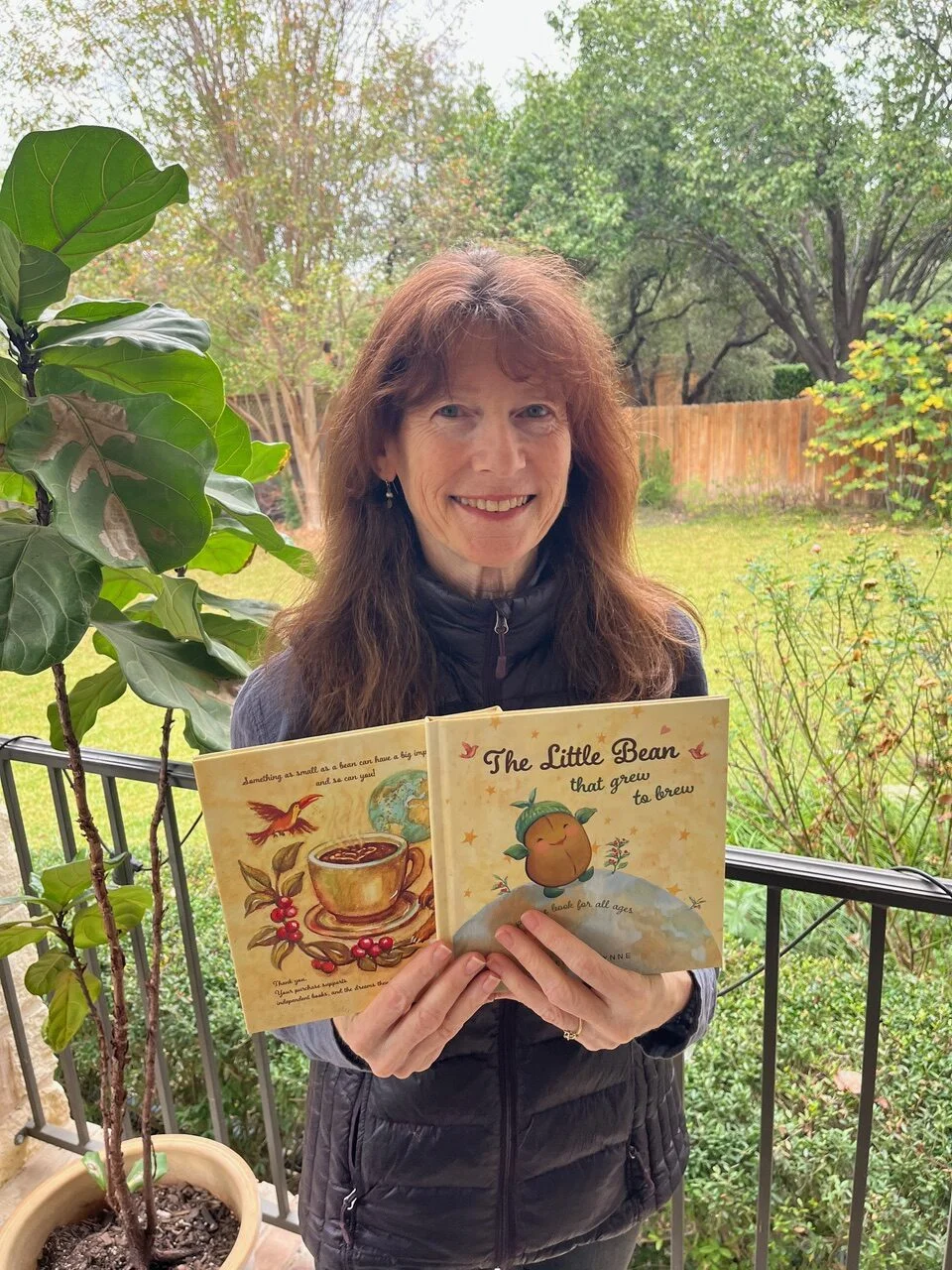
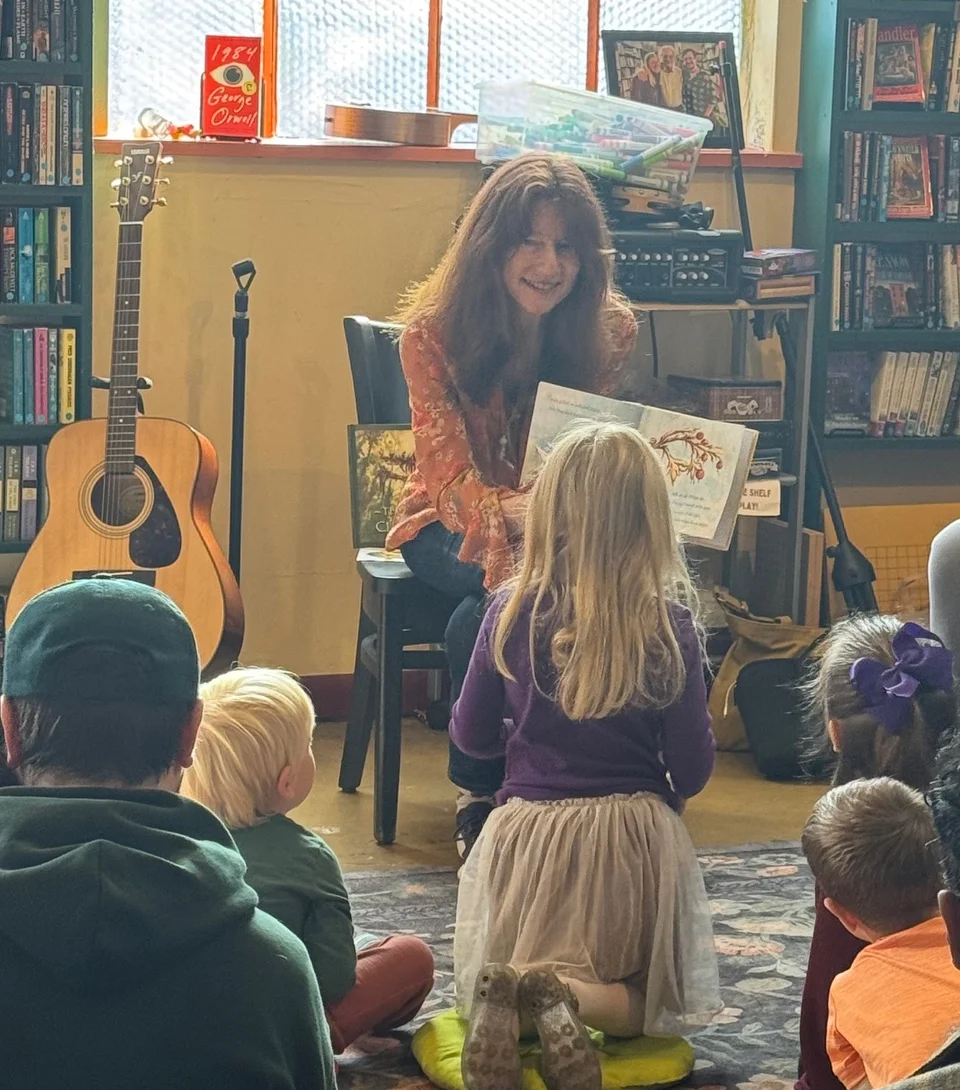
“The Little Bean That Grew to Brew” author Wendra Lynne. All images courtesy of Wendra Lynne.
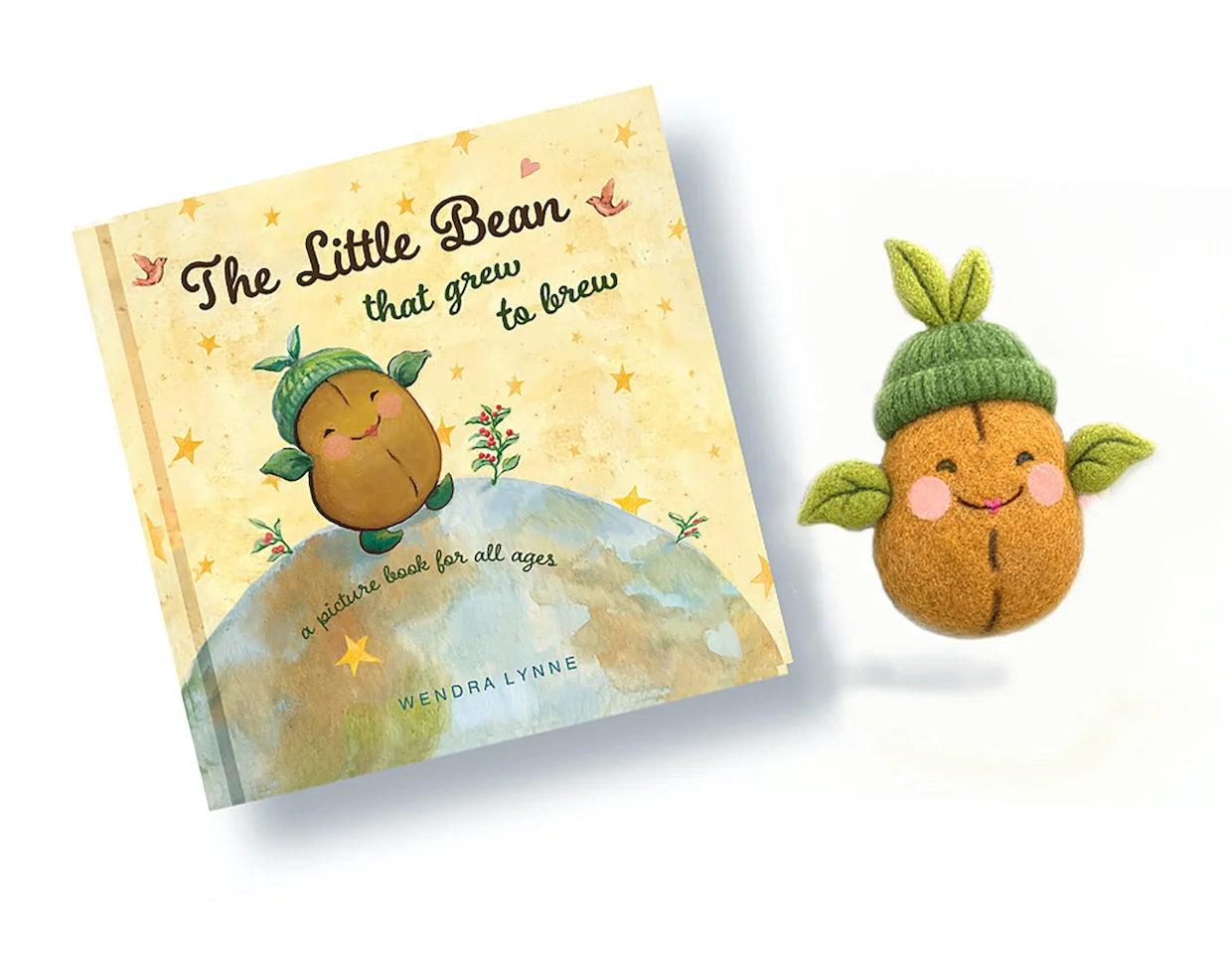
The book follows a single bean from seed to cup. Along the way, its growth becomes a vehicle for resilience and for the connections between coffee production, farming communities, wildlife conservation, and the environment. Lynne self-published the project after a successful Kickstarter campaign, and that independence shows in the book's direct, unhurried tone.
"At its heart, the book is about resilience, perseverance and purpose," Lynne told me. "It reminds readers that even when you're small, or feel small in the face of big challenges, you can still make a big difference. Thoughtful everyday choices, especially when made by many people, can have a surprisingly powerful impact."
From Advertising to Watercolor
Lynne splits her time between Seattle and Austin, Texas, and she's been making art for as long as she can remember. Her professional life has run through advertising, production design, and art direction. She was a longtime member of the Art Directors Guild and spent years on national advertising campaigns for large companies.
That background left her with a pointed observation. "Along the way, I sometimes found that the values behind the products I was helping promote didn't always align with my own," she said. "I think that experience helped inspire my desire to create books that encourage consumers to see how the everyday choices they make can have a meaningful impact."
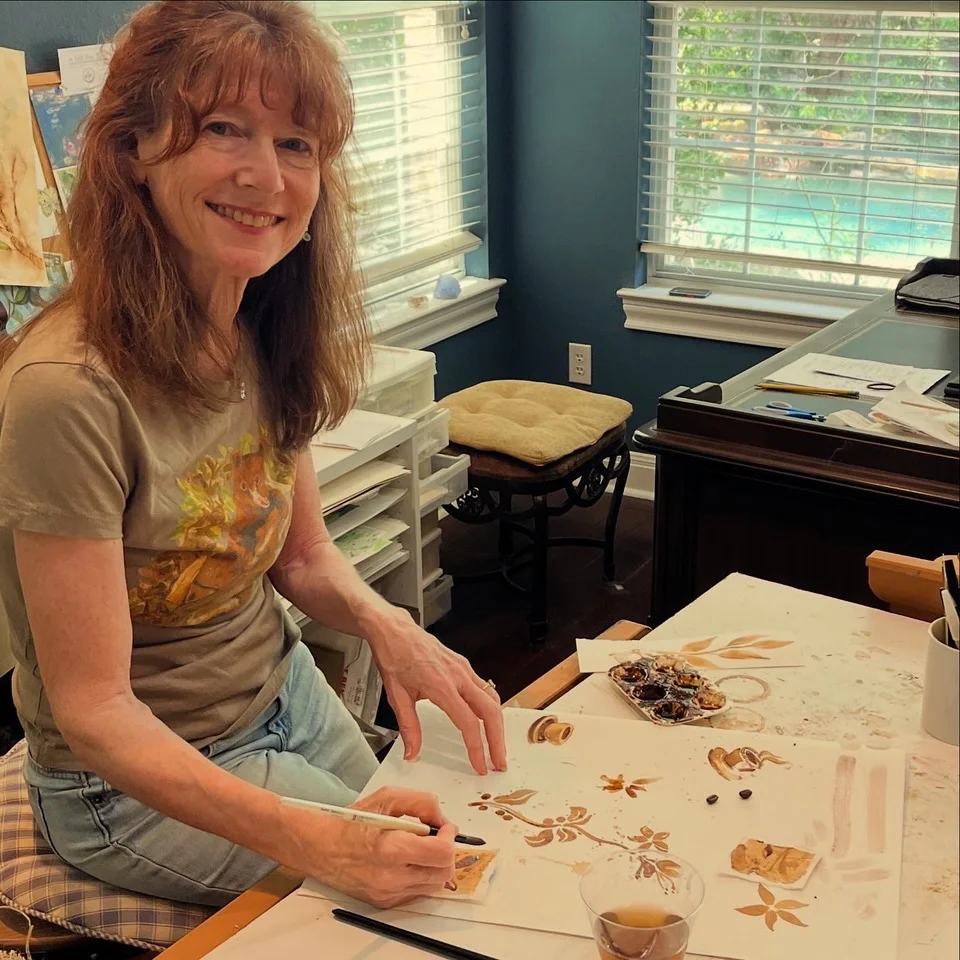
Coffee entered her work by accident. Lynne works across many media, but she was mostly painting in watercolor when coffee spilled in her studio. The warm, rich tones of the spill sat well against the paint, and she started experimenting with combining the two.
That technique carried into her first picture book, "The Wondrous Cloud Forest," which covers conservation in Papua New Guinea. The story draws on the Tree Kangaroo Conservation Program, and that project, along with other coffee-linked conservation work, helped shape the new book too.
Why Shade Matters in the Story
The shade-grown argument is the spine of the book, and Lynne makes it in plain terms. "The forest floor provides habitat for countless smaller creatures, while the tree canopy offers nesting places for migrating birds," she said. "Trees also help store carbon, protect soil, and support the broader ecosystem. In short, shade-grown coffee can do much more than produce a delicious cup. It can help keep forests alive and thriving."
The hardcover is a 7-inch square and sells directly through TheLittleBean.org, where readers can preview it in a digital flipbook. Lynne is also placing copies in independent coffee shops, and she says those shops have already come back for restocks. For a self-published children's book, that kind of repeat business matters more than a big launch.
Three Questions With Wendra Lynne
What about coffee excites you most?
I've always loved the smell and taste of coffee. But what excites me even more is coffee's ability to connect us. It brings individuals together, and even creates connections across cultures and continents. It's wonderful that something that begins with a little bean can bring so many people together and bring joy.
What about coffee troubles you most?
I'm troubled by how little many consumers know about the impact of their coffee choices, and by the complicated relationship between coffee and climate change. Coffee is both affected by a changing climate and, depending on how it is grown, can contribute to either environmental harm or positive change. I wish more consumers understood that the way coffee is cultivated matters, not just for the quality of what's in their cup, but for the future of the communities and ecosystems that sustain it.
What would you be doing if it weren't for coffee?
As a multidisciplinary artist, I'm fortunate to already wear many creative hats. I teach watercolor painting as a form of meditation, helping people reconnect with their creativity and build self-confidence. I also design magnifying necklaces featuring natural crystals, combining beauty and function in a playful way. Underlying much of what I create is a desire to broaden our perspectives and help people see the world, themselves, and one another with a little more curiosity and compassion. I've also discovered that the coffee community is filled with people who share a genuine appreciation for nature, connection, and hospitality. That combination of caring for people and caring for the land is what inspired me to write and illustrate books that celebrate and help preserve the legacy of thoughtfully grown coffee.
My read is that Lynne's work lands because it doesn't lecture. It starts with a spilled cup of coffee and a watercolor experiment, and it ends with a reader who has a clearer sense of what happens between the farm and the kitchen table. For a category of books that rarely gets serious about agriculture, that's a useful model, and the coffee shops selling it may find that young readers ask their own questions about where the beans come from.

Discussion
Sign in to join the discussion.