Explore key strategies for terminating cover crops while preserving soil health and biomass, tailored to varying climates and specific crop types.
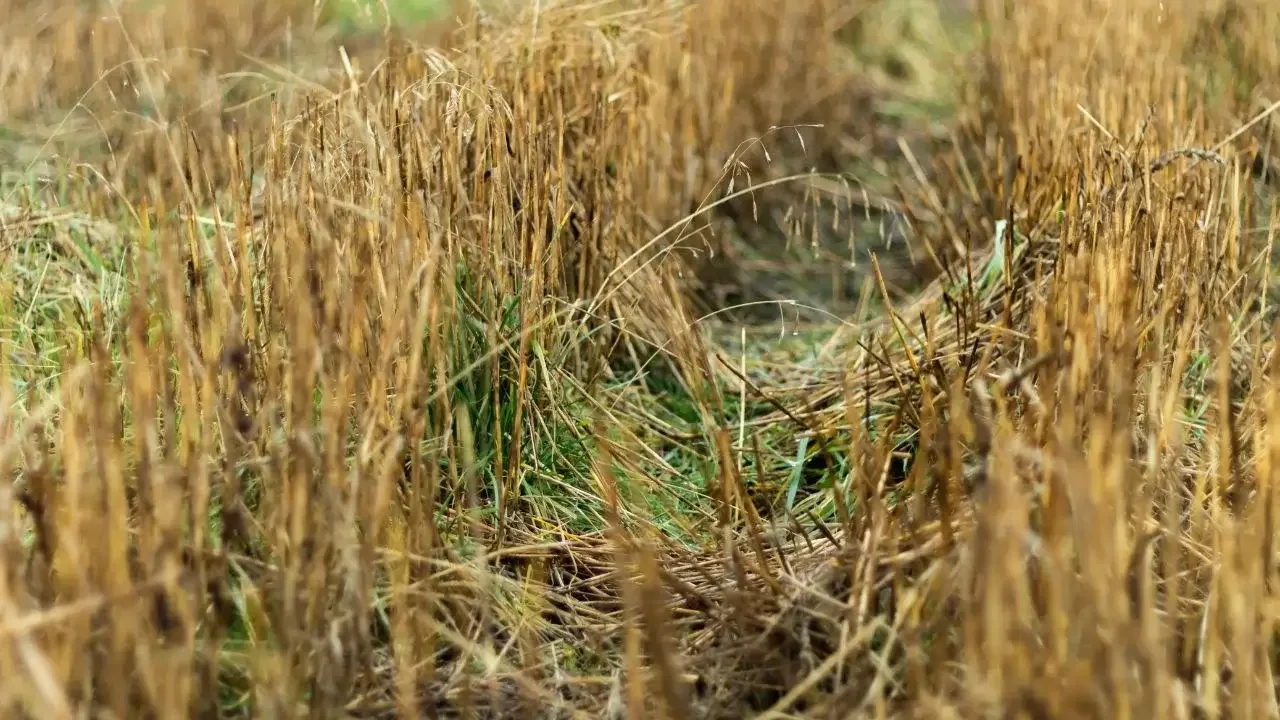
Successfully terminating cover crops requires precision, with different methods suitable for various crops and local climatic conditions. Timing and technique are paramount, as premature or delayed termination can jeopardize the soil biomass that farmers meticulously cultivated throughout the growing season.
Understanding your farming goals is essential in this process. Consider the succeeding crops, the available tools, and the overall agricultural practices on your farm. These factors should ideally be integrated into the initial planting strategy. While it may seem daunting, farmers often handle these considerations during their routine operations.
Key Considerations for Termination Timing
The timing of crop termination significantly influences the health of the subsequent harvest. For instance, if your soil tends to dry out, terminating cover crops a couple of weeks before planting the next crop tends to be most effective. Conversely, if conditions allow, you can plant directly into the cover crop and kill it post-emergence of new plants. In scenarios where pests are prevalent, a lead time of three to four weeks before planting is advisable.
An important rule of thumb is to terminate cover crops before they reach the seed stage. This prevents regrowth and simplifies future management.
Choosing the Right Termination Method
Determining the best termination method is crucial. Though each method can be effective, the focus should be on enhancing soil biomass during this process.
Mowing
Mowing is a straightforward and swift method for code cover crops while retaining roots in the soil for biomass enhancement. The aim is to cut the crop as closely to the ground as possible. Opting for a mower with multiple blades ensures that the resulting plant matter decomposes easily.
Farmers cultivating crops such as barley, cereal rye, and vetch will typically experience fewer challenges with mowing, provided they're cautious about timing. It's optimal to mow when flowering begins but prior to seed formation. Additionally, manual planting is recommended after mowing to avoid issues with drill planting in multi-directionally rooted plants.
Natural Kill
For those farming in colder regions, allowing winter to naturally kill cover crops through freezing is an option. This strategy is ineffective in milder climates lacking persistent cold weather. When utilizing this method, early planting is vital to ensure flowering a few weeks before anticipated freezes, generally achieved by mid to late summer.
Cover crops like oilseed radish, sorghum, buckwheat, and field peas perform well under this strategy. However, crops like oats and rye may need alternative termination methods as they could survive winter conditions and potentially complicate subsequent planting.
Tilling
Tillage remains a viable termination strategy for cover crops resistant to winter freezes or mowing, although it often undermines soil health gains. A specialized tiller designed for vegetation can effectively terminate cover crops; however, this method eradicates roots from the ground, which may compromise soil biomass.
This method is particularly useful for persistent cover crops like winter rye that continue to grow unless physically removed. In warmer climates, tillage could serve as a practical alternative to relying on winterkill.
Roller Crimping
Roller crimping offers another effective technique for terminating cover crops while preserving many soil benefits. This method involves flattening the cover crop material against the soil, with the roller’s blades chopping the biomass to facilitate decomposition. Timing is critical; the best results are achieved when crops reach the reproductive stage, as this minimizes regrowth while simultaneously promoting soil biomass.
However, this approach is more suited to annual cover crops, as the roots of perennials and biennials will remain in the soil, which could impact future cropping strategies. Additionally, growers need to consider equipment availability, as roller crimpers are designed for larger tractors, which may not be practical for smaller farms.
Grazing
Grazing represents a natural and effective termination method for cover crops, especially when the crop serves as nutritious forage for livestock. Growers should aim for a planting density of 150% to 200% for optimal grazing success. Livestock like dairy cows benefit most from early growth stages, while other livestock such as beef cattle can more effectively graze winter crops.
Nevertheless, managers must account for several factors when grazing. Cattle should be let onto fields only when conditions are dry, as wet conditions can deplete soil biomass. Caution is also warranted during cool, cloudy weather as this could lead to elevated nitrates that may be harmful to livestock. The most effective grazing happens when herds are confined in a small area on a dry, sunny day for brief sessions.
In sum, the method for terminating cover crops will vary based on multiple factors including climate, crop type, and soil health aspirations. Each termination strategy possesses its own set of advantages and considerations that play a pivotal role in achieving a successful transition from cover crops to the main crop, ultimately sustaining and enhancing soil integrity.

Discussion
Sign in to join the discussion.