The Sidecar cocktail's charm endures as a favorite, thanks to its rich history and versatility in modern mixology.
Classic Cocktail Revival
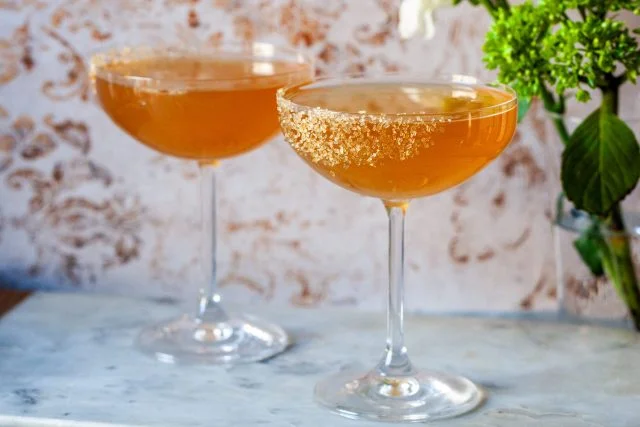
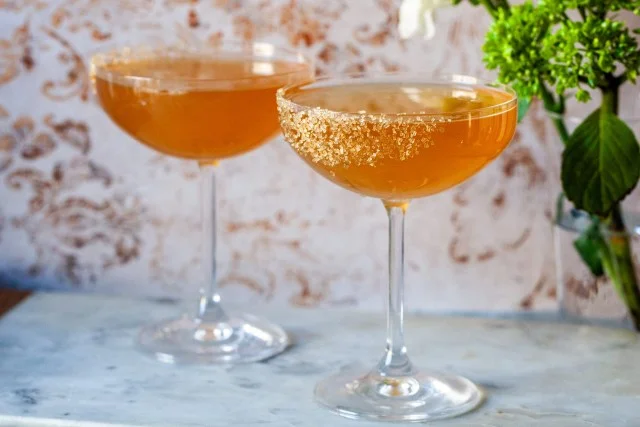
The Sidecar continues to shine as a classic cocktail, captivating enthusiasts with its blend of history and taste. Its origins date back to the 1920s, a time buzzing with cocktail creativity, heavily influenced by the Prohibition era in the United States, which ironically spurred a wave of cocktail culture in speakeasies across the nation. However, similar to the storytelling from my kids about homework, the precise tale behind the Sidecar's creation features multiple interpretations. Some say it was concocted in Paris, while others point to London or even New York as its birthplace. Regardless of where it originated, the Sidecar remains a testament to the enduring appeal of simple yet sophisticated drinks.
The Ingredients Matter
What’s particularly interesting about the Sidecar is its ingredient list: brandy, orange liqueur, and freshly squeezed lemon juice. This trinity not only allows for considerable variation but also means that bartenders can put their own spin on the drink. While Cointreau is a popular choice for the orange liqueur, some mixologists prefer Grand Marnier or even less conventional liqueurs. Each selection can drastically alter the final taste, leading to a myriad of adaptations.
The balance of strong and sour, along with a hint of bitterness from the liqueur, creates a complexity that many modern cocktails lack. Traditional recipes lean toward equal parts of each ingredient, making the Sidecar not only approachable but also an excellent gateway cocktail for those looking to explore the world of mixology. If you’re working in this space, this is a crucial point to consider: simplicity in the recipe can lead to complexity in flavor, something many contemporary cocktails miss out on.
A Personal Favorite
My passion for cocktails has always been about sharing delightful experiences—whether it's relishing Porch Swings or indulging in a perfectly crafted Manhattan. The Sidecar has become a personal favorite in recent months, demonstrating its versatility and allure in today's cocktail culture. It's the kind of drink that feels both elegant and relaxed, making it suitable for various occasions—from casual get-togethers to formal dinners.
One of the reasons for the cocktail's resurgence could be the increasing interest in home bartending. With the pandemic keeping many of us at home, more cocktail aficionados are experimenting behind their own bars. The Sidecar's straightforward preparation makes it an ideal choice for novice mixologists eager to impress guests without getting in over their heads. There’s an accessible sophistication to it that clearly resonates in today’s marketplace.
This isn't just a case of nostalgia. The revival of classic cocktails like the Sidecar reflects a broader trend toward artisanal and craft approaches in the beverage industry. Whether it’s hand-cut ice, organic ingredients, or specialty bitters, consumers are increasingly looking for quality and authenticity in their drinks.
The Sidecar in Context
In examining the Sidecar within the context of cocktail history, it's essential to recognize the cultural factors that contributed to its creation. The 1920s were marked by both turmoil and creativity, with the impact of World War I still fresh and the rise of the Jazz Age injecting a sense of exuberance into nightlife. Cocktails like the Sidecar are emblematic of the era's social shifts—people sought to escape into the vibrant world of speakeasies, where skilled bartenders were gaining notoriety for their craft.
This background also raises interesting questions about the narratives tied to cocktails. The Sidecar, much like others from the same era, is ripe with stories of flamboyance and rebellion, and these tales add to its appeal, attracting enthusiasts who value a drink's backstory as much as they do its flavor profile. After all, the act of sipping a cocktail isn’t just about the drink—it's about connections with others, shared histories, and personal experiences.
Implications and Future Outlook
The resurgence of the Sidecar and similar classic cocktails is significant in several ways. First, it highlights a shift in consumer preferences toward authenticity and craftsmanship in food and drink. Modern drinkers aren't just looking for beverages that are tasty; they want something that connects them to a narrative or tradition. The Sidecar, with its intertwined history, offers just that.
Moreover, the popularity of classic cocktails can serve as a barometer for broader trends in the beverage industry. As more mixologists turn to past recipes for inspiration, we might see a decline in overly complex modern cocktails that often prioritize style over substance. For many, a return to the classics offers a refreshing antidote to cocktail pretentiousness, fostering a communal spirit where everyone can appreciate and share good drinks.
As we move forward, the awareness of classic cocktails like the Sidecar suggests an ongoing dialogue between past and present. Since there's been a marked uptick in consumers interested in cocktail culture, we can expect to see more established bars incorporating these legendary drinks into their menus, alongside contemporary interpretations that still respect the original ethos. It's exciting to think about what this means for the future of mixology.
Discussion
Sign in to join the discussion.