Mastering Eggplant Parmesan: Techniques for Perfect Flavor and Texture
Published Jul 30, 2026Reads 864By Rachel Dolfi
Discover the secret to a lighter, flavor-packed Eggplant Parmesan with proper brining and ingredient choices for an unforgettable dish.
Unpacking the Eggplant Parmesan Experience
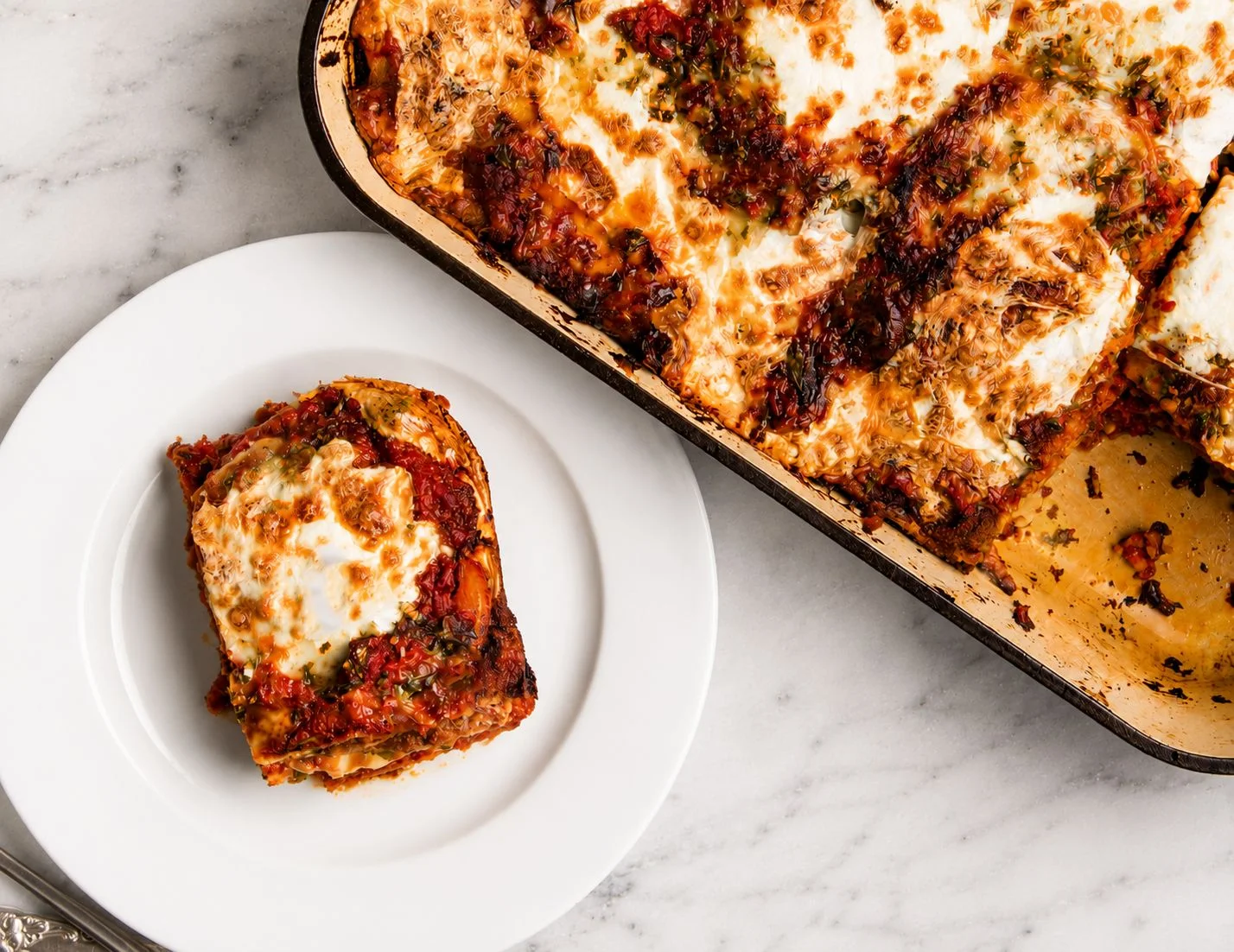
Eggplant Parmesan isn’t just a dish; when executed well, it’s a harmonious blend of flavors and textures that elevates it beyond mere comfort food. This classic Italian-American recipe achieves its signature profile through crispy, golden-breaded eggplant, adorned with a rich tomato sauce and melted mozzarella that bakes up enticingly brown and bubbly. However, this isn’t your typical version — it includes a crucial wet brining technique that renders the eggplant creamy and tender rather than greasy, allowing for a delightful bite that you can’t easily replicate without it.
If you’ve ever struggled with eggplants turning out too oily, you’ll find the secret is surprisingly straightforward: by soaking the eggplant in saltwater rather than the more common method of salting and draining, you allow the vegetable to absorb flavor without succumbing to undesirable greasiness. This results in a dish that is as indulgent but notably lighter and more texturally appealing.
Choosing the Right Ingredients
When picking eggplants, opting for the smaller Italian variety is often better than the larger globe eggplants. These have thinner skins and fewer seeds, contributing to a sweeter flavor that allows the eggplant to cook up tender and melt-in-your-mouth delicious. Similarly, selecting whole-milk, low-moisture mozzarella is essential; it melts beautifully while ensuring the final dish doesn’t turn into a watery mess. Avoid pre-shredded varieties, as they often contain anti-caking agents that can inhibit the ideal silky melting properties you’re after.
Whether you're planning this for a cozy family dinner or preparing it as a make-ahead option for guests, allowing the casserole to rest for about 15 minutes before slicing is key. This brief waiting period firms up the layers, ensuring each piece holds together nicely — allowing for clean servings and a refined presentation.
Eggplant Parmesan FAQs
Questions often arise when cooking this dish, so it’s worth considering a few common queries right from the start. For instance, why soak the eggplant rather than simply salting it? This innovative brining process not only seasons the vegetable but also prevents it from absorbing too much oil during frying, ensuring every bite is creamy instead of oily.
What’s more, can other varieties of eggplant suffice? While smaller Italian eggplants shine in this recipe, alternatives like Chinese or Japanese eggplants can work well too; just make sure to adjust the size of your slices to fit your baking dish.
And if you're wondering about using fresh mozzarella, think twice. To maintain optimal texture, low-moisture mozzarella is recommended. Fresh mozzarella tends to release liquid while baking, which could result in a soggy dish rather than the golden-brown crust you desire.
In terms of preparation strategy, you can actually prepare this dish ahead of time. The tomato sauce can be made and stored for several days, and the casserole itself keeps well whether refrigerated or frozen, which is a major plus for busy home cooks.
Finally, why let the dish rest after cooking? This crucial step allows the layers to set, making slicing more manageable and letting the eggplant absorb any lingering moisture — key in achieving the perfect bite.
By taking the time to understand these nuances, you’ll not only enhance the taste and presentation of your eggplant Parmesan but also familiarize yourself with the intricacies that separate a good dish from a remarkable one. If you’re passionate about elevating your culinary skills, this recipe is a worthy endeavor that promises to impress.
Final Thoughts on Eggplant Parmesan
What’s significant about this recipe isn't just the technique—it's the culmination of layers and textures that elevate a common dish into something memorable. Eggplant Parmesan exemplifies how traditional cooking methods can lead to extraordinary outcomes. The way the eggplant is prepared by dredging and frying creates a crunchy exterior that beautifully contrasts with the rich layers of sauce and gooey mozzarella. If you’re cooking at home, embracing these details makes all the difference.
As you navigate the process, remember that timing and frying in batches are key. Overcrowding your skillet can lead to uneven cooking, which you definitely want to avoid. That said, don’t hesitate to double up your skillets if you’re short on time; speed doesn’t have to compromise flavor.
Once you've layered everything and let it bake, the culmination is a dish that not only sings with freshness but also has the comforting familiarity of home cooking. Allowing it to rest for a few moments ensures every bite is just the right texture.
In the end, recipes like this don’t just fill your belly—they tell a story of culinary tradition that many appreciate. As food enthusiasts search for more inspired iterations of classics, taking a fresh look at beloved dishes will keep everyone coming back for seconds.
For additional delights with eggplant, check out more recipes [here](https://www.bonappetit.com/gallery/eggplant-recipes). This dish has been refined through feedback and testing, showcasing how culinary practices evolve while remaining rooted in tradition. Do take advantage of this tested recipe—you won’t regret it.

Discussion
Sign in to join the discussion.