Discover a simple recipe for homemade harissa, a versatile condiment that enhances various dishes with its smoky, sweet, and spicy flavor profile.
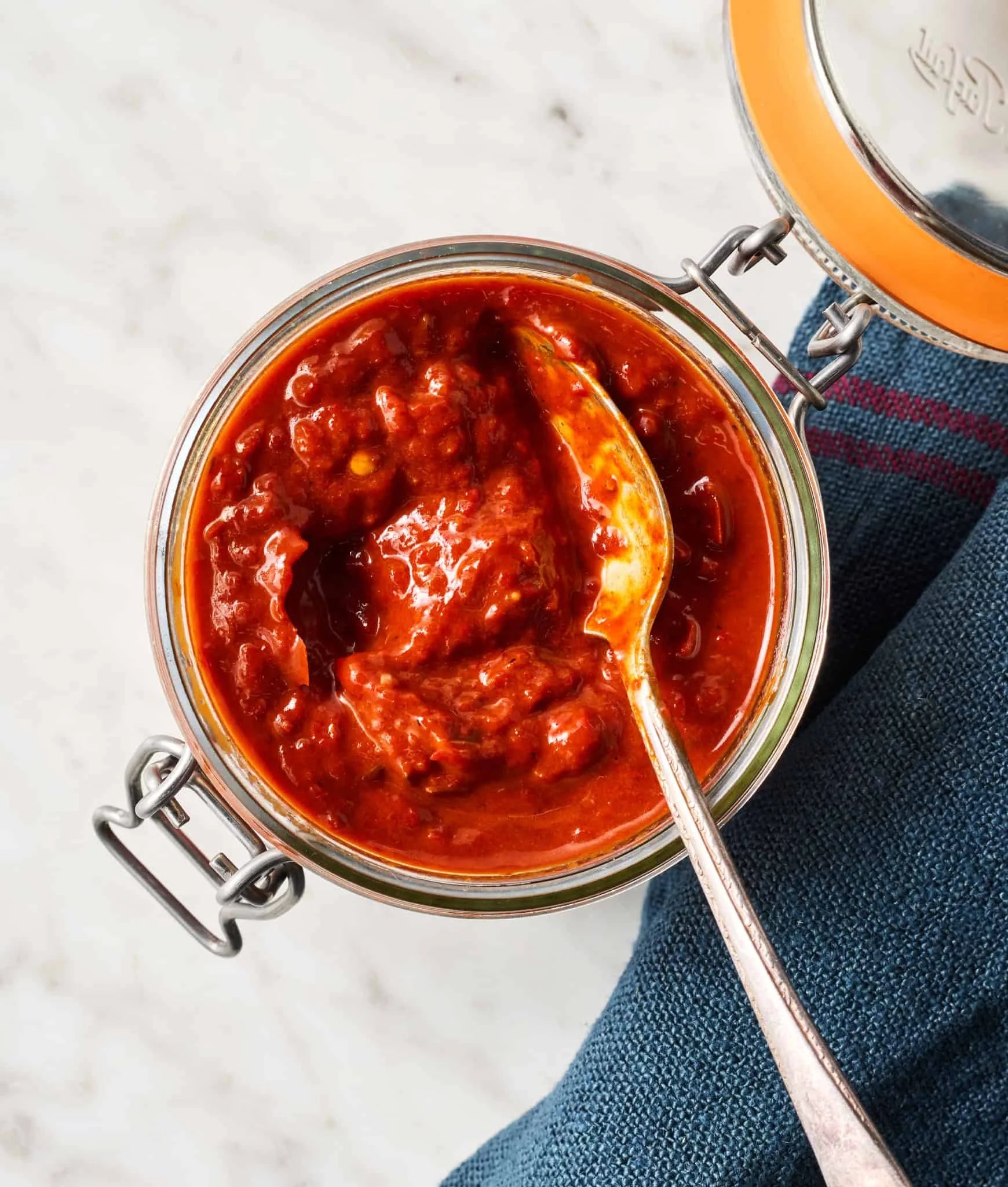
Say goodbye to standard condiments like ketchup and hot sauce; homemade harissa is a standout addition to any kitchen. This North African chili paste combines roasted red peppers, dried chiles, aromatic spices, garlic, and a splash of lemon for a blend that’s both sweet and smoky, topped off with a gentle heat. What sets harissa apart from other condiments is its rich flavor profile and versatility. Chefs and home cooks alike are increasingly turning to this unique paste, not just for its taste but for the culinary creativity it inspires.
Flavor Versatility
Harissa is incredibly adaptable. You can find it pairing beautifully with a wide range of ingredients and cuisines. I enjoy mixing it into shakshuka for an added layer of spice, spreading it on falafel wraps, and using it as a vibrant topping for roasted vegetables. It blends well with yogurt, offering a zesty marinade for meats, or acting as a dip for breads. You'll often see chefs incorporating it into vinaigrettes or sauces to elevate the standard flavor. Simply put, if you're looking to enhance a dish or experiment with bold flavors, this harissa recipe is a go-to.
But let’s break it down a little further. While harissa is often celebrated for its heat, it’s the complexity of flavors that makes it special. The smokiness from roasted peppers, the depth from spices like cumin and coriander, and the brightness from lemon come together to create a condiment that can totally transform a dish. Substituting harissa for other condiments can elevate a simple meal into something exciting, taking your palate on a journey. This is where the ingredient's versatility shines, allowing for a dynamic range in both taste and application.
A Personal Journey
I began crafting my own harissa years ago, even before it started popping up in local grocery stores. Initially, it was a quest for authenticity—many store-bought options lacked the vibrancy and freshness that homemade harissa provides. The process of making it from scratch offers a satisfying connection to the flavors and traditions of North African cuisine. As I experimented with my own recipes, I discovered that a homemade version can easily outshine a processed one, particularly when it comes to controlling the spice levels and customizing ingredients.
Now, this delicious condiment has become a staple in my pantry, proving that homemade versions often surpass store-bought options. Each batch can be unique based on the specific chiles or spices you choose to use, adding to its allure. (And this is the part most people overlook) – the joy of crafting something that’s not just food, but a personal expression of culinary art. It’s fun, it’s exploratory, and quite frankly, it’s a lot tastier.
The Cultural Significance of Harissa
To appreciate harissa fully, it helps to recognize its cultural roots. Originating from Tunisia, harissa has become a central component of North African cuisine over the years. Many families have their own cherished recipes, passed down through generations. This isn’t just a condiment; it’s a connection to tradition, an embodiment of beloved flavors, and a cultural touchstone. The dishes that feature harissa tell stories of communal meals and culinary heritage. When you make it at home, you're not just cooking; you're participating in a larger narrative.
As chefs around the world rediscover and reinterpret this sauce, you’ll find it in unlikely places—like modern fusion cuisine, where traditional dishes meet contemporary flavors. The resurgence of harissa in restaurants signifies more than a trend; it reflects a growing appreciation for global flavors and an eagerness to experiment with new tastes. From craft sauces to food bloggers, everyone seems to be keen to adopt this peppery paste as a key ingredient that can add depth and complexity.
Implications for Home Cooks and Chefs
For home cooks looking to impress, harissa offers endless possibilities. It’s an accessible ingredient that elevates everyday meals, making it simpler to add flair to otherwise uninspired dishes. If you’re working in this space, experimenting with harissa can yield delightful surprises. Even as a foundational component for marinades or dressings, it introduces a burst of flavor that’s difficult to achieve with more traditional condiments.
Chefs, too, can benefit from incorporating harissa into their menus. Its growing popularity speaks to a broader trend of exploration and the desire for authenticity among diners. By featuring harissa, they not only set their offerings apart from competitors but also cater to an increasingly adventurous crowd willing to try new flavors. It’s more than just a condiment—it's a potential centerpiece on a plate that showcases culinary skill and creativity.
Looking ahead, the rise of homemade harissa may signal a broader movement towards artisanal food preparation, as people seek authenticity in their meals that industrial foods simply can't replicate. Crafting your own harissa might become not just a culinary choice, but a lifestyle statement about food quality and cultural appreciation.

Discussion
Sign in to join the discussion.