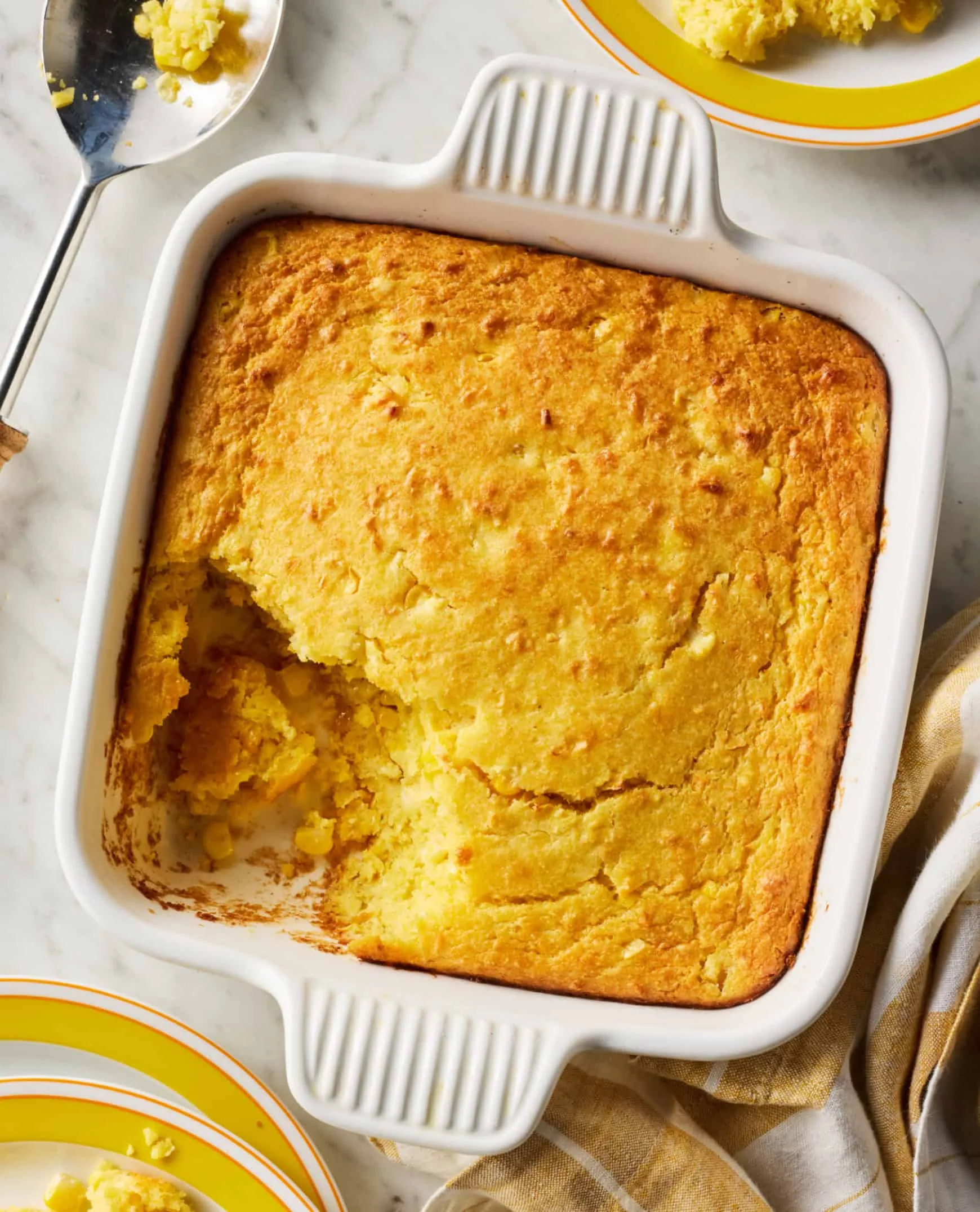
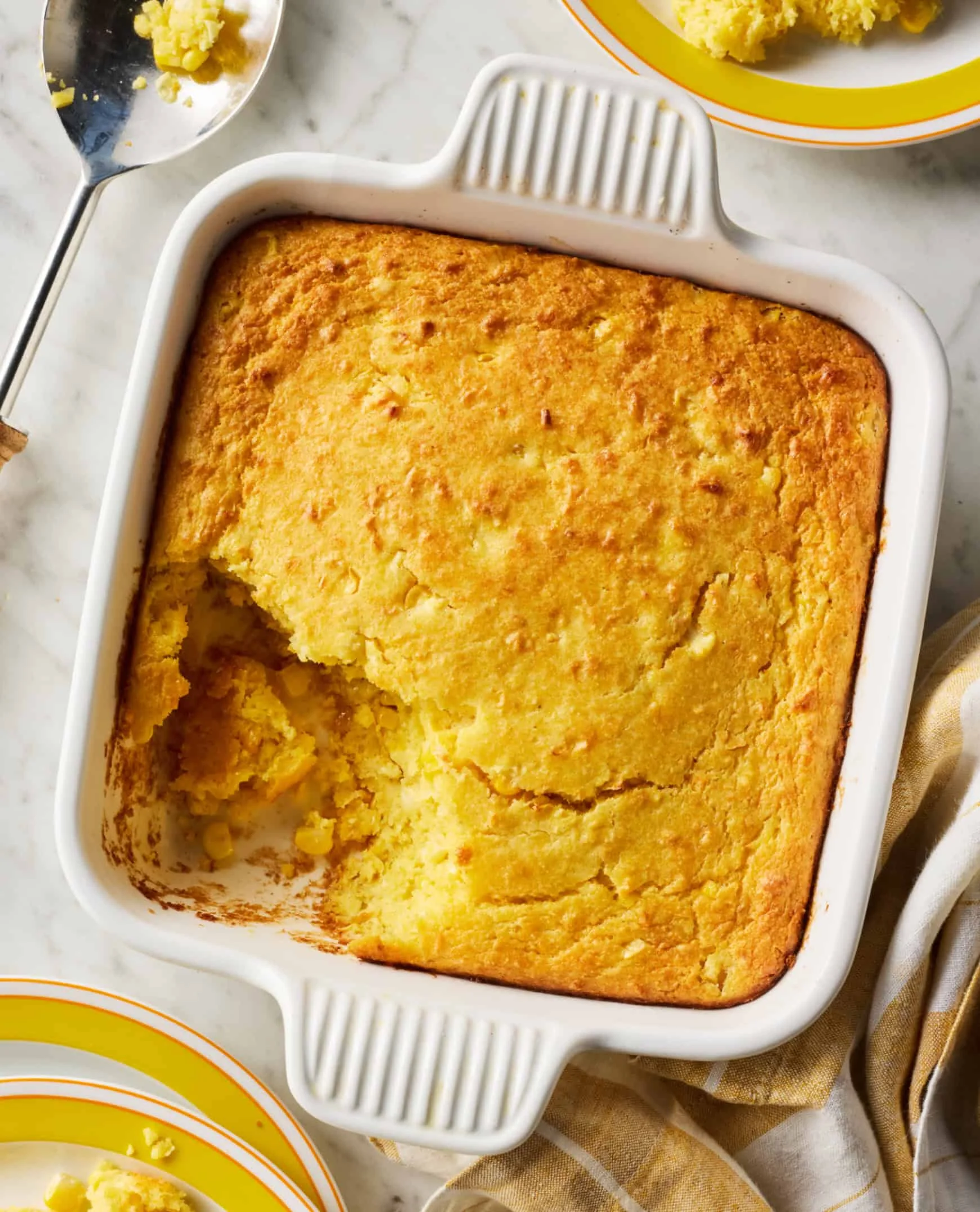
Discover a creamy corn casserole recipe that features fresh corn and a homemade flour blend for a delicious twist on the classic dish.
Deliciously Creamy Flavor Profile
This corn casserole boasts a creamy center paired with the delightful sweetness of corn. It's not just your average dish; think of it as a spoonable alternative to cornbread, with whole corn kernels adding a satisfying crunch. The balance of textures—creamy, crunchy, and sweet—is central to what makes this dish memorable. When you're serving a crowd or looking to impress, it's these nuanced flavors that elevate a simple recipe into something special. People often underestimate the power of incorporating fresh ingredients, as the quality and sweetness of fresh corn can transform the dish completely.
The Art of Flavor Balancing
The interplay between sweetness and savoriness defines successful casseroles. Corn, inherently sweet, pairs well with ingredients that add depth. For instance, adding a pinch of salt enhances the sweetness in the corn while simultaneously balancing the creaminess. That might sound simple, but it's critical for achieving a well-rounded flavor profile. When you're in the kitchen, the addition of garlic powder or onion can also create an aromatic background that complements the corn. Remember, nobody likes a bland casserole, and getting the seasoning just right can make all the difference.
From Boxed to Homemade
While many recipes rely on boxed cornbread mixes, this one elevates the classic by using fresh corn alongside a custom blend of flour, cornmeal, and baking powder. This method allows for a more authentic taste and control over the texture. The same can't always be said for pre-packaged mixes, which often contain preservatives and flavor enhancers that can strip a dish of its homemade charm. If you’re concerned about the time or effort, there’s good news: alternatives like boxed mixes or even canned and frozen corn can still yield great results. However, there’s a trade-off—often, the taste won't match the vibrancy of fresh ingredients.
In fact, if you're working in this space, you might find that using frozen corn can be surprisingly effective. Frozen corn is typically flash-frozen right after harvesting, preserving its sweetness to a large extent. If you're crunched for time, you won't lose much by opting for frozen over fresh. Canned corn can work in a pinch, but it usually comes with added sodium that can alter the flavor. I've experimented with them all and have tips to help you achieve the best flavors.
Preparing Your Ingredients
When it comes to cooking, preparation is key. Fresh corn can often be intimidating for beginners, but it's simpler than it seems. First, shucking the corn and removing the kernels can be done quickly with the right knife technique. Cutting down the side of the cob allows the kernels to fall into a bowl, preventing a mess. You'll want about three to four ears of corn for this recipe. This fresh preparation not only boosts flavor but also gives the dish a vibrant, appealing look.
Another element to consider is your choice of flour and cornmeal. While all-purpose flour is standard for many recipes, mixing in some specialty flours can enhance the overall texture. For instance, a touch of whole wheat flour adds a nuttiness that complements the sweet corn. As for cornmeal, using stone-ground cornmeal can provide a deeper flavor while imparting a pleasant grit. Some bakers swear by blending different types to find the perfect consistency and taste.
Cooking Techniques and Tips
Once your ingredients are prepped, the next step is to ensure even cooking. Knowing where to place your dish in the oven can make a significant difference in how it cooks. Centered placement ensures even airflow, allowing for a golden top while achieving a creamy interior. The dish typically cooks at a moderate temperature, and you should keep an eye on it—overcooking can result in a dry texture, which you obviously want to avoid.
And yet, there’s a balance with temperatures. If you’d like a slightly crispy top, a quick broil at the end can achieve that without compromising the creamy center. That’s where the magic happens: the contrast of textures is just as essential as the flavors.
Implications for Family Meals
This corn casserole isn’t just a side dish; it’s a statement of simplicity and flavor that can resonate during family gatherings or potlucks. You might not realize how a humble casserole can pull people together, serving as a comfort food that bridges culinary divides. It can be an ideal dish for entertaining guests, offering a taste of home that’s both nostalgic and satisfying. For families, recipes like these foster traditions that can be passed down through generations, reinforcing bonds over shared meals.
While this dish speaks to personal tastes, it also opens the floor for experimentation. Consider adding other ingredients that suit your family’s preference—perhaps cheese for creaminess or diced jalapeños for a kick. Honestly, the variations are limited only by your imagination. The potential for customization gives this dish an adaptability that many contemporary recipes lack.
So if you’re looking to shake up your meal planning or impress your next set of guests, consider this classic corn casserole. The balance of flavors and textures makes it much more significant than it looks at first glance. After all, sometimes the simplest dishes are the ones that pack the biggest punch.

Discussion
Sign in to join the discussion.