Radical Bean Cooperative in Cincinnati is transforming its coffee model with a focus on affordability and community engagement after a recent ownership change.
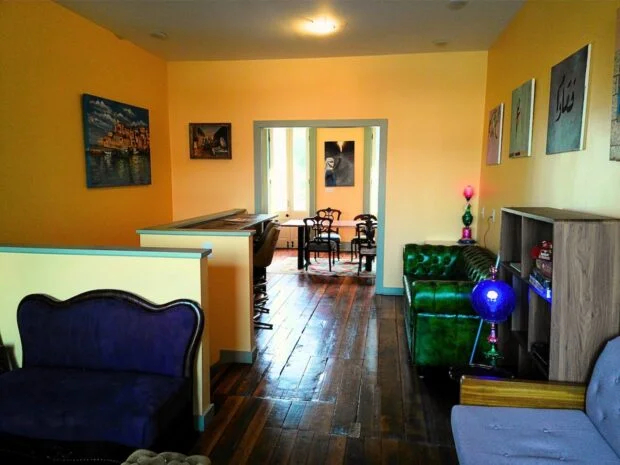
Cincinnati's coffee scene has a new player: the Radical Bean Cooperative. This worker-owned establishment, previously known as Topia Coffee Cooperative, has relaunched with a commitment to affordability and community engagement following a recent ownership shift and a two-month hiatus. This shift isn't just about coffee; it reflects broader changes in economic models for local businesses. In a city where small businesses often struggle against larger chains, Radical Bean’s cooperative model offers a compelling alternative.
Originally established in November 2024, Topia faced challenges in its business model that threatened its survival. Rayan Saoud, the cooperative's current sole worker-owner who joined the business in July 2025, worked diligently to navigate this transition. “I did not want to allow that to happen,” he stated, highlighting his commitment to the cooperative’s mission. Saoud’s perspective provides insight into the often harsh realities of small business ownership, where passion must constantly be tempered by financial viability.
Reimagining Identity and Mission
The transition included not just a change in owners but a fundamental rethinking of the shop's identity. Marketing manager Sara Jane Kennelly-Gaither, with her background at Viva Coffee Roasters, is also set to become a worker-owner, further solidifying the cooperative structure where all worker-owners share governance and profits. “We proudly support the Democratic Socialists of America’s mission,” Saoud added, indicating the cooperative’s broader social values. This commitment to social equity isn't merely a marketing gimmick; it roots the cooperative in a tradition that often prioritizes community welfare over profit maximization.
Radical Bean aims to distinguish itself from its predecessor by altering its product offerings and approach to engagement with the community. “We wanted to make sure people knew Radical Bean was a completely new business, separate from the shop that was here before,” Saoud noted, emphasizing a fresh start. This isn’t just about a new name; it’s about resetting customer expectations and illustrating the potential for local businesses to adapt and grow.
Whereas Topia catered to a niche market with a small, premium coffee menu, the new management is committed to making coffee accessible without sacrificing quality. Now, the menu includes an array of options, starting with $2 drip coffees alongside classic espresso drinks and a rotating selection of house-made beverages influenced by various culinary traditions. Offering affordable pricing strategies could attract a broader customer base, a calculated risk that reflects a keen understanding of consumer behavior in the current economic climate.
The cooperative remains committed to sourcing locally and ethically. Teas are procured from Churchill’s Fine Teas, while food items feature Lebanese pastries from Dean's Mediterranean. Coffee is roasted by Urbana, a local business with a strong reputation for sustainability and community values. Saoud mentioned, “We chose Urbana because they are a reputable and established business driven by sustainability, community, and ethical practices.” This connection isn’t just about partnerships; it’s about creating a network of local businesses that can mutually benefit and enhance community ties.
Community-Centric Programming
Beyond serving coffee, Radical Bean is keen on embedding itself within the community through events and educational initiatives. The cooperative has hosted activities such as game nights and tea parties, demonstrating a commitment to creating a vibrant community space. Events like these help cultivate a strong sense of belonging among customers, a factor that traditional coffee shops often overlook. When you walk into a place that’s more than just a business, you’ll want to return.
In collaboration with the nearby Rothenburg Preparatory Academy, they are implementing drink vouchers that recognize students’ academic achievements, reinforcing the cooperative's dedication to local engagement. Saoud expressed hopes to offer financial literacy workshops and other educational opportunities, filling gaps often left by public schooling. These initiatives highlight an awareness of social responsibility that might be absent in more conventional business models. (And this is the part most people overlook: the potential for coffee shops to act as catalysts for social change.)
Furthermore, Radical Bean will work alongside the local Democratic Socialists of America chapter to provide weekly meals in local parks, fostering neighborhood engagement. This commitment to community well-being elevates the cooperative’s role beyond mere commerce; it positions them as an integral part of Cincinnati's social fabric.
A Vision for Future Growth
Saoud, who brings over a decade of experience in various hospitality roles, is enthusiastic about the future of Radical Bean. With aspirations of expanding into packaged coffee sales and possibly in-house roasting, he envisions establishing the cooperative as a reference point in the city for what a solidarity-based economy can achieve. “We will continue to be a reference point for our neighbors regarding what is possible within a solidarity labor economy as long as they will have us,” he confidently stated. This ambition indicates a clear vision for scaling operations and influence.
Radical Bean Cooperative operates at 123 E. McMicken Ave. in Cincinnati. This coffee shop takes on more than just the role of a local café. It embodies the spirit of community and cooperation, a model that, if successful here, could inspire similar ventures across the nation.
Implications for the Future
Radical Bean's journey highlights a significant shift in how local businesses can operate in a climate of economic uncertainty. In an age when consumers increasingly demand ethically sourced products and community-focused initiatives, the cooperative model positions Radical Bean as a potential blueprint for sustainable growth. If you're working in this space, this cooperative model could inform your strategies moving forward. As economic pressures mount, businesses like Radical Bean could become the model for resilience in the local economy.
Discussion
Sign in to join the discussion.