Panorama Produce has recalled over 300 boxes of mangoes from Walmart stores across multiple states amid concerns of Salmonella contamination.
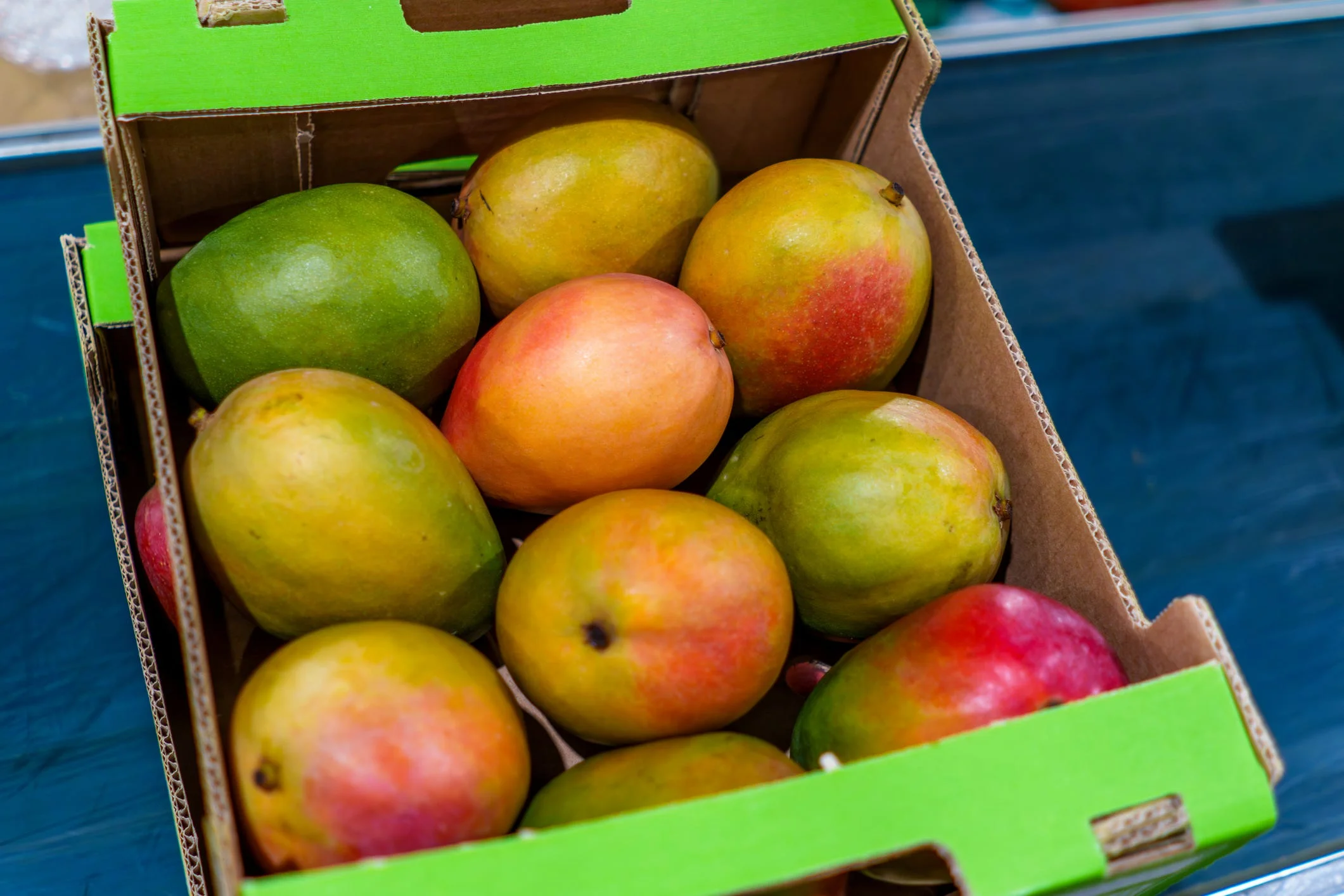
In a significant recall affecting Walmart stores, more than 300 boxes of mangoes are being pulled off the shelves due to potential Salmonella contamination. This decision comes after the FDA identified the presence of Salmonella in mangoes sourced from the same farm.
Details of the Recall
Panorama Produce is recalling a total of 302 boxes of size nine mangoes, which were sold at select Walmart locations in Connecticut, New Jersey, New York, and Pennsylvania. The mangoes, packed in Martina-branded cases, can be identified by a light blue sticker labeled "Agrofpac, Produce of Mexico," along with a PLU number of 4584 and UPC number 07503061948050. They were available for purchase between August 10 and 21. It's important for consumers to closely check their purchases against these identifiers, as the risk of consuming contaminated food products is a pressing safety concern.
Reason for the Recall
The recall was initiated after FDA sampling found Salmonella in mangoes from the same source as the recalled products. While the specific contaminated mangoes weren't distributed in the U.S., the potential for cross-contamination makes the recall prudent. The link established between the farm and the mangoes sold across multiple states illustrates a broader issue; food safety is an ongoing challenge that affects producers and retailers alike. Panorama Produce's quick action suggests a commitment to consumer safety, but it also raises questions about supply chain monitoring and the proactive measures in place to mitigate these risks before they impact the market.
Health Risks and Consumer Guidance
Salmonella can cause severe health issues, particularly for vulnerable groups, including young children, the elderly, and individuals with compromised immune systems. Symptoms for healthy individuals may involve fever, diarrhea, vomiting, nausea, and abdominal pain. While no illnesses have been reported related to this recall, consumers who possess the affected mangoes are urged to dispose of them or return them to the store where they were purchased. If anyone suspects they may be ill, contacting a healthcare provider is advised. The absence of reported illnesses might provide some reassurance, but the precautionary recall underscores the need for vigilance among consumers. If you're working in this space, keep an eye on such developments; they can indicate larger patterns in food safety protocol failures that may necessitate tighter industry standards.
Implications and Future Outlook
This recall spotlights a recurring challenge facing the food supply chain: contamination can stem from a single source, but the repercussions ripple far wider. Consumers are increasingly aware of food safety issues, as seen by the media coverage and public discourse surrounding recalls like this. The pressure on manufacturers, distributors, and retailers to maintain rigorous safety standards is mounting. As such incidents continue to make headlines, it's likely that regulatory bodies will intensify their scrutiny, leading to more stringent oversight and possibly even new legislation focused on food safety.
The ramifications here go beyond immediate consumer safety. Retailers, particularly large chains like Walmart, are navigating a delicate balance between ensuring product availability and safeguarding public health. When recalls happen, the effects can also extend to consumer trust; people may hesitate before purchasing certain products, especially produce with a history of recalls. That said, companies committed to transparency and rapid response to health concerns often build stronger consumer loyalty over time.
Moreover, the digital landscape provides both challenges and opportunities. With the rise of social media, news about recalls spreads quickly, which can amplify a retailer's response times. Companies that effectively communicate with their customers and provide clear instructions during these situations often come out ahead. But fail to manage the narrative, and you risk damaging your brand's credibility. And this is the part most people overlook: how information management can impact consumer behavior long after a crisis has passed.
In light of these dynamics, the broader food industry may need to adopt more proactive measures to prevent such contamination events, including more comprehensive tracking systems and enhanced cleaning protocols at sourcing farms. The time to act is now. With consumer expectations evolving, transparency and diligence must be at the forefront of strategic initiatives aimed at preventing future contamination incidents.
Discussion
Sign in to join the discussion.