Shake Shack's new Reese’s Peanut Butter Cup Shake delivers a rich combination of flavors, but its 1,900-calorie count has raised eyebrows and mixed reactions.
The Rise of Shake Shack's Limited-Time Offerings
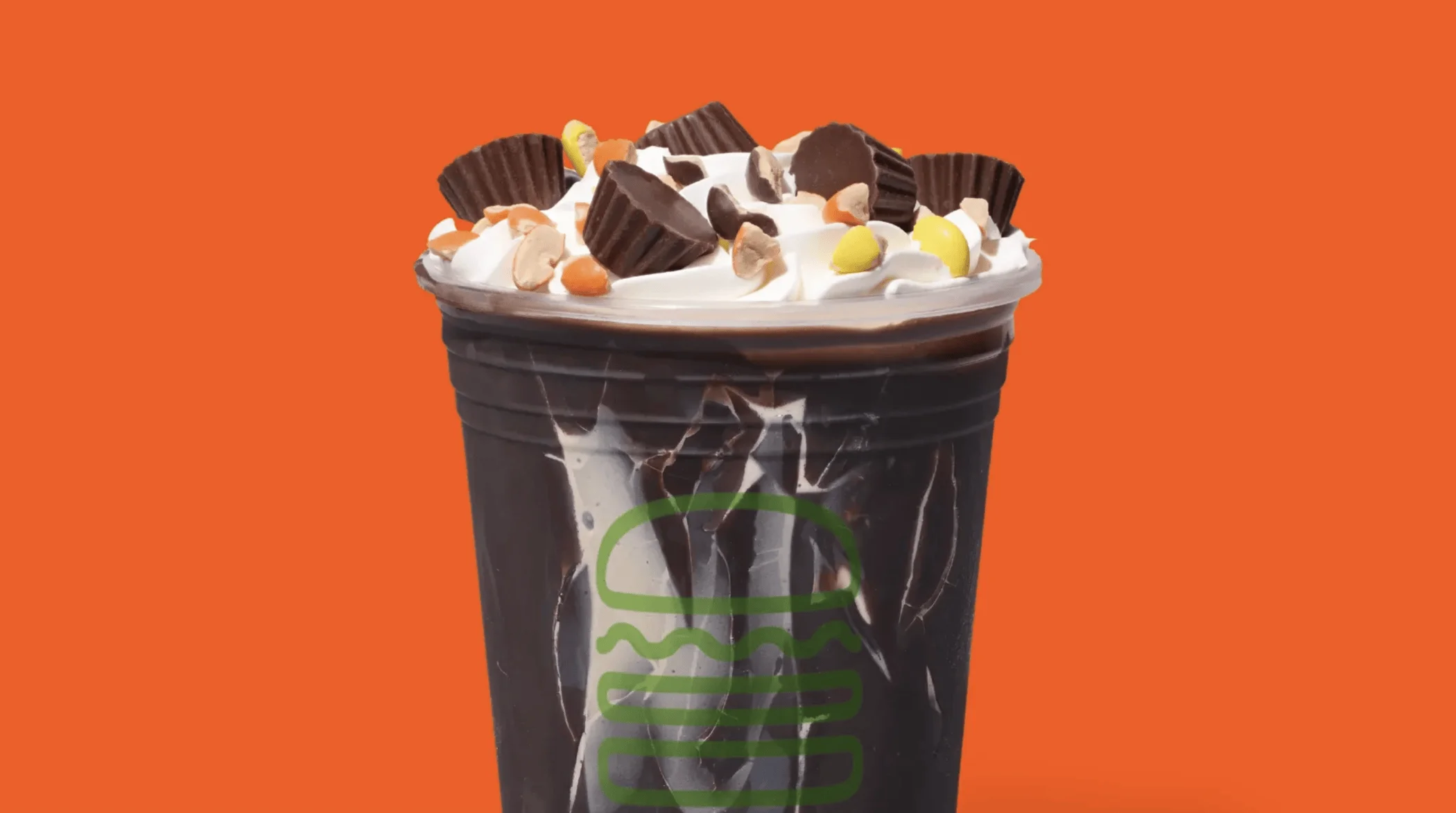
Shake Shack's introduction of the limited-time Reese’s Peanut Butter Cup Shake is causing quite a stir, and not just in terms of flavor. This shake, available nationwide, combines vanilla custard, Reese’s Creamy Peanut Butter, fudge, and is encased in a crackable dark chocolate shell topped with whipped cream, Mini Reese’s Peanut Butter Cups, and Reese’s Pieces. The shake mirrors a trend among fast-casual dining establishments, where seasonal or limited-time offerings create buzz and drive traffic to restaurants. Customers often seek novelty, and limited-time items can cultivate a sense of urgency, compelling them to visit before the shake disappears.
Shake Shack, known for its quality ingredients and unique takes on classic fast food, builds anticipation with these limited releases. The combination of flavors in this shake caters to chocolate and peanut butter lovers alike—both staples of the dessert world. But what does this say about consumer preferences? Beyond just taste, there's a growing inclination in the market toward indulgence, especially as we approach the holiday season. Many diners are increasingly willing to treat themselves, a behavior that restaurants can capitalize on.
A Closer Look at Caloric Content
However, the spotlight isn't just on its decadent ingredients. The shake's caloric content, which weighs in at 1,900 calories, is a shock to many—especially when compared to other Shake Shack offerings like the Vanilla Shake at 680 calories and the Cookies & Cream Shake at 850 calories. These stark differences in caloric values have sparked conversations about health and wellness, particularly as consumers become more aware of what they're putting into their bodies.
Obesity rates are rising, and more diners are scrutinizing their eating habits. When it comes to indulgent treats, it’s often a balancing act—how do you enjoy a dessert without derailing your diet? For many, this shake might feel like an outlier in an otherwise mindful eating journey. Restaurant chains are sometimes faced with the challenge of appealing to those embracing healthier lifestyles while still delivering the comfort that comes from indulgent treats. The shake's considerable calorie count raises questions about the long-term effects of such offerings on public health and whether transparency regarding nutrition aligns with consumer desires.
The Aesthetics and Appeal of the Shake
As a frequent visitor to Shake Shack, I find this new creation to be tantalizingly tempting. The blend of flavors appeals to any Reese’s fan, and the presentation sounds delightful. Yet, the hefty calorie number gives one pause. A quick glance at Shake Shack’s nutrition guide reveals that this shake far surpasses other popular shakes on their menu, prompting many to reconsider their dessert decisions. Customers are likely to grapple with these choices, balancing the dessert's allure against goals for healthier eating.
This aesthetic appeal isn’t just surface-level. How dishes are presented can greatly influence a customer's desire to order them. The visual of a crackable dark chocolate shell does more than entice; it offers an interactive experience. Diners often seek food that not only tastes good but also looks appealing for social media platforms. Shakes like this one cater to that desire, making them potential Instagram sensations and enticing customers to share their experiences online.
Consumer Reactions and Online Buzz
Online reactions reflect a mix of shock and excitement. Comments range from disbelief over the calorie count with remarks like, “That’s wild!” to enthusiasm, with fans expressing desire for the shake to stay permanently on the menu. It’s clear that while taste is king, the numbers are still on everyone’s minds. Social media plays an integral role in how products are launched and perceived. In a smartphone-driven world, real-time feedback and engagement can propel a product towards success or lead to its swift demise. Brands like Shake Shack rely on this kind of interaction to gauge interest and refine offerings.
This dynamic creates an interesting paradox. On one hand, you have a significant segment of the audience drawn to novelty and flavor; on the other, there's increasing concern about dietary choices. The calorie count might deter health-conscious customers, but the excitement surrounding new flavors often overshadows these concerns. It's a classic tug-of-war that restaurants navigate regularly.
The Temptation of Indulgence and Health Considerations
For those who indulge, the added caloric warning might not deter their excitement. Many users are prioritizing enjoyment over nutritional concerns. The enthusiasm for the shake suggests that it might just be an unavoidable holiday treat despite its staggering calorie count. This brings forward a key aspect of food marketing: how indulgent treats are often framed as temporary escapes from daily routines.
And this is the part most people overlook; seasonal items can shift how consumers perceive their choices. The notion of a special treat can justify deviations from a regular dietary pattern, which might explain the public's acceptance of a shake with a hefty calorie tally. As the Halloween season approaches, traditional dessert norms are being challenged, and consumers are willing to experiment with their treats, often justifying these pleasures in the context of celebration.
Embracing the Halloween Spirit
As Halloween approaches, the shaking up of traditional desserts with this Reese’s treat feels both enticing and daunting. While I certainly won’t be swapping my usual Shake Shack orders for a 1,900-calorie shake any time soon, I have to admit that the thought of cracking through the chocolate shell to reach that creamy peanut butter-fudge custard is incredibly appealing. This shake’s appeal goes beyond just a dessert; it symbolizes a moment of indulgence amidst the chaos of daily life.
Ultimately, indulgging in this shake could be one thrilling part of celebrating the spooky season. After all, when it comes to festive treats, a little sugar rush might just be a perfect way to embrace the spirit of Halloween. But for a wider perspective, it raises questions about how dietary shifts and consumer behavior intertwine as we navigate seasonal temptations. As people enjoy the treats of the season, the balance between delight and health will continue to be a conversation worth having.
Future Implications for Shake Shack and Similar Brands
The launch of the Reese’s Peanut Butter Cup Shake signals potential paths for Shake Shack and similar brands in the future. You'll likely see competitors responding with their own indulgent desserts, hoping to capture a share of that audience eager for novelty. That said, how restaurants confront health trends could influence future strategies. Will we see more transparent nutritional information accompanying these tempting treats, or will indulgence continue to reign supreme?
As consumer awareness increases, the dining industry may need to find a balance between providing appealing flavors and managing the dietary expectations of customers. If you're working in this space, keep an eye on how brands evolve their menus with seasonal treats. Will indulgence or health take precedence in the next wave of fast-casual dining? The stakes are high, and shifts in consumer preferences could drive significant changes in how operators approach product development.
As it stands, Shake Shack’s latest shake offers an interesting lens on dining habits this Halloween season, showcasing both a craving for novelty and the tension with health consciousness that continues to simmer just below the surface of fast-casual menus.
Discussion
Sign in to join the discussion.