Contraband Coffee in Brunswick East showcases thoughtful reuse of a former warehouse, emphasizing sustainability and local materials in its design.
Contraband Coffee: A Sustainable Oasis in Urban Melbourne
Location: Brunswick East, Victoria, Australia
Opened: 2026
Design by: Taylor Knights
Landscape Architecture: TCL
Mural by: Chris Costa
Situated in Brunswick East, a vibrant neighborhood that has evolved from its industrial roots, Contraband Coffee stands as a testament to thoughtful design and sustainable practices. This café occupies a repurposed industrial warehouse, a symbolic choice that speaks volumes about both environmental responsibility and the preservation of local history. As urban areas grapple with the challenges of development, repurposing existing structures like this one demonstrates a commendable shift towards sustainability and conscientious design.
Environmental Commitment and Design Philosophy
Contraband Coffee's commitment to sustainability extends well beyond its choice of location. Operating entirely on solar power, the café employs an electric-heating coffee roaster, representing a clear departure from traditional fossil-fuel-based methods. Deliveries made using electric vans underline a more eco-friendly operational model. While many businesses tout sustainability, this café takes concrete steps to address its environmental impact. Efforts to recycle soft-plastic packaging and coffee byproducts demonstrate an understanding that sustainability is not merely about energy consumption but involves a holistic approach to resource management.
Peter Knights, director of Taylor Knights, illustrates this philosophy succinctly: “For us, the project demonstrates that environmental responsibility doesn’t need to be expressed through technology alone; it can also be found in the careful reuse of buildings, materials and places that already exist.” This perspective resonates in a time when many are questioning the feasibility and ethics of new construction versus renovation. Simply put, sustainable architecture isn’t just about using modern materials; it encompasses the thoughtful treatment of what has already been built.
Transformation of Space
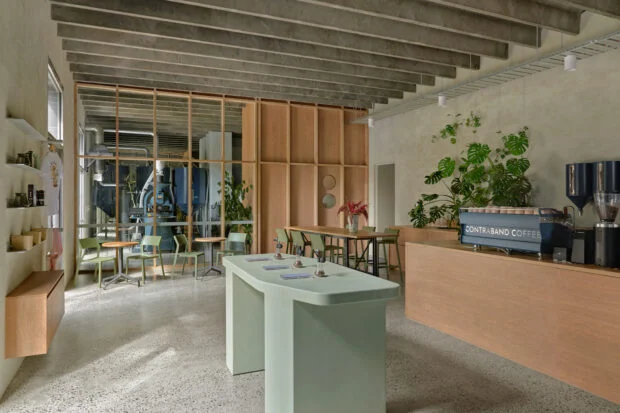
The architectural design led by Taylor Knights radically reimagines the previously dark and isolated interiors of the warehouse. By implementing new glazed openings on the northern façade, the design invites natural light to flood the space, enhancing the atmosphere within. This infusion of light not only improves aesthetics but also has psychological benefits—bright spaces tend to foster social interaction, making the café more than just a place to grab coffee.
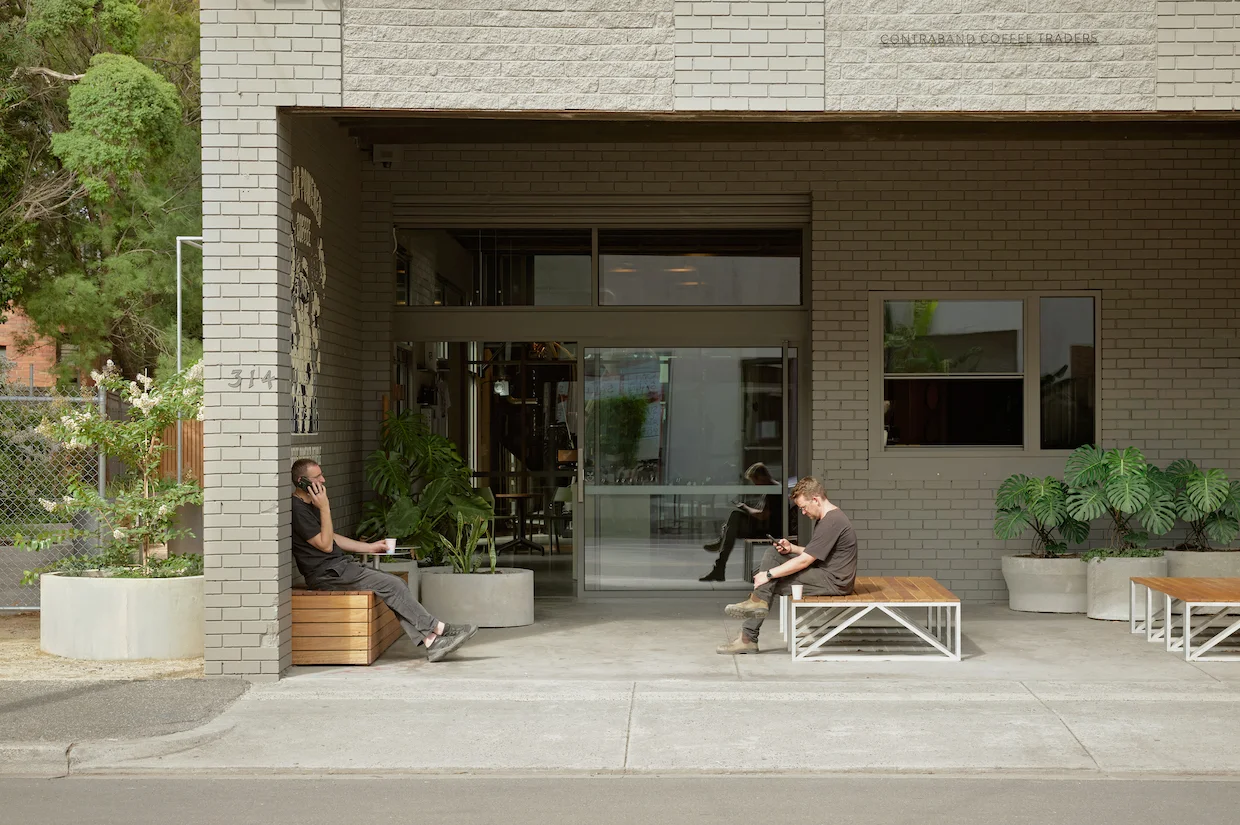
A notable feature is the newly designed courtyard that serves as a calm counterpoint to the bustling interior. This outdoor space is not just a design flourish; it reflects a growing trend in urban areas where green spaces are increasingly valued for relaxation and social purposes. The inclusion of such a serene area stands in stark contrast to the typically frenetic pace of urban life, offering visitors a chance to escape, even if just for a moment.

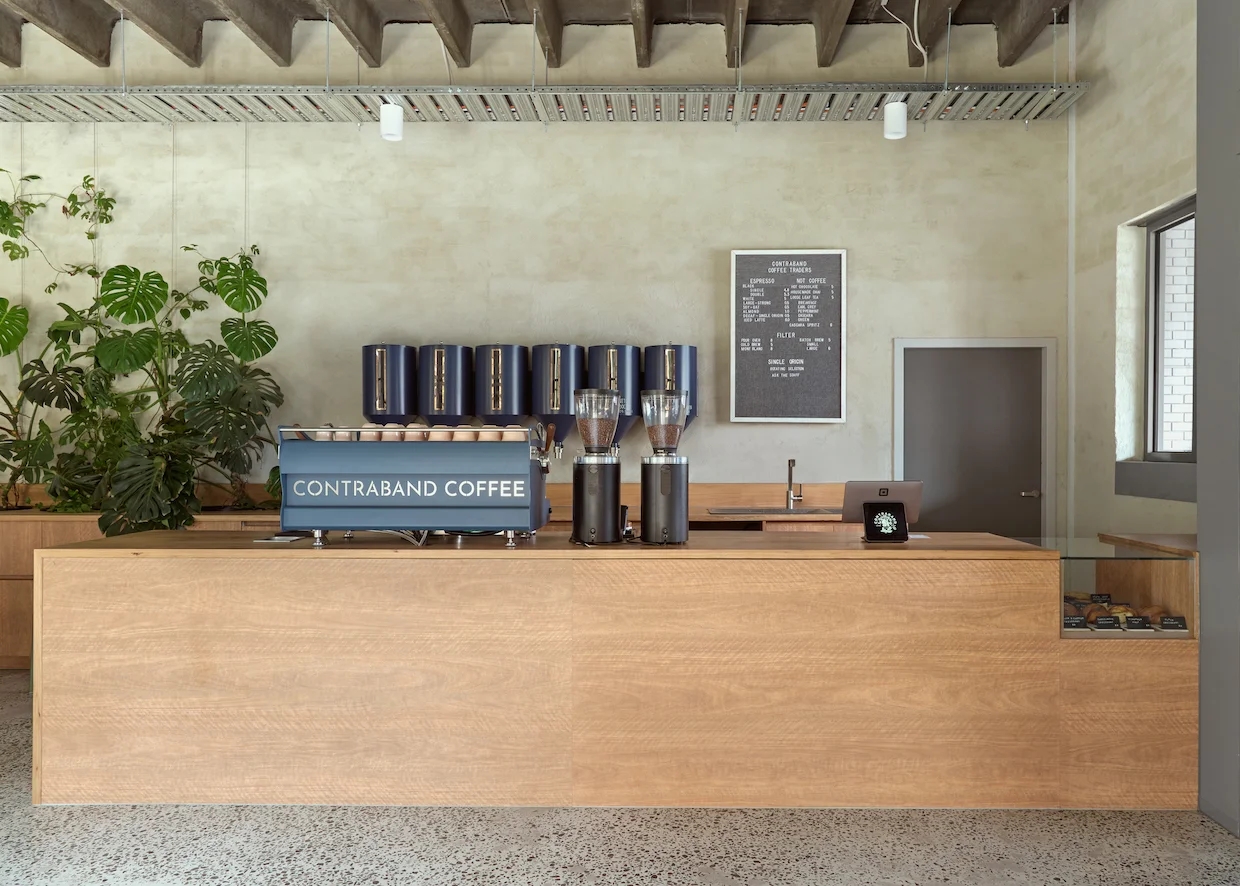
Inside, the café features a locally sourced timber coffee counter where visitors can enjoy their drinks while overlooking the roasting facilities, a move that invites transparency into the coffee-making process. This transparency is becoming increasingly important to consumers, who often look for authentic experiences that connect them more directly with their food and drinks. The careful separation of the roasting area with a timber-and-glass partition allows patrons to witness the craft at work, which adds an engaging element. And let's not forget those double doors, linking the lively interior with the tranquil courtyard—it's quite a stroke of design ingenuity.
Reclaimed Elements and Artistry
The reimagining of a warehouse into a functional café involves not only modern design principles but also an appreciation for history. Contraband incorporates notable elements such as benches made from aluminum frames repurposed from Taylor Knights' earlier works. One such example is the pond[er] installation at the National Gallery of Victoria. This attention to detail and history fosters a connection between the café and the community, representing not just a place to drink coffee, but a curated experience steeped in local significance.
Further enhancing this artistic narrative is a vibrant mural by Chris Costa, which adds a splash of color to the otherwise understated palette. It’s this kind of juxtaposition that can spark conversations and elevate the experience, allowing the café to serve as a community hub where art and coffee culture intersect meaningfully. (And this is the part most people overlook: the role of art in communal spaces.)
Significance and Future Outlook
The design of Contraband Coffee highlights not only aesthetic and functional considerations but also a broader commitment to sustainability and community involvement. It comes at a time when urban lifestyles are increasingly questioning the efficacy of traditional consumer practices. If you're working in this space, you know the importance of connecting people to their environment, both socially and ecologically. The café serves as a microcosm of these ideas, demonstrating a path forward for urban development where sustainability and community coalesce.
This signifies a shift that many newcomers to the market may not fully appreciate. As urban areas continue to grow, more businesses will likely feel the pressure to adopt similar practices. The implications for those looking to invest or build in urban settings are clear: practices fostering community and sustainability will not just be advantageous but possibly essential in gaining consumer loyalty. Do we envision a future filled with more spaces like Contraband Coffee? It seems inevitable. Cities, after all, are starting to realize that they can be both livable and sustainable, while also engaging and inspiring. This approach could redefine how urban spaces are developed and experienced in the years to come.
Discussion
Sign in to join the discussion.