The Evolution of Mountain Dew: From Whiskey Mixer to Iconic Beverage Brand
Published Sep 07, 2026Reads 1,018By Christopher Martinez
Mountain Dew has transformed from a niche whiskey mixer to a beloved cultural icon, showcasing its ability to adapt to changing consumer preferences and trends.
The Rise of Mountain Dew: From Whiskey Mixer to Cultural Phenomenon
Mountain Dew's evolution is more than just a story of a soft drink; it's a reflection of changing consumer tastes and marketing savvy. Initially crafted in the 1940s by two brothers looking for a perfect whiskey mixer, Mountain Dew was trademarked in 1948 and subsequently acquired by PepsiCo in 1964. The brand's journey from a niche mixer to a mainstream favorite is a noteworthy trajectory.
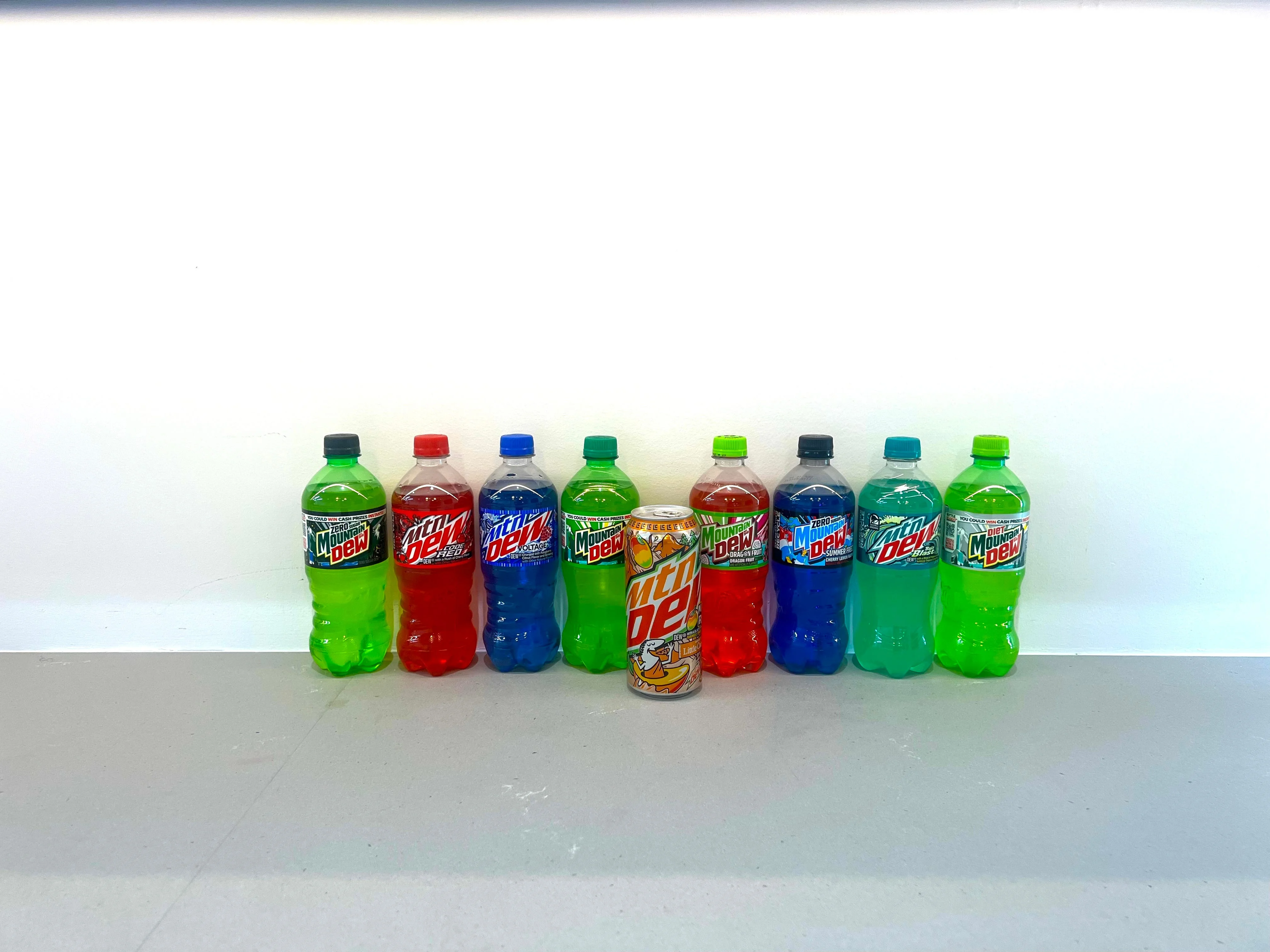
Fast forward to today, and Mountain Dew boasts an impressive array of flavors and limited-edition releases, which seem to pop up every season. They've gone beyond the original citrus offering, introducing vibrant shades like red, blue, and an assortment of other hues. This diversification has certainly made the brand a staple in both homes and restaurants, appealing to a wide range of consumers.
The flavor rankings published by Delish serve as an intriguing barometer for consumer preference. According to their assessments, the flavor lineup reaches from the critically panned Dragon Fruit to the fan-favorite Baja Blast. This divergence in tastes prompts a real question: what makes a flavor resonate with consumers?
If you're part of the beverage industry, you'll find it fascinating to consider how a brand can generate attention and engagement through so many seasonal releases. The soda's ability to innovate and adapt reflects a keen understanding of market dynamics, a lesson other brands could learn from. There's something significant about Mountain Dew's ability to not only maintain but expand its appeal across generations. After all, who can forget the iconic slogan “Do the Dew”? You practically feel the 90s nostalgia washing over you as you say it.
In exploring the impact of flavors and the brand's heritage, it also raises the question of sustainability in soft drink marketing. Can Mountain Dew maintain its current trajectory without diluting its core identity? As we witness the ever-shifting consumer preferences, the brand's future may hinge on balancing nostalgia with innovation—an ongoing challenge in the crowded beverage market.
Final Thoughts: The Mountain Dew Flavor Evolution
You can't underestimate the cultural impact of Mountain Dew flavors. They're not just drinks; they're nostalgic experiences that resonate with consumers. The rankings of flavors show not only how preferences shift but also hint at broader trends in the beverage industry. Limited editions like Summer Freeze make a splash for a reason—people crave flavors that evoke summer memories and iconic treats. The feedback has been overwhelmingly positive, with tasters praising its unique blend of cherry, lemon, and raspberry that mirrors the essence of an ice pop. Some noted, “It's blue raspberry in liquid form,” highlighting just how memorable it is.
Then there’s the classic flavor. Traditionalists might find comfort in the original Mountain Dew, yet even its legacy has its detractors. One comment called it “watery,” which—while perhaps harsh—highlights how even iconic products must continuously adapt to consumer expectations. After all, tastebuds evolve.
Now, onto Baja Blast. Originally a Taco Bell exclusive, it exploded in popularity. Its return as a year-round offering signifies a successful gamble by the brand, knowing how effectively it taps into tropical flavors associated with sunny days and relaxation. The comments are telling: “The best varietal. Need to pair with Taco Bell,” one editor noted. That's a powerful endorsement for a drink that already thrives on its association with fast food.
What does this all mean for the industry? Mountain Dew demonstrates that nostalgia in flavors can drive success. It’s a reminder that product innovation doesn't always mean radically new—sometimes, it’s about how you present familiar flavors. As brands think ahead, they could learn from the Dew lineup that launching flavors isn't just about novelty; it's about creating emotional connections. Those who can tap into consumer sentiment while still innovating will likely come out on top in this fiercely competitive market.
Discussion
Sign in to join the discussion.