Explore Yemen's rich coffee history and its impact on global supply chains, highlighting the shift from Mocha's dominance to current market disruptions.
History Echoes: The Coffee Trade's Legacy
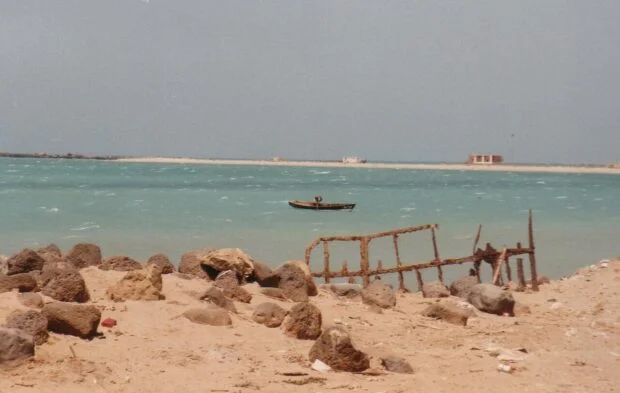
The relevance of Yemen in the coffee business goes far beyond the mere act of brewing a cup. Once a global powerhouse in coffee production through the port of Mocha, Yemen's story intricately intertwines with the rise of the Houthi rebels, revealing the deep scars left by history and ecology in this embattled nation. The Red Sea, a modern battleground for Houthi assaults on oil shipping, was once brimming with the fragrant trade of coffee that made Mocha a cosmopolitan hub of commerce.
Mocha, synonymous today with a chocolate-flavored coffee variety and the iconic Moka pot, doesn't just represent an Italian approach to espresso; rather, it embodies centuries of trade that have traversed continents. Merchants navigated the currents to trade coffee sourced from Yemen's highlands, shaping a vibrant tapestry of cultural exchange and economic interdependency long before global shipping routes were standardized.
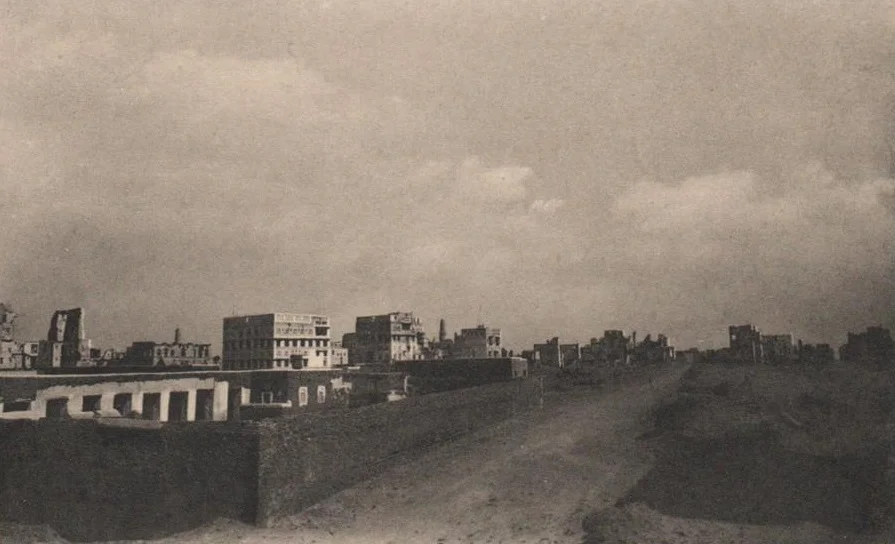
A glimpse of Mokha from a postcard dated between 1910 and 1915. Public Domain image.
In recent years, Yemen's influence on the coffee market has shifted dramatically. Currently, over a quarter of Europe’s coffee imports originate from Southeast Asia, with Vietnam leading the pack. This trend intensified after repeated Houthi attacks on shipping routes, prompting ships to prolong their journeys around the Cape of Good Hope—a costly upheaval that our palates are beginning to feel. Italian coffee roasters and connoisseurs are already grappling with rising prices, and amid the panic, many are pivoting toward higher quality Arabica beans instead of the cheaper Robusta, demonstrating a clear shift in consumer behavior driven by supply chain disruptions.
The Decline of Mocha
Mocha's fall from grace is a mixed tale of environmental neglect and geopolitical upheaval. Once the linchpin of the global coffee market from the 16th to the 18th century, Mocha’s casino-style dominance faded as seeds stolen by enterprising traders spread coffee cultivation globally, sowing the seeds of its own decline. The Dutch East India Company's coffee ventures in Java essentially siphoned off Mocha’s market control, and the emergence of successful plantations in new territories dealt the final blows to its competitive edge.
But ecological factors also played a crucial role. The profitable yet unsustainable cultivation of qat contributed to an overarching depletion of Yemen's water resources, setting the stage for socioeconomic decay and boosting the Houthi movement in an impoverished climate. Today, more than 40% of Yemen’s renewable water is consumed by this water-intensive plant, essentially converting a once-thriving agricultural landscape into a barren testament to environmental mismanagement.
Convergence of Past and Present
The connection between Yemen’s historical coffee trade and the emergence of the Houthis is complex. Although the conflict is steeped in political grievances, it is also a product of the ecological collapse that has ravaged the country. Diminished water supplies and failing farms cultivated a breeding ground for discontent, with radicalized elements rising from communities that once prospered through coffee. Their control over strategic maritime routes echoes Mocha’s past dominance, transforming the region into a new battleground for international interests.
Yemen does not necessarily have to remain trapped in this cycle. Initiatives supported by various UN agencies are attempting to revive traditional coffee farming, providing incentives for farmers to abandon qat cultivation in favor of coffee—a move that represents both economic revival and a nod to historical restitution. It's a small but meaningful step toward reclaiming a lost legacy.
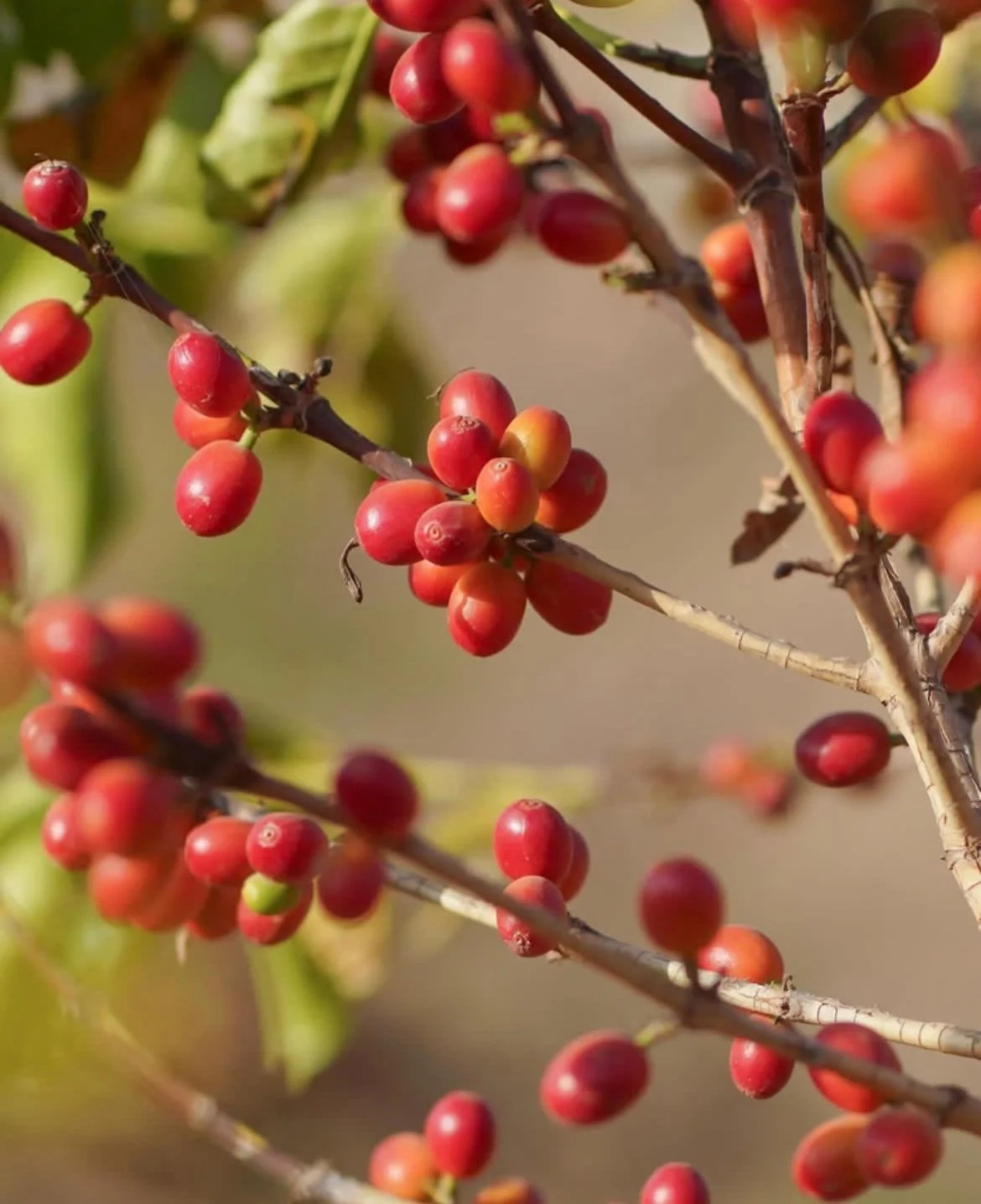
Coffee cherries ripening in the lush Yemeni highlands, 2026. Photo by Luai Al-Mamari, CC BY-SA 4.0.
As we peer into Yemen’s resilient past, it’s becoming clear that addressing its striking contradiction—once a center of coffee trade now marred by conflict and ecological mismanagement—presents not just a pathway for revival, but a crucial lesson in sustainable agricultural practices that could inform similar challenges globally.

Discussion
Sign in to join the discussion.