A proposed class-action lawsuit against Starbucks claims troubling mislabeling of its 'Sugar-Free' protein drinks that contain significant sugar levels.
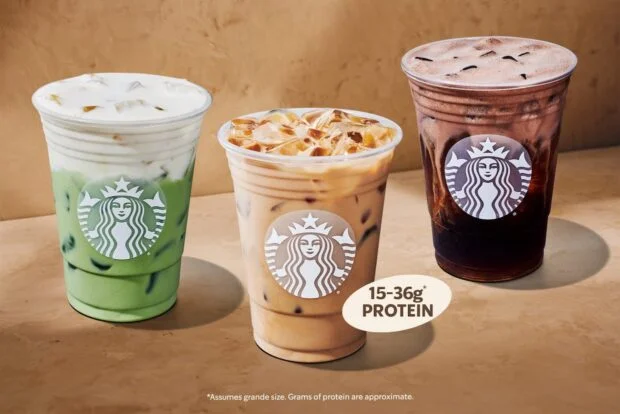
Starbucks is under fire following a proposed class-action lawsuit filed on October 2, 2026, which challenges the marketing of eight of its protein beverages as “Sugar-Free.” According to the complaint, these drinks contain between 13 and 21 grams of sugar per large (venti) serving, a figure that could surprise many consumers. This contradiction not only raises questions about transparency but also about the implications of labeling standards in the food industry.
The Products at the Center of Controversy
The products in question include the Sugar-Free Vanilla Protein Latte, Sugar-Free Caramel Protein Latte, Sugar-Free Vanilla Protein Matcha, and Sugar-Free Caramel Protein Matcha, available in both hot and iced forms. The lawsuit claims that the presence of lactose in the milk used in these drinks implies a significant sugar content, contradicting the “Sugar-Free” label. This is a pivotal point; consumers often equate "sugar-free" with healthiness, yet these beverages contain enough sugar to challenge that perception.
The Complaint's Core Argument
The plaintiffs—Michael Walsh from California, Anne Legnini from New York, and Elna Potter from Washington—assert that no reasonable consumer would expect a beverage labeled “Sugar-Free” to contain a considerable amount of sugar. They argue that Starbucks' marketing strategy misleads consumers regarding the sugar content of these drinks. After all, a drink thought to be a guilt-free indulgence may lead consumers into a trap of unintended calorie intake.
The lawsuit highlights that the highest-sugar item is the venti Sugar-Free Caramel Protein Matcha, which boasts a sugar content parallel to five teaspoons of sugar—approximately matching that of a standard Kit Kat bar. This juxtaposition raises red flags. Most people wouldn't associate a protein drink with the same sugar content as a candy bar. Notably, the complaint differentiates between “sugar-free” and “no added sugar,” insisting that the presence of lactose requires more transparency in labeling. This distinction is crucial in understanding consumer perceptions and the validity of marketing claims.
Legal Grounds and Starbucks' Response
This lawsuit claims that Starbucks’ labeling violates federal food regulations, as beverages containing over 0.5 grams of sugar cannot be marketed as “Sugar-Free.” The plaintiffs assert that lactose qualifies as sugar under federal guidelines, putting Starbucks in a precarious position. The complaint calls out Starbucks for not providing the mandatory calorie-related disclaimers associated with such claims. You can see how this type of regulatory challenge could disrupt how food and beverage companies approach marketing.
In response, a Starbucks spokesperson maintained the company's position, declaring that the claims lack merit, expressing an intention to vigorously defend the appeal. This assertive stance indicates that Starbucks is prepared for a potentially lengthy legal battle, which isn't uncommon in such high-stakes consumer litigation.
Starbucks also claimed to provide transparent information surrounding its protein beverages and their nutritional contents through various channels, including their website and promotional materials. But when you think about it, do consumers always read the small print? That's where effective marketing plays a significant role in consumer decision-making. Starbucks might pride itself on transparency, yet the apparent discrepancy in labeling challenges that narrative.
The Context of Protein Drinks
Starbucks launched its protein beverage line in September 2025, aimed at catering to the rising popularity of protein-based drinks. This move wasn't merely a product expansion; it was a strategic response to shifting consumer preferences, where health and wellness take front and center. With offerings that can deliver up to 36 grams of protein per grande, Starbucks is well-positioned in a competitive marketplace driven by health-conscious consumers. You could say that Starbucks anticipated the trend, aligning its product offerings with consumer demands for nutritious options. The company's marketing emphasizes the absence of added sugars, suggesting an awareness of consumer expectations even before this lawsuit emerged.
However, this isn't the first time Starbucks has been challenged on its marketing practices. The company is currently facing another lawsuit alleging misleading claims regarding labor practices and product sourcing. These ongoing legal challenges point to a potential pattern of scrutiny around how Starbucks communicates with its customer base. In the past year, it has also seen various competitor lawsuits targeting the accuracy of its marketing language. This brings to light the broader pressures companies face in ensuring their claims hold up under legal analysis.
Implications and Future Outlook
For now, the outcome of the lawsuit remains uncertain. Still, it highlights a noteworthy tension between consumer expectations and corporate marketing strategies in the food and beverage industry. As corporate transparency becomes increasingly scrutinized, this case could set precedents for how similar claims are marketed across the industry. If you’re working in this space, you need to pay attention. Companies may be compelled to adjust their labeling practices or face legal penalties, which could ripple through the sector.
This lawsuit pulls back the curtain on how vital truthful advertising is in maintaining customer trust. Brands can’t afford to mislabel, even inadvertently. As consumer sensitivity increases, companies may find themselves needing to reevaluate not only their marketing but also the core ingredients in their products. Breaking trust with consumers can have longer-lasting effects than just a hit in sales; it can permanently tarnish a brand’s reputation.
Interested in sharing your thoughts or feedback? Contact the editorial team here. To receive the latest updates in the coffee industry, subscribe to our newsletter.


Discussion
Sign in to join the discussion.