Hijau Coffee introduces authentic Indonesian flavors to San Jose through unique drinks and a culturally immersive environment.
Introduction to Hijau Coffee
Hijau Coffee has debuted in San Jose, California, offering a distinctive taste of Indonesian coffee culture. The café, designed with Southeast Asian island aesthetics, aims to blend local charm with Indonesian heritage. This concept reflects a growing trend where café spaces are not just about coffee but also about cultural storytelling.
Architectural Aesthetics and Ambiance
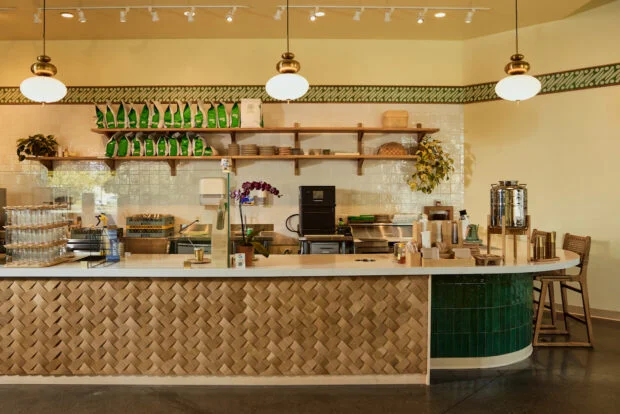
The bar features an oak front adorned with a basket-weave pattern, reminiscent of traditional Indonesian craftsmanship. The use of signature green tiles adds a striking visual element. Decor elements such as bamboo and rattan pendant lighting enhance the warm atmosphere, creating a space that draws you in. Batik textiles, which hold significant cultural relevance in Indonesia, adorn the walls, providing an immersive cultural experience that appeals to both the senses and the intellect.
In today's competitive café market, design matters. Aesthetic appeal can be a decisive factor for attracting foot traffic. The ambiance at Hijau Coffee doesn't just serve to entice customers; it educates them about the rich traditions of Indonesian culture. When you walk in, it's hard not to feel like you're stepping into a little piece of Indonesia, which is likely to resonate with both locals and visitors searching for authenticity.
The Founders' Journey
“We strive to create a cultural encounter with Indonesia for the San Jose community and beyond,” co-founder Lisa Maria shared, emphasizing the café's mission of cultural appreciation. Maria moved to the U.S. from West Java with a vision fueled by personal experience. With a background in tech startups, she made a notable pivot to coffee to share her heritage. Her husband, Ryan Prawiradjaja, originally from Jakarta, partnered with her to fulfill this vision, bringing his insights and passion for Indonesian coffee culture into the fold.
It’s a narrative worth exploring: The shift from tech to coffee is more than just a career change; it’s a proactive choice to share a slice of culture that often goes unnoticed. While tech can feel distant and abstract, coffee and food are intimate and communal. By stepping into the café world, Maria and Prawiradjaja are not just selling drinks; they’re fostering a sense of community and connection that can sometimes feel missing in our fast-paced lives.
Signature Beverages
Each drink is crafted with care, using handmade ceramics sourced from Yogyakarta, elevating even the serving experience. Among their offerings are unique creations like the pandan latte and the Nastar Latte, which draws inspiration from popular Indonesian pineapple tarts. Seasonal specialties keep the menu fresh and appealing, including an upcoming Wedang Latte featuring coconut sugar, ginger, and lemongrass. This thoughtful curation is more than just a menu; it's a culinary exploration that invites patrons into the flavors of Indonesia.
According to Maria, “We translate these beloved flavors into our drink recipes,” showcasing a commitment to authenticity that serves as a bridge between the unfamiliar and the familiar for many customers. That connection to culture can enhance customer loyalty and create repeat visits—a vital consideration for any new café trying to establish itself in a bustling market.
From Pop-ups to Permanent Location
Hijau began its journey in early 2024 with pop-ups at local farmers' markets, quickly gaining traction before securing a permanent location by taking over a former Starbucks. “They stripped the space down to just a sink, so we had to build it back from scratch,” Maria explained, reflecting on the effort to create their distinctive café environment. Such transformations can be daunting, especially in the competitive café market where every detail matters.
In many respects, this challenge is symbolic of the broader hurdles faced by small businesses: finding a physical space that embodies their brand while also making financial sense. Starting with a blank slate isn't just an inconvenience; it's an opportunity to design an experience that aligns fully with the founders' vision. This aspect often gets overlooked by those not in the trenches.
Technological Integration
The preparations are technologically advanced, featuring a custom green La Marzocco Strada S AV espresso machine along with several Mahlkönig grinders for precision. A Mazzer Philos grinder caters to manual brewing needs, ensuring high-quality coffee across all preparation methods. High-quality equipment isn’t just a luxury here; it’s a necessity for maintaining the standards expected by coffee aficionados in the Bay Area. All coffee served is single-origin and is sourced and roasted in collaboration with Barefoot Coffee in Santa Clara.
Culinary Offerings
Food offerings are just as enticing, featuring locally made pastries and traditional Indonesian snacks like putu ayu—a pandan sponge cake with coconut—and pastel ayam, a chicken-filled pastry. This diverse menu is designed to complement their drink selections while showcasing the richness of Indonesian culinary traditions. Combining both drinks and food encourages a communal experience, making Hijau a full-service stop for those looking to indulge in Indonesian culture.
Community and Cultural Engagement
The grand opening on September 5 attracted local officials, including San Jose Mayor Matt Mahan, and featured vibrant performances such as Balinese dance and gamelan music. Such cultural engagements reinforce the café's mission to be a community hub, delving deeper than simply serving coffee. This active involvement serves both to entertain and educate the public about Indonesian traditions, creating what could be considered a cultural bridge.
The Vision Ahead
Maria's vision for Hijau Coffee isn't confined to just growing their local customer base; she aspires to expand the awareness of Indonesian coffee culture throughout the Bay Area and beyond. They aim to collaborate with other coffee roasters to further showcase this unique segment of the coffee market. This is more significant than it sounds—raising awareness of Indonesian coffee is part of a larger narrative where lesser-known coffee regions are appreciated and celebrated in the global market.
“Our focus right now is on refining our current offerings and expanding our reach so we can continue to share the beauty of Indonesian coffee and flavors with more people,” Maria concluded, with palpable excitement for the future. For anyone working in this space, Hijau Coffee represents an intriguing case study on how to marry culture with commerce. In a time when the food and beverage sector often tends toward globalization, Hijau's approach to local rootedness could serve as a critical inspiration.
Hijau Coffee is located at 1432 W. San Carlos St., Suite 70, in San Jose.


Discussion
Sign in to join the discussion.