Carbone expands its Italian offerings with a new chili crisp, while Little Debbie introduces convenient pancake-flavored mini muffins for busy mornings.
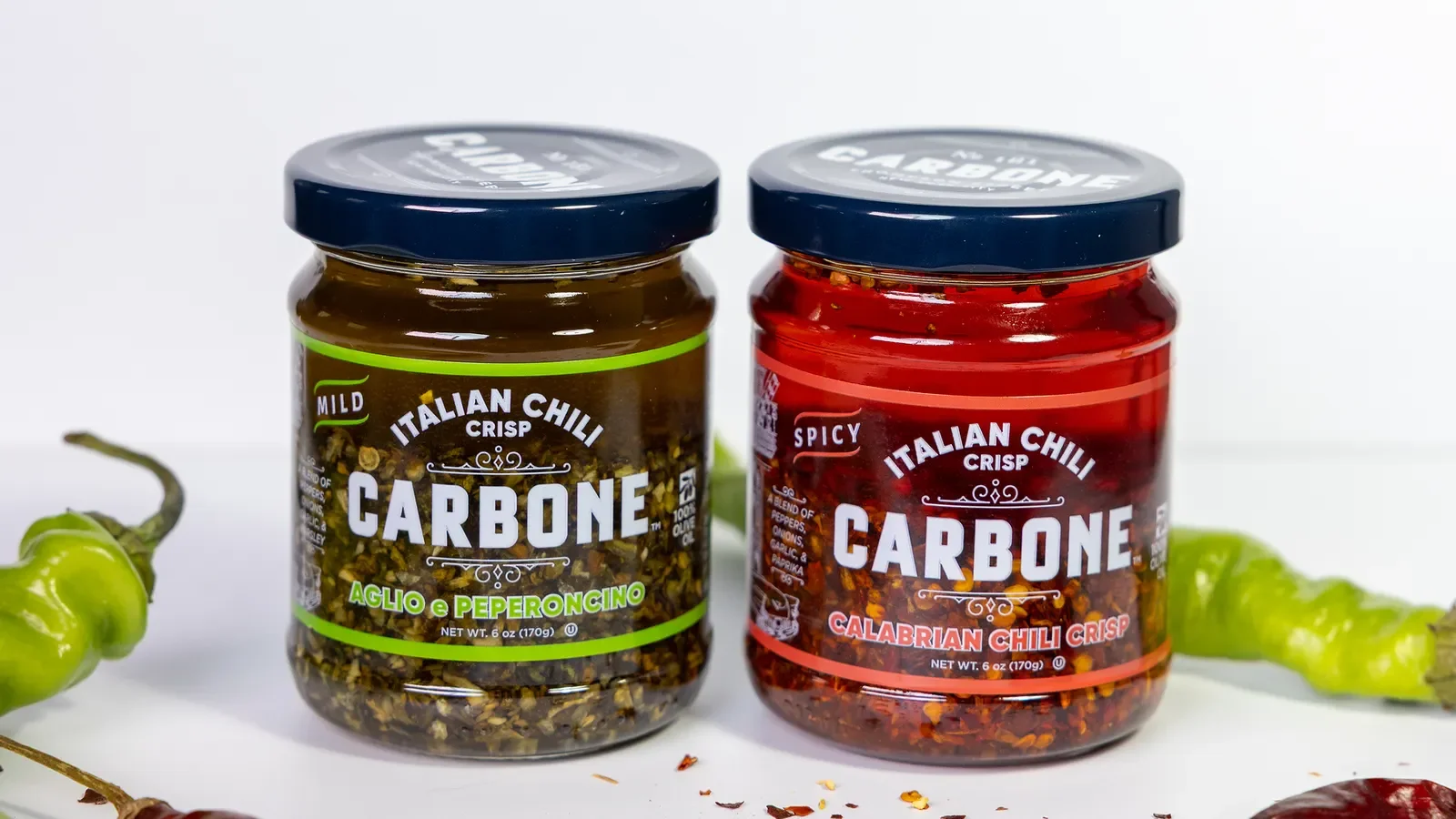
In an exciting pivot from its traditional offerings, Carbone Fine Food is debuting a chili crisp that embodies the brand's restaurant-inspired ethos. This expansion allows Carbone to broaden its reach in the Italian food sector, aiming to resonate with consumers who crave bold and complex flavors.
Carbone's New Italian Chili Crisp
Carbone, already known for its premium pasta sauces, is launching its first-ever Italian Chili Crisp as part of a strategic move to diversify its product line. This isn’t merely a new product; it’s a reimagining of a global culinary trend that has been making waves in the condiment market. Chili crisp, originally a Chinese development, has gained significant traction in recent years beyond its native borders, inspiring food enthusiasts and chefs alike. Carbone’s approach puts an Italian spin on this popular element, which could appeal to both traditionalists and adventurous eaters.
Available in two variants, the red Calabrian Chili Crisp offers a robust heat, while Aglio e Peperoncino caters to milder preferences. Both versions incorporate 100% olive oil and a medley of peppers, onions, and garlic, designed to enhance dishes like pizza, grilled meats, and vegetables. The choice of ingredients isn't accidental; they echo the authentic flavors one might find in an Italian kitchen, not just for seasoning but as compliments that elevate various dishes.
CEO Eric Skae emphasized the appeal of entering the $100 million chili crisp market, which has shown remarkable growth and relatively low competition from major brands. This potential for market share becomes even more important given Carbone's objectives. With big players in the Italian food market not yet exploring this trend, Carbone hopes to position itself as the go-to brand in a niche that marries traditional Italian cuisines with modern consumer desires.
Skae noted, “This is a nice line extension that isn't just duplicating what others are doing.” The chili crisp, priced at $13.99 for a 6-ounce jar, is initially being rolled out at Whole Foods, with plans for wider distribution through Amazon and Carbone's website, followed by other retailers in 2027. Price points suggest a premium segment, aiming at customers willing to invest in quality at their dinner tables.
Carbone has reported impressive yearly growth, with sales exceeding $100 million across 30,000 stores. This has not only established the brand’s presence but also fortified its potential for future explorations, hinting at more additions like canned tomatoes and pesto. The numbers here are underwhelming. For a brand with Carbone's prestige, entering the chili crisp market is almost a low-risk play, potentially offering high rewards.
Little Debbie's Pancake-Inspired Muffins
In another interesting product development, Little Debbie is taking a sweet approach to breakfast with the introduction of its Flapjack Mini Muffins. These bite-sized treats aim to deliver the flavor of pancakes and syrup in a convenient, easy-to-eat muffin form, catering to the fast-paced lifestyles of modern consumers. Breakfast, often considered the most important meal of the day, is increasingly needing to adapt to those who are short on time yet unwilling to compromise on taste.
Product Manager Hannah Norman expressed that the goal was to capture the comforting essence of a traditional family breakfast while making it accessible today. "Flapjack Mini Muffins bring beloved pancake flavors packaged neatly for convenience," she stated. This encapsulates the brand's attempt to connect with both nostalgia and modern convenience—a dual strategy that may resonate deeply with consumers who seek that familiar taste without the hassle.
As consumer trends shift towards quick meal preparations, with about 65% of breakfasts now taking under five minutes to make, Little Debbie aims to meet this need in today’s fast-paced food environment. The competition in the breakfast segment is fierce, with brands constantly vying for attention, and convenience is a crucial factor in this battle.
ChampionSips Raises the Bar on Non-Alcoholic Beverages
Alongside these developments, Glanbia Performance Nutrition is stepping into the beverage arena with ChampionSips, a functional non-alcoholic beer promising a healthier alternative that aligns with active lifestyles. Brewed in collaboration with Wisconsin Brewing Company, this product contains 10 grams of protein and comes with appealing notes of citrus and hops. Non-alcoholic beverages have seen a surge, driven by a growing collective desire for healthier social options.
Expectations are high as the brand looks to cater to consumers who wish to enjoy social settings without compromising their health goals. Jeff Schoenfield, Glanbia’s director of innovation, emphasized the brand's understanding of changing consumer needs, declaring that ChampionSips reflects an approach to explore new occasions for the brand. The strategic launch could help carve out a niche for Glanbia in a market that’s still finding its bearings in terms of taste and acceptance.
Available in four-packs for $14.99 at Optimum Nutrition’s website, ChampionSips is designed to bridge the gap between active living and social enjoyment, even while targeting the growing non-alcoholic beverage market. The price point suggests an aim for a premium segment, appealing to consumers balancing a healthy lifestyle with the social aspect of drinking—all while competing against established alcoholic brands.
Implications for the Market
As these brands evolve and adapt to consumer demands, their new offerings could redefine convenience and flavor within their respective categories. If you're working in this space, the emphasis on health, tradition, and convenience has significant implications for how brands develop future products. Younger consumers increasingly want their meal solutions aligned with their values, whether that's health consciousness or culinary authenticity (and this is the part most people overlook). The willingness to pay more for premium products might create a profitable avenue for brands that navigate these complexities effectively.
This trajectory illustrates a broader trend where food and beverage companies are shifting focus not just on taste but on holistic experiences that resonate with modern lifestyles. The competition is fierce, and only those who can balance tradition with innovation will likely succeed in a rapidly changing market.
Discussion
Sign in to join the discussion.